No Heat / No Hot Water / No AC: Your Rights
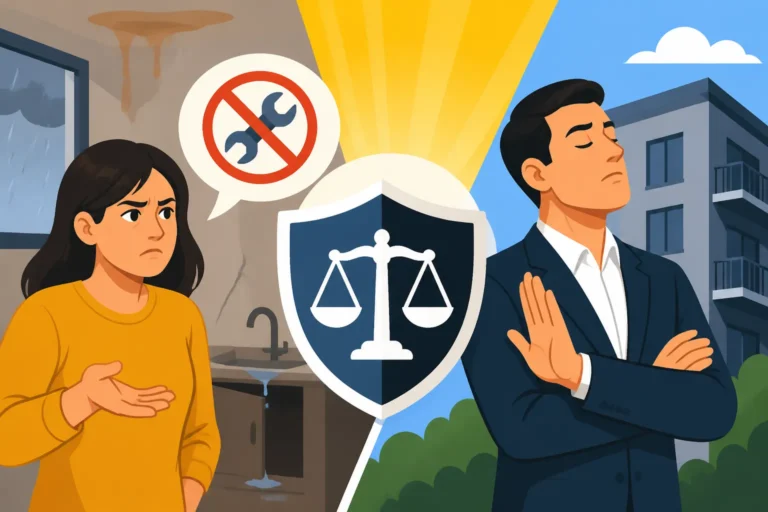
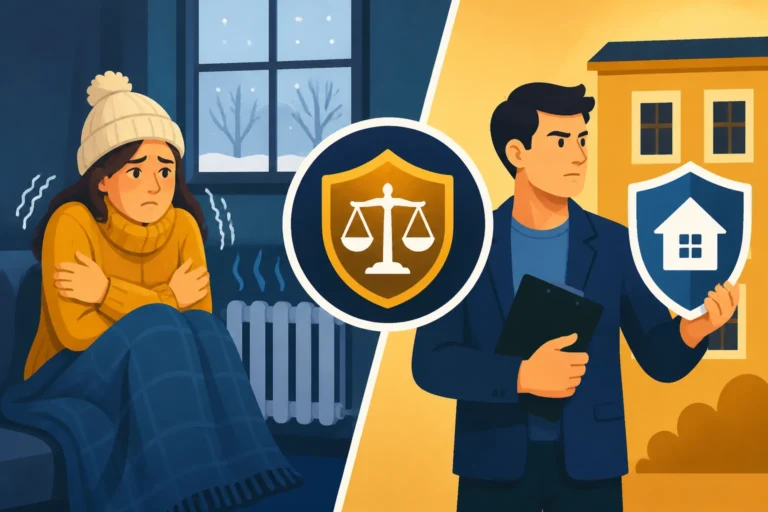
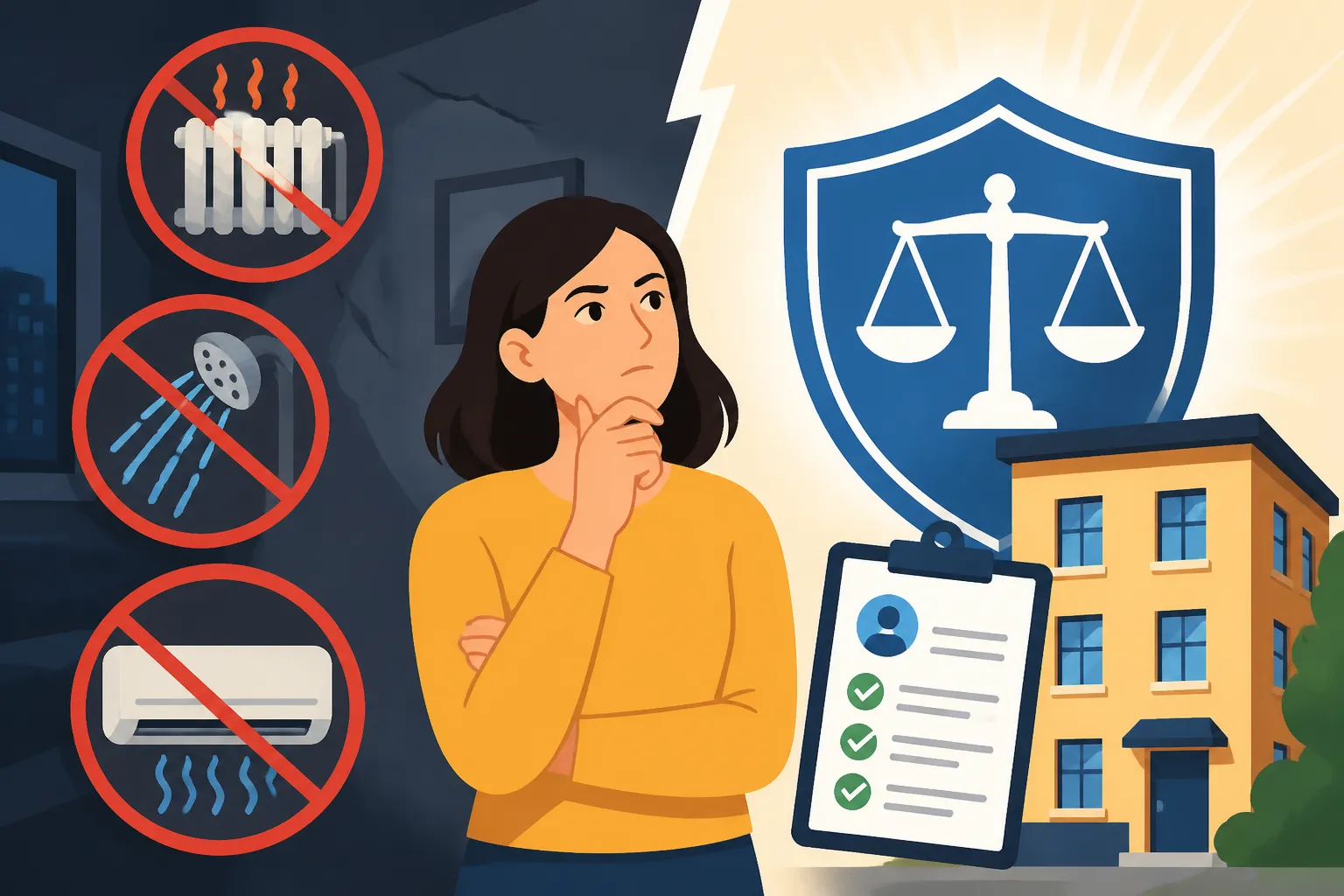
There are few things more frustrating, more anxiety-inducing, than returning to your rental home only to find it's either an icebox in winter, an oven in summer, or you can't even wash your hands with warm water. When essential services like heat, air conditioning, or hot water fail, it's not just an inconvenience; it can be a genuine health and safety hazard. This comprehensive guide will walk you through your tenant rights and the steps you can take when your landlord isn't providing these crucial necessities, helping you navigate these stressful situations with confidence.
The Implied Warranty of Habitability and Essential Services
When you sign a lease and move into a rental property, you're not just getting a roof over your head; you're entering into an agreement where your landlord implicitly promises that the property will be fit for human habitation. This fundamental principle is known as the "implied warranty of habitability." It means that your landlord has a legal obligation to provide and maintain a safe, sanitary, and livable environment. When essential services like heat, hot water, or air conditioning (in some circumstances) fail, it directly impacts the habitability of your home, and that's where your rights kick in.
What Constitutes a Habitable Living Space?
So, what exactly does "habitable" mean? While specifics can vary by state and even local ordinances, the core idea revolves around basic necessities that ensure a tenant's health, safety, and well-being. This isn't about luxury; it's about fundamental living conditions.
For example, a habitable living space generally requires reliable access to heat, especially in climates where temperatures drop significantly. Imagine trying to live in a Chicago apartment in January with no functional furnace – it’s not just uncomfortable, it’s dangerous. Similarly, consistent access to hot water for bathing, washing dishes, and personal hygiene is a non-negotiable component of habitability. It's not just a creature comfort; it’s a public health standard. While air conditioning is often seen as a luxury in many regions, in areas with extreme summer heat, like Phoenix or parts of Florida, a functioning AC system can absolutely fall under the umbrella of essential services necessary for health and safety, particularly for vulnerable populations such as the elderly or those with medical conditions. This concept of habitability is critical to understanding your standing as a tenant. You have a right to a home that meets these basic standards, and if it doesn't, your landlord is in breach of their fundamental obligations.
State-Specific Essential Service Definitions
It's crucial to understand that while the implied warranty of habitability is a widespread legal doctrine, the precise definition of "essential services" and the thresholds for what makes a property uninhabitable can vary significantly from one state to another, and even from city to city. What might be considered a non-negotiable repair in New York could have a different timeline or remedy in Texas.
For instance, in California, Civil Code Section 1941.1 explicitly lists what constitutes a "tenantable dwelling," including effective waterproofing, plumbing, gas facilities, and, significantly, "heating facilities in good working order." The state also generally considers functioning hot and cold running water and an operable electrical system as essential. If you're a tenant in Los Angeles and your heater goes out in December, you have strong legal grounds to demand immediate action. Contrast this with a state like Texas, which also recognizes the implied warranty of habitability but might have different statutory definitions or a more generalized approach to what constitutes a breach of that warranty. Texas Property Code Section 92.052 specifies that a landlord must make a diligent effort to repair or remedy a condition if it materially affects the physical health or safety of an ordinary tenant. While heat and hot water clearly fall under this, the inclusion of AC might depend on specific clauses in the lease or local ordinances, especially in the intense Texas summer heat. New York State, particularly New York City, has some of the most robust tenant protection laws, often mandating specific temperatures during heating seasons. For example, the "Heat and Hot Water Law" (Housing Maintenance Code Section 27-2029) requires landlords to provide heat between October 1st and May 31st, maintaining indoor temperatures at certain levels when the outside temperature falls below a specific point. These detailed regulations mean that what counts as "no heat" isn't just a feeling; it's a measurable legal violation. Because these definitions are so localized, it's always smart to research your specific state's laws on Security Deposit Laws by State (2026) and other tenant rights. Understanding these state and local nuances is your first line of defense and empowerment as a tenant.
Immediate Steps When Your Essential Services Fail
When your heat, hot water, or AC suddenly stops working, the immediate shock and discomfort can be overwhelming. It's easy to panic or feel helpless, but taking a systematic approach to the problem is the best way to protect your rights and get the issue resolved as quickly as possible. Don't just suffer in silence; there are concrete steps you need to take.
Documenting the Problem Thoroughly
The golden rule of landlord-tenant issues is "document, document, document." Your word against your landlord's rarely holds up well without concrete evidence. As soon as you discover the problem, start gathering proof.
This means taking photos and videos with your smartphone. If it’s no heat, capture a thermometer reading inside your apartment, showing how low the temperature has dropped, along with the date and time. If it’s no hot water, run the tap and show that only cold water comes out, or use a temperature gun if you have one to prove the lack of warmth. For no AC, show an indoor thermometer reading on a hot day. Note the date and time of all recordings. Keep a detailed log of every instance the service is out, including when it started, when you noticed it, and any attempts you made to fix it (like checking a circuit breaker, if safe to do so). Make sure to capture any visible damage related to the issue, such as pipes bursting from cold or excessive condensation from lack of AC. This meticulous record-keeping creates an undeniable timeline and factual basis for your complaint, which will be invaluable if you need to escalate the issue or even pursue legal action later. Learning How to Document Your Apartment at Move-In can give you a head start on this essential practice, even before problems arise.
Notifying Your Landlord in Writing
After documenting the issue, the very next step is to formally notify your landlord. And by formally, I mean in writing, every single time. A quick phone call might seem like the easiest option, but it leaves no paper trail. A text message or email is far better, but certified mail can sometimes be necessary for truly critical issues.
Your written notice should clearly state:
- The exact date and time you noticed the problem.
- The specific service that is failing (heat, hot water, AC).
- How the lack of this service is impacting your living conditions (e.g., "The indoor temperature has dropped to 50°F," or "There is no hot water for showers or washing dishes").
- A request for immediate repair and a reasonable timeframe for the repair to be completed, keeping in mind What Counts as an Emergency Repair? in your state.
- Your contact information.
- A statement that you expect your landlord to uphold their obligations under the lease and the implied warranty of habitability.
Always keep a copy of this notice for your records. If you send an email, save it. If you send a text, screenshot it. If you mail it, send it certified mail with a return receipt requested, so you have proof it was received. This written communication serves as official notice and starts the clock on your landlord's responsibility to act. It's a critical piece of evidence if the situation escalates. For a template, check out resources on How to Request Repairs in Writing.
Understanding Your Lease Agreement
Before you do anything drastic or assume the worst, always, always, always refer back to your lease agreement. It's the primary contract governing your tenancy, and it often contains specific clauses regarding repairs, maintenance responsibilities, and how to report issues.
Your lease might outline the exact process for repair requests, expected response times, and even what happens if a landlord fails to meet those obligations. Some leases might specify emergency contact numbers for urgent repairs or define what constitutes an emergency. Pay close attention to sections on "maintenance," "repairs," "landlord responsibilities," and "tenant responsibilities." While the implied warranty of habitability exists outside the lease, the lease itself might provide additional protections or lay out the precise steps you need to follow. Ignoring these clauses, even if your landlord is in the wrong, could potentially complicate your case later on. For instance, if your lease states you must contact a specific property manager for repairs, going straight to the owner might be seen as not following proper procedure. Understanding your lease in detail helps you act within the agreed-upon terms, strengthening your position should you need to pursue further action.
Landlord Responsibilities and Timelines for Repairs
Okay, you've identified the problem, documented it thoroughly, and notified your landlord in writing. Now what? The ball is in their court. But how long do they really have to fix it? This is where many tenants feel powerless, waiting anxiously for a repair person to show up. Understanding your landlord's legal responsibilities and the typical repair timelines is key to knowing when to push harder.
General Expectations for Repair Timelines
There's no universal "one-size-fits-all" rule for repair timelines, but common sense and legal precedent generally dictate that landlords must make repairs within a "reasonable time." What's reasonable depends heavily on the severity of the issue and its impact on your habitability.
An issue like a broken light switch might have a longer reasonable timeline than a complete failure of your heating system in winter. For essential services like heat, hot water, or in extreme climates, AC, "reasonable time" usually means urgently. Many states consider a lack of heat, hot water, or a severe plumbing issue an emergency repair, requiring action within 24-72 hours. For example, if your furnace conks out in January in upstate New York, expecting a week-long wait is absolutely unreasonable and potentially illegal. However, if it's a minor leak from a faucet, a landlord might have 7-14 days to address it. The key is that the landlord must not just acknowledge the problem but must make a diligent effort to begin and complete the repair within that reasonable window. This often includes scheduling a contractor, ordering parts, and ensuring the work is done properly. If your landlord acknowledges the issue but then drags their feet for days on an essential service, they're likely falling short of their legal obligations.
Emergency vs. Non-Emergency Repairs
Distinguishing between emergency and non-emergency repairs is critical because it directly affects the expected response time. While your specific lease or local laws might define these differently, there are generally accepted categories.
Emergency Repairs are those that immediately impact the health, safety, or habitability of the property. This category almost always includes:
- No heat in cold weather: Especially when temperatures are near or below freezing.
- No hot water: This affects hygiene and can be a health concern.
- Major plumbing leaks or burst pipes: Leading to water damage or lack of access to water.
- No electricity: Unless it's a neighborhood-wide outage.
- Gas leaks: A highly dangerous situation requiring immediate professional intervention.
- Security breaches: Broken locks or windows that compromise your safety.
For these types of emergencies, landlords are typically expected to respond and take action within 24-48 hours. This doesn't necessarily mean the repair will be completed within that time, but that steps to address it should be initiated.
Non-Emergency Repairs are those that affect comfort or convenience but do not pose an immediate threat to health or safety. Examples include a dripping faucet (not a major leak), a broken dishwasher, a minor crack in a window, or a malfunctioning garbage disposal. For these, landlords typically have a longer "reasonable time," often 7-30 days, depending on the state and the nature of the issue. When dealing with no heat, no hot water, or no AC, you are almost always dealing with an emergency (especially if the AC is crucial due to extreme heat), and your landlord should treat it as such.
State-Specific Repair Deadlines
As mentioned, specific repair deadlines for landlords are often codified in state and local landlord-tenant laws. These laws provide tenants with clear expectations and a timeline for when they can take further action if repairs aren't made.
While a complete list for all 50 states is beyond the scope here, let's look at some examples to illustrate the variations:
| State | General Repair Deadline (Non-Emergency) | Emergency Repair Deadline (Estimated) | Notes on Essential Services |
|---|---|---|---|
| California | 20-30 days | 24-72 hours | Heat, hot/cold water, plumbing, electrical are essential. |
| New York | "Reasonable time" (often 14-30 days) | 24-48 hours | Specific heating season (Oct 1 – May 31) & temperature mandates. |
| Texas | 7 days | 3 days | Materially affecting health/safety; includes heat, hot water. |
| Florida | 7 days | 24 hours | Landlord must act promptly, reasonable efforts for emergencies. |
| Massachusetts | 14 days | 24 hours for no heat/hot water | Strong sanitary code requirements, specific heating minimums. |
Please note: These are general guidelines and can vary by specific local ordinances (city/county) or the nature of the emergency. Always consult your state's specific landlord-tenant statutes for the most accurate information.
In California, for instance, if a landlord fails to make necessary repairs that affect habitability within a "reasonable time" (often presumed to be 30 days, but much shorter for emergencies), tenants may have the right to Repair and Deduct by State or even withhold rent under specific conditions. Texas law is quite specific, allowing tenants to pursue remedies if a landlord doesn't make a diligent effort to repair a condition materially affecting health or safety within seven days after receiving written notice. For emergency issues like a total lack of heat in winter, "diligent effort" would mean much quicker action. New York City, as mentioned, has very specific heating season rules. If your heat goes out within the heating season, a landlord has very little time to restore it before facing violations. Understanding How Long Does a Landlord Have to Make Repairs? (By State) for your specific location is not just helpful, it's absolutely essential to knowing when you can escalate the situation.
Tenant Rights When Landlords Fail to Act
So, you've done everything right: documented the problem, notified your landlord in writing, and waited a reasonable amount of time, but still, no heat, no hot water, or no AC. This is when the frustration really boils over, and you might feel like you're out of options. However, tenant laws provide several powerful remedies you can pursue, though each comes with its own set of rules and risks. It's crucial to understand these carefully before taking action.
Withholding Rent or Placing it in Escrow
One of the most drastic actions a tenant can take is to withhold rent. However, this is also one of the riskiest, as doing it incorrectly can lead to eviction. Most states allow rent withholding only under very specific circumstances when a landlord has failed to maintain a habitable dwelling, especially concerning essential services.
The "Repair and Deduct" versus "Rent Withholding" Distinction:
In some states, you might be able to repair the issue yourself (or hire someone) and then deduct the cost from your rent. This is known as "repair and deduct." Other states allow "rent withholding," where you essentially stop paying rent entirely, but often with the caveat that you must place the rent money into an escrow account. An escrow account is a separate bank account, often set up through the court system or a legal aid organization, where you deposit your rent money. This shows the court that you're not just trying to get out of paying rent; you're ready to pay it once the landlord fulfills their obligations.
Key considerations before withholding rent or using repair and deduct:
- Written Notice: You must have given your landlord proper written notice of the defect and allowed a "reasonable" (and often statutorily defined) amount of time for them to make the repairs.
- Severity: The issue must significantly impact habitability (e.g., no heat in winter, no hot water). You can't withhold rent for a broken toaster.
- No Damages Caused by You: The damage or issue cannot have been caused by your negligence or misuse.
- State-Specific Laws: The rules for Withholding Rent & Rent Escrow are incredibly state-specific. Some states, like California and Massachusetts, have clear guidelines for rent withholding for serious defects. Others, like Texas, allow tenants to terminate the lease, repair and deduct, or sue the landlord, but direct rent withholding might be riskier if not specifically outlined for the situation. In many states, if you withhold rent without a court order or without placing it in escrow, your landlord can immediately file for eviction, even if they are in breach of the warranty of habitability. It's a high-stakes move that requires careful research and often legal advice.
Repair and Deduct Options
The "repair and deduct" remedy allows a tenant, after providing proper notice and a reasonable opportunity for the landlord to fix a serious habitability issue, to arrange for the repair themselves and then deduct the cost from future rent payments. This is often preferred over outright rent withholding because it directly addresses the problem and can be less confrontational than simply not paying.
How it generally works:
- Proper Written Notice: You must have given your landlord formal written notice of the problem and a reasonable amount of time to make the repair. This time frame is usually defined by state law (e.g., 10-14 days for many non-emergencies, much shorter for emergencies).
- Landlord Fails to Act: The landlord must have failed to initiate or complete the repair within that timeframe.
- Get Quotes: Obtain bids from qualified professionals for the repair work. Don't just pick the most expensive option; try to get a reasonable quote.
- Have Repair Made: Hire the professional to fix the issue. Keep all receipts and invoices meticulously.
- Deduct from Rent: When the next rent payment is due, you would pay the reduced amount, along with a detailed explanation of the repair, copies of the invoices, and any other relevant documentation.
Limitations:
- Cost Limits: Many states impose limits on how much you can deduct. For example, California allows tenants to use the repair and deduct remedy up to the amount of one month's rent, twice in any 12-month period. Other states might have different caps or frequencies.
- Severity of Defect: The defect must be serious and affect habitability. A dripping faucet might qualify, but a burned-out lightbulb in the oven likely wouldn't.
- Not Your Fault: The repair cannot be for damage you or your guests caused.
- State-Specific: Again, Repair and Deduct by State laws vary widely. Some states don't permit it at all, or only for very specific situations. Always confirm your state's regulations before proceeding. If done incorrectly, your landlord could claim you withheld rent illegally, potentially leading to eviction.
Breaking Your Lease Due to Uninhabitable Conditions
In the most severe cases, where a landlord's failure to provide essential services makes the property truly unlivable and they refuse to rectify the situation, tenants may have the legal right to break their lease without penalty. This is often referred to as "constructive eviction."
What is Constructive Eviction?
Constructive eviction occurs when the landlord's actions (or inactions) render the property so uninhabitable that the tenant is effectively forced to move out. It's not a physical eviction by the landlord, but rather a situation where the tenant is legally justified in vacating the premises because the conditions are intolerable and the landlord has failed to remedy them after proper notice. Imagine living in an apartment where the roof leaks every time it rains, the heating is broken in winter, and the landlord ignores all your pleas for repair. At some point, the conditions become so severe that remaining in the unit is unreasonable.
Conditions for Constructive Eviction:
- Substantial Breach: The conditions must be severe enough to substantially interfere with the tenant's enjoyment or use of the property, or pose a threat to health and safety. A single day without hot water might not qualify, but prolonged lack of an essential service, like no heat for weeks in winter, certainly would.
- Notice to Landlord: You must have given your landlord written notice of the issue and a reasonable opportunity to make repairs.
- Landlord's Failure to Remedy: The landlord must have failed to fix the problem within that reasonable timeframe.
- Vacate Promptly: You must move out of the property within a reasonable time after the conditions become intolerable. If you stay for months under clearly uninhabitable conditions, a court might argue you implicitly accepted the situation.
If you can successfully demonstrate constructive eviction, you can legally Breaking a Lease Due to Uninhabitable Conditions without further rent obligations and potentially recover damages (like moving costs). However, this is a complex legal claim, and landlords will often dispute it. If a court disagrees that the conditions warranted constructive eviction, you could be held liable for the remaining rent on your lease. Therefore, seeking legal counsel before pursuing this path is highly recommended. It's vital to fully understand Constructive Eviction Explained before considering this option.
Seeking External Help and Legal Recourse
When direct communication and your initial remedies don't work, it's time to consider bringing in outside help. You don't have to face a negligent landlord alone. There are various governmental and non-profit organizations, as well as legal avenues, designed to protect tenants and ensure safe housing.
Contacting Housing Authorities or Code Enforcement
Many cities and counties have a local housing authority or a code enforcement department whose job it is to ensure rental properties meet minimum health and safety standards. These agencies are often your best first line of external defense.
If your landlord is ignoring your requests for essential repairs, a call to code enforcement can trigger an official investigation. An inspector will typically visit your property, verify the conditions (e.g., check the temperature for lack of heat, verify lack of hot water), and then issue a formal notice to your landlord to rectify the violations. This notice carries legal weight and often includes specific deadlines for repairs. Failure to comply can result in fines for the landlord, and in severe cases, the city might even condemn the property or revoke the landlord's rental permit. This kind of official intervention often gets a landlord's attention much faster than repeated calls or emails from a tenant. Be prepared to provide all your documentation (photos, repair requests, communication logs) to the inspector. They are there to enforce the rules, and your evidence helps them do their job effectively. For more details on this process, consider reading about How to Report a Landlord (Code Violations & Retaliation).
Mediation and Legal Aid Resources
Sometimes, all that's needed is a neutral third party to help facilitate communication and find a solution. That's where mediation comes in.
Mediation: Many communities offer free or low-cost mediation services for landlord-tenant disputes. A mediator doesn't take sides but helps both parties communicate their concerns and explore mutually agreeable solutions. This can be particularly useful if there's a misunderstanding or a breakdown in communication, and can often resolve issues more quickly and less expensively than going to court.
Legal Aid: If mediation isn't successful, or if your situation is particularly dire, seeking legal counsel is crucial.
- Tenant Rights Organizations: Many cities have tenant unions or non-profit organizations dedicated to tenant rights. These groups can provide free advice, help you understand local laws, draft demand letters, or even provide representation. They are often experts in navigating the specific housing laws of your area.
- Legal Aid Societies: For low-income individuals, Legal Aid Societies offer free or low-cost legal assistance. They can assess your case, advise you on your options, and in some instances, represent you in court.
- Private Attorneys: If you don't qualify for legal aid or need more specialized assistance, a private attorney specializing in landlord-tenant law can be invaluable. While this can be costly, some attorneys offer initial consultations at a reduced rate or on a contingency basis, especially if there's a clear case of landlord negligence leading to significant damages.
Having an expert explain your specific situation and the best path forward can empower you immensely.
Small Claims Court for Compensation
If your landlord's negligence has caused you financial damages, and other remedies haven't worked, small claims court might be an avenue for recourse.
When to consider Small Claims Court:
You might sue in small claims court if:
- You had to pay for alternative housing (e.g., a hotel) because your rental was uninhabitable due to lack of heat/hot water/AC.
- You incurred costs for repairs you had to make yourself (and repair and deduct wasn't an option or didn't cover the full amount).
- Your personal property was damaged due to the landlord's failure to maintain the property (e.g., pipes burst due to no heat).
- Your landlord illegally withheld your security deposit after you were forced to move out due to uninhabitable conditions.
The Process: Small claims court is designed to be accessible to individuals without lawyers, though you can choose to have one. You file a complaint, outlining the damages and the reasons your landlord is responsible. You then serve your landlord with the complaint, and both parties present their case to a judge or magistrate. The judge will make a ruling, and if you win, you'll receive a judgment for the amount of damages.
Important Considerations:
- Damage Limits: Small claims courts have limits on the amount of money you can sue for, which varies by state (often between $5,000 and $15,000).
- Evidence is Key: Just like with initial notifications, you'll need strong documentation to support your claim: written repair requests, proof of landlord negligence, receipts for hotel stays, repair invoices, photos, and any communication.
- Collecting a Judgment: Winning a judgment is one thing; collecting it is another. While courts can assist, it's ultimately your responsibility to enforce the judgment if the landlord doesn't pay voluntarily.
Going to court can be daunting, but for clear cases of financial harm due to landlord negligence, it provides a legal avenue to recover your losses. It's also an option if you are facing issues getting your Security Deposit Back after a difficult tenancy.
Protecting Yourself Moving Forward
Dealing with a landlord who isn't providing essential services is stressful, but there are ways to better protect yourself in the future, both proactively and reactively. Knowledge is power, and being prepared can make all the difference.
Tenant Insurance and Preparedness
While tenant insurance (also known as renters insurance) won't get your heat fixed, it's an absolutely essential layer of protection for every renter, especially when things go wrong. Most people assume it's only for theft, but it's far more comprehensive.
Renters insurance typically covers:
- Personal Property: Protection for your belongings against perils like fire, theft, vandalism, and certain types of water damage. If a pipe bursts because your landlord failed to maintain heat, and your furniture or electronics are ruined, your renters insurance could cover the replacement cost.
- Loss of Use: This is incredibly important when essential services fail. If your apartment becomes uninhabitable due to a covered peril (like a fire, or a burst pipe from freezing temperatures), your policy can cover temporary living expenses, such as hotel stays, temporary rent, and even increased food costs, while repairs are being made. This can be a lifesaver if your landlord drags their feet.
- Liability Coverage: If someone is injured in your apartment or you accidentally cause damage to the property or another unit, your liability coverage can protect you from lawsuits.
Companies like Lemonade offer modern, affordable renters insurance policies that are easy to understand and sign up for. Having a policy in place means that if the worst happens and you're displaced or your belongings are damaged because of a landlord's neglect or a property issue, you have a financial safety net. It's a small monthly cost for significant peace of mind. Beyond insurance, general preparedness means having a small emergency kit, knowing where your fuse box/circuit breaker is, and understanding how to shut off your main water valve (if accessible and safe to do so) in case of a burst pipe emergency.
Knowing Your Rights
The single most empowering thing you can do as a tenant is to educate yourself about your rights. Landlord-tenant law can feel like a labyrinth, but resources are available.
- State and Local Laws: Every state has a landlord-tenant act or similar statutes. Many state attorney general offices or housing departments provide plain-language summaries of these laws online. Your city or county may also have specific ordinances that offer additional protections, especially concerning rent control, heat, and hot water regulations. For instance, knowing the Security Deposit Laws by State (2026) helps you when moving out, just as understanding repair timelines helps during your tenancy.
- Tenant Handbooks: Many tenant advocacy groups or legal aid organizations publish free handbooks that break down complex legal concepts into understandable language.
- Online Resources: Reputable online platforms dedicated to rental issues can provide valuable information. While primarily catering to landlords, even a platform like TurboTenant offers insights into common landlord concerns and best practices, which can indirectly inform you about what a responsible landlord should be doing. Understanding a landlord's perspective can help you better advocate for your own rights.
By actively researching and staying informed, you're less likely to be taken advantage of and more likely to assert your rights effectively when problems arise.
Maintaining Good Communication
While written notice is paramount for legal protection, maintaining open, professional communication with your landlord or property manager can often resolve issues before they escalate.
- Be Polite but Firm: Always approach your landlord respectfully, even when frustrated. A polite, clear, and firm tone is often more effective than an angry one. State the facts, refer to your lease, and cite relevant laws if you know them.
- Keep Records: Beyond documenting the problem, keep a log of all communications with your landlord. This includes dates and times of calls, what was discussed, who you spoke to, and summaries of in-person conversations. Forward copies of emails and text messages to yourself or save them in a dedicated folder. Some property management systems, or even insurance providers for landlords like Steadily, emphasize clear record-keeping for property maintenance. This kind of diligent record-keeping on the landlord's side means there's less room for dispute, and you as a tenant can mirror that professionalism to protect yourself.
- Follow Up: If you don't hear back within a reasonable timeframe after your initial written notice, send a follow-up. Reference your previous communication and reiterate your request for action.
- Avoid Emotional Language: Stick to the facts. While it's incredibly frustrating to be without heat in winter, focusing on the legal obligation and the impact on habitability is more effective than expressing anger or personal hardship in your official communications.
Good communication, backed by thorough documentation, builds a strong case for your position and demonstrates your good faith as a tenant, which can be beneficial if the dispute ever ends up in mediation or court. This diligence can make all the difference when your Landlord Won't Fix Anything: What Are My Rights?.
Common Misconceptions and Pitfalls
When dealing with a landlord who isn't providing essential services, the situation can be emotionally charged, and it's easy to make mistakes that could jeopardize your tenancy or legal standing. Being aware of common misconceptions and pitfalls can save you a lot of trouble.
Self-Help Remedies
One of the most dangerous pitfalls for tenants is attempting "self-help remedies" without understanding the legal consequences. A "self-help remedy" is when you try to solve the problem directly in a way that is outside legal procedures or the terms of your lease, often as a reaction to your landlord's negligence.
Examples of common (and often illegal) self-help remedies include:
- Changing locks without landlord permission: While it might feel safer if your security is compromised, changing locks without notifying and providing keys to your landlord can be a lease violation, and in some states, it's explicitly illegal for tenants to do this.
- Shutting off utilities yourself: If your landlord is failing to provide a utility, it's tempting to mess with the utility systems, but this can be dangerous, cause further damage, or even lead to accusations of tampering.
- Refusing to pay any rent without following state-specific procedures: As discussed, simply not paying rent without placing it in escrow or following strict "repair and deduct" guidelines is a huge risk. Your landlord can initiate eviction proceedings against you for non-payment, even if they are in the wrong regarding the repairs. The courts typically require you to continue paying rent (or placing it in escrow) to show you are upholding your end of the lease, even if the landlord isn't.
- Damaging property in retaliation: Intentionally damaging the property, even out of anger or frustration over neglected repairs, can lead to charges for property damage and could be used as grounds for eviction.
The law typically requires tenants to follow specific steps and remedies. Deviating from these can weaken your case and give your landlord ammunition against you. Always exhaust formal communication, official notices, and external agencies before considering any action that deviates from your lease or state law. Even when a landlord is being negligent, you are expected to act within the bounds of the law.
Retaliatory Actions from Landlords
It's a genuine fear for many tenants: What if I complain to code enforcement or request major repairs, and my landlord retaliates against me? This is a valid concern, and thankfully, most states have laws prohibiting retaliatory eviction or other forms of retaliation.
What constitutes retaliation?
Landlord retaliation typically refers to actions taken by a landlord against a tenant because the tenant exercised a legal right. This could include:
- Serving an eviction notice without cause or for a minor violation shortly after a repair request or complaint.
- Raising rent disproportionately after a complaint (outside of normal market increases or lease renewal terms).
- Refusing to renew a lease (in areas where tenants have a right to renewal) shortly after a complaint.
- Decreasing services (e.g., suddenly removing amenities that were included).
- Harassment or intimidation.
Legal Protection Against Retaliation:
Most states have anti-retaliation statutes. These laws often create a "rebuttable presumption" of retaliation if a landlord takes certain actions (like serving an eviction notice) within a specific timeframe (e.g., 90 days to one year) after a tenant has exercised a protected right (like reporting a code violation or requesting repairs). This means the burden of proof shifts to the landlord to show that their action was not retaliatory.
What to do if you suspect retaliation:
- Document Everything: Keep meticulous records of your original complaint, the timeline of events, and any actions your landlord takes that you believe are retaliatory.
- Seek Legal Advice: Contact a tenant rights organization or legal aid attorney immediately. They can help you determine if retaliation is occurring and what legal steps you can take.
- File a Complaint: You may be able to file a complaint with your local housing authority or even sue your landlord for retaliatory eviction.
While the fear of retaliation is real, it shouldn't deter you from exercising your rights to a safe and habitable home. The laws are there to protect you, but you need to understand them and use them effectively. For more information, read up on Landlord Retaliation After a Repair Request.
Disclaimer
The information provided in this article is intended for general informational purposes only and does not constitute legal advice. Landlord-tenant laws vary significantly by state and local jurisdiction. It is crucial to consult with a qualified attorney or local tenant advocacy organization for advice tailored to your specific situation. Reliance on any information presented here is at your own risk.