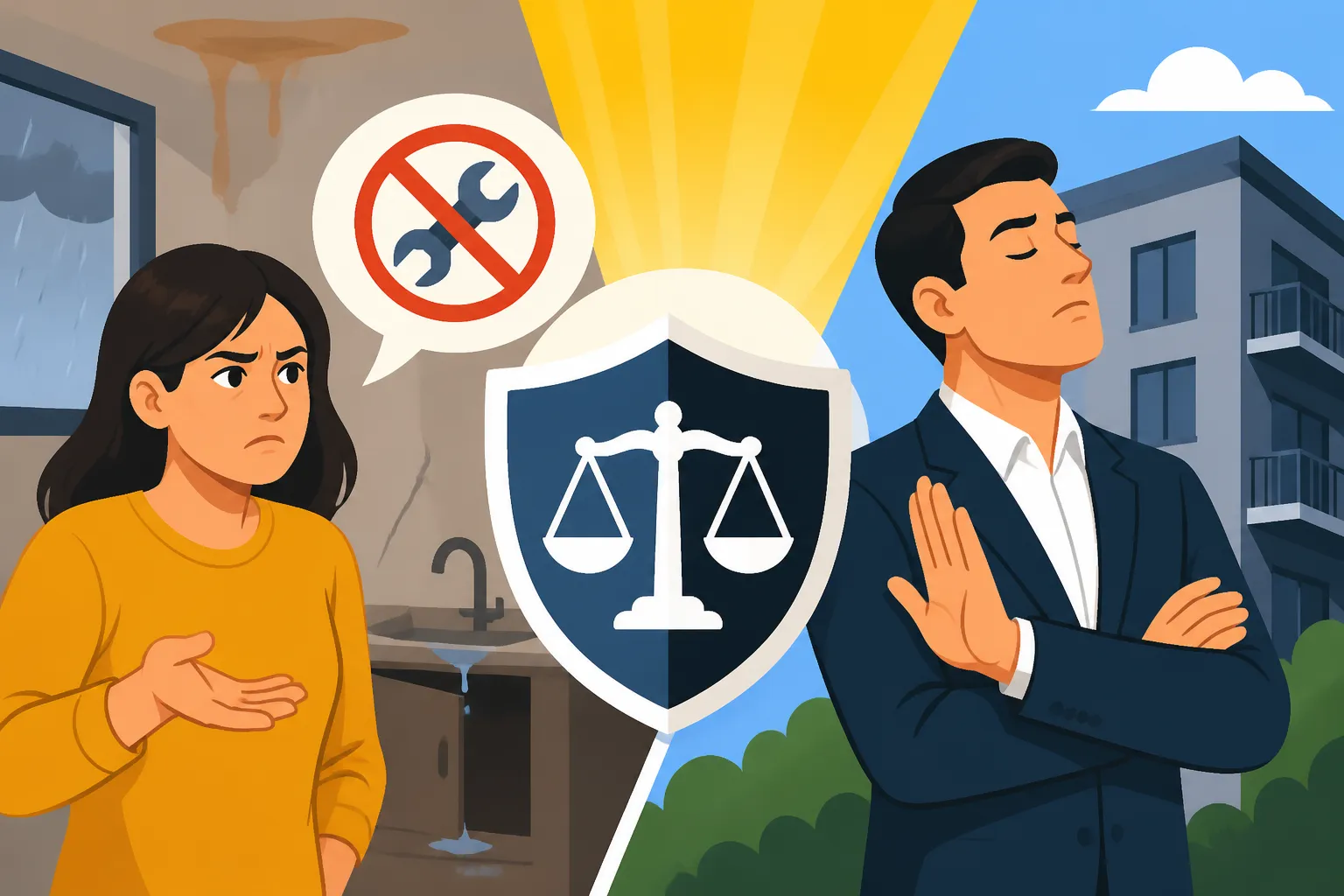
Landlord Won’t Fix Anything: What Are My Rights?
There are few things more frustrating as a renter than when you discover a serious issue in your home – maybe it's a leaky roof, a broken furnace in winter, or a persistent pest infestation – and your landlord just shrugs it off or drags their feet. It can feel utterly powerless, like your hands are tied, and you're stuck living in an increasingly uncomfortable or even unsafe situation. This comprehensive guide is here to empower you, breaking down your rights and detailing actionable steps you can take when your landlord refuses to make necessary repairs.
Understanding Your Landlord's Core Repair Responsibilities
It’s easy to feel overwhelmed when something breaks in your rental, especially if you're not sure who's actually responsible for fixing it. The good news is that most jurisdictions recognize a fundamental principle: landlords have a legal obligation to provide and maintain a safe and livable environment for their tenants. This isn't just a courtesy; it's a legal requirement often rooted in something called the "implied warranty of habitability."
The Implied Warranty of Habitability
Let's talk about the "implied warranty of habitability" – it sounds super legal, but it’s actually a pretty straightforward concept that's absolutely vital for renters. Essentially, it's an unspoken promise that your rental unit is fit for human habitation, regardless of what your lease agreement might say (within limits, of course). This warranty is implied in nearly all residential leases, meaning it exists whether or not it's explicitly written into your rental agreement. It ensures that the property meets basic health and safety standards.
For example, this warranty means your apartment needs to have working plumbing, safe electrical wiring, adequate heating, and be free from serious infestations. It's about providing a roof over your head that doesn't leak every time it rains and a front door that actually locks. If your landlord fails to maintain these fundamental conditions, they're essentially breaching this implied promise, and that opens the door for you, the tenant, to take action. This core principle underpins most of the tenant protections related to repairs. For a deeper dive, check out our guide on the Implied Warranty of Habitability Explained.
Specific Repairs Landlords Must Address
So, what exactly does "habitable" mean in practical terms? While exact requirements can vary slightly from state to state and even city to city, there's a common set of issues that almost universally fall under a landlord's responsibility. We're talking about things that directly impact your health, safety, and general ability to live comfortably in the unit.
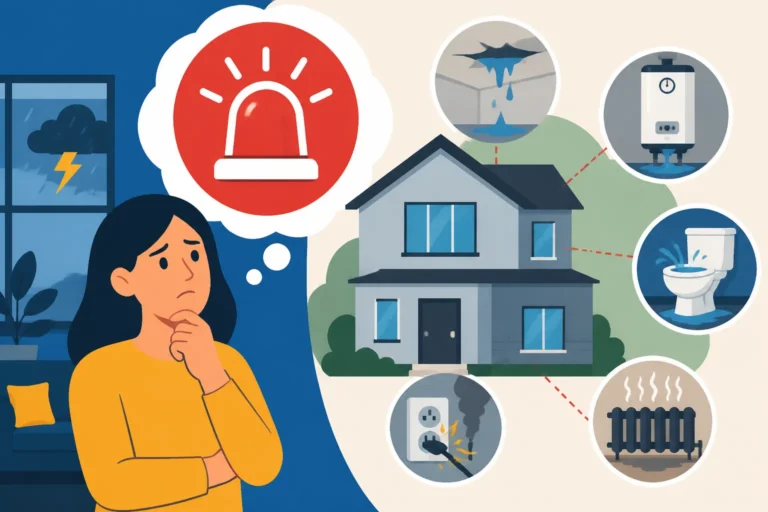
For instance, structural integrity is non-negotiable – think a collapsing ceiling, a severely damaged wall, or a foundation issue. Essential utilities are also paramount: working plumbing (hot and cold water, toilets that flush), safe and functional electrical systems, and reliable heating, especially during colder months. Landlords are usually responsible for keeping common areas safe and functional, too, like working hallway lights or clear walkways. Beyond that, pest control for infestations that aren't tenant-caused (like mice, cockroaches, or bedbugs) often falls to the landlord, especially in multi-unit buildings where the problem can quickly spread. Broken appliances that were provided by the landlord, such as a refrigerator or stove, typically need to be repaired or replaced by them. Knowing your Landlord Repair Responsibilities What They Must Fix is your first line of defense.
Documenting the Problem and Notifying Your Landlord
When you discover a repair issue, your first instinct might be to call your landlord right away. And while communication is good, it's crucial to follow specific steps to protect your rights. Verbal complaints are often difficult to prove later, which can put you at a disadvantage if the situation escalates.
The Importance of Written Communication
This is where the golden rule of tenant-landlord relations comes in: always get it in writing. Seriously, I can't stress this enough. A phone call might feel faster, but it leaves no paper trail. Imagine trying to prove in court that you told your landlord about a persistent leak back in October, only to realize you have no proof. That's a nightmare. Sending written notices creates a clear, undeniable record of when you reported the issue, what the issue was, and what you requested.
A written request should be clear, concise, and professional. Include the date, your name and address, a detailed description of the problem, and a reasonable timeframe for the repair (check your local laws for what constitutes a "reasonable time"). Always keep a copy for yourself. Sending it via certified mail with a return receipt requested is the gold standard because it proves the landlord received it. Some online tools, like those offered by platforms such as TurboTenant, can help streamline this process by providing templates for repair request letters, ensuring you include all necessary information.
Gathering Evidence of Issues
Beyond sending written notices, robust documentation is your secret weapon. Think of yourself as a detective, meticulously gathering evidence. Before you even send that first written request, start documenting the problem comprehensively.
This means taking clear, well-lit photos and videos of the damage. For a leaky faucet, don't just take one picture; capture the leak itself, any resulting water damage, and a wider shot showing its location in the room. For a broken appliance, show that it's not working. Add timestamps to your photos or videos if your device allows it. Keep a detailed log of events: the date you first noticed the problem, the date you contacted your landlord, their response (or lack thereof), and any further deterioration. If the problem affects your health or safety, like a persistent mold issue or lack of heat, document how it impacts you or your family. These records will be invaluable if you ever need to escalate the issue, demonstrating diligence on your part and proving the existence and severity of the problem.
Navigating Common Landlord Excuses and Delays
It’s not uncommon for landlords to come up with reasons why they can’t or won’t make repairs. You might hear anything from "it's minor" to "I don't have the funds." Recognizing these common excuses and understanding your counter-arguments is crucial for asserting your rights.
"It's Normal Wear and Tear"
This is perhaps one of the most common excuses, and it's often a gray area. Landlords are not responsible for fixing "normal wear and tear." This term refers to the expected deterioration of a property over time from ordinary use. Think faded paint, minor scuffs on walls, worn carpet in high-traffic areas, or loose door handles. These are things that happen simply from living in a place.
However, "damage" is different. Damage implies a tenant-caused issue or a defect that significantly impairs the property's function or value, beyond what's expected from normal use. A large hole in the wall, a broken window, or significant water damage from a leaky pipe are examples of damage that the landlord would be responsible for (unless caused by the tenant). If a landlord tries to claim a major issue, like a leaky roof or a collapsed ceiling, is "normal wear and tear," they are usually incorrect. It’s essential to understand the difference between Normal Wear and Tear vs Damage Complete Guide to effectively counter this excuse.
"I Don't Have the Money" or "It Takes Time"
Another common deflection is for a landlord to claim financial hardship or insist that repairs simply "take time." While some repairs genuinely do require sourcing parts or scheduling contractors, this excuse cannot be used to indefinitely delay fixing habitability issues. Your landlord’s financial situation doesn't negate their legal obligation to provide a safe and livable home.
Most states have laws dictating how long a landlord has to make repairs once properly notified. For urgent issues like a lack of heat in winter or a burst pipe, the timeline is often much shorter, sometimes as little as 24-72 hours. Non-emergency repairs might have a timeline of 7 to 30 days. If your landlord consistently delays without a valid reason, they are likely violating their duties. It's important to know How Long Does a Landlord Have to Make Repairs By State for your specific location. While property management companies like Steadily aim to help landlords maintain properties efficiently, not all landlords utilize such services, leading to these types of delays.
Retaliation Concerns
It’s a sad reality that sometimes, when you assert your rights, landlords might try to retaliate. This could manifest as raising your rent significantly, refusing to renew your lease, or even attempting to evict you without cause, all shortly after you requested repairs. This is often illegal.
Many state and local laws protect tenants from retaliatory actions, especially when you've made a good-faith request for repairs or reported code violations. Generally, if a landlord takes an adverse action against you within a certain period (e.g., 90 to 180 days) after you exercised a legal right, it's presumed to be retaliatory, and the burden shifts to the landlord to prove otherwise. It's important to document everything, including the timeline of your repair requests and any subsequent actions by the landlord, should you need to demonstrate retaliation. You can learn more about how to protect yourself from Retaliatory Eviction Defense.
Your Legal Options When a Landlord Fails to Act
When your landlord continues to drag their feet or outright refuses to address essential repairs, it's time to consider your legal avenues. These options should always be pursued carefully and with a full understanding of your local laws, as improper execution can put you in a vulnerable position.
Repair and Deduct
The "repair and deduct" remedy allows you, the tenant, to pay for necessary repairs yourself and then deduct the cost from your next rent payment. This can feel incredibly empowering, but it's not a free-for-all. This option is only available in certain states and typically comes with strict conditions you absolutely must follow.
Generally, you need to notify your landlord in writing about the issue and give them a "reasonable" amount of time to fix it. If they fail to do so, you can then arrange for the repair. The cost of the repair must often be reasonable, and in some states, there are caps on how much you can deduct (e.g., one month's rent) or how often you can use this remedy. You also need to keep all receipts and proof of payment for the repairs. Missteps here can lead to your landlord claiming you've withheld rent illegally. Always research your specific state’s Repair and Deduct by State laws before taking this step.
Withholding Rent and Rent Escrow
This is a powerful but risky option that should generally be considered a last resort, as it can have serious consequences if not done correctly. "Withholding rent" means you stop paying rent to pressure your landlord into making repairs. In some states, this is outright illegal and can lead to immediate eviction. A safer, but still serious, alternative in many jurisdictions is "rent escrow."
Rent escrow involves placing your rent money into a separate, secure account (often with the court or a third party) rather than paying it directly to your landlord. This demonstrates that you have the rent money and are willing to pay, but only once the landlord fulfills their obligations. Like repair and deduct, there are strict rules. You usually need to provide written notice of the issues, allow a reasonable time for repairs, and sometimes even get a court order to establish an escrow account. Failing to follow the precise legal steps for Withholding Rent & Rent Escrow could be considered non-payment of rent, leaving you open to eviction. This is why consulting with a legal aid society or an attorney is highly recommended before pursuing this course of action.
Breaking Your Lease for Uninhabitable Conditions
If the repair issues are severe enough to render your home truly unlivable, you might have grounds to break your lease. This is known as "constructive eviction." It means that while your landlord hasn't physically evicted you, their failure to maintain a habitable environment has effectively forced you to move out.
Conditions that could warrant constructive eviction typically include severe health and safety hazards like a lack of essential utilities (no heat in winter, no running water), major structural problems, or unaddressed hazardous mold. Again, simply deciding to move out isn't enough; you need to provide clear written notice to your landlord about the uninhabitable conditions, allow them a reasonable opportunity to fix them, and only then move out if the issues persist. This is a significant step with potential legal ramifications, so understanding Breaking a Lease for Uninhabitable Conditions and seeking legal advice beforehand is crucial to avoid being held liable for the remainder of your lease.
Pursuing Legal Action (Small Claims Court)
If all other avenues fail, or if you've incurred damages due to your landlord's negligence (e.g., your personal belongings were ruined by a leak they refused to fix), you might consider taking your landlord to small claims court. This court is designed for individuals to resolve disputes without needing expensive lawyers, though you can still consult one.
In small claims court, you can sue your landlord for the costs of repairs, compensation for damaged property, a reduction in rent for the period your home was uninhabitable, or even statutory damages in some cases. You'll need all your meticulously gathered documentation: written notices, photos, videos, repair receipts, and any communication logs. While the process is designed to be accessible, it still requires preparation and a clear understanding of what you're asking for. For issues related to security deposits, you might find our guide on Suing a Landlord for Your Deposit Small Claims & Penalties helpful, as some of the principles are similar.
Proactive Steps for Tenants to Protect Themselves
Navigating landlord-tenant disputes can be stressful, but many problems can be mitigated, or even avoided, by taking proactive steps from the very beginning of your tenancy. Being prepared and informed is your best defense.
Thorough Move-In Inspections
The moment you get the keys to your new place, start documenting its condition with a thorough move-in inspection. This isn't just a suggestion; it's a critical step that can save you a world of headaches later on. Imagine moving out and your landlord claims you damaged something that was already broken when you moved in. Without proof, it's your word against theirs.
Take detailed photos and videos of every room, every wall, every appliance, and every fixture. Note any existing damage, no matter how small, on a written move-in checklist. Get your landlord or property manager to sign off on this checklist, acknowledging the documented condition. This creates a baseline for the property's state. Platforms like TurboTenant often provide digital tools for comprehensive move-in inspections, making it easier to capture and store all this vital information. This comprehensive record can be invaluable when it's time to move out and discuss Security Deposit Deductions Full List of Allowed Charges.
Understanding Your Lease Agreement
Your lease agreement is more than just a piece of paper; it’s a legally binding contract that outlines the rights and responsibilities of both you and your landlord. Before you sign anything, read it carefully. Don't skim! Pay close attention to clauses related to repairs, maintenance, and who is responsible for what.
Look for sections detailing the notice period required for repair requests, what constitutes an emergency repair, and any specific procedures for reporting issues. Some leases might try to shift certain landlord responsibilities to the tenant, but remember that some of these clauses might not be legally enforceable if they contradict state or local habitability laws. If anything is unclear, ask questions before you sign. Knowing the ins and outs of your lease can prevent misunderstandings and provide a clear framework for addressing problems. Our article on Lease vs Rental Agreement What's the Difference? can help you understand the foundational document.
Rental Insurance as a Safeguard
While renters insurance doesn't make your landlord fix things faster, it's an incredibly important layer of protection that many tenants overlook. It protects your personal belongings in case of damage or loss due to covered perils like fire, theft, or, importantly in the context of repairs, water damage from a burst pipe that your landlord failed to fix.
Imagine a pipe bursts because your landlord neglected necessary plumbing repairs, and your electronics, furniture, and clothes are ruined. Your landlord's insurance generally covers the structure, but not your personal items. This is where renters insurance, such as a policy from Lemonade, steps in. It can also provide liability coverage if someone is injured in your apartment, and often includes additional living expenses if you're forced to temporarily move out due because your rental becomes uninhabitable. It's a small monthly investment for significant peace of mind.
Summary of Tenant Actions for Unfixed Repairs
| Issue | Landlord Responsibility | Tenant Action | Key Considerations |
|---|---|---|---|
| Lack of Heat/Hot Water | Yes (Habitability) | Written notice (urgent), follow-up, code enforcement. | State laws specify urgent repair timelines. Document temperature. |
| Leaky Roof/Pipes | Yes (Habitability/Damage) | Written notice, document damage, retain receipts. | Prevent further damage if safe. Insurance claim for personal property. |
| Pest Infestation | Yes (Habitability, unless tenant-caused) | Written notice, document extent of infestation. | Landlord usually responsible in multi-unit buildings. Specific pests (e.g., bedbugs) may have unique rules. |
| Broken Appliances | Yes (if provided by landlord) | Written notice, specify appliance and issue. | Landlord not responsible if tenant-owned or tenant-damaged. |
| Structural Issues | Yes (Major Habitability) | Immediate written notice, report to code enforcement. | Dangerous conditions warrant immediate action. Consider breaking lease if unsafe. |
| Electrical Issues | Yes (Safety/Habitability) | Immediate written notice, report to code enforcement. | Electrical hazards are serious. Do not attempt self-repair. |
| Minor Issues (e.g., loose doorknob) | Usually, but not urgent | Written notice, may be lower priority. | May not trigger "repair and deduct" or rent withholding options. |
| Damage from Tenant | No | Tenant's responsibility to repair or pay for repair. | Distinguish from normal wear and tear. Document initial condition. |
Disclaimer
Please remember that this guide provides general information about landlord-tenant laws and is not a substitute for legal advice. Laws vary significantly by state and local jurisdiction. Always consult with a qualified attorney or local tenant rights organization for advice specific to your situation.