What Counts as an Emergency Repair?
We've all been there: something critical breaks in your rental, and a wave of panic sets in. Is this something your landlord has to drop everything for, or are you stuck waiting days, or even weeks? Understanding what legally constitutes an "emergency repair" is a huge headache for many renters, and honestly, a lot of landlords too. This guide is here to cut through the confusion and help you confidently identify truly urgent issues, know your rights, and understand your landlord's obligations when disaster strikes.
Understanding the Core Definition of an Emergency Repair
When something breaks in your apartment or rental home, the first question is always: "How fast does this need to be fixed?" The answer hinges on whether it's considered an emergency. Generally speaking, an emergency repair is any issue that immediately threatens a tenant's health, safety, or the habitability of the property. This isn't just about inconvenience; it's about whether the home is truly livable and safe.
Legal Versus Practical Definitions
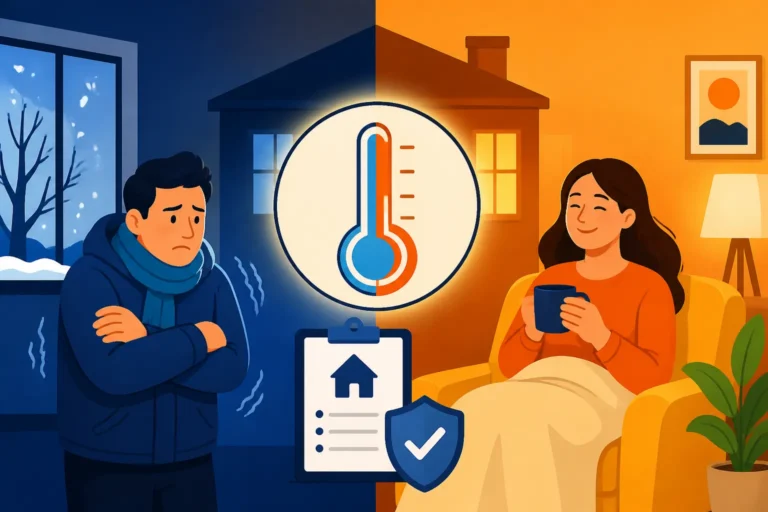
The legal definition of an emergency repair often ties directly into the "implied warranty of habitability." This fundamental tenant right means that a rental property must be fit for human habitation, safe, and comply with all housing codes. If an issue makes your home uninhabitable, it’s usually an emergency. For example, a sudden lack of heat in a Minnesota winter isn't just uncomfortable; it could lead to dangerous hypothermia. Similarly, a severe electrical problem isn't just an annoyance; it’s a serious fire hazard.
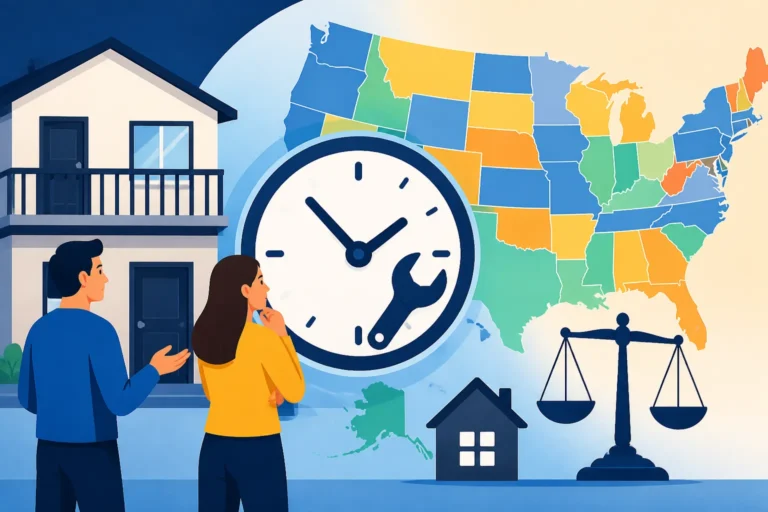
Practically, however, there's often a disconnect. A tenant might consider a broken dishwasher an emergency because it disrupts their daily routine, but legally, it's rarely classified as such unless it's the only means of sanitation or causes severe water damage. Landlords, on the other hand, might try to downplay serious issues to avoid the immediate cost and hassle. It’s a constant push-and-pull, which is why knowing the legal groundwork is so important. States like California and New York have specific timelines for how quickly landlords must address emergencies, often within 24 to 72 hours, depending on the severity and type of repair. You can learn more about your rights regarding essential services in our guide on No Heat / No Hot Water / No AC: Your Rights.
Habitability Standards and Essential Services
The concept of habitability is the bedrock of what defines an emergency. A home must provide basic necessities. This typically includes structural soundness, working plumbing that provides hot and cold water, adequate heating (especially in colder climates), safe electrical systems, and protection from the elements. When one of these essential services fails, or the structural integrity of the home is compromised, it usually rises to the level of an emergency.
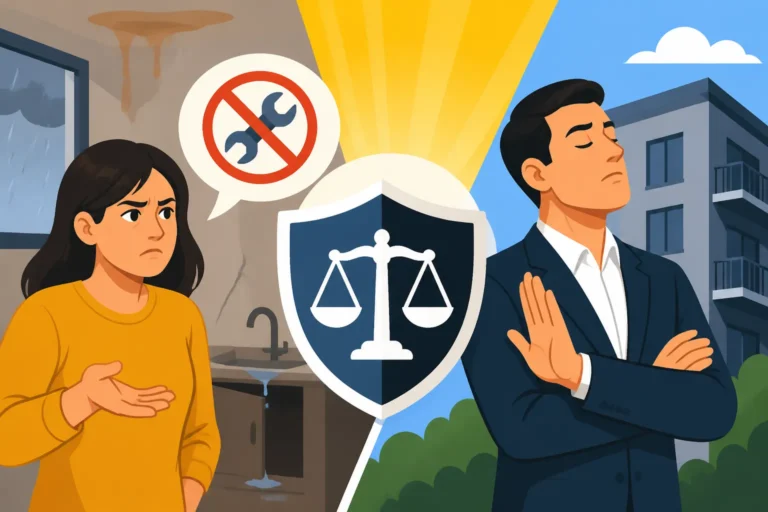
Consider a scenario in Portland, Oregon: a tenant reports that their roof has a significant leak during a heavy rainstorm, causing water to pour into the living room. This isn't just cosmetic; it threatens the electrical system, can cause mold, and compromises the structural integrity of the building. That's a clear habitability issue and a definite emergency. If the landlord fails to act, they are violating their fundamental duty to provide a safe home. Conversely, a leaky faucet, while annoying, doesn't typically render a home uninhabitable, so it falls into the category of a non-emergency repair.
Common Examples of Emergency Repairs
Let's dive into some specific situations that almost universally qualify as emergency repairs, making your rental unfit for living and requiring immediate attention from your landlord.
Loss of Essential Services
This category covers the big ones – the services you absolutely cannot live without, especially given the time of year or local conditions.
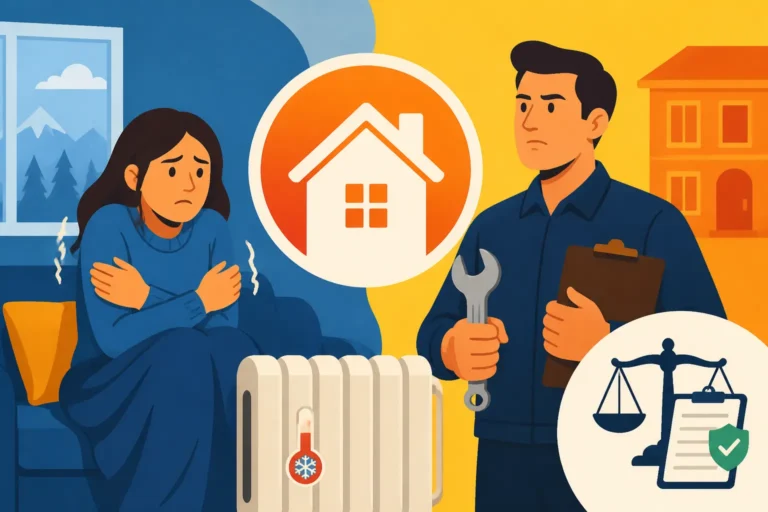
- No Heat in Winter: Imagine it's January in Chicago, and your furnace goes out. This isn't just uncomfortable; it's a serious health risk, especially for elderly tenants, young children, or those with health conditions. Most jurisdictions consider lack of heat in cold weather a critical emergency, requiring a landlord to act within 24 hours. They have a legal responsibility to provide a habitable living space, and freezing temperatures make it uninhabitable.
- No Hot Water: While not always as immediately life-threatening as no heat, a complete lack of hot water for an extended period can quickly become an emergency. It impacts hygiene, making it difficult to properly bathe or clean. Depending on state laws, a landlord might have 24-48 hours to restore hot water.
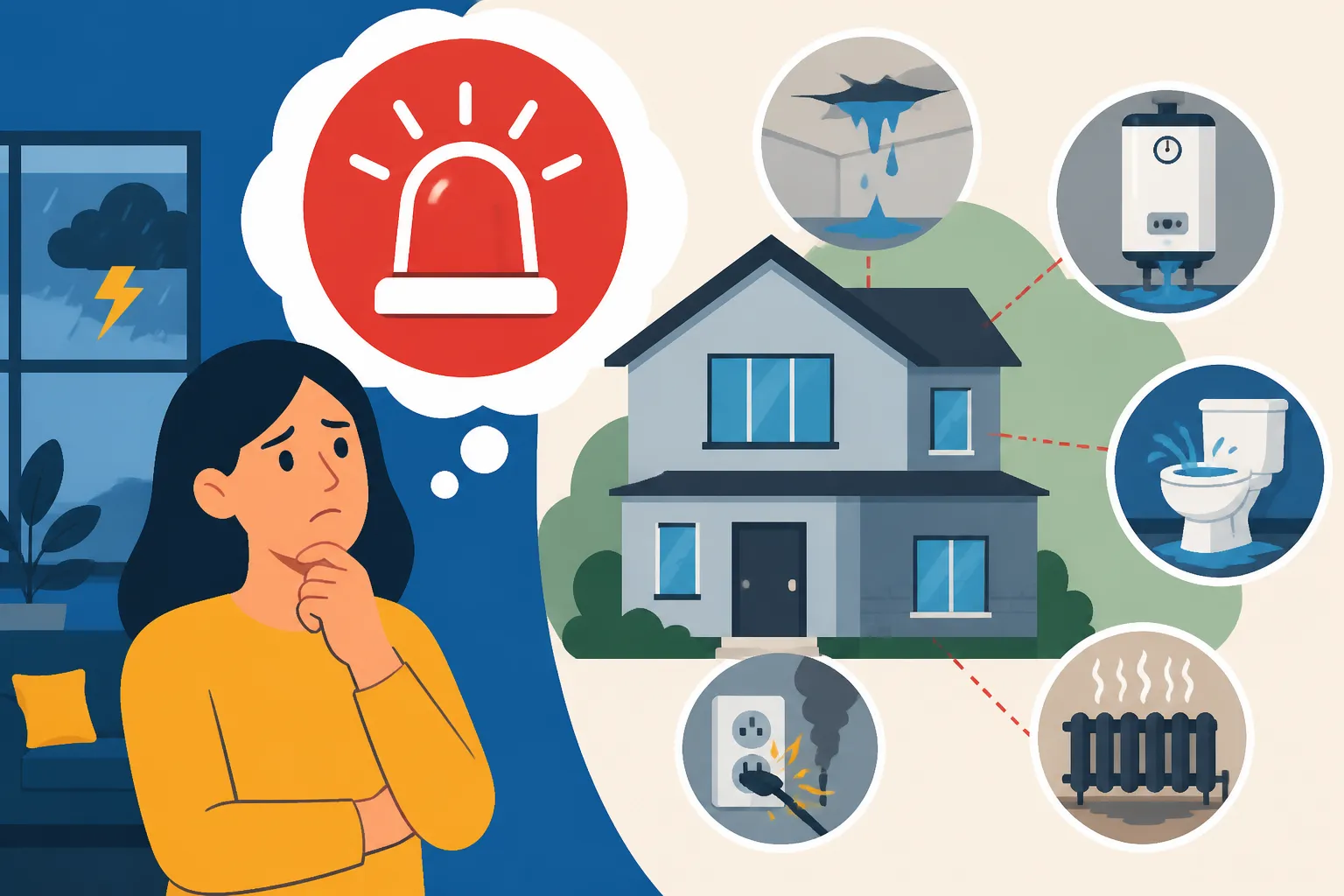
- Major Plumbing Leaks or Burst Pipes: A burst pipe isn't just a minor nuisance; it can cause extensive property damage, lead to severe mold growth, and even compromise the building's structure. If water is actively flooding your unit or a pipe has burst, this is a top-tier emergency. The landlord needs to shut off the water, repair the pipe, and address the water damage immediately. Neglecting this could result in thousands of dollars in further damage.
- No Electricity: A complete power outage, especially if not caused by the utility company (meaning it's an issue with the property's wiring), is extremely dangerous. It indicates potential electrical failures, fire hazards, or serious circuit problems. This is an immediate health and safety emergency, and landlords are expected to address it without delay.
Structural Integrity Issues
When the very bones of your home are compromised, it's an undeniable emergency.
- Roof Collapse or Severe Leaks: A roof that has collapsed or is severely leaking, allowing significant water intrusion, makes your home vulnerable to the elements and structurally unsound. This is a direct threat to safety and property. Beyond the immediate water damage, there's a risk of ceiling collapse or further structural failure.
- Damaged Walls or Ceilings: If a wall or ceiling is buckling, cracking significantly, or has a large hole that exposes the interior to weather or pests, it compromises the structural integrity and safety. For instance, a sagging ceiling could indicate a hidden water leak or structural weakness, posing a risk of collapse.
- Broken Windows or Doors: While a small crack in a window might not be an emergency, a completely shattered window or a broken exterior door that cannot be secured is. This compromises your security, exposes your home to weather, and can invite intruders. Landlords need to ensure the property is secure and protected.
Health and Safety Hazards
Some issues don't directly relate to essential services but pose immediate threats to well-being.
- Gas Leaks: This is perhaps the most dangerous emergency of all. If you smell gas, evacuate immediately, call your gas company, and then notify your landlord. A gas leak can lead to explosions or carbon monoxide poisoning. Landlords must address this with utmost urgency.
- Carbon Monoxide Leak: Similar to gas leaks, carbon monoxide is a silent killer. If your detector goes off or you suspect a leak, evacuate and call emergency services. Landlords must ensure proper installation and maintenance of carbon monoxide detectors in areas where required by law.
- Exposed Electrical Wiring: Frayed wires, sparking outlets, or any exposed live electrical components are serious fire and electrocution hazards. This demands immediate attention to prevent injury or property damage.
- Severe Pest Infestations (e.g., Bed Bugs, Rodents): While often debated, severe infestations of pests like bed bugs or rats can rise to the level of an emergency, especially if they make the property uninhabitable, pose health risks (e.g., diseases carried by rodents), or are causing structural damage. While a few ants might not be an emergency, a full-blown infestation impacting sleep, health, and property is different. This is often where proper documentation and communication, perhaps through a platform like TurboTenant, can help demonstrate the severity of the issue to a landlord.
- Blocked or Malfunctioning Sewage System: If your toilets are backing up, or sewage is overflowing into your unit, this is a major health hazard. It needs immediate attention to prevent the spread of bacteria and disease.
What Doesn't Typically Count as an Emergency
It's equally important to understand what issues, while inconvenient or frustrating, typically don't fall under the emergency repair category. Knowing this can help manage expectations and ensure you're communicating effectively with your landlord.
Minor Appliance Issues
While modern conveniences make our lives easier, their occasional malfunction usually isn't considered an emergency under landlord-tenant law.
- Broken Dishwasher: A dishwasher that stops working is certainly annoying, especially if you're used to the convenience. However, you can still wash dishes by hand. It doesn't typically affect the habitability of your home. Your landlord is obligated to fix it in a "reasonable" amount of time, but that time frame is usually longer than for, say, a gas leak.
- Malfunctioning Washer/Dryer: Similarly, if your in-unit laundry breaks down, it's a hassle. You might have to go to a laundromat or use a shared facility. This isn't a direct threat to your health or safety, nor does it make the property unlivable. The landlord will eventually need to repair or replace it, but it won't be treated as an urgent, overnight fix.
- Broken Microwave/Garbage Disposal: These are often considered amenities, not essential services. Their failure, while inconvenient, doesn't compromise the basic living standards of the property.
Cosmetic Damage and Minor Nuisances
Sometimes, issues are more about aesthetics or small annoyances rather than core habitability.
- Minor Wall Cracks or Peeling Paint: Unless these indicate a serious underlying structural problem or lead to exposed hazards (like lead paint in older homes), they are generally considered cosmetic. They don't make the home unsafe or unlivable.
- Leaky Faucet or Running Toilet: While these can waste water and add to your utility bill, a slow drip or a constantly running toilet doesn't usually constitute an emergency. They require repair, but typically fall within standard maintenance requests. You can find more details on general repair responsibilities in our guide on Landlord Repair Responsibilities (What They Must Fix).
- No Air Conditioning in Mild Weather: This is a tricky one. In scorching summer heat, a broken AC might be considered an emergency, especially for vulnerable populations (elderly, infants). However, in mild temperatures or if AC is considered an amenity rather than an essential service in your lease or local law, it might not be an emergency. States often have specific regulations regarding heating, but AC laws are less consistent. For instance, in Phoenix, Arizona, where summer temperatures regularly exceed 100 degrees, a lack of AC would be a much higher priority than in Seattle, Washington, where extreme heat waves are less common.
Non-Critical Comfort Issues
These are things that affect your comfort but not the fundamental ability to live in the unit.
- Noise from Neighbors: While frustrating and potentially disruptive to your peace and quiet, excessive noise from neighbors is usually a lease enforcement issue, not a repair emergency. Your landlord might need to address it through tenant warnings or mediation, but it's not a maintenance problem that makes your unit uninhabitable.
- Clogged Drain (Minor): A slow-draining sink or tub is a common household problem. If it's a minor clog that you can't clear with basic methods, it's a routine repair. However, if all your drains are backing up, or it's causing sewage to spill, it quickly shifts into emergency territory.
- Broken Light Fixture (Non-essential): If a single light bulb or fixture stops working in an area where other lighting is available, it's not an emergency. However, if it's the only light source in a critical area like a bathroom or kitchen, and it creates a safety hazard, it might warrant quicker attention.
Tenant and Landlord Responsibilities During Emergencies
When an emergency strikes, both you and your landlord have specific roles to play. Knowing these responsibilities can streamline the repair process and protect your rights.
Tenant's Duty to Notify Promptly
Your absolute first responsibility as a tenant is to notify your landlord immediately, clearly, and in writing (if possible, with a follow-up) about the emergency. Don't assume they know, and don't delay. The sooner they are aware, the sooner they can act.
- Immediate Communication: As soon as you discover an emergency, call your landlord or property manager directly. Many landlords provide an emergency contact number specifically for after-hours or urgent issues. Follow up with an email or text message to create a written record. For example, if a pipe bursts in your apartment in Denver, Colorado, don't wait until business hours. Call the emergency line and then send a quick email with photos or videos. This written record can be invaluable later on if there's a dispute over response times. Platforms like TurboTenant often have built-in communication tools that create these essential digital paper trails automatically.
- Detailing the Problem: Be specific about the nature of the emergency. "My toilet is broken" is less helpful than "My toilet is overflowing with raw sewage, and I've shut off the water to it as best I can." Provide photos or videos if safe to do so. This helps the landlord understand the severity and dispatch the right help.
- Preventing Further Damage: While it's your landlord's job to fix the problem, you also have a responsibility to mitigate further damage where reasonable and safe. For a burst pipe, this might mean turning off the main water valve if you know where it is and can safely access it. For a broken window, covering it with a blanket or cardboard until repairs can be made. However, never attempt a repair that could put your safety at risk.
- Cooperation: Be available and cooperative for access to the property so repairs can be made. This includes making sure pets are secured and any necessary areas are clear for workers.
Landlord's Duty to Act Promptly
Once notified of an emergency repair, your landlord has a legal obligation to respond and address the issue within a "reasonable" timeframe. What's reasonable depends heavily on the severity of the emergency and local laws, but for true emergencies, it's usually 24-72 hours.
- Prompt Response and Assessment: A responsible landlord or property manager (like those insured by Steadily) should have a system in place for emergency calls, even outside of business hours. They need to acknowledge receipt of your notification quickly and assess the situation. This might involve sending out a maintenance person or an emergency contractor.
- Timely Repairs: For health and safety emergencies, the expectation is that repairs will begin promptly. "Promptly" means within hours for something like a gas leak, or within 24-48 hours for a loss of heat or major water leak. If the landlord fails to act within the legally mandated or generally accepted "reasonable time," you might have recourse, such as the right to Repair and Deduct by State or even Withholding Rent for Repairs, though these options carry risks and should only be pursued after understanding your local laws.
- Providing Alternative Accommodations: In extreme cases where the property becomes truly uninhabitable (e.g., a major fire or flood renders the entire unit unlivable for an extended period), some leases or state laws may require the landlord to provide alternative temporary housing or abate the rent until repairs are complete. It's important to check your lease agreement and local tenant laws for specifics on this. If your renter's insurance policy, perhaps from a provider like Lemonade, includes "loss of use" coverage, it might cover temporary living expenses during such an event.
- Keeping Tenants Informed: Good communication goes both ways. Your landlord should keep you informed about the status of the repair, estimated timelines, and when to expect technicians. This helps reduce tenant stress and frustration.
Steps to Take When an Emergency Arises
Dealing with an emergency repair can be stressful, but having a clear plan of action can make all the difference. Following these steps ensures you're protecting your rights and your home.
Immediate Notification and Documentation
The moment you identify an emergency, your first priority is to get the word to your landlord and start building a record.
- Contact Immediately: Use the primary emergency contact method provided by your landlord or property management. This is usually a dedicated phone number. If you can't reach anyone, try alternative contacts listed in your lease or on their website.
- Follow Up in Writing: Even if you speak with someone over the phone, send a follow-up text message or email summarizing your call. Include the date, time, who you spoke with, and the essence of the problem. This creates an undeniable timestamped record. For example, "Hi [Landlord Name], following up on our call at 7:15 PM on 10/26 regarding the burst pipe in my bathroom. Water is still leaking from under the sink. Please advise on next steps."
- Take Photos and Videos: If it's safe to do so, document the damage with your phone. Capture the severity, the date, and any specific areas of concern. This visual evidence can be crucial if there's a dispute over what happened, when it was reported, or the extent of the damage. Ensure the timestamp feature is on your camera if possible. Our guide on How to Document Your Apartment at Move-In also offers great tips for ongoing documentation.
- Review Your Lease: Your lease agreement often contains specific clauses about emergency repairs, contact information, and procedures. Familiarize yourself with these sections. It might even outline what happens if repairs aren't made within a certain timeframe.
Following Up and Escalation
If your landlord isn't responding or acting quickly enough, you might need to escalate the situation.
- Polite Reminders: If a reasonable amount of time has passed (e.g., 24 hours for a critical issue, 48-72 for others), send another polite, written reminder. Reiterate the urgency and reference your initial communication. For instance, "Following up on my report from [date] regarding the lack of heat. Temperatures inside are now [X degrees], and this constitutes a habitability issue. What is the estimated timeline for repair?"
- Consult Local Tenant Resources: Many cities and states have tenant rights organizations, housing authorities, or legal aid services that can provide specific advice tailored to your local laws. They can often tell you the exact "reasonable time" frames in your area and what steps you can legally take.
- Formal Notice (Demand Letter): If all else fails, and your landlord remains unresponsive to a clear emergency, you might need to send a more formal letter, often called a "Notice to Repair" or "Demand Letter." This letter explicitly states the problem, references the landlord's obligations under the implied warranty of habitability, and gives a final deadline for repair before you consider further action (like repair and deduct or legal action). Our Security Deposit Demand Letter (How-To + Template) offers a good example of how to structure a formal letter. Remember, these steps should be taken with caution and only after understanding your rights and potential consequences.
Seeking Alternative Solutions (When Permitted)
In some situations, if your landlord has failed to act, tenant laws in your state may allow you to take certain measures.
- Repair and Deduct: This allows you to arrange for the repair yourself and deduct the cost from your rent. However, this is a risky strategy with strict rules. It's usually only for serious habitability issues, requires prior written notice to the landlord, and often has caps on the amount you can deduct. Check your state's specific Repair and Deduct by State laws carefully. Missteps could lead to an eviction for non-payment of rent.
- Withholding Rent: In some states, for severe habitability issues, you might be legally allowed to withhold rent or place it into an escrow account until repairs are made. This is an even riskier option than repair and deduct and should never be done without consulting legal counsel or a tenant rights expert, as improper withholding can lead to immediate eviction. Our guide on Withholding Rent & Rent Escrow provides more context.
- Breaking the Lease: In extreme cases where the property remains uninhabitable despite your landlord's failure to make emergency repairs, you might have grounds for "constructive eviction," which allows you to break your lease without penalty. This is a very high legal bar to meet and should also involve legal advice. Our guide on Breaking a Lease Due to Mold or Uninhabitable Conditions explains this further.
Legal Implications and Consequences
When emergency repairs are mishandled, there can be significant legal consequences for both tenants and landlords. Understanding these can help ensure compliance and protect your interests.
Tenant Recourse for Negligence
If a landlord fails to address a legitimate emergency repair in a timely manner, tenants are not without options. The specific recourse available depends heavily on state and local laws.
- Damages: You might be able to sue your landlord for actual damages incurred due to their negligence. For example, if your personal property was damaged by a prolonged water leak that the landlord ignored, or if you had to pay for temporary housing because your unit was uninhabitable. Your renter's insurance, such as a policy from Lemonade, might cover some of these costs, but the landlord could still be liable for their direct negligence.
- Rent Abatement: A court might order a rent abatement, meaning a reduction in your rent for the period you were living in uninhabitable conditions. This acknowledges that you weren't getting the full value of the rental agreement.
- Legal Fees and Penalties: In some jurisdictions, if you successfully sue your landlord for failing to make emergency repairs, the court might award you attorney's fees or even punitive damages, especially if the landlord's actions (or inactions) were particularly egregious or retaliatory.
- Retaliatory Eviction Defense: If you report an emergency, and your landlord tries to evict you shortly thereafter (without legitimate cause), you might have a defense of Retaliatory Eviction Defense. This protects tenants from being punished for asserting their legal rights.
Landlord Penalties for Non-Compliance
Landlords who fail to meet their obligations regarding emergency repairs can face a range of penalties, often outlined in state landlord-tenant laws.
- Fines and Citations: Local housing authorities or code enforcement agencies can issue fines or citations to landlords who violate housing codes by failing to make necessary repairs. These can accumulate, becoming a substantial financial burden.
- Liability for Damages: As mentioned, a landlord can be held financially responsible for damages to the tenant's property or for any injuries sustained due to their negligence in addressing an emergency. This is why having robust landlord insurance, such as policies provided by Steadily, is so critical for property owners.
- Loss of Rental Income: If a property becomes uninhabitable and a tenant is forced to move out, the landlord loses rental income until the property is repaired and re-rented. In some cases, if a court orders rent abatement, they effectively lose income even with a tenant still residing there.
- Legal Costs: Defending against tenant lawsuits, code enforcement actions, or eviction disputes stemming from repair issues can be very costly, regardless of the outcome.
- Reputation Damage: In today's interconnected world, a landlord's reputation can be severely damaged by negative reviews or public records of legal issues, making it harder to attract quality tenants in the future. Websites like Yelp and Google Reviews allow tenants to easily share their experiences, and negative ones regarding neglected emergencies can be particularly damaging.
Key Differences: Emergency vs Non-Emergency Repairs
To help you quickly categorize issues, here's a table summarizing the key distinctions between emergency and non-emergency repairs.
| Feature | Emergency Repair | Non-Emergency Repair |
|---|---|---|
| Impact | Threat to health, safety, or habitability | Inconvenience, cosmetic, minor disruption |
| Urgency | Immediate action required (24-72 hours) | Can wait for standard business hours or longer |
| Examples | No heat in winter, burst pipes, gas leak, severe electrical issue, structural collapse, unsecured exterior door | Broken dishwasher, leaky faucet, peeling paint, minor wall crack, noisy neighbors, non-essential light fixture |
| Legal Basis | Implied Warranty of Habitability, Housing Codes | Lease agreement terms, general maintenance |
| Tenant Recourse | Repair & deduct (strict rules), withholding rent (risky), legal action, constructive eviction | Written request, follow-up, potential negotiation, no immediate legal self-help usually |
| Landlord Obligation | Rapid response, timely repair, mitigate damage, potentially offer alternative housing | Repair within "reasonable time" (days to weeks), regular maintenance |
| Risk of Neglect | Injury, severe property damage, legal penalties, fines | Minor property damage, tenant dissatisfaction, potential lease violation (not emergency) |
Final Thoughts on Emergency Repairs
Navigating the world of landlord-tenant law, especially when an emergency strikes, can feel overwhelming. The key takeaway here is that an "emergency" isn't just about something being broken; it's about something that makes your home unsafe, unhealthy, or truly unlivable. From burst pipes in Boston to a broken furnace in Flagstaff, landlords have a fundamental duty to ensure their properties meet basic habitability standards.
As a tenant, your power lies in knowing your rights, documenting everything meticulously, and communicating clearly and persistently. Don't be afraid to assert your needs when a genuine emergency threatens your well-being or the safety of your home. By understanding the distinction between an urgent crisis and a routine repair, you can approach these situations with confidence and ensure that your home remains a safe and comfortable place to live.
Disclaimer
Please note that this guide provides general information about landlord-tenant laws and emergency repairs. Landlord-tenant laws vary significantly by state and even by city. This content is not intended as legal advice. For specific legal guidance regarding your situation, always consult with a qualified attorney or local tenant advocacy group.