Fair Housing Act: Protected Classes Explained
Federal fair housing laws prohibit discrimination in housing sales, rentals, and financing based on seven specific protected classes and characteristics.

Federal fair housing laws prohibit discrimination in housing sales, rentals, and financing based on seven specific protected classes and characteristics.

Tenant screening protects rental property investments, minimizes financial risks, and ensures legal compliance with fair housing laws for landlords.

Landlord repair obligations include fixing structural damage, maintaining working utilities, and resolving pest infestations to ensure a safe home.

The implied warranty of habitability is a legal principle ensuring rental housing meets safety standards, including working utilities and structure.
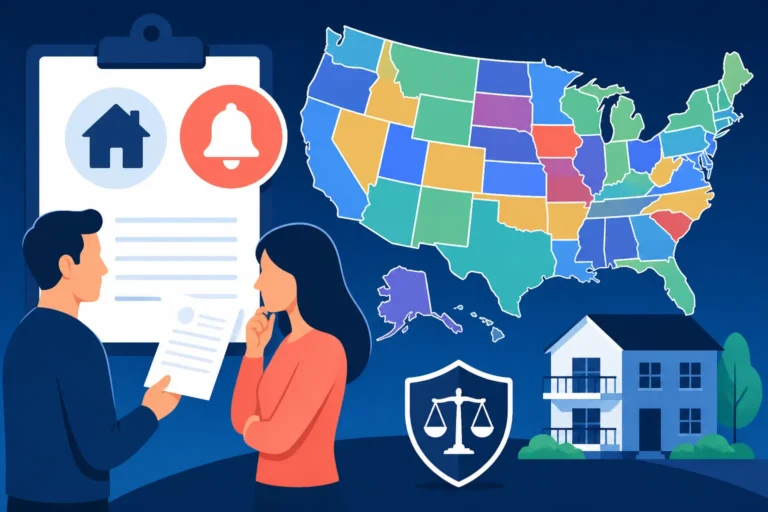
State rent increase notice periods range from one rental period to ninety days depending on the state and tenancy.

State-specific rent increase laws, vital notice periods, and tenant rights determine how much a landlord can legally raise your rent.

Tenant eviction requires understanding legal grounds, proper notice procedures, state laws, and financial risks to protect your property and rights.
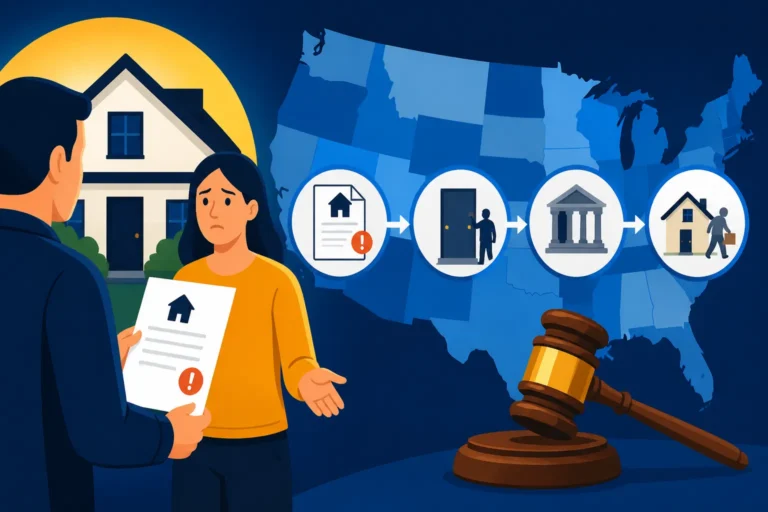
State eviction laws outline required notice periods, lease violation grounds, and court procedures for landlords and tenants across the country.
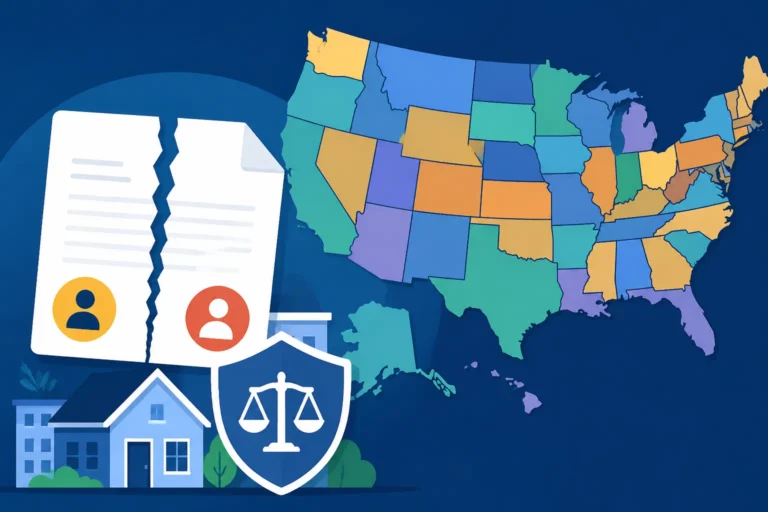
State landlord laws, early termination clauses, and legal justifications explain how tenants can break a residential lease agreement legally.

Early lease termination strategies, military protections, and negotiation techniques help tenants exit rental agreements while minimizing penalties.

State security deposit deadlines, legal time limits, tenant rights for late returns, itemized statements, and small claims court actions.

Security deposit regulations across the country dictate maximum limits, return deadlines, and permissible deductions for tenants.

Landlords legally enforce no pet policies, but federal laws provide critical exceptions for service animals and emotional support animals.

Rental laws regarding marital status vary by state, explaining federal and local regulations on landlord inquiries and tenant rights.
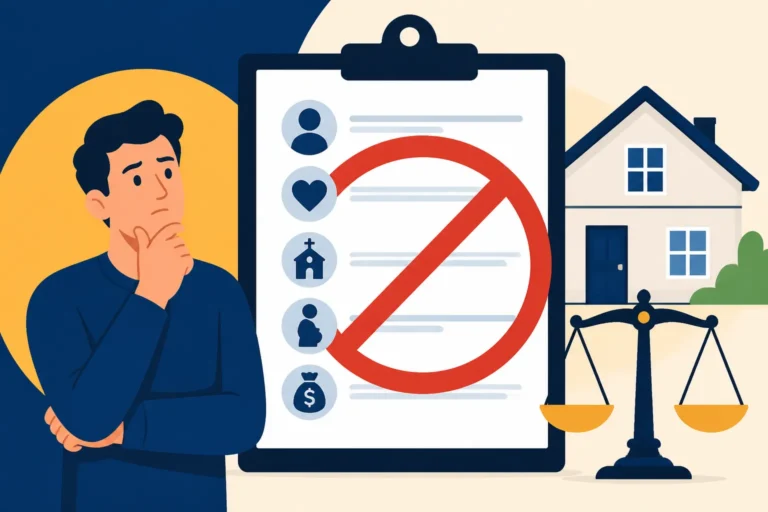
Fair Housing Laws and anti-discrimination regulations determine which questions landlords can legally ask applicants on rental applications.

Rental application strategies explain how individuals with low credit scores secure apartments using financial documents and transparent communication.

Rental application approvals sometimes face reversal due to failed background checks, false information, or property damage before lease signing.

Tenant screening reports detail credit history, eviction records, criminal background checks, rental history, and employment verification for landlords.

Rental income requirements and source of income laws determine when landlords can legally deny applicants based on earnings and vouchers.

Rental background check timeframes vary by category, with credit history and evictions typically limited to seven years and bankruptcies up to ten years.

Federal housing laws and reasonable accommodation rules explain why landlords cannot charge pet deposits for service animals or emotional support animals.

Emotional support animal notification rules under the Fair Housing Act explain tenant rights, required documentation, and landlord accommodation processes.