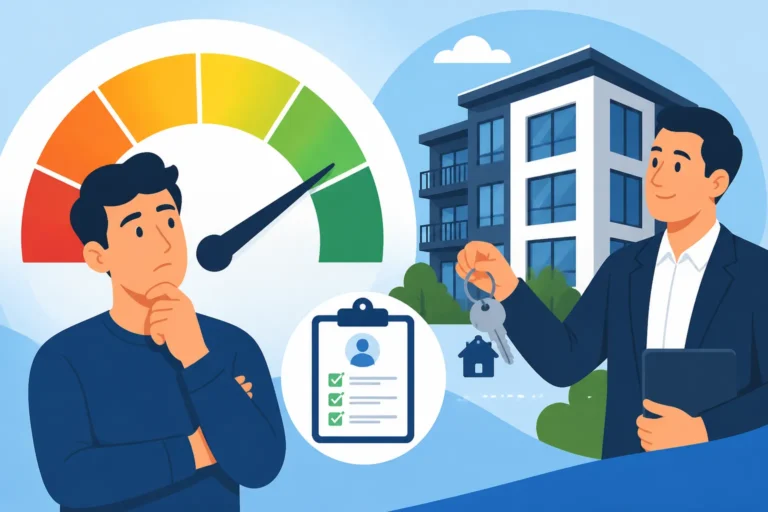
Can a Landlord Deny You for Low Income?
It’s a truly frustrating experience when you're apartment hunting, you find a place you love, you fill out the application, and then you get that dreaded notification: denied. Often, the reason cited is your income, leaving you wondering, "Can a landlord really deny me just because I don't earn enough?" It feels unfair, especially when you know you can manage the rent. This guide is here to untangle the complexities around income requirements in rental applications, helping you understand your rights and the realities of landlord screening.
Understanding Landlord Income Requirements
Navigating the rental market can feel like a minefield, especially when it comes to financial qualifications. Most landlords aren't trying to be difficult; they're running a business and need to ensure rent will be paid consistently. This is where income requirements come into play, and it's important to differentiate between general low income and discrimination based on the source of that income.
The Standard Income-to-Rent Ratio
In most places, a landlord absolutely can deny a tenant based on low income if their general income doesn't meet the established screening criteria. This isn't about discrimination; it's about financial risk. Landlords typically look for tenants whose gross monthly income is a certain multiple of the monthly rent. The most common standard you'll encounter is the "3x rent rule," meaning your income should be at least three times the monthly rent. So, if an apartment costs $1,500 per month, a landlord might require you to earn at least $4,500 per month before taxes.
This rule isn't arbitrary. It's a widely accepted benchmark that suggests a tenant can comfortably afford the rent while still covering other living expenses like utilities, groceries, and transportation. For many landlords, especially those managing multiple properties or using professional property management software like TurboTenant, this income threshold is a non-negotiable part of their screening process. It’s their way of trying to avoid future issues with nonpayment. You can learn more about this common practice in our detailed guide on The 3x Rent Rule Explained.
Why Landlords Set Income Thresholds
Think about it from a landlord's perspective: an empty unit costs them money, and an eviction is a lengthy, expensive, and emotionally draining process. By setting clear income requirements, they're trying to minimize the chances of a tenant falling behind on rent. It's not personal; it's a business decision. They're assessing the likelihood of you being able to fulfill your contractual obligation to pay rent on time, every month.
These income thresholds are often put in place to reduce financial risk and ensure the stability of their rental income. While it might feel like an obstacle when you're on a tighter budget, these criteria are usually applied uniformly to all applicants, which is actually a key component of non-discriminatory practices. It’s challenging for tenants who might have variable income or are just starting out, but it’s a standard practice in the industry.
Fair Housing Laws and Source of Income Protection
While landlords generally can deny you for not meeting their overall income requirements, there's a critical distinction to be made when it comes to the source of your income. This is where fair housing laws, particularly at the state and local levels, can offer tenants significant protections.
Federal vs. State and Local Protections
The federal Fair Housing Act protects individuals from discrimination based on race, color, national origin, religion, sex (including sexual orientation and gender identity), familial status, and disability. Notice what's not explicitly on that list: income level itself. So, a landlord denying an applicant because they only earn 2x the rent (rather than 3x) is generally permissible under federal law, provided that rule is applied consistently to all applicants.
However, many states and cities have enacted their own fair housing laws that go above and beyond federal protections. A growing number of these jurisdictions include "source of income" as a protected class. This means a landlord cannot refuse to rent to you simply because your income comes from a specific legal source, such as Section 8 housing vouchers, Social Security benefits, disability payments, child support, or veteran's benefits. If you're wondering, "Can a Landlord Refuse Section 8?", the answer depends entirely on your location.
For example, in states like California, New York, Washington, Oregon, and New Jersey, discriminating against a tenant because of their source of income is illegal. Cities like Washington D.C., Seattle, Chicago, and San Francisco also have robust source of income protections. This is a huge win for many renters, as it ensures that landlords must consider all legitimate forms of income equally when assessing an applicant's ability to pay rent. Our comprehensive guide on Source-of-Income Discrimination & Section 8 by State dives much deeper into these specific protections.
Applying Source of Income Protections
When source of income is a protected class, it doesn't mean a landlord has to lower their overall income requirements. Instead, it means they have to count all legal sources of income towards those requirements. For instance, if a landlord requires an income of $4,500 per month, and your income is a combination of part-time wages and a Section 8 voucher that covers a portion of the rent, the landlord must consider both components. They can't just disregard the voucher or social security payments.
The landlord must treat your Section 8 voucher or other government assistance as legitimate income toward meeting their rent-to-income ratio. If your combined verified income (including housing assistance) meets their stated, non-discriminatory income threshold, they cannot deny you solely because a portion of that income comes from a program or benefit. This is designed to open up housing opportunities for individuals and families who rely on such assistance.
What to Do If You're Denied Because of Income
Receiving a rental denial can be disheartening, but understanding your rights and the steps you can take is crucial. If you suspect your denial was unlawful, especially due to source of income discrimination where it's protected, you have options.
Request an Adverse Action Notice
If a landlord uses information from a consumer report (like a credit check or background check, often facilitated by services like TurboTenant) to deny your application, they are legally required to provide you with an "Adverse Action Notice." This notice should explain why your application was denied and provide you with information on the consumer reporting agency they used. This is a critical document, as it gives you insight into the specific reasons for the denial.
Don't be shy about asking for this in writing if it's not provided automatically. It's your right under the Fair Credit Reporting Act (FCRA). For a full breakdown, check out our article on Adverse Action Notices & the FCRA. Even if the stated reason is "insufficient income," this notice confirms the formal reason and can be a starting point if you need to dispute it later.
Review and Dispute the Denial
Once you have the specific reason for denial, review it carefully. Did the landlord correctly calculate your income? Did they consider all your legal sources of income if you live in a jurisdiction with source-of-income protections? Sometimes, it could be a simple mistake, or a misunderstanding of how certain income types are counted.
If you believe the denial was unfair or discriminatory, especially concerning your source of income, gather all your documentation. This includes proof of all income sources, your application, and any communication with the landlord. You might consider writing a formal letter to the landlord disputing the denial, outlining why you believe it was incorrect or unlawful. For more general advice on what to do after a denial, read Denied for an Apartment: What to Do.
Seek Assistance from Fair Housing Organizations
If you suspect you've been a victim of discrimination, don't try to navigate it alone. Contact a local fair housing organization or legal aid society. These organizations are specifically equipped to handle housing discrimination complaints. They can offer advice, mediate with the landlord on your behalf, or even help you file a formal complaint with the Department of Housing and Urban Development (HUD) or a state fair housing agency.
They often have attorneys who specialize in tenant rights and discrimination cases, and they can help you understand the nuances of Fair Housing Act: Protected Classes Explained in your specific area. They know the laws inside and out and can tell you if your situation warrants further action.
Navigating the Rental Market with Lower Income
While challenging, securing a rental with a lower income is absolutely possible. It often requires a bit more preparation and creativity on your part.
Demonstrating Financial Reliability
Even if your income is on the lower side of what landlords typically prefer, you can still strengthen your application by demonstrating overall financial responsibility. This means:
- Excellent Rental History: Provide references from previous landlords who can attest to your reliability in paying rent on time and maintaining the property. This is one of the most important things What Do Landlords Look for in a Tenant?
- Strong Credit Score: A good credit score indicates you manage your finances well and pay bills promptly. While not directly tied to income, it speaks volumes about your financial habits. For more on this, see What Credit Score Do You Need to Rent?.
- Savings and Reserves: If you have a solid savings account, it can sometimes reassure a landlord that you have a buffer in case of unexpected financial hurdles.
Utilizing Cosigners or Guarantors
If your income alone doesn't meet the landlord's criteria, but you have a family member or trusted friend with a strong financial standing, a cosigner or guarantor might be an option. A cosigner legally agrees to be responsible for the rent if you fail to pay. This can significantly reduce the landlord's risk and make your application much more appealing.
However, be aware that not all landlords accept cosigners, and some have strict requirements for them. Ensure both you and your potential cosigner fully understand the legal obligations involved before pursuing this path.
Exploring Housing Assistance Programs and Alternatives
For many, housing assistance programs like Section 8 vouchers are a lifeline. As discussed, if you're in a jurisdiction with source of income protection, landlords cannot discriminate against you for using these. Actively seek out properties that explicitly state they accept housing vouchers. These landlords are already familiar with the process and often cater to tenants using these programs.
Additionally, some areas are seeing the rise of security deposit alternatives, such as surety bonds offered by companies like Rhino or Jetty. While these don't reduce your monthly rent, they can lower the upfront costs of moving, which can be a significant barrier for those with limited income. You can learn more about these options in Security Deposit Alternatives (Rhino, Jetty, Surety Bonds).
By understanding landlord criteria, knowing your rights, and proactively addressing potential concerns, you can increase your chances of securing a great place to live, regardless of your income level.
Summary of Income-Related Denials
| Factor | Legally Allowable for Landlords? (Generally) | Caveats/Protections for Tenants |
|---|---|---|
| Insufficient Income (General) | Yes | Must be applied consistently; not tied to protected class. |
| Source of Income | Depends on jurisdiction | Federally not protected; many states/cities do protect. |
| Credit Score | Yes | Must be applied consistently, Adverse Action Notice required. |
| Rental History | Yes | Must be applied consistently. |
This table provides a quick overview, but remember that landlord-tenant laws are incredibly specific to your location, so always check your local and state regulations.
Disclaimer
This article is for general informational purposes only and does not constitute professional advice. Laws and regulations vary by location and change over time. Consult a qualified professional for guidance on your specific situation.