How Do I Get an Eviction Off My Record?
Tenant screening records and court filings can be addressed through legal options like expungement, sealing, vacating judgments, or direct negotiation.
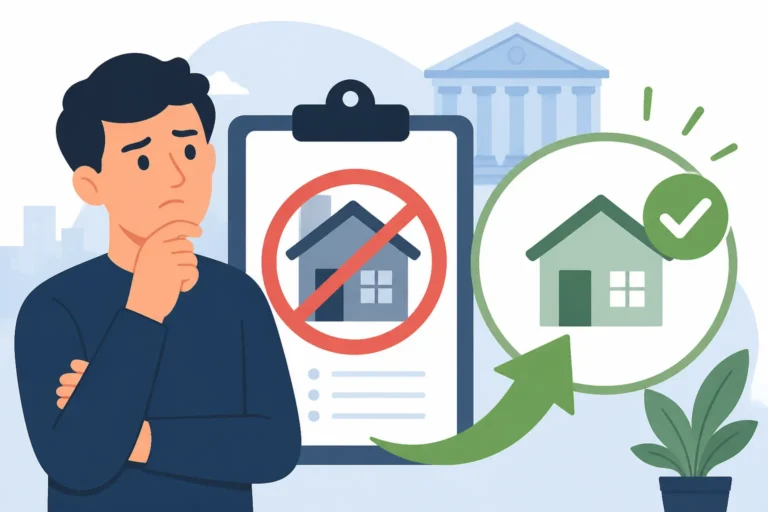
Tenant screening records and court filings can be addressed through legal options like expungement, sealing, vacating judgments, or direct negotiation.
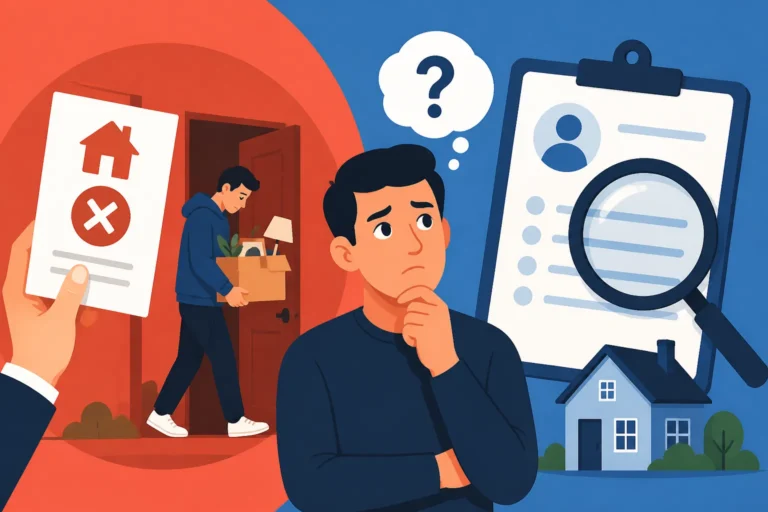
An eviction record is created when a landlord files a formal lawsuit in court, which appears on specialized screening reports used by future landlords.

No-cause eviction notice requirements detail how many days landlords must give tenants to vacate month-to-month tenancies or leases by state.
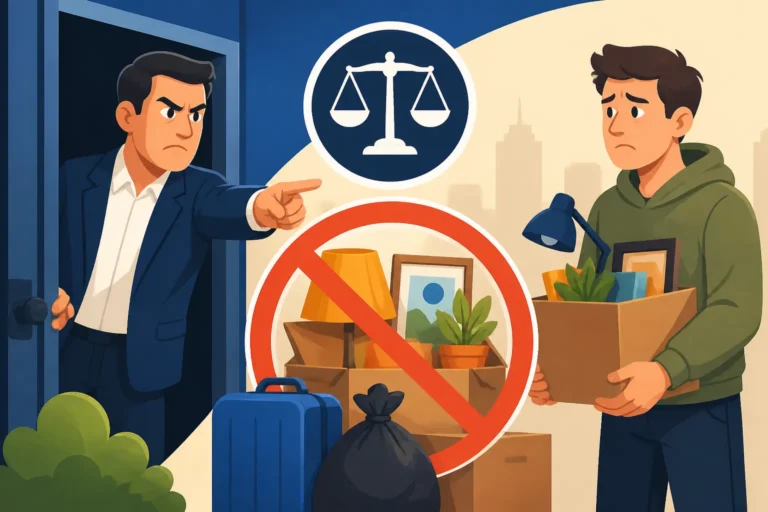
Tenant property rights and state laws explain when landlords can legally remove, store, sell, or dispose of abandoned belongings.
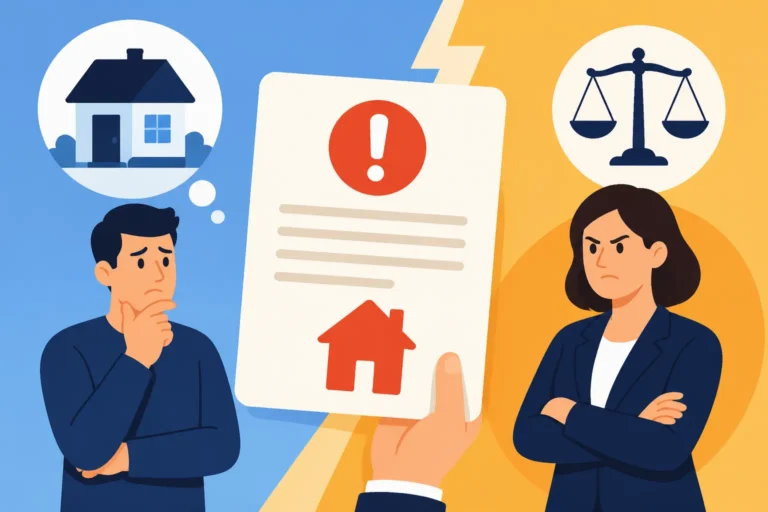
A pay or quit notice provides tenants with a formal deadline to pay overdue rent or vacate the residential rental property.
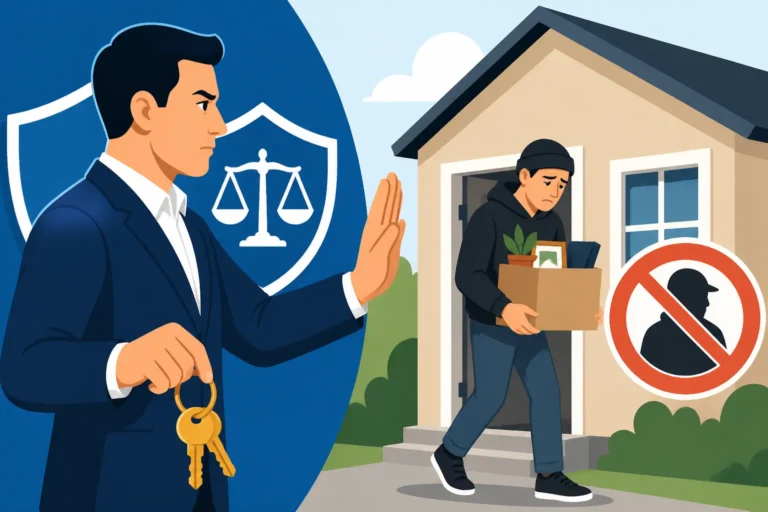
Property ownership rights and state laws determine how property owners can legally remove unauthorized occupants from their land.
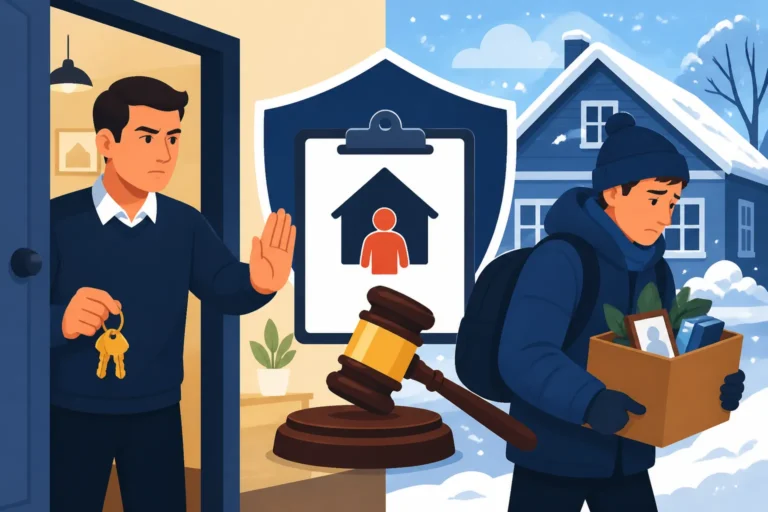
Winter eviction laws depend heavily on local regulations, court timelines, and specific state rules affecting rental properties.
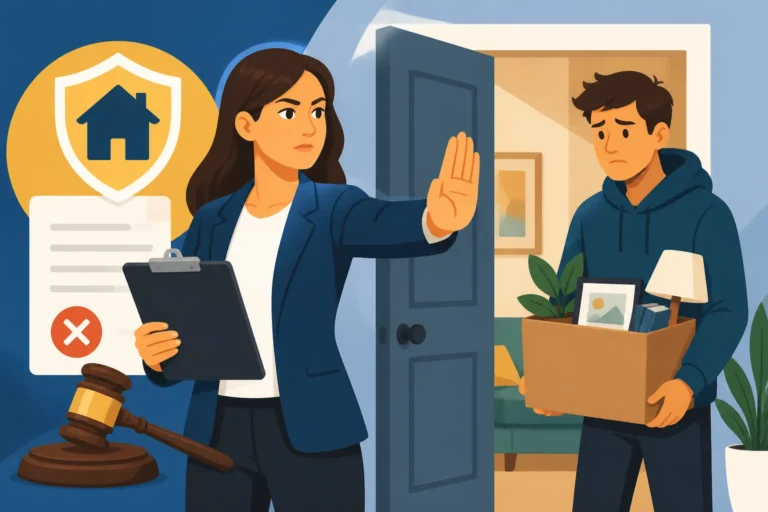
Roommate eviction requires understanding legal statuses, determining valid grounds, serving proper notice, and following state procedures.

An illegal landlord lockout explanation detailing tenant rights, court order requirements, police involvement, and legal actions to regain home access.

An eviction court hearing overview details the legal process, required evidence preparation, courtroom procedures, and potential case outcomes.