Will an Eviction Show Up on My Record?
The worry of an eviction showing up on your permanent record is a real and terrifying prospect for many renters. It’s a situation that can feel overwhelming, making you question your future housing options and even your ability to move forward. This guide is here to shed light on how evictions impact your tenant record, what it means for your future, and most importantly, what steps you can take to understand and potentially mitigate the consequences.
The Reality of an Eviction Record
Let's be clear: an eviction isn't just a landlord-tenant dispute that fades away. If a landlord initiates a formal eviction lawsuit against you and it proceeds through the court system, that legal action becomes a public record. This isn't some secret blacklist; it's right there in court dockets, accessible to anyone who knows where to look. When a landlord files an "unlawful detainer" or similar eviction lawsuit, that's the moment it starts to become part of your public history, even if the case is later dismissed or settled. It's a heavy burden, and understanding its nature is the first step toward dealing with it.
What Constitutes an Eviction on Your Record?
Many people mistakenly believe that just receiving a "Pay or Quit" notice or having a landlord threaten eviction means they have an eviction on their record. That's a common misconception, and it's vital to differentiate between an eviction notice and an actual eviction record. An eviction only truly makes it onto your public record when the landlord files a lawsuit in court. This formal legal action is what tenant screening companies pull.
Think of it this way: a landlord sending you a letter because you're late on rent is like getting a warning ticket. It's not great, but it doesn't go on your driving record. However, if they escalate that to a court filing to remove you from the property, that's when it becomes a formal mark against you. Even if you ultimately move out before a judge makes a ruling, the filing itself can still show up. This is a critical distinction that often catches tenants off guard. To learn more about the initial steps landlords take, you can read about Eviction Notice Types (Pay or Quit, Cure or Quit, Unconditional).
Where Does This "Record" Live?
An eviction record primarily resides in the public court system. When a landlord files an eviction lawsuit, it creates a civil court record. These records are then compiled and made accessible by various tenant screening services that landlords use when evaluating new applicants. These companies act as aggregators, pulling data from county courts across the country.
While it won't typically appear on your credit report (unless the landlord also reports unpaid rent or damages to credit bureaus, which is a separate process), it will appear on specialized tenant screening reports. These reports are what future landlords rely on heavily to assess risk. Major tenant screening companies like TransUnion SmartMove or RentPrep integrate this data directly into their reports, making it readily visible to prospective landlords. Some landlords even use comprehensive property management software like DoorLoop, which often includes robust tenant screening features that scan these very public records.
How an Eviction Case Creates a Public Record
The journey from a late rent payment to a black mark on your tenant record is a process dictated by state and local laws. It's not instantaneous, and understanding the steps involved can empower you to act, or at least prepare.
The Landlord's Initiating Action
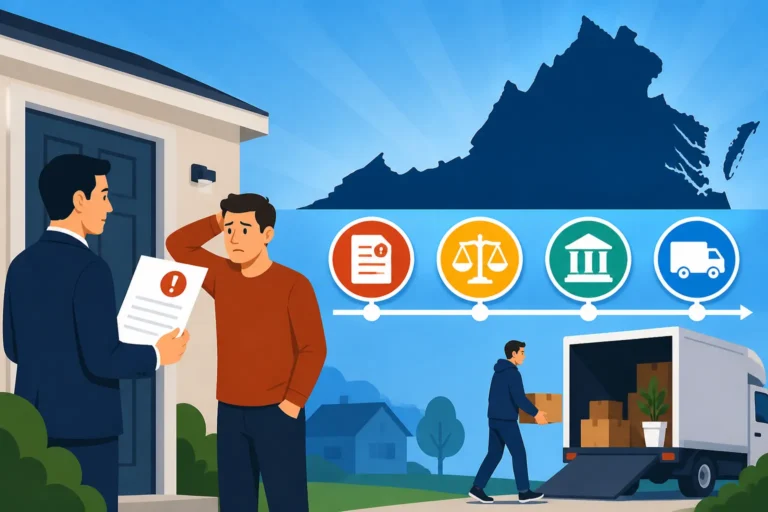
An eviction record begins when a landlord feels they have no other choice but to seek legal intervention to regain possession of their property. This usually starts with a formal written notice, such as a "Notice to Pay Rent or Quit" for non-payment, or a "Notice to Cure or Quit" for a lease violation. If the tenant doesn't comply with the notice within the specified timeframe (which varies by state, often 3-30 days), the landlord can then file an eviction lawsuit, also known as an "unlawful detainer" action, in court.
This court filing is the critical juncture. Once the landlord files the paperwork with the civil court (e.g., Superior Court in California, Justice Court in Texas), a case number is assigned, and the tenant is typically served with a summons and complaint. Even if the case is eventually settled or dismissed, the fact that it was filed is now a public court record. This is why it's so important to address issues before they escalate to this stage.
The Court Process and Its Impact
Once an eviction lawsuit is filed, it proceeds through the courts. The tenant has a limited time to respond, usually 5-7 days in many states. If they don't respond, the landlord can win a default judgment. If the tenant does respond, a court hearing will be scheduled. During this hearing, a judge will listen to both sides and make a ruling. If the judge rules in favor of the landlord, they will issue a "Writ of Possession," which legally authorizes the sheriff to remove the tenant from the property. You can learn more about this by reading The Writ of Possession & Sheriff Removal.
Regardless of the outcome (default judgment, settlement, or a ruling after a hearing), the court records detailing this process become public. It's this public record that tenant screening companies access. Even if you move out voluntarily before a sheriff arrives, the court filing itself is still visible. Some states, like California, have specific laws regarding how long an unlawful detainer judgment remains visible, or under what conditions it can be "sealed" or "expunged." However, in most places, these records can linger for years, sometimes up to seven years, making it incredibly challenging to find new housing.
The Far-Reaching Consequences of an Eviction Record
Having an eviction on your record isn't just an inconvenience; it can severely limit your housing options and even affect other areas of your life. It's a stark reality that many tenants face, and it's worth understanding the full scope of what you might encounter.
Difficulty Securing New Housing
This is, by far, the most immediate and impactful consequence. Landlords are in the business of mitigating risk, and an eviction record signals a high-risk tenant to many. When you apply for a new apartment, landlords almost universally run tenant screening reports. These reports will highlight any eviction filings, often regardless of the outcome. A landlord seeing an eviction on your record, even if it was settled, might automatically deny your application.
Imagine you're searching for a new place in a competitive market like Austin, Texas, or Portland, Oregon. Landlords often have multiple qualified applicants for each unit. If your application comes back with an eviction record, they'll likely move on to the next applicant who presents a cleaner rental history. They might worry about future legal costs, potential property damage, or unpaid rent. It creates a significant hurdle, often forcing individuals into less ideal housing situations or requiring a co-signer, which isn't always an option. If you're wondering if a landlord can deny you, check out Can a Landlord Deny You for an Eviction?.
Impact on Credit and Other Background Checks
While an eviction itself doesn't directly impact your credit score (unless unpaid balances were sent to collections), the circumstances leading to it often do. For example, if you were evicted for non-payment of rent and the landlord obtained a judgment for past-due rent, that judgment could appear on your credit report. Furthermore, many employers, especially those in financial or sensitive roles, conduct background checks that might include public court records. An eviction could raise red flags, though its direct impact on employment is less common than on housing.
It's also worth noting that some tenant screening services are more comprehensive than others. They might pull not only eviction filings but also any other civil judgments against you. This creates a broader picture of financial responsibility that can be problematic for future housing and potentially other areas.
The Emotional and Financial Toll
Beyond the practical difficulties, an eviction record can take a heavy emotional and financial toll. The stress of constantly being denied housing, the feeling of being judged, and the potential need to settle for substandard living conditions can be incredibly demoralizing. Financially, you might find yourself having to pay higher security deposits (where legal) or even be forced to look for rooms for rent rather than full apartments, often with less formal agreements that offer fewer tenant protections. The legal fees, even if you win your case, can be substantial, adding another layer of financial strain during an already difficult time.
Navigating the Aftermath: Strategies and Options
Finding yourself with an eviction record can feel like a dead end, but it doesn't have to be. There are strategies and legal avenues you can explore to mitigate its impact and work towards a fresh start. It requires proactive effort, understanding your rights, and often, a lot of persistence.
Fighting the Eviction in Court
The best defense is often a good offense. If you receive an eviction notice and believe it's unjust or incorrect, it's crucial to seek legal advice immediately. Do not ignore the notice or the subsequent court summons. Many tenants mistakenly think that ignoring the process will make it go away, but it almost always leads to a default judgment against them, making the eviction a firm part of their record.
There are legitimate defenses to an eviction, such as improper notice, landlord retaliation, or uninhabitable living conditions. Engaging in the legal process, even if it seems daunting, can sometimes prevent the eviction from being finalized or result in a settlement that avoids a full judgment on your record. If you are facing an eviction, resources are available on How to Stop or Fight an Eviction (Tenant Guide) and How to Answer an Eviction Lawsuit. Many legal aid societies or tenant rights organizations offer free or low-cost assistance.
Understanding Eviction Record Expungement
While not available in all states or for all types of evictions, some jurisdictions offer pathways to having an eviction record expunged or sealed. This means the record would no longer be publicly accessible to tenant screening companies. For example, in California, an unlawful detainer case can sometimes be sealed if the tenant wins the case or if the case is dismissed within 60 days of filing. Other states have different rules, often requiring a certain period of time to pass or specific conditions to be met.
Expungement is not a given and usually requires filing a petition with the court. It’s a legal process that often benefits from the guidance of an attorney. If successful, it can significantly improve your chances of securing new housing. Exploring Evictions on Your Record & Expungement can provide more detailed, state-specific information.
Being Proactive with Future Landlords
Even if expungement isn't an option, honesty and transparency can go a long way. When applying for new rentals, it's often better to address the eviction record head-on rather than hoping the landlord won't find it. In your application letter or during your initial conversation, briefly explain the circumstances surrounding the eviction. Take responsibility, if appropriate, and highlight any steps you've taken to prevent a recurrence.
For instance, you might explain: "I understand a past eviction from 2022 due to job loss might appear on my record. Since then, I've secured stable employment and have a strong savings buffer. I'm happy to provide additional references or a larger security deposit (if legal and necessary) to demonstrate my commitment as a responsible tenant." Offering solutions, like a co-signer or paying several months' rent upfront (if financially feasible and allowed by law), can also make your application more appealing. You can even use resources like LawDepot to draft a clear, professional explanation letter.
Focusing on Alternatives and Negotiations
In situations where a traditional rental is proving difficult, consider alternative housing options. Some smaller, independent landlords might be more willing to listen to your story than large property management companies. Renting a room in a shared house, or even seeking out "no-credit-check" apartments (though these often come with their own risks and higher costs), could be temporary solutions.
Negotiating with your current or previous landlord, if possible, can also be beneficial. Sometimes, a landlord might be willing to settle an eviction case if you agree to move out quickly and pay a portion of the owed rent. This could lead to a dismissal of the lawsuit, which is much better than a judgment against you. Even after an eviction, you might be able to negotiate a payment plan for any outstanding balances, preventing them from being sent to collections and appearing on your credit report.
Here's a quick overview of how court action impacts your record:
| Action Taken by Landlord | Will it Appear on Tenant Record? | Notes |
|---|---|---|
| Informal Discussions | No | No formal record created. |
| Written Eviction Notice | No | A warning, not a court filing. |
| Eviction Lawsuit Filed | Yes (as a court record) | Crucial point: This is where it becomes public. |
| Case Dismissed/Settled | Yes (filing still visible) | The filing is still public, though outcome may be noted. |
| Default Judgment | Yes (full judgment) | Tenant did not respond to suit, landlord wins automatically. |
| Judgment for Landlord | Yes (full judgment) | Court ruled in landlord's favor. |
| Judgment for Tenant | Yes (filing, but favorable outcome) | Filing is there, but outcome shows tenant won. May be eligible for expungement. |
Taking the time to understand your options, whether it's legal action to expunge a record or a thoughtful conversation with a new landlord, is key to moving past this challenge. It might be a tougher road, but it's certainly not impassable.
Disclaimer
This article is for general informational purposes only and does not constitute professional advice. Laws and regulations vary by location and change over time. Consult a qualified professional for guidance on your specific situation.