How to Stop or Fight an Eviction (Tenant Guide)
That sinking feeling when an eviction notice lands on your doorstep can be utterly terrifying. It’s a moment that can make you feel completely powerless, like your home is being snatched away and there's nothing you can do about it. But here's the truth: you're not always helpless. Many tenants have valid defenses against eviction, and understanding your rights and the legal process can make all the difference. This comprehensive guide is here to help you navigate the intimidating world of eviction, empowering you with the knowledge and actionable steps you need to stop or fight an eviction notice.
Understanding the Eviction Process: Not Always a Straight Line
Before you can fight an eviction, you need to understand the beast itself. The eviction process isn't a quick, simple procedure where your landlord can just tell you to leave. It's a legal process with specific steps and timelines that landlords must follow. Any misstep on their part could be your strongest defense.
The Notice to Vacate: Your First Warning Shot
When a landlord decides to evict you, the very first official step is typically to serve you with a formal written eviction notice, sometimes called a "Notice to Vacate" or "Notice to Quit." This isn't an eviction itself; it's a warning and a demand. Ignoring it is the worst thing you can do.
These notices come in different flavors, depending on why your landlord wants you out. A common one is a "Notice to Pay Rent or Quit," which gives you a specific number of days (often 3 to 5, depending on the state) to either pay the overdue rent or move out. Then there's the "Notice to Cure or Quit," which addresses a lease violation, like having an unauthorized pet or excessive noise. It gives you time to fix the problem or leave. Finally, an "Unconditional Quit Notice" demands you move out without any chance to fix the issue, usually reserved for severe or repeat lease violations, or illegal activity. Understanding what kind of notice you received is critical, as it dictates your next steps and deadlines. You can learn more about these specific documents in our guide on Eviction Notice Types (Pay or Quit, Cure or Quit, Unconditional). Each notice typically specifies the reason for the eviction, the amount of money owed (if applicable), and the deadline by which you must comply or move out. Pay close attention to these details because any errors on the landlord's part could invalidate the notice entirely.
Filing an Eviction Lawsuit: The Court's Involvement
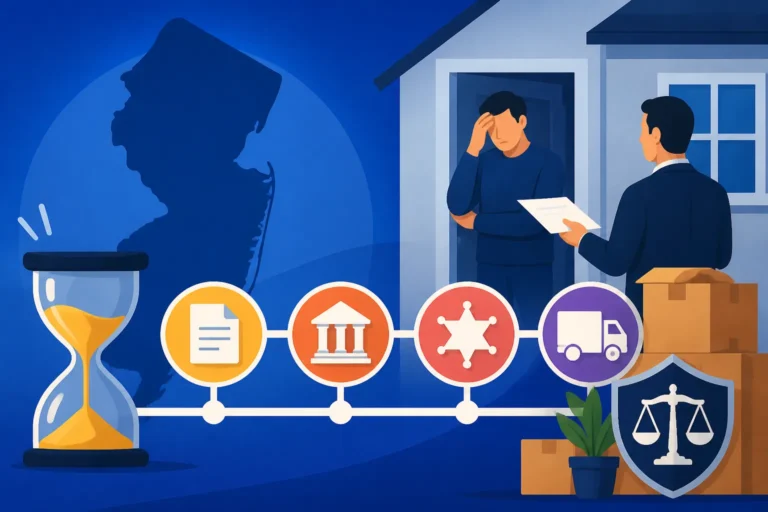
If you don't comply with the notice (either by paying rent, fixing the violation, or moving out) by the specified deadline, your landlord's next step is to initiate a formal eviction lawsuit in court. This is where things get serious, as it moves from a landlord-tenant dispute to a legal proceeding. In many states, this type of lawsuit is known as an "unlawful detainer" action.
You'll receive a summons and a complaint (or petition) from the court. This is a very important document that tells you the landlord is suing you to regain possession of the property and, often, for any unpaid rent and damages. The summons will typically include a deadline by which you must file a written response, known as an "answer," with the court. Missing this deadline can result in a default judgment against you, meaning you lose the case automatically without even getting a chance to present your side. This is why understanding What Is an Unlawful Detainer? is crucial, and why responding promptly to court papers is non-negotiable. Many tenants make the mistake of thinking if they don't respond, the problem will go away, but it will only escalate.
The Court Hearing and Judgment: Your Day in Court
If you file an answer, the court will schedule a hearing. This is your opportunity to present your side of the story, explain your defenses, and show any evidence you've collected. This hearing is often quick, sometimes lasting only 10-15 minutes, so being prepared and concise is paramount. A judge will listen to both sides and then make a decision, known as a judgment.
If the judge rules in favor of the landlord, they will issue an order for eviction and often a monetary judgment for unpaid rent, late fees, and sometimes even the landlord's legal costs. This judgment means you will have to move out. If the judge rules in your favor, the eviction is dismissed, and you get to stay in your home. However, even if you win, the relationship with your landlord might be strained, and it's something to consider for the future. Attending this hearing, regardless of how daunting it feels, is absolutely vital. It’s your last chance to legally defend your tenancy.
Common Legal Defenses Against Eviction
Feeling overwhelmed? Don't be. Many tenants successfully fight evictions by identifying common legal flaws in their landlord's case or by asserting their own rights. Knowing these defenses can equip you to challenge an eviction notice effectively.
Improper Eviction Notice or Procedure
One of the most common and effective defenses against an eviction is proving that your landlord made a mistake in the eviction notice itself or failed to follow proper legal procedures. Landlord-tenant laws are strict, and even minor errors can sometimes get an eviction case dismissed.
For example, did your landlord give you the wrong amount of time to pay rent or fix a violation? Many states require a specific number of days, like a "3-day notice to pay or quit." If your notice only gave you two days, it might be invalid. Was the notice delivered correctly? Depending on the state and local laws, notices often need to be "personally served" or sent via certified mail, not just slipped under your door or sent via a casual text message. In a place like Portland, Oregon, there are very specific rules about notice delivery and content, especially for no-cause evictions. If the notice misstates the amount of rent owed, or if it doesn't clearly articulate the lease violation, these could also be grounds for dismissal. It's critical to compare the notice you received against your state's specific Eviction Notice Types (Pay or Quit, Cure or Quit, Unconditional) requirements and how to serve them correctly, as outlined in guides like How to Serve an Eviction Notice Correctly. Landlords often use templates from resources like LawDepot, but even then, human error can occur in filling them out or serving them.
Retaliatory Eviction
Imagine you just reported a serious plumbing issue or complained about your landlord not providing heat in the winter, and suddenly, you get an eviction notice. This could very well be a retaliatory eviction, which is illegal in most places.
A retaliatory eviction occurs when a landlord tries to evict a tenant in response to the tenant exercising their legal rights. These rights include things like complaining to a housing authority about unsafe conditions, requesting necessary repairs, joining a tenant's union, or even simply complaining about a perceived breach of the lease. Most states have laws that protect tenants from such retaliation. To prove this defense, you'll need evidence of your protected activity (e.g., copies of repair requests, emails to housing authorities) and the timing of the eviction notice relative to that activity. For instance, if you sent an email detailing a rodent infestation on March 1st, and then received an eviction notice on March 10th, that timeline strengthens your argument. It's often presumed to be retaliatory if the eviction notice comes within a certain timeframe (e.g., 90 or 180 days) of your protected action. Dive deeper into this topic with our article on Retaliatory Eviction Defense.
Uninhabitable Living Conditions (Warranty of Habitability)
Tenants have a right to live in a safe and livable home. This is called the "implied warranty of habitability," and it's a fundamental tenant right in virtually every state. If your landlord has failed to maintain the property to a safe and livable standard, and you've properly notified them but they've done nothing, you might have a strong defense.
What counts as uninhabitable? Think serious issues: no running water, no heat in winter, severe mold infestations, structural hazards, unaddressed pest infestations (like bedbugs or rodents), or electrical problems. Minor issues like a leaky faucet or a broken cabinet door usually don't rise to this level. To use this as a defense, you typically need to show that: 1) the conditions are genuinely serious, impacting your health or safety; 2) you notified your landlord in writing about the problem(s) and gave them a reasonable amount of time to fix them; and 3) they failed to make the repairs. It's crucial to have a clear paper trail of your communication and evidence of the conditions (photos, videos, inspector reports). Our guide on the Implied Warranty of Habitability Explained goes into great detail, and if you've considered drastic measures like Withholding Rent for Repairs, you'll understand the importance of following the legal steps to avoid strengthening the landlord's case.
Discrimination
The Fair Housing Act is a federal law that prohibits discrimination in housing based on race, color, national origin, religion, sex (including gender identity and sexual orientation), familial status (having children), and disability. Many states and cities also have additional protected classes, such as age, marital status, or source of income.
If you believe your landlord is trying to evict you because of your membership in a protected class, or because you requested a "reasonable accommodation" for a disability (like allowing a service animal), you might have a discrimination defense. For example, if your landlord suddenly started eviction proceedings after learning you became pregnant or had a service animal, that could be discriminatory. This is a complex area of law, and proving discrimination can be challenging, often requiring careful documentation and sometimes the assistance of a fair housing advocate or attorney. It's a serious accusation, so you need to gather strong evidence. Understanding the specifics of the Fair Housing Act: Protected Classes Explained is vital if you suspect this is the basis of your eviction.
Payment or Agreement Issues
Sometimes, an eviction stems from a misunderstanding or dispute over rent payment. If your landlord claims you haven't paid rent, but you actually have, or there was an agreement regarding payment, these can serve as powerful defenses.
This defense typically comes into play when a landlord issues a "Notice to Pay Rent or Quit." If you have bank statements, receipts, or canceled checks proving you paid the rent in full and on time, that's usually an open-and-shut case. What if your landlord accepted a partial rent payment after sending an eviction notice? In some states, accepting partial payment can nullify the eviction notice, requiring the landlord to start the process over. This is a subtle but important point that many landlords overlook. Or perhaps you had a verbal or written agreement with your landlord for a payment plan, which they are now ignoring. Having that agreement in writing, or even text messages confirming it, can be critical evidence. Documentation is key here: keep meticulous records of all rent payments and any communication about rent. Our article on Eviction for Nonpayment of Rent highlights the nuances of these situations.
What to Do Immediately After Receiving an Eviction Notice
Receiving an eviction notice can feel like a punch to the gut, but your immediate reaction is crucial. Panicking is natural, but acting strategically is what will protect your home and your rights.
Don't Panic, But Don't Delay
The first thing you must do is breathe. Then, read the notice carefully, every single word. Understand the reason for the eviction and, most importantly, the deadline. These notices come with strict timelines, often just a few days. You absolutely cannot afford to put it aside and hope it disappears.
Many tenants, out of fear or embarrassment, either ignore the notice or move out immediately. This is a critical mistake. If you move out without fighting the eviction in court, you might be giving up important rights and could still be held liable for unpaid rent, damages, and even the landlord's legal fees. Plus, the eviction could still go on your rental history, making it harder to find housing in the future. Instead, use that initial shock to fuel your focus on what's next. Your goal now is to gather information and prepare your response. Remember, an eviction notice is not an eviction order; it's the beginning of a process, and you have legal avenues to explore.
Review Your Lease and State Laws
Your lease agreement is the contract that governs your tenancy. It's a treasure trove of information that can either support or undermine your landlord's case. Pull out your lease and read it thoroughly, paying close attention to clauses related to rent payment, lease violations, notice requirements, and repair responsibilities.
Once you understand your lease, it's time to understand the law. Landlord-tenant laws vary significantly from state to state, and even from city to city. What's legal in Texas might be illegal in California, for example. You need to research the specific eviction laws in your state and local jurisdiction. Many state housing departments or attorney general websites offer detailed guides for tenants. Non-profit legal aid organizations are also excellent resources. Knowing your local laws, such as those detailed in our Eviction Process by State (Step-by-Step) guide, can help you identify if your landlord has failed to follow proper procedures. For instance, in New York, specific rules govern how much notice a landlord must give, and any deviation could weaken their case. This isn't just about reading; it's about understanding how your specific situation fits within the legal framework.
Gather and Organize All Documentation
This is perhaps the most critical step in preparing any eviction defense. You need to become a diligent record-keeper. Every piece of paper, every digital message, could be crucial evidence.
Start by collecting everything remotely relevant:
- Your Lease Agreement: The original, signed copy.
- Rent Payment Records: Bank statements, canceled checks, money order stubs, online payment confirmations, receipts from your landlord.
- Communication with Your Landlord: Emails, text messages, certified letters, notes from phone calls (with dates, times, and summaries of conversations). This includes repair requests, complaints, and any discussions about rent or lease violations.
- Evidence of Property Condition: Dated photos and videos of the apartment (especially from move-in and move-out, or showing issues you reported).
- Repair Requests and Responses: Copies of any written requests for repairs and your landlord's responses (or lack thereof).
- Notices: The eviction notice itself, and any prior notices you may have received.
- Witness Information: Names and contact details of anyone who can corroborate your story (e.g., neighbors who witnessed a disturbance, repair persons).
Organize everything chronologically. This mountain of paperwork might seem daunting, but it creates a clear timeline and irrefutable proof to support your defense. Without documentation, it often comes down to your word against your landlord's, and the judge will typically favor written evidence.
Preparing for Your Eviction Court Hearing
The eviction court hearing is where your preparation culminates. This isn't a casual chat; it's a formal legal proceeding where you need to be articulate, organized, and ready to present your case.
Formulating Your Defense Strategy
Based on your review of the notice, your lease, and state laws, you should now have a clearer idea of your strongest legal defenses. Is it an improper notice? Retaliation? Uninhabitable conditions? A combination?
You need to craft a concise, clear narrative that tells your side of the story, supported by your collected evidence. What exactly happened, in chronological order, and why does it mean the landlord's eviction attempt is invalid or unfair? If you're using a defense like uninhabitable conditions, articulate which conditions exist, when you notified the landlord, and when they failed to act. If you're responding to a complaint for non-payment, clearly state that you paid (with proof) or that there was an agreement. Many courts require you to file a written "answer" to the landlord's complaint, outlining your defenses before the hearing. These forms can be complex, but online resources like LawDepot can sometimes provide templates or guides for common legal documents, helping you ensure you include all necessary information. It's a good idea to practice what you'll say, keeping it focused and factual, avoiding emotional outbursts that can undermine your credibility.
Presenting Your Case Effectively
Your court appearance and presentation matter. Judges are busy and appreciate clear, respectful, and well-organized presentations.
- Dress Appropriately: While you don't need a suit, appearing neat and presentable shows respect for the court.
- Arrive Early: Give yourself plenty of time to find parking, locate the courtroom, and compose yourself.
- Be Respectful: Always address the judge as "Your Honor" and avoid interrupting the landlord or their attorney.
- Stick to the Facts: Present your case calmly and logically. Focus on the relevant legal points and the evidence you have.
- Use Your Evidence: Refer to your organized documents. Don't just say you have photos; point to them, explain what they show, and when they were taken. If you have a witness, ask them to testify or submit a sworn statement.
- Practice: Rehearse what you'll say. It helps you stay calm and organized under pressure.
Remember, the judge's role is to apply the law to the facts presented. Your job is to present the facts clearly and show how the law supports your position.
Seeking Legal Assistance
While this guide provides a lot of information, navigating the legal system on your own can still be incredibly challenging. Legal jargon, courtroom procedures, and strategic arguments are often best handled by professionals.
An attorney specializing in landlord-tenant law can review your case, identify the strongest defenses, help you prepare court documents, negotiate with your landlord, and represent you in court. They understand the nuances of state and local laws and can often spot legal loopholes that you might miss. While hiring a lawyer can be expensive, many legal aid societies, non-profit organizations, and law school clinics offer free or low-cost legal assistance to tenants, especially those with limited income. Searching for "tenant rights legal aid" in your city or state can yield valuable resources. For example, organizations like Legal Aid Foundation of Los Angeles or similar groups in Chicago or New York City routinely help tenants fight wrongful evictions. Don't assume you can't afford legal help; investigate all your options. A lawyer can significantly improve your chances of a successful outcome and help you avoid the dire consequences of an eviction on your record.
Alternative Solutions to Avoid Eviction
Going to court is often a last resort. Before it gets to that point, or even during the court process, there might be opportunities to resolve the situation directly with your landlord.
Negotiating with Your Landlord
Sometimes, a landlord is more interested in resolving the issue than going through a lengthy and potentially costly eviction process. Open and honest communication can go a long way.
If the eviction is for unpaid rent, try to negotiate a payment plan. Can you pay a portion now and the rest over the next few weeks? Can you offer to pay a small late fee if they dismiss the eviction? Landlords often prefer to avoid tenant turnover, which involves cleaning, repairs, marketing, and screening new tenants, so they might be willing to work with you. Always get any agreements in writing and make sure both parties sign it. You might also consider a "Cash for Keys" agreement. This is where you agree to move out by a certain date, leave the property in good condition, and sometimes give up your security deposit, in exchange for a cash payment from the landlord. It can be a win-win: you avoid an eviction on your record, and the landlord gets their property back quickly without court battles. Our article on Cash for Keys: How It Works provides a deeper dive into this often-misunderstood option.
Eviction Mediation
Mediation is another fantastic option for resolving disputes outside of court. It involves a neutral third party (the mediator) who helps both you and your landlord communicate and find a mutually agreeable solution.
The mediator doesn't take sides or make decisions; their role is to facilitate conversation and help you both understand each other's perspectives and interests. Mediation is often faster, less stressful, and less expensive than going to court. Plus, if you reach an agreement, it's typically legally binding and avoids an eviction judgment on your record. Many cities and counties offer free or low-cost mediation services for landlord-tenant disputes. For instance, cities like San Francisco and Philadelphia have robust mediation programs. This can be particularly useful if the issue is a lease violation that can be cured, or a misunderstanding about rent. Learn more about how this process works in our guide on Eviction Mediation: How It Works.
Rental Assistance Programs
If you're facing eviction due to financial hardship, don't overlook rental assistance programs. Many government and non-profit organizations exist specifically to help tenants with rent arrears or other housing-related costs.
During and after the COVID-19 pandemic, numerous emergency rental assistance programs were launched at federal, state, and local levels. While some of these have wound down, many communities still offer assistance through Housing and Urban Development (HUD) programs, local charities, or community action agencies. These programs can often pay a portion or all of your overdue rent directly to your landlord, stopping the eviction in its tracks. You'll need to research what's available in your area and apply quickly, as funds are often limited. A quick search for "rental assistance [your city/county/state]" can reveal local resources. Providing your landlord with proof of application for assistance might also buy you some time or show them you're actively working towards a solution.
What Happens After an Eviction Judgment
If, despite your best efforts, the court rules in favor of your landlord, the eviction process moves to its final, most severe stages. Understanding these steps is crucial for planning your next move and protecting your belongings.
Understanding the Writ of Possession
A judgment in favor of the landlord means the court agrees they have the right to reclaim their property. The next step is for the landlord to obtain a "Writ of Possession" (sometimes called a "Writ of Restitution"). This is a court order that authorizes the sheriff or a constable to physically remove you from the property if you don't move out voluntarily.
Once the landlord has the Writ of Possession, they typically deliver it to the local sheriff's department. The sheriff will then serve you with a final notice, informing you of the exact date and time by which you must vacate the premises. This notice usually gives you a short period, often 24 to 72 hours, depending on state law. This is your absolute last chance to move out on your own terms. If you haven't left by the deadline specified on the sheriff's notice, the sheriff will arrive to physically remove you and your belongings. This is an irreversible step and will result in an eviction on your record. Learn more about this critical stage in The Writ of Possession & Sheriff Removal.
Dealing with Personal Belongings
Once the sheriff executes the Writ of Possession, you are no longer legally allowed to be on the property. What happens to your personal belongings varies significantly by state and even by county.
In some states, landlords are required to store your abandoned property for a certain period (e.g., 15-30 days) and provide you with notice of where and how to retrieve it. They can typically charge you reasonable storage fees. If you don't retrieve your property within that timeframe, the landlord may be allowed to sell it, donate it, or dispose of it. In other, less tenant-friendly states, landlords might have more leeway to remove your property immediately and charge you for the costs of doing so. It's vital to know your state's laws regarding abandoned property to ensure you don't lose your possessions. The best-case scenario is to move out all your belongings before the sheriff arrives to avoid any issues or additional costs.
Eviction Records and Your Future
An eviction judgment can have long-lasting and severe consequences for your housing future. Eviction records are public information and can stay on your record for many years, often seven years or more, impacting your ability to rent another apartment.
Landlords routinely perform eviction checks as part of their tenant screening process, often using services like DoorLoop or other property management software that integrates with screening databases. An eviction on your record can make it extremely difficult to get approved for new housing, as many landlords view it as a major red flag. It can force you into less desirable housing options or necessitate having a guarantor, co-signer, or paying a much higher security deposit. Furthermore, a monetary judgment against you for unpaid rent or damages can also appear on your credit report, impacting your credit score and financial standing. In some cases, it's possible to have an eviction record expunged or sealed, but the rules for this vary by state and are often challenging to meet. Understanding the long-term impact is why fighting an eviction or seeking alternatives like mediation is so important. Explore your options for clearing your record in Evictions on Your Record & Expungement.
| Defense Type | What It Addresses | Key Evidence Needed | Potential Outcome for Tenant |
|---|---|---|---|
| Improper Notice | Landlord failed to follow legal notice requirements | Copy of notice, proof of service, knowledge of state laws | Eviction case dismissed (landlord must restart) |
| Retaliatory Eviction | Eviction in response to tenant exercising rights | Written complaints/requests, date-stamped communications | Eviction case dismissed |
| Uninhabitable Conditions | Landlord failed to maintain safe/livable property | Written repair requests, photos/videos of conditions, inspector reports | Eviction case dismissed, or allowed to "repair and deduct" |
| Discrimination | Eviction based on protected class status | Communication showing discriminatory intent, witness statements, fair housing reports | Eviction case dismissed, potential damages/fines against landlord |
| Payment Issues | Landlord claims non-payment, but rent was paid/agreed upon | Rent receipts, bank statements, canceled checks, written payment agreements | Eviction case dismissed |
| Landlord Accepted Partial Rent | Landlord accepted rent after serving "Pay or Quit" notice | Rent receipts after notice, bank statements | Eviction notice may be nullified (landlord must restart) |
Disclaimer
This article is for general informational purposes only and does not constitute professional advice. Laws and regulations vary by location and change over time. Consult a qualified professional for guidance on your specific situation.