Illegal Self-Help Eviction (Lockouts & Utility Shutoffs)
Imagine coming home from a long day, fumbling for your keys, only to find the locks changed. Or worse, you discover your electricity has been cut, your water is off, and you're suddenly without essential utilities. This terrifying scenario, where a landlord takes matters into their own hands to force a tenant out, isn't just cruel; it's almost always illegal. This comprehensive guide will walk you through what constitutes an illegal self-help eviction, what your rights are, and the crucial steps you can take to protect yourself and hold your landlord accountable.
What Exactly is a Self-Help Eviction?
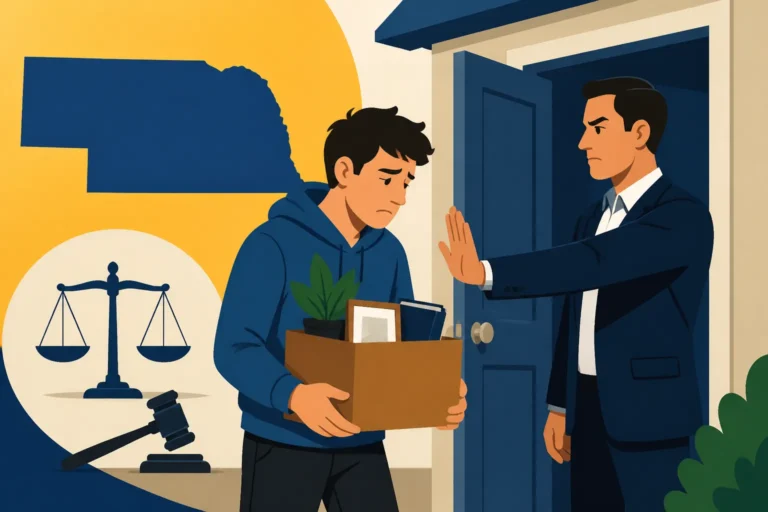
When you rent a property, you gain the legal right to possess and use that property, known as tenancy. This right is protected by law, and it means a landlord cannot simply decide you need to leave and take action to remove you without going through the proper legal channels. A "self-help eviction" is precisely what it sounds like: a landlord attempting to remove a tenant from a rental property without a court order, bypassing the legal eviction process entirely.
It's a frustrating situation that tenants often face, feeling powerless and exposed. Many landlords, whether through ignorance, impatience, or outright malice, believe they can bypass the time-consuming and often costly legal eviction process by directly forcing a tenant out. But the law is very clear on this: tenants have rights, and these rights protect them from such illegal tactics.
Defining a Legal Eviction
Before diving into what’s illegal, it’s important to understand what a legal eviction entails. A legal eviction is a formal court process where a landlord seeks and obtains a court order (often called a "Writ of Possession" or similar) to regain possession of their property. This process typically begins with the landlord serving a formal eviction notice, such as a 3-Day Notice to Pay or Quit Explained for non-payment of rent, or a notice to cure a lease violation. If the tenant doesn't comply, the landlord must then file a lawsuit in court. Only after a judge rules in the landlord's favor and the legal process is complete can law enforcement (like a sheriff or constable) physically remove a tenant and their belongings.
This structured legal pathway is designed to protect both parties, ensuring due process for the tenant and providing a clear, enforceable resolution for the landlord. Any attempt by a landlord to bypass this court-supervised process is considered a self-help eviction and is generally illegal in all states. The reasoning is simple: without judicial oversight, landlords could arbitrarily displace tenants, leading to chaos and immense hardship for individuals and families.
The Core Concept of Self-Help
At its heart, a self-help eviction is any action taken by a landlord that interferes with a tenant's right to occupy their rental property, done without following the specific court procedures required for eviction. This isn't just about physical removal; it encompasses a range of actions intended to make the property uninhabitable or inaccessible, coercing the tenant to leave. These tactics are often deployed when a landlord is frustrated by a tenant's actions, such as non-payment of rent or alleged lease violations, but they fail to recognize that their frustration doesn't grant them the right to break the law.
The core concept is a landlord using force, intimidation, or disruption of services to circumvent the legal system. It's an illegal shortcut, plain and simple, and it's met with serious legal repercussions for landlords who engage in such behavior. Even if a tenant is genuinely in violation of their lease, the landlord still must go through the proper channels. You might be wondering, How to File for Eviction (Landlord Step-by-Step) if you're a landlord facing issues, but using self-help is never the correct path.
Common Forms of Illegal Self-Help Eviction
Self-help evictions can take many forms, each designed to make a tenant's life miserable enough to force them out. While the specific methods can vary, they all share one common thread: they are carried out without a court order, making them illegal. It's important for tenants to recognize these tactics, so they can identify when their rights are being violated.
The Dreaded Lockout
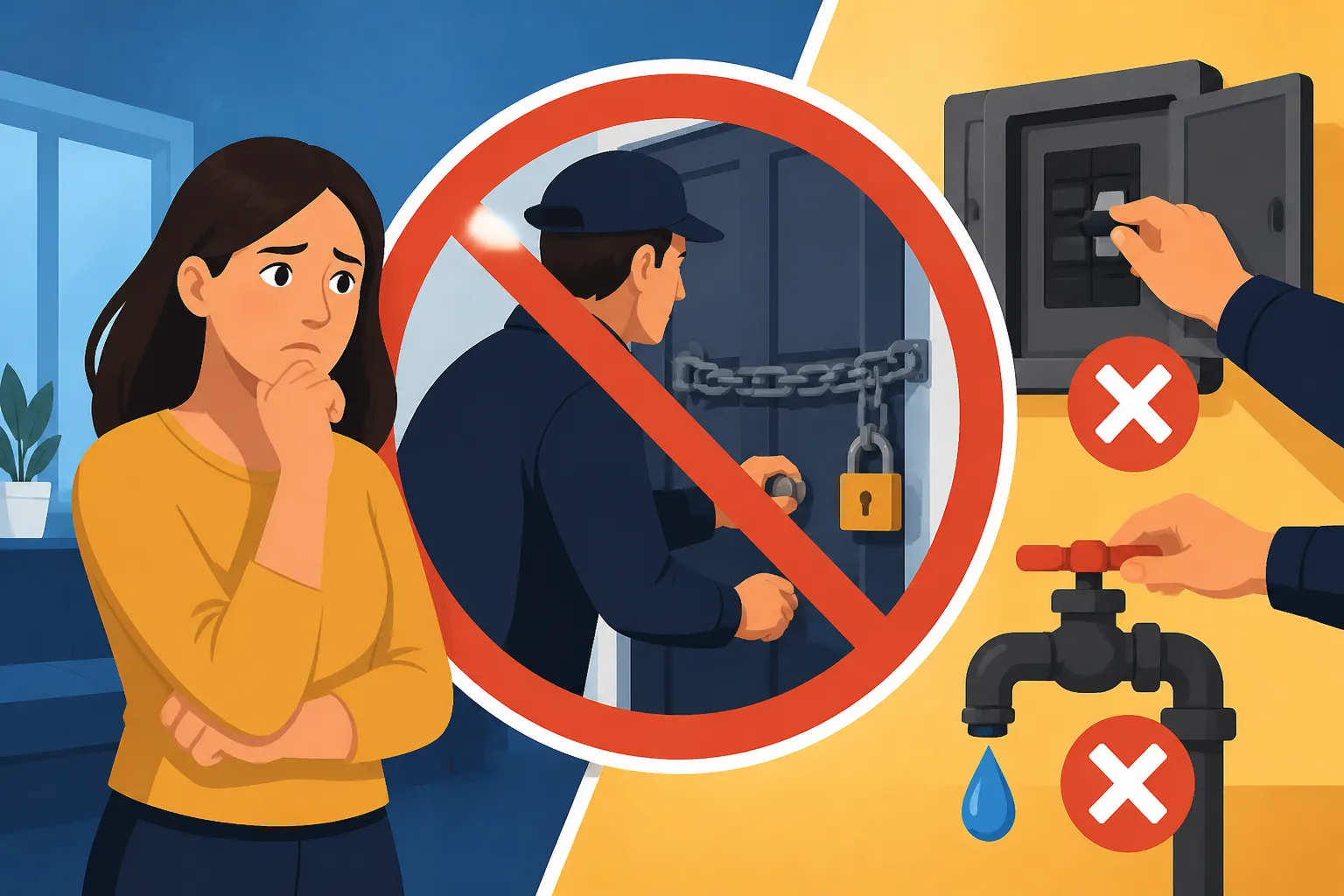
Perhaps the most common and immediately impactful form of self-help eviction is the illegal lockout. This occurs when a landlord changes the locks on a tenant's doors, preventing them from accessing their home and belongings. It's a shocking and disorienting experience, leaving tenants feeling homeless, vulnerable, and cut off from their most basic necessities.
Imagine you're at work, or perhaps just running errands, and when you return, your key no longer works. You try the back door, the side door, but nothing. A quick call to your landlord confirms your worst fears: they've changed the locks and are refusing you entry. They might claim you haven't paid rent, or that your lease is over, but none of these claims justify blocking your access to your legally rented home without a court order. This tactic is especially insidious because it immediately deprives you of shelter, clothing, medications, and any other personal property you have inside. In many places, this can even be considered a criminal act in addition to a civil violation.
Cutting Off Essential Utilities
Another common and equally distressing form of illegal self-help eviction involves a landlord intentionally shutting off or causing the disruption of essential utilities. This can include electricity, gas, water, or even heat in colder climates. The goal is to make the living conditions so unbearable that the tenant has no choice but to vacate the premises.
Think about a sweltering summer in Phoenix, Arizona, where the landlord abruptly cuts off the AC or electricity. Or a frigid winter night in Boston, Massachusetts, when the heat suddenly goes out, and the landlord confirms they intentionally shut it off. These actions render an apartment uninhabitable, posing serious health and safety risks. Landlords are generally obligated to provide habitable living conditions under the implied warranty of habitability, which means providing essential services. Cutting these off is a direct violation of that warranty and a clear act of illegal eviction. Even if the utilities are in the landlord's name and they're facing non-payment from the tenant, they must still follow the proper Eviction Process by State (Step-by-Step) rather than resorting to such dangerous measures.
Removing Tenant Property
Sometimes, landlords take an even more direct approach, physically removing a tenant's belongings from the rental unit. This might involve packing up their possessions and placing them outside, in a storage unit, or even simply throwing them away. This act is a blatant disregard for a tenant's property rights and is unequivocally illegal.
Consider a situation where a tenant is late on rent, and the landlord decides to "clean out" the apartment. They might even try to justify it by saying they are "securing" the property. However, this is still a form of self-help eviction. Only a sheriff or other authorized law enforcement official, after a court has issued a writ of possession, can legally remove a tenant's property from a rental unit. Any other person doing so is committing theft or illegal conversion of property, in addition to an illegal eviction. This leaves tenants in a devastating position, often without their most cherished or essential items, and can lead to significant financial and emotional distress.
Changing the Locks Illegally
While related to a lockout, specifically changing the locks without notice or a court order warrants its own discussion because it’s a tactic often used with less immediate drama than, say, throwing furniture onto the curb, but it's just as effective in denying access. A landlord might replace the locks, but then initially fail to provide the tenant with new keys, or refuse to give them new keys altogether. This is a subtle yet potent form of lockout that can quickly escalate.
Even if a landlord has some concern about safety or security, they cannot simply change the locks and exclude a tenant who has a legal right to occupy the property. There are very specific circumstances where a landlord can change locks, such as to secure a property after a legal eviction has been executed by law enforcement, or if it's explicitly allowed in a lease and the landlord provides new keys immediately and simultaneously. However, using a lock change as a means to force a tenant out, preventing them from entering their home, is a clear violation of tenant rights and constitutes an illegal self-help eviction. Even if the landlord provides new keys after the tenant complains, the initial act of denying entry without due process is still illegal.
Why Landlords Resort to Self-Help Evictions
It’s easy to demonize landlords who engage in self-help evictions, but understanding their motivations, while never excusing the illegality, can shed some light on why these situations occur. Often, it comes down to a combination of misinformation, mounting frustration, and financial pressures. These factors, however, don't negate the legal protections afforded to tenants.
Lack of Awareness of the Law
One of the primary reasons landlords resort to self-help evictions is a genuine, albeit inexcusable, lack of knowledge about landlord-tenant law. Many small-time landlords, perhaps those managing a single rental property or inherited units, simply aren't aware of the strict legal procedures they must follow. They might believe that because it's "their property," they have the right to remove a tenant who isn't paying rent or violating the lease.
They might consult outdated information, listen to ill-informed advice from other landlords, or simply assume that common sense dictates they can take direct action. For instance, a landlord might think, "If they're not paying rent, I can just change the locks," without realizing that this is explicitly prohibited by law. They might not understand the difference between a lease violation and a legal eviction, or the concept of Implied Warranty of Habitability Explained which prevents them from cutting off utilities. Tools and resources like those offered by LawDepot can provide landlords with legal forms and information, but it's crucial they understand the laws specific to their state and locality.
Frustration with Problem Tenants
Let's be real: dealing with a tenant who consistently pays rent late, damages the property, or violates the lease agreement can be incredibly frustrating. Landlords often invest significant time, money, and emotional energy into their properties, and seeing that investment jeopardized by a difficult tenant can push them to their breaking point.
Imagine a landlord in San Diego, California, whose tenant hasn't paid rent for two months, has loud parties every weekend, and is causing disturbances with neighbors. The landlord has tried talking to them, sending reminders, but nothing works. The legal eviction process can be slow, costly, and emotionally draining, sometimes taking weeks or even months to complete, depending on the jurisdiction and the specifics of the case. For a landlord, the temptation to take immediate, decisive action can be strong, especially if they feel the tenant is exploiting the system. While this frustration is understandable, it never justifies breaking the law. Even when a tenant is clearly in breach of their agreement, the landlord must still adhere to the Eviction Process by State (Step-by-Step).
Avoiding the Cost and Time of Formal Eviction
Formal evictions are not cheap or quick. Landlords face court filing fees, process server fees, attorney fees (if they hire one), and the potential loss of rent during the eviction period. In some areas, an eviction can cost hundreds or even thousands of dollars and take anywhere from a few weeks to several months. This financial burden, coupled with the administrative hassle, can be a major motivator for landlords to seek "easier" (and illegal) alternatives.
For example, in New York City, where tenant protections are robust, an eviction process can drag on, costing a landlord thousands in legal fees and lost rent. Faced with this prospect, some landlords might rationalize that a quick lockout or utility shutoff is more financially prudent, ignoring the severe legal penalties they could incur if caught. Property management software like DoorLoop can help streamline rent collection and lease management, potentially reducing issues that lead to eviction, but it doesn't change the legal requirements for a formal process. This desire to save money and time, while understandable from a business perspective, is often shortsighted, as the penalties for illegal self-help evictions can far outweigh the costs of a legal eviction.
Tenant Rights and Protections Against Self-Help Eviction
As a tenant, it's absolutely vital to know your rights. You are not without recourse when faced with an illegal self-help eviction. In fact, most states and even some cities have strong protections in place to prevent landlords from taking matters into their own hands. These laws are designed to safeguard your right to housing and ensure that any removal from your home occurs through a fair and transparent legal process.
State-Specific Statutes and Safeguards
Every state in the U.S. has laws that govern landlord-tenant relationships, and nearly all of them explicitly prohibit self-help evictions. These laws vary in their specifics, including how quickly a landlord must reinstate services or provide access, and the penalties for violations. For instance, California Civil Code Section 789.3 specifically outlines unlawful detainer practices, making it illegal for a landlord to cut off utilities or change locks to force a tenant out. Similarly, states like Texas, Florida, and New York have clear statutes forbidding self-help evictions and providing tenants with remedies.
Some states are particularly stringent, allowing tenants to sue for actual damages, statutory damages (a set amount per day the violation occurred), and even punitive damages. For example, in Massachusetts, if a landlord illegally locks out a tenant, the tenant can seek three months' rent or actual damages, whichever is greater, plus attorney's fees and costs. It's truly a powerful protection. Knowing the specific laws in your state is your first line of defense. You might find it helpful to research Security Deposit Laws by State (2026) as these often come up in disputes alongside evictions.
The Implied Covenant of Quiet Enjoyment
Beyond explicit anti-self-help eviction statutes, tenants are also protected by the "implied covenant of quiet enjoyment." This is a fundamental principle in landlord-tenant law, present in every lease agreement whether written or not. It essentially guarantees that a tenant has the right to occupy their rental property peacefully and without interference from the landlord.
When a landlord engages in a self-help eviction—whether it's changing locks, shutting off utilities, or harassing a tenant to leave—they are directly violating this covenant. The right to quiet enjoyment means you have the right to use your home without being disturbed by the landlord's intrusive actions. This doesn't mean you can't be evicted, but it means you must be evicted legally. Any action that disrupts your peaceful possession of the property, outside of court-ordered processes or legitimate repair activities with proper notice, can be a breach of this covenant. This legal principle helps bolster your case if you need to take action against a landlord's illegal conduct.
Federal Protections
While most direct landlord-tenant laws are state and local, federal law does provide some overarching protections, particularly against discriminatory practices under the Fair Housing Act. Although not directly addressing self-help evictions, if a landlord's self-help actions are motivated by discrimination based on race, religion, national origin, sex, familial status, or disability, then federal fair housing laws could also apply, opening up additional avenues for legal recourse.
Furthermore, for tenants who are servicemembers, the Servicemembers Civil Relief Act (SCRA) offers specific protections, including the ability to break a lease under certain circumstances and protections against eviction. While the SCRA doesn't directly forbid self-help evictions, it provides another layer of legal safeguarding for a specific group of tenants who might be particularly vulnerable to such tactics. Understanding these broader protections can add weight to a tenant's position, especially when facing a landlord who seems intent on flouting the law.
What to Do If You're Facing a Self-Help Eviction
Being subjected to a self-help eviction is a deeply unsettling and stressful experience. It can make you feel helpless and angry. However, it's crucial to remember that you have rights, and there are concrete steps you can take to protect yourself and seek justice. Acting quickly and strategically can make a significant difference in the outcome.
Document Everything Immediately
The moment you suspect or experience a self-help eviction, your first priority is to document everything. This is your evidence, and it will be invaluable if you need to take legal action.
- Photos and Videos: Take pictures and videos of anything relevant. If the locks are changed, photograph the new locks. If utilities are cut, show the dark apartment, the cold thermostat, or lack of running water. If your belongings are removed, photograph where they were placed or the empty apartment.
- Communication: Save all communications with your landlord—emails, text messages, voicemails. If you speak to them over the phone, follow up with an email summarizing the conversation. Note down dates, times, and specific details of what was said.
- Witnesses: If anyone witnessed the landlord's actions (neighbors, friends, family), get their contact information and a brief statement if possible.
- Receipts: Keep receipts for any unexpected expenses you incur as a direct result of the self-help eviction, such as temporary housing, food, or bottled water.
- Police Report: If you are locked out or your property is removed, call the non-emergency police line (or 911 in an emergency). While police often consider landlord-tenant issues a civil matter, they can document the incident, which provides official proof that it occurred. They might even order the landlord to grant you access.
This meticulous documentation forms the backbone of your case, proving that an illegal act occurred and detailing the impact it had on you. You can learn more about how to protect yourself by reading How to Document Your Apartment at Move-In, as good documentation habits can start even before problems arise.
Contacting Law Enforcement or Legal Aid
Once you've documented the immediate situation, reach out for help. Depending on the severity of the situation and your location, contacting local law enforcement or seeking legal counsel should be high on your list.
- Police: If you are locked out or your utilities are shut off, call the police. Explain that your landlord has illegally evicted you through self-help means. In many jurisdictions, police can contact the landlord and instruct them to restore access or utilities. Some states even classify illegal lockouts as a criminal offense, and the police may be more inclined to act swiftly. For example, in Texas, it's a misdemeanor for a landlord to intentionally prevent a tenant from entering their home by changing locks without providing new keys.
- Legal Aid/Tenant Rights Organizations: These organizations exist specifically to help tenants navigate complex landlord-tenant issues. They can provide free or low-cost legal advice, inform you of your specific state and local laws, and even represent you in court. Look up tenant rights organizations in your city or county; for example, the San Francisco Tenants Union or Legal Aid Foundation of Los Angeles. They often have resources like a Security Deposit Demand Letter (How-To + Template) which can be useful in many disputes.
- Private Attorney: If you can afford one, a private attorney specializing in landlord-tenant law can be your strongest advocate. They can send a demand letter to your landlord, negotiate a resolution, or represent you in court.
Seeking Re-Entry or Alternative Housing
Your immediate need will likely be a safe place to stay. If police intervention doesn't immediately restore your access, you'll need to consider temporary housing.
- Temporary Shelter: If you're locked out, consider staying with friends or family. If that's not an option, you might need to seek temporary shelter or a hotel. Keep all receipts for these expenses, as you can claim them as damages later.
- Court Order for Re-Entry: Your attorney or legal aid can help you file for an emergency court order to force the landlord to allow you back into the property and restore any shut-off utilities. This process, often called an "injunction," can be swift if the evidence of illegal self-help is clear. In some states, courts prioritize these types of cases due to the immediate hardship involved.
The goal here is to get you back into your home as quickly as possible, or at least ensure you have safe alternative housing while your legal case proceeds. Don't feel pressured to sign anything or agree to vacate the property permanently without consulting legal counsel first.
Considering a Lawsuit for Damages
Once the immediate crisis is managed, you should seriously consider suing your landlord for damages. This is where your meticulous documentation will shine.
- Actual Damages: These are the direct financial losses you incurred due to the illegal eviction. This includes costs for temporary housing, food, ruined property, lost wages (if you missed work due to the ordeal), and even medical expenses if the lack of utilities caused health issues.
- Statutory Damages: Many states have specific laws that impose statutory penalties on landlords for illegal self-help evictions. These can be a fixed amount, or a per-day amount for each day the landlord violated your rights. For example, some states allow for damages of three times the monthly rent, plus actual damages. These are often automatically awarded if the court finds the landlord violated the law, regardless of your actual financial losses.
- Punitive Damages: In cases where the landlord's actions were particularly malicious or reckless, a court might award punitive damages. These are not meant to compensate you for losses but to punish the landlord and deter similar behavior in the future.
- Attorney's Fees: Many state laws allow the successful tenant to recover their attorney's fees and court costs from the landlord, making legal action more accessible.
Suing a landlord can be intimidating, but it's often the only way to hold them fully accountable and recover your losses. It sends a strong message that such illegal tactics will not be tolerated. For more detailed information, consider reading Suing a Landlord for Your Deposit (Small Claims & Penalties) as the principles of small claims court and penalties can overlap here.
Legal Consequences for Landlords
Landlords who engage in self-help evictions often do so because they mistakenly believe they can avoid the legal system. However, the truth is that these actions carry significant and severe legal consequences. Far from saving time or money, an illegal eviction can cost a landlord substantially more than a proper, lawful eviction ever would.
Statutory Penalties and Fines
Almost every state has specific statutes that outline penalties for landlords who perform illegal self-help evictions. These aren't just minor fines; they can be substantial and are often designed to be a significant deterrent.
- Fixed Penalties: Some states impose a fixed statutory penalty, often a multiple of the monthly rent. For example, in Washington state, a tenant can recover up to $100 per day for each day they were deprived of possession or services due to an illegal lockout or utility shutoff, plus actual damages.
- Double or Treble Damages: Many states allow for double or even treble (triple) damages. This means a court can order the landlord to pay two or three times the amount of actual damages the tenant suffered. This serves as a punitive measure on top of compensating the tenant. This can be compared to concepts in Double vs Treble Damages for Wrongful Withholding for security deposits.
- Civil Fines: Beyond damages paid to the tenant, the landlord might also face civil fines from state or local housing authorities for violating landlord-tenant laws. These fines go to the government, not the tenant, and can add another layer of financial burden.
These penalties are designed to be steep enough that a landlord thinks twice before bypassing the legal system. They ensure that violating a tenant's right to their home comes with a hefty price tag.
Actual and Punitive Damages for Tenants
Beyond statutory penalties, tenants can also claim both actual and punitive damages from a landlord who conducts an illegal self-help eviction.
- Actual Damages: These are the measurable financial losses incurred by the tenant. This can include the cost of temporary housing (hotel stays, temporary rentals), meals, transportation, property damage or loss, lost wages if the tenant couldn't work due to the displacement, and even medical expenses if the lack of utilities (like heat or hot water) led to illness or injury. For example, if a landlord in Houston, Texas, illegally locks a family out in the middle of winter, and they have to spend a week in a hotel, buy new clothes, and replace spoiled food, all those expenses would count as actual damages.
- Punitive Damages: In cases where the landlord's actions are particularly egregious, malicious, or reckless, a court may award punitive damages. These are not meant to compensate the tenant but to punish the landlord for their wrongful behavior and to deter others from doing the same. For instance, if a landlord intentionally destroys a tenant's property during an illegal lockout, a judge might award punitive damages to send a strong message. These can be very substantial, sometimes in the tens of thousands of dollars, depending on the severity of the landlord's conduct and the jurisdiction.
The combination of statutory, actual, and punitive damages can quickly add up, making an illegal self-help eviction an incredibly costly mistake for a landlord.
Potential Criminal Charges
While most landlord-tenant disputes are civil matters, illegal self-help evictions, particularly lockouts or utility shutoffs that endanger a tenant, can sometimes escalate to criminal charges. This is less common but certainly possible, especially if the landlord uses force, threats, or causes significant harm.
- Criminal Trespass: If a landlord enters the property without permission and without a valid court order (after the lease has ended and a proper eviction is completed), and then changes locks or removes property, they could potentially face criminal trespass charges, especially if the tenant still has a legal right to possession.
- Assault/Battery: If the landlord uses physical force or threats against the tenant during the self-help eviction, they could face charges of assault or battery.
- Theft/Vandalism: If a landlord removes or destroys a tenant's personal property, they could face charges for theft or vandalism.
- Restraining Orders: In situations involving threats or harassment, a tenant may be able to obtain a restraining order against the landlord, further limiting the landlord's ability to interfere.
While rare, a landlord facing criminal charges can lead to fines, jail time, and a permanent criminal record, demonstrating the severe repercussions of resorting to illegal self-help measures. It's a stark reminder that taking the law into your own hands can have consequences far beyond a civil lawsuit.
Preventing Self-Help Evictions
While we've focused heavily on what to do after a self-help eviction occurs, there are also proactive steps both tenants and landlords can take to prevent these stressful and illegal situations from ever happening. Prevention is always better than cure, especially when it comes to your home.
Educating Yourself as a Tenant
Your best defense against any landlord-tenant dispute, including illegal self-help evictions, is knowledge. Understanding your rights and responsibilities empowers you to recognize illegal actions and act quickly.
- Know Your Lease: Read your lease agreement thoroughly before signing it, and keep a copy. Understand clauses related to rent payment, maintenance, notice periods, and termination. If anything seems ambiguous or unfair, ask for clarification or legal advice before signing.
- Understand State and Local Laws: Familiarize yourself with your state's landlord-tenant laws and any local ordinances (like those in Los Angeles or Chicago) that might offer additional protections. Many states, like Oregon, have very specific rules about when a landlord can enter the property or how they must handle abandoned property. Resources from government housing departments or legal aid websites are excellent starting points. Knowing the Eviction Notice Types (Pay or Quit, Cure or Quit, Unconditional) can help you determine if a notice you receive is legitimate.
- Document Everything (Always!): Even when things are going smoothly, maintain good documentation. Photograph the property before moving in (a move-in inspection guide is crucial!), keep copies of all rent payments, repair requests (like those for How to Get a Landlord to Make Repairs), and any communication with your landlord. This habit builds a paper trail that can be invaluable if a dispute arises.
- Communicate Professionally: Always communicate with your landlord in writing (email, certified mail). This creates a record of your interactions. Keep communications factual and professional, even if you're feeling frustrated.
By being an informed and diligent tenant, you make yourself a much less attractive target for landlords considering illegal tactics, and you strengthen your position should a problem arise. For example, if you're ever worried about What Happens If You Ignore an Eviction Notice?, being informed about the legal process is key.
Landlords Seeking Proper Legal Counsel
For landlords, the best prevention strategy is to understand that the legal eviction process, while sometimes frustrating, is there for a reason and must be followed. Seeking professional guidance is not an expense; it's an investment in protecting your assets and avoiding costly lawsuits.
- Consult with an Attorney: Before taking any action that could be construed as eviction, especially with a difficult tenant, a landlord should consult with a qualified attorney specializing in landlord-tenant law. An attorney can advise on the correct procedures, proper notice requirements, and potential pitfalls, ensuring the landlord acts within the bounds of the law. They can also explain the process, including How Long Does an Eviction Take?, managing expectations.
- Utilize Property Management Software: Reputable property management software platforms like DoorLoop offer tools that help landlords manage leases, track payments, and adhere to legal requirements. These systems can provide a structured way to handle tenant communications, document lease violations (refer to Lease Violations & What Counts), and ensure that proper notices are served, significantly reducing the likelihood of a landlord feeling the need to resort to self-help.
- Stay Updated on Laws: Landlord-tenant laws can change, sometimes annually. Landlords should make it a point to stay informed about current regulations in their state and locality. Joining local landlord associations or subscribing to legal updates can be very beneficial.
- Thorough Tenant Screening: A robust tenant screening process, including credit checks, background checks, and rental history verification, can significantly reduce the chances of leasing to a tenant who might cause problems in the future, thus reducing the likelihood of a landlord's frustration escalating to illegal actions.
By prioritizing legal compliance and professional advice, landlords can protect themselves from severe penalties, maintain their reputation, and ensure a more stable and lawful operation of their rental properties.
Alternatives for Landlords
For landlords struggling with problem tenants, it can feel like there are no good options. The temptation to bypass the legal system is often born out of a desire for a quick fix. However, there are legitimate, legal alternatives that, while requiring patience, will ultimately save landlords from significant legal and financial repercussions.
Following the Formal Eviction Process
This is the most critical and undeniable alternative: landlords must follow the formal, legal eviction process. It’s the law, and it’s there to protect everyone involved. While it can be lengthy and emotionally taxing, it is the only way to legally regain possession of a property when a tenant refuses to leave or rectify a lease violation.
The process typically involves several key steps:
- Serve Proper Notice: The landlord must serve a formal, written notice to the tenant. This notice must comply with state and local laws regarding content, delivery method, and notice period. Common notices include a "Notice to Pay Rent or Quit" for non-payment, or a "Notice to Cure or Quit" for other lease violations. Many useful templates can be found on legal document platforms like LawDepot, but always ensure they are customized for your state's laws.
- File an Eviction Lawsuit: If the tenant does not comply with the notice, the landlord then files an eviction lawsuit (often called an Unlawful Detainer action) in court. This formally initiates the legal proceedings.
- Court Hearing: Both parties present their case to a judge. The tenant has the right to defend themselves.
- Obtain a Judgment and Writ of Possession: If the judge rules in favor of the landlord, a judgment is issued, followed by a "Writ of Possession" (or similar document). This writ is the official court order authorizing law enforcement to remove the tenant.
- Sheriff Executes Eviction: Only a sheriff, constable, or other authorized law enforcement officer can physically remove the tenant and their belongings. The landlord cannot do this themselves.
This step-by-step process ensures due process for the tenant and protects the landlord from charges of illegal self-help. It’s the safest, most legally sound path, even if it feels slower than desired. If you are struggling with a tenant, exploring options like Eviction Mediation: How It Works can sometimes provide a less confrontational resolution.
Negotiating with Tenants
Sometimes, the best solution isn't a confrontational one, but a cooperative agreement. Landlords can often avoid the full eviction process by negotiating directly with their tenants, especially if the tenant is willing to move out but needs some incentive or assistance.
- Cash for Keys: This is a common and legal negotiation tactic where a landlord offers a tenant a sum of money in exchange for them voluntarily vacating the property by a certain date, leaving it in good condition. This can be a win-win: the tenant gets some financial help for a new place, and the landlord avoids the time and cost of a lengthy eviction. This strategy is outlined further in articles on "Cash for Keys: How It Works."
- Payment Plans: If the issue is simply non-payment of rent, a landlord can offer a payment plan to help the tenant catch up. While this carries a risk, it can sometimes be more cost-effective than an eviction if the tenant genuinely wants to stay and has a plan to pay.
- Mutual Agreement to Terminate Lease: If the landlord and tenant both agree that the tenancy isn't working out, they can mutually agree to terminate the lease early. This agreement should always be in writing, clearly stating the terms of departure, including any financial obligations or return of security deposit (refer to Tenant Rights If Landlord Won't Return Deposit).
Negotiation requires open communication and a willingness to compromise, but it can be a far less stressful and ultimately more efficient solution than resorting to illegal tactics or even a formal eviction process. It preserves peace and can save both parties significant time and money.
Disclaimer
Please remember that this article provides general information and guidance on landlord-tenant laws and self-help evictions. Landlord-tenant laws vary significantly by state, county, and even city. It is crucial to consult with a qualified legal professional or tenant rights organization in your specific jurisdiction for advice tailored to your situation. This information is not a substitute for legal advice from a licensed attorney.