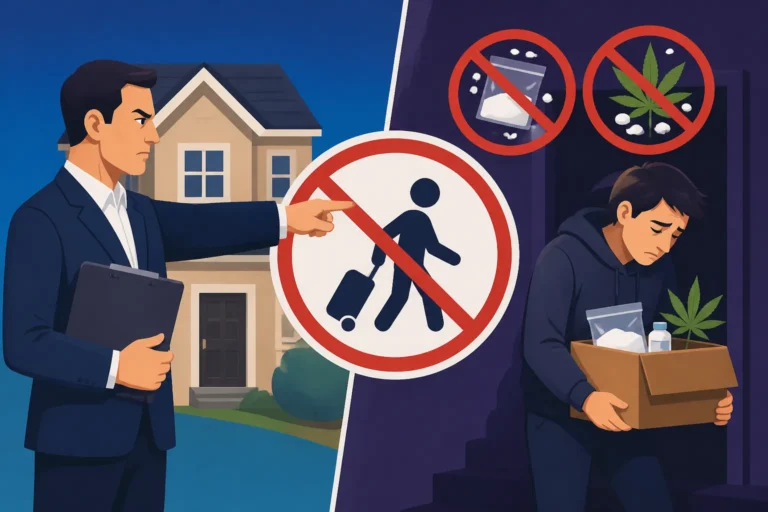
How to Evict a Tenant in Nebraska
Navigating the eviction process as a landlord in Nebraska can feel like walking through a legal minefield. It's incredibly frustrating when a tenant isn't upholding their end of the lease agreement, whether it's consistent late rent, property damage, or other violations. This guide is here to cut through the confusion and provide a clear, step-by-step roadmap to legally evict a tenant in Nebraska, helping you understand your rights and responsibilities so you can regain control of your property.
Understanding Nebraska's Eviction Landscape
Before you even think about serving a notice, it's crucial to understand the legal environment you're operating in. Nebraska's laws, while sometimes seen as more landlord-friendly than some other states, still demand strict adherence to specific procedures. Deviating from these steps, even slightly, can lead to significant delays, financial penalties, or even a lawsuit from your tenant.
Key Legal Frameworks
The primary legal guide for landlords and tenants in Nebraska is the Nebraska Uniform Residential Landlord and Tenant Act. This act, often referred to as NURTA, outlines the rights and responsibilities of both parties, covering everything from lease agreements and maintenance duties to the specific process for evictions. It's not just a suggestion; it's the law you must follow. For instance, the Act specifies the types of notices you must provide, how long a tenant has to respond, and what steps you need to take if they don't comply. Missing a deadline or serving the wrong type of notice can derail your entire case, forcing you to start from scratch.
While Nebraska doesn't have the same stringent tenant protections found in states like California or New York, landlords here are still held to high standards. For example, you can't just change the locks or shut off utilities to force a tenant out – that's an illegal self-help eviction, and the consequences can be severe. Understanding these foundational legal requirements is the first and most critical step in successfully navigating the eviction process. It’s about being informed and prepared, rather than just reacting to a difficult situation.
Common Reasons for Eviction in Nebraska
Most evictions stem from a few recurring issues, and Nebraska law dictates different approaches for each. Recognizing the specific reason your tenant needs to be evicted will determine the type of notice you serve and the subsequent legal path you'll need to follow.
The most frequent cause for eviction, by far, is the non-payment of rent. When a tenant consistently fails to pay rent on time, it directly impacts your ability to cover mortgage payments, property taxes, and maintenance costs. Nebraska law provides a clear, albeit swift, process for addressing this. Typically, once rent is past due, you can issue a specific notice that starts the clock on the eviction proceedings.
Beyond rent issues, lease violations are another common reason. This could include anything from having unauthorized pets, causing significant damage to the property, disturbing neighbors with excessive noise, or engaging in illegal activities on the premises. The lease agreement you drafted (or had a legal service like LawDepot help you create) should clearly define these violations. For minor breaches, tenants are often given a chance to "cure" the violation, meaning they fix the problem within a set timeframe. However, for more serious or repeated offenses, the law allows for a more immediate path to eviction. Finally, sometimes you might need to end a tenancy for what's considered "no-cause," particularly with month-to-month agreements or at the end of a fixed-term lease. In these situations, while no specific tenant misstep has occurred, you still need to provide proper notice of non-renewal or termination, often a 30-day notice, before you can proceed with an eviction if the tenant doesn't vacate.
The Step-by-Step Nebraska Eviction Process
Once you've identified the reason for eviction, it's time to follow the legal process. Each step is critical, and rushing or skipping any part can invalidate your efforts and force you to restart. Let's break down how to legally evict a tenant in Nebraska.
Step 1: Serving the Proper Eviction Notice
This is where the eviction process officially begins. Nebraska law is very specific about the type of notice you must use, the information it must contain, and how it must be delivered. Getting this wrong can be a costly mistake, leading to delays or even a dismissal of your case if it goes to court.
For non-payment of rent, Nebraska landlords typically issue a 7-day notice to quit. This notice informs the tenant that they have seven days to either pay the outstanding rent or move out. If they do neither, you can proceed with filing an eviction lawsuit. It's crucial that this notice accurately states the amount of rent owed, the period for which it's owed, and a clear deadline. Don't forget any late fees as stipulated in your lease agreement.
When it comes to lease violations that can be fixed, you'll generally use a 14-day notice to cure or quit. This notice gives the tenant two weeks to correct the violation (e.g., remove an unauthorized pet, clean up excessive clutter, or stop disturbing neighbors). If they fix the issue within 14 days, the tenancy continues. If they don't, or if they commit the same violation within six months, you can then serve an unconditional 3-day notice. For serious or repeated lease violations that cannot be cured, or for engaging in illegal activity, Nebraska law allows for an unconditional 3-day notice to quit. This notice means the tenant has no option to correct the problem and must move out within three days. This is often used for severe damage, illegal drug use, or other activities that pose an immediate threat or violate the law without remedy.
Finally, for month-to-month tenancies or when a fixed-term lease is simply expiring and you wish not to renew, you'll need to provide a 30-day notice to vacate. This notice doesn't allege any fault but simply informs the tenant that their tenancy will end. Ensuring proper delivery is just as important as the content of the notice. While certified mail is a good option for proof of mailing, personal service by you or a process server is often the most legally sound method, ensuring the tenant undeniably received the notice. You can find reliable, state-specific eviction notice templates on platforms like LawDepot, which helps ensure you’re using the correct legal language. For more detail, consider reviewing our guide on Eviction Notice Types (Pay or Quit, Cure or Quit, Unconditional).
Step 2: Filing an Eviction Lawsuit (Forcible Entry and Detainer)
If your tenant fails to comply with the eviction notice — meaning they neither pay rent, cure the violation, nor move out by the deadline — your next step is to file a formal eviction lawsuit, known as a Forcible Entry and Detainer action, in the appropriate county court. This is not something to be taken lightly; it means you are asking a court to legally order the tenant to vacate.
To initiate this, you'll need to prepare and file a "Complaint" with the court clerk. This document outlines your request for eviction, states the reasons (e.g., unpaid rent, lease violation), and confirms that you served the proper notice. You'll also need to pay a filing fee. After filing the complaint, the court will issue a "Summons," which is a formal order informing the tenant of the lawsuit and requiring them to appear in court on a specific date and time. This summons, along with a copy of your complaint, must then be legally "served" on the tenant. This typically requires a sheriff or a professional process server to deliver the documents directly to the tenant, ensuring they are officially notified of the legal action against them.
It’s important to remember that once the lawsuit is filed, communication with the tenant should be formal and documented. Any attempt to pressure them outside of the legal process could be seen unfavorably by the court. Organizations often use property management software like DoorLoop to keep meticulous records of all communication, notices served, and payment histories, which proves invaluable at this stage.
Step 3: Court Hearing and Judgment
Once the tenant has been served with the summons and complaint, a court date will be set. This hearing is your opportunity to present your case to a judge or magistrate, who will then decide whether a legal eviction is warranted. Be prepared, as this is a formal legal proceeding.
At the hearing, you'll need to present evidence supporting your claim. This includes a copy of your lease agreement, the eviction notice you served, proof of service (like a certified mail receipt or an affidavit from the process server), and any documentation of the tenant's violations. For non-payment of rent, bring ledgers or statements showing the outstanding balance. For lease violations, photos, videos, written communication, and witness testimonies can be very powerful. The tenant will also have an opportunity to present their defense, which could range from claiming improper notice to alleging that you failed to maintain the property. If the tenant doesn't show up to the hearing, you may win by default, but you still need to prove you followed the correct legal process.
If the judge rules in your favor, they will issue a "Judgment for Possession," legally affirming your right to regain possession of your property. They may also award you money for unpaid rent, damages, and sometimes even court costs and attorney fees. If the tenant successfully defends themselves, the judge might dismiss your case, meaning the tenant gets to stay, and you'd have to address any issues and potentially restart the process with new, correctly served notices. This is why following steps precisely, as outlined in guides like our How to Serve an Eviction Notice Correctly or How to Answer an Eviction Lawsuit, is so crucial.
Step 4: Obtaining a Writ of Restitution
Even after receiving a judgment in your favor, you cannot physically remove the tenant yourself. That's a crucial point where many landlords make a critical mistake. If the tenant still refuses to leave after the court has ruled against them, you must then obtain a "Writ of Restitution."
The Writ of Restitution is a court order, issued by the judge, that authorizes the sheriff's department to physically remove the tenant and their belongings from your property. You will need to take your court judgment to the court clerk, who will then issue this writ. Once issued, you typically deliver it to the local county sheriff's office. The sheriff's office will then serve the tenant with the Writ of Restitution, which usually gives them a final notice, often 24-48 hours, to vacate the premises voluntarily. This is their absolute last chance to leave without being forcibly removed.
If the tenant still has not moved out after that final notice period expires, the sheriff will return to the property to physically remove the tenant and any remaining occupants. The sheriff's deputies will oversee the process to ensure it is conducted legally and safely. It's important to understand that you, as the landlord, are usually responsible for arranging and paying for the removal and storage of any personal property the tenant leaves behind, according to Nebraska law. Failing to properly handle abandoned property can lead to further legal issues, so it's wise to consult with an attorney on specific local requirements. You can learn more about this final step in our article on The Writ of Possession & Sheriff Removal.
Important Considerations and Potential Pitfalls
The eviction process, while legally defined, is rarely straightforward. There are crucial considerations and potential pitfalls that every Nebraska landlord should be aware of to protect themselves and ensure a smooth, lawful process.
Avoiding Illegal Self-Help Evictions
One of the most critical warnings for any landlord is to absolutely, under no circumstances, attempt a "self-help" eviction. While the frustration of dealing with a non-compliant tenant can be immense, taking matters into your own hands can land you in serious legal trouble. An illegal self-help eviction includes actions like changing the locks, shutting off utilities (water, electricity, gas), removing the tenant's belongings, or even threatening the tenant to force them out.
Nebraska law explicitly prohibits these actions. If you engage in self-help eviction tactics, the tenant can sue you for damages, including actual damages, emotional distress, and even punitive damages, which can be thousands of dollars. They might also be entitled to stay in the property without paying rent. Imagine trying to evict a tenant for non-payment, only to end up owing them money! It's simply not worth the risk. Always follow the official court-ordered eviction process. Even if it feels slow or frustrating, it's the only legal and safe way to regain possession of your property. Our guide on Illegal Self-Help Eviction (Lockouts & Utility Shutoffs) provides more context on the severe penalties involved.
Understanding Tenant Defenses
While you might feel confident in your case, tenants have legal rights and potential defenses that can delay or even stop an eviction. Being aware of these can help you better prepare your case and avoid surprises in court.
One common defense is claiming improper notice. If you didn't use the correct notice type, filled it out incorrectly, or failed to serve it properly, the tenant can argue this in court, and the judge may dismiss your case, forcing you to start over. Another powerful defense is retaliatory eviction, where the tenant claims you are evicting them in retaliation for exercising a legal right, such as reporting code violations or requesting necessary repairs. If they can prove you're evicting them because they complained about uninhabitable conditions like a broken furnace or a significant water leak, your case could be in serious trouble. Tenants might also raise a defense of discrimination, claiming you are evicting them based on their race, religion, familial status, or other protected characteristics under fair housing laws. While less common, some tenants might also try to argue that they did attempt to pay rent, but you refused it, or that you failed to make necessary repairs which rendered the unit uninhabitable, thereby excusing their non-payment. This often involves the tenant proving they gave you written notice of the issues and a reasonable time to fix them. Thorough documentation of all communication and repairs can help counter such claims.
Property Management Tools and Record Keeping
In any landlord-tenant dispute, especially an eviction, documentation is king. Meticulous record-keeping can make or break your case. This isn't just about saving your lease agreement; it's about having a comprehensive log of every interaction, payment, and issue related to the tenancy.
Imagine trying to prove a tenant consistently paid late, but all you have are scattered texts. The judge will likely want more. You need a clear, organized system for tracking rent payments, including dates, amounts, and any late fees applied. Keep copies of all written communications, including emails, texts, and certified letters regarding lease violations, repair requests, and notices served. Photographs and videos of the property's condition at move-in and any damages observed during the tenancy are also invaluable. An initial move-in inspection checklist, thoroughly documented, can be a lifesaver if you need to make claims for damages against a security deposit, as outlined in our Move-In / Move-Out Inspection Guide.
This is where modern property management software truly shines. Platforms like DoorLoop or even robust spreadsheets can help you centralize all tenant data, payment histories, and communication logs. This not only streamlines your day-to-day operations but also provides an indisputable paper trail if you ever need to go to court. Having these records organized and readily accessible can save you immense stress, time, and potential legal fees, making your eviction case much stronger.
Nebraska Eviction Notice Summary
This table provides a quick overview of the most common eviction notice periods in Nebraska. Always consult with legal counsel or current statutes for exact requirements as laws can change.
| Eviction Reason | Notice Type | Notice Period | Tenant's Option |
|---|---|---|---|
| Non-payment of Rent | 7-Day Notice to Quit | 7 days | Pay rent or move out |
| Lease Violation (Curable) | 14-Day Notice to Cure/Quit | 14 days | Fix violation or move out |
| Repeat Lease Violation (within 6 months) | 3-Day Unconditional Notice to Quit | 3 days | No option to cure; must move out |
| Illegal Activity | 3-Day Unconditional Notice to Quit | 3 days | No option to cure; must move out |
| End of Month-to-Month Tenancy | 30-Day Notice to Vacate | 30 days | Move out (no fault alleged) |
Disclaimer
Please remember, this guide provides general information and is not a substitute for legal advice. Landlord-tenant laws are complex and can change. Always consult with a qualified attorney in Nebraska for advice specific to your situation.