Eviction for Illegal Activity or Drugs
Finding out that illegal activity or drug use is happening on your rental property can be an absolute nightmare for any landlord. It's a situation fraught with stress, potential danger, and legal complexities, leaving you feeling exposed and unsure of the right steps to take to protect your investment and other tenants. This comprehensive guide is here to walk you through the nuances of evicting a tenant for illegal activities or drug offenses, covering everything from understanding what constitutes a violation to navigating the legal eviction process while safeguarding your interests.
Understanding "Illegal Activity" in a Rental Context
When we talk about illegal activity in a rental unit, it's not just about what happens inside the four walls. It often extends to actions on the property grounds, in common areas, or even activities that originate from the unit but impact the neighborhood. The critical thing to remember is that these aren't just minor lease breaches; they're violations of the law that can have serious repercussions for you as a property owner. The frustration often stems from the fact that you might not even know what's happening until it's become a significant problem, potentially putting other residents and your property at risk.
What Constitutes Illegal Activity?
"Illegal activity" is a broad term, but in the context of landlord-tenant law, it generally refers to any criminal act that occurs on the rental property. This could range from serious felonies to certain misdemeanors that violate public safety or peace. Think about things like violent crimes, prostitution, theft, vandalism, or even operating an illegal business out of the unit. The specific legal definition can sometimes vary by state and local ordinances, but the core idea is a breach of law that impacts the safety, peace, or well-being of the community or property.
It's crucial to distinguish between everyday tenant misbehavior and actual illegal activity. A loud party might be a nuisance and a lease violation, but it's not necessarily an "illegal activity" in the same vein as manufacturing illicit substances. However, if that loud party consistently leads to police calls, property damage, or fights, it can escalate to a point where local ordinances are violated, potentially allowing for stricter landlord intervention. Your lease agreement should explicitly state that tenants must comply with all local, state, and federal laws, and that illegal activity is grounds for eviction.
The Role of Local, State, and Federal Laws
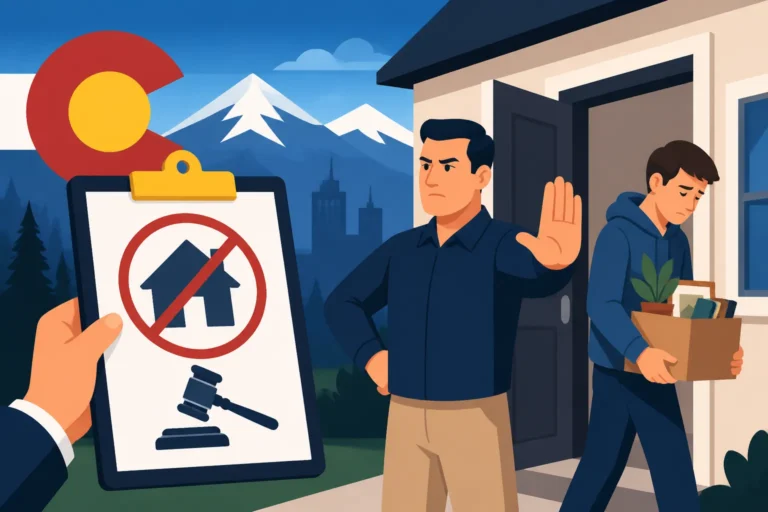
Landlord-tenant relationships are governed by a complex web of laws, and illegal activity takes this complexity to another level. Federal laws, such as the Controlled Substances Act, set a baseline for drug offenses, while state laws and even city ordinances often have their own definitions and penalties for various criminal acts. For instance, in states like California or Colorado, while recreational marijuana use is legal under state law, it remains illegal under federal law. This can create a tricky grey area for landlords, particularly if the property is federally subsidized, where federal law usually takes precedence.
It’s not just about what’s illegal, but also how the law empowers or restricts a landlord's actions. Some jurisdictions might require a criminal conviction before an eviction can proceed for illegal activity, while others may allow eviction based on credible evidence, such as police reports or testimony. Understanding the specific statutes in your area is paramount. A legal resource like LawDepot can provide state-specific lease agreements that often include clauses addressing illegal activities, but you'll still need to be aware of the procedural laws governing evictions themselves.
Differentiating Minor Infractions from Evictable Offenses
Not every minor infraction by a tenant warrants an eviction notice. There's a clear distinction between a simple lease violation (like unauthorized pets or late rent) and an illegal activity that allows for a swifter, often unconditional, eviction process. Typically, an "evictable offense" due to illegal activity involves a serious breach of the law that poses a threat to property, public safety, or the health and welfare of other residents.
For instance, repeated noise complaints might eventually lead to an eviction for a lease violation, but a single instance of manufacturing methamphetamine in the unit is an immediate and severe evictable offense. The key difference lies in the nature of the act and the legal notice required. Many states allow landlords to issue an Unconditional Quit Notice for serious lease violations or illegal activity, which means the tenant has no option to "cure" the violation and must vacate the property. This contrasts with a "Cure or Quit" notice often used for minor breaches, where the tenant can fix the issue to avoid eviction.
Eviction for Drug-Related Offenses
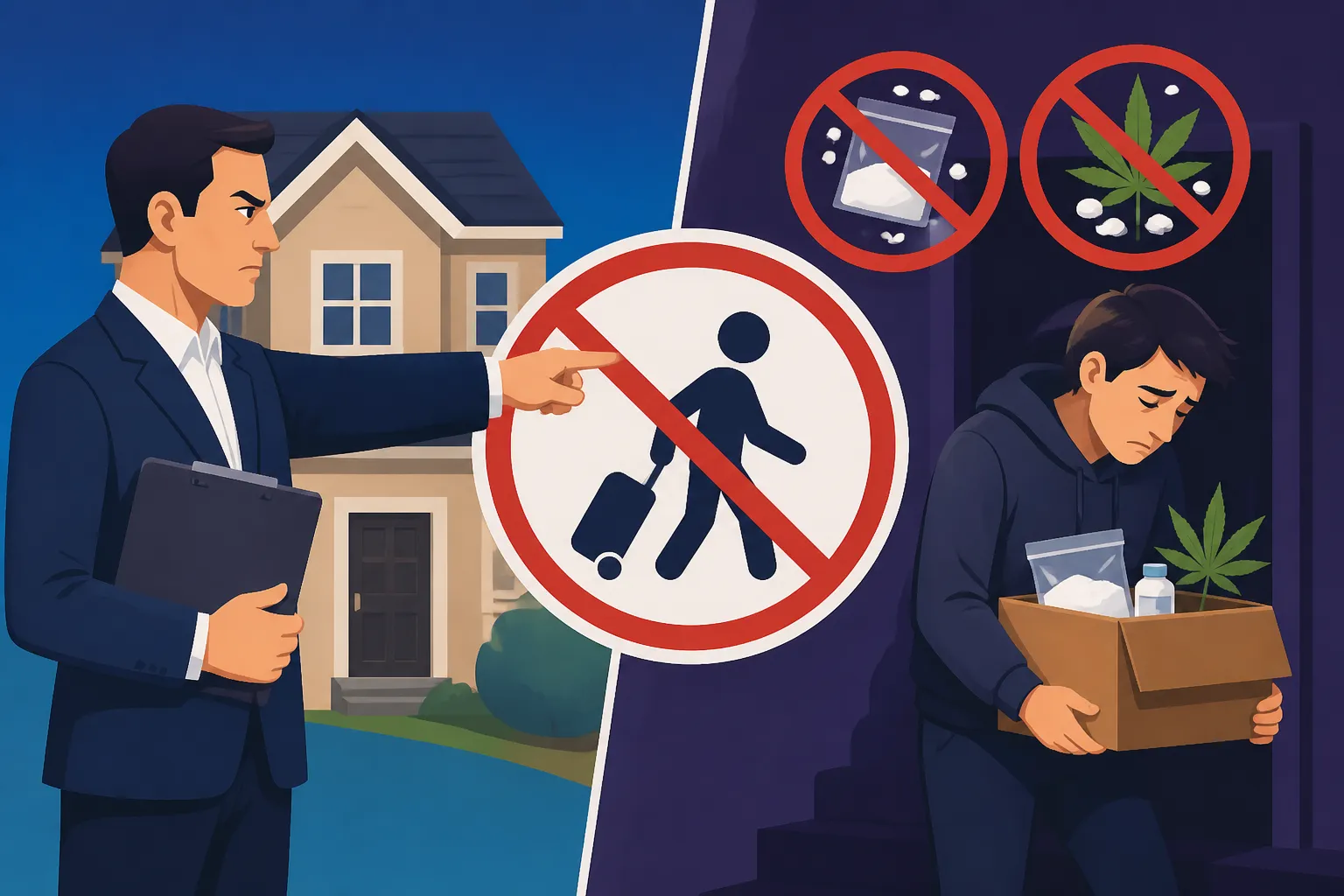
Drug-related activities are one of the most common forms of illegal activity that landlords encounter, and they carry significant risks, from property damage and increased crime to legal liabilities. Addressing these issues swiftly and legally is crucial for maintaining a safe and lawful rental environment.
The Zero-Tolerance Stance and Lease Clauses
Many landlords and property management companies adopt a "zero-tolerance" policy regarding drugs on their properties, and this should be clearly articulated in the lease agreement. This policy usually states that any involvement in illegal drug activity – whether it's possession, use, manufacturing, or distribution – is a material breach of the lease and immediate grounds for eviction. Such clauses serve as a powerful deterrent and provide a clear basis for action if violations occur.
It's vital that your lease language is strong and unambiguous. A vague clause about "illegal activities" might not hold up as well in court as one specifically referencing drug offenses and citing relevant federal or state laws. Make sure your tenants understand these terms from the outset. Companies like DoorLoop offer comprehensive property management software that can help streamline the creation and management of robust lease agreements, ensuring these critical clauses are in place and easily accessible.
Types of Drug Activities Leading to Eviction
Drug-related evictions aren't always about large-scale drug manufacturing operations. They can stem from a variety of activities, including:
- Possession of illegal substances: Even small amounts of drugs not permitted by law can be grounds for eviction, especially if the lease explicitly forbids it.
- Use of illegal substances: If tenants are using illegal drugs in their unit or on the property, creating a nuisance or risk to others, this is a clear violation.
- Manufacturing or cultivation: This is often seen as one of the most severe offenses, particularly for drugs like methamphetamine, which can cause extensive property damage and health hazards.
- Distribution or sale: If a tenant is engaged in selling or distributing illegal drugs from the property, this not only violates the lease but can also draw serious legal consequences for the landlord if not addressed.
- Drug-related criminal activity by guests: In many leases, tenants are responsible for the actions of their guests. If a guest engages in drug activity on the property, the tenant can still be held liable and face eviction.
It's worth noting that some states are evolving their laws around cannabis, making it legal for medical or recreational use. However, even in these states, landlords can often still prohibit cultivation or smoking on the property, especially if it violates federal law (like in subsidized housing) or causes a nuisance to other tenants (e.g., strong odors). The key is clear communication in the lease and consistent enforcement.
Federal vs. State Drug Laws and Impact on Tenancy
The intersection of federal and state drug laws, particularly concerning marijuana, can be a major source of confusion. Federally, marijuana is still classified as a Schedule I controlled substance, meaning it's illegal. However, many states have legalized it for medical or recreational use. For landlords, this creates a critical distinction:
- Federally Subsidized Housing: If your rental property receives any federal funding (e.g., Section 8 housing), federal law takes precedence. This means that even if marijuana is legal in your state, tenants can be evicted for its use or possession on the property because it violates federal law. There is no grey area here; federal law is supreme in these contexts.
- Private Housing: In privately owned housing, state laws generally govern. If marijuana is legal in your state, you typically cannot evict a tenant solely for legal possession or use unless your lease agreement specifically prohibits it. Landlords often include "no smoking" clauses or clauses prohibiting "illegal activities under federal law" to cover these situations. It's important to draft these clauses carefully and legally, especially in states like California or New York, where tenant protections are strong.
Navigating these complexities often requires careful legal review of your lease and a clear understanding of Security Deposit Laws by State (2026). The potential for conflict between state and federal statutes means you must be precise in your lease terms and consistent in your enforcement to avoid claims of discrimination or wrongful eviction.
The Eviction Process for Illegal Activity or Drugs
Evicting a tenant, especially for something as serious as illegal activity or drug offenses, is never a simple task. It’s a legal process that demands strict adherence to state and local laws, and any misstep can lead to significant delays, legal fees, or even the dismissal of your case.
Gathering Evidence: What Landlords Need
Before you can even think about serving an eviction notice, you need compelling evidence to support your claims. Without it, your case is likely to fall apart in court. This isn't about hearsay or suspicions; it's about documented facts.
Here's what constitutes strong evidence:
- Police Reports: Official police reports detailing arrests, citations, or investigations related to illegal activity on your property are invaluable. These are objective and carry significant weight in court.
- Witness Testimonies: Statements from other tenants, neighbors, or even yourself, describing the illegal activity. These should be dated, detailed, and, if possible, signed.
- Photographic or Video Evidence: Images or videos of illegal substances, paraphernalia, damaged property, or suspicious activity. Ensure these are legally obtained and clearly show the date and time.
- Lease Violations: Document how the illegal activity violates specific clauses in your lease agreement.
- Correspondence: Records of any communication with the tenant regarding concerns about their behavior.
- Drug Test Results (if applicable): While not typically required or easy to obtain for a landlord, if a tenant voluntarily provides them or if they are part of a specific program, they can be evidence.
It’s crucial to document everything meticulously. Keep a detailed log of incidents, including dates, times, descriptions, and any actions taken (e.g., contacting police). This meticulous record-keeping is your best defense against tenant challenges. Remember, the burden of proof is on you, the landlord.
Serving the Eviction Notice: Unconditional Quit Notice
When dealing with illegal activity or severe lease violations, most states allow landlords to serve an Unconditional Quit Notice. Unlike a "Pay or Quit" or "Cure or Quit" notice, this type of notice does not give the tenant an opportunity to fix the problem. It simply demands that they vacate the premises by a specific date, usually within 3 to 7 days, depending on state law.
The notice must be properly formatted and legally served to be valid. This typically involves:
- Written Format: The notice must be in writing, clearly stating the reason for eviction (e.g., "engaging in illegal drug activity on the premises"), the specific lease clauses violated, and the date by which the tenant must move out.
- Proper Service: Methods of service vary by state but commonly include personal delivery, certified mail with a return receipt, or posting it on the tenant's door and mailing a copy. Ensure you follow your state's rules precisely. For example, in Texas, landlords must deliver the notice in person or by certified mail.
- Specificity: Be as specific as possible about the illegal activity, including dates and locations where it occurred.
It's strongly recommended to consult with a legal professional or use reputable legal forms from services like LawDepot to ensure your notice is legally sound and properly served. Incorrectly served notices are a common reason eviction cases get dismissed.
Court Proceedings and Tenant Defenses
If the tenant does not vacate by the date specified in the Unconditional Quit Notice, the next step is to file an eviction lawsuit (often called an "unlawful detainer" action) in court. This initiates the formal court process for How to Evict a Tenant.
Here’s a general overview of the court proceedings:
- Filing a Complaint: You (or your attorney) will file a complaint with the appropriate court, outlining the grounds for eviction and attaching copies of the lease and the eviction notice.
- Summons and Service: The tenant will be served with a summons, officially notifying them of the lawsuit and the court date.
- Tenant's Answer: The tenant will have a limited time to file an answer, responding to your claims and potentially raising defenses.
- Court Hearing: Both parties will present their case to a judge. You'll need to present your evidence, and the tenant will have an opportunity to present their defenses.
- Judgment: If the judge rules in your favor, they will issue a judgment of possession, ordering the tenant to vacate. If the tenant still refuses, you'll need to obtain a Writ of Possession & Sheriff Removal to have law enforcement physically remove them.
Tenants might raise various defenses, such as:
- Lack of Evidence: Arguing that you don't have sufficient proof of the illegal activity. This is why thorough documentation is critical.
- Improper Notice: Claiming the eviction notice was not properly served or didn't contain the required information.
- Retaliatory Eviction: Asserting that the eviction is in retaliation for them exercising a tenant right (e.g., requesting repairs).
- Discrimination: Alleging that the eviction is based on a protected characteristic under Fair Housing laws.
- False Accusations: Denying the illegal activity altogether.
Being prepared with strong evidence and understanding the legal process is key to successfully navigating these proceedings.
Tenant Rights and Protections
Even when a landlord suspects or has evidence of illegal activity, tenants still possess fundamental rights that must be respected throughout the eviction process. Ignoring these rights can invalidate an eviction and lead to legal trouble for the landlord.
Proving Innocence and Challenging Allegations
A tenant accused of illegal activity has the right to defend themselves in court. This means they can present their own evidence, question the landlord's claims, and argue that they are not guilty of the alleged actions. It's not uncommon for tenants to claim they were unaware of activities conducted by guests, or that the evidence is circumstantial rather than direct proof of their involvement.
For instance, a tenant might argue that a guest brought drugs onto the property without their knowledge, or that a police report mentions an incident on the property but doesn't specifically tie them to the illegal act. This is where the landlord's robust evidence, directly linking the tenant or their authorized occupants/guests to the illegal activity, becomes paramount. Tenants may also argue that the substances found were not illegal, or that they have a valid medical prescription in states where this is applicable. Understanding How to Stop or Fight an Eviction (Tenant Guide) can be crucial for a tenant in this situation.
The Importance of Legal Counsel
For both landlords and tenants, dealing with an eviction for illegal activity is a serious legal matter that almost always warrants professional legal counsel. For landlords, an attorney can ensure all procedural steps are correctly followed, from drafting the eviction notice to representing you in court, increasing your chances of a successful outcome. They can help navigate the specific nuances of your state's laws regarding such severe evictions, which can often differ significantly from standard non-payment cases.
For tenants facing such accusations, legal representation is equally, if not more, critical. An attorney can help them understand the charges, assess the strength of the landlord's evidence, identify any procedural errors made by the landlord, and formulate a strong defense. They can also advise on potential plea bargains or alternative solutions if the evidence against the tenant is strong. Many legal aid societies offer assistance to tenants who cannot afford private counsel, underscoring the importance of legal support in these high-stakes situations.
Retaliation and Discriminatory Evictions
While landlords have every right to evict tenants for legitimate illegal activity, they cannot use such claims as a pretext for retaliation or discrimination.
- Retaliatory Eviction: This occurs when a landlord attempts to evict a tenant in response to the tenant exercising a legal right. For example, if a tenant reported unsafe living conditions to a housing authority, and then the landlord immediately serves an eviction notice for a minor, unproven infraction, it could be seen as retaliatory. Many states have laws protecting tenants from Retaliatory Eviction Defense. In cases of alleged illegal activity, tenants might claim the accusation is fabricated or exaggerated because they previously complained about a repair issue or organized a tenant's association.
- Discriminatory Eviction: The Fair Housing Act prohibits discrimination based on race, color, national origin, religion, sex (including gender identity and sexual orientation), familial status, and disability. Landlords cannot selectively enforce lease clauses related to illegal activity based on a tenant's protected characteristic. For example, if a landlord only investigates and seeks to evict tenants of a certain ethnicity for minor disturbances, while ignoring similar issues from other tenants, this could be construed as discriminatory.
Both landlords and tenants need to be aware of these protections. Landlords must ensure their actions are based solely on verifiable facts and consistent application of their lease terms and the law, not on discriminatory intent or a desire for retribution.
Preventing Illegal Activity and Maintaining a Safe Property
An ounce of prevention is worth a pound of cure, especially when it comes to keeping illegal activity out of your rental properties. Proactive measures can significantly reduce your risks and help maintain a secure, pleasant environment for all your tenants.
Thorough Tenant Screening and Lease Agreements
The first line of defense against illegal activity is a robust tenant screening process. This goes beyond just a credit check. A comprehensive screening should include:
- Background Checks: Look for criminal history, focusing on convictions for drug-related offenses, violent crimes, or property damage. Be aware that some states have restrictions on how far back you can look or what types of criminal records can be considered.
- Eviction History Checks: A tenant with previous evictions, especially for lease violations related to illegal activity, is a red flag.
- Rental History: Contact previous landlords to inquire about the applicant's behavior, adherence to lease terms, and whether they caused any issues.
- Income Verification: Ensure the tenant has a stable and legitimate source of income, reducing the likelihood of them resorting to illegal means to cover rent.
Pair this thorough screening with a meticulously drafted lease agreement. Your lease should explicitly state that illegal activities, including all forms of drug-related offenses, are prohibited and constitute immediate grounds for eviction. It should also specify that tenants are responsible for the actions of their guests. Consider using a template from a service like LawDepot and customizing it to include strict clauses on illegal activities, including language that covers both state and federal laws concerning drugs, especially if you want to prohibit state-legal marijuana. Clearly outline the consequences for violations.
Fostering Communication and Community Reporting
A strong sense of community and open communication channels can be incredibly effective in preventing and addressing illegal activity. When tenants feel safe and empowered, they are more likely to report suspicious behavior or concerns.
- Clear Reporting Mechanisms: Establish an easy and anonymous way for tenants to report suspicious activities. This could be a dedicated email, a specific phone number, or a designated property manager contact. Emphasize that their safety and privacy will be protected.
- Community Watch: Encourage the formation of a tenant-led neighborhood watch or similar program. When residents look out for each other, it creates a less hospitable environment for illicit activities.
- Visible Management Presence: Regular presence from property managers or landlords can act as a deterrent. When tenants know management is attentive and proactive, it reinforces the message that illegal behavior will not be tolerated.
- Educational Materials: Provide tenants with information on common scams, how to recognize suspicious activity, and whom to contact (police, property management) if they have concerns.
By fostering an environment where vigilance is encouraged and reporting is safe, you create a collective defense against unwanted criminal elements.
Seeking Professional Assistance for Property Management
Managing a rental property, especially when dealing with complex issues like illegal activity, can be overwhelming. This is where professional property management services or software can be incredibly beneficial.
- Property Management Companies: A professional property management company like DoorLoop specializes in handling day-to-day operations, including tenant screening, lease enforcement, and even the initial steps of the eviction process. They have the experience and legal knowledge to identify potential problems early, handle tenant complaints discreetly, and initiate legal proceedings correctly, minimizing your exposure to risk. They can also ensure that all legal notices, like the 3-Day Notice to Pay or Quit Explained or an unconditional quit notice, are prepared and served flawlessly.
- Legal Counsel: For severe cases of illegal activity, or if you're unsure about the specifics of landlord-tenant law in your area, retaining a specialized attorney is paramount. They can provide guidance on evidence collection, draft legal documents, and represent you in court, ensuring compliance with all local, state, and federal regulations.
- Security Consultants: For larger properties or areas with higher crime rates, consider consulting with a security expert. They can recommend measures like improved lighting, security cameras, or access control systems that deter illegal activity and make your property safer for everyone.
Investing in professional assistance helps ensure you're not navigating these challenging situations alone and that your actions are always legally sound.
Consequences for Tenants and Landlords
Eviction for illegal activity or drugs carries profound consequences that reverberate beyond just the immediate loss of housing or rental income. These ramifications can have long-lasting effects on both the tenant's future and the landlord's property and reputation.
Long-Term Repercussions for Evicted Tenants
For a tenant, being evicted for illegal activity or drug offenses can be a life-altering event, creating significant barriers to future housing and employment.
- Eviction Record: An eviction for illegal activity will almost certainly appear on a tenant's rental history reports, making it incredibly difficult to secure new housing. Most landlords conduct thorough How to Screen a Tenant (Landlord Guide) and will automatically deny applicants with such a serious mark on their record. This can lead to a cycle of unstable housing, homelessness, or reliance on less-than-ideal living situations.
- Criminal Record: Depending on the nature of the illegal activity, the tenant may also face criminal charges and a criminal record. This can impact their ability to find employment, obtain certain professional licenses, or even qualify for student loans or other government benefits.
- Financial Penalties: Beyond the loss of their home, tenants may be liable for court costs, legal fees, and any damages to the property caused by their illegal activities. This can lead to significant debt and financial hardship.
- Social Stigma: Being associated with illegal activity can lead to social isolation and damage to personal relationships, further complicating the tenant's ability to rebuild their life.
The ripple effect of such an eviction can be devastating, underscoring the seriousness of engaging in illegal activities while renting.
Risks and Liabilities for Landlords
Landlords also face substantial risks and liabilities if they do not effectively address illegal activity on their property. Ignoring the problem or mishandling the eviction process can lead to serious consequences.
- Property Damage: Drug manufacturing, particularly with substances like methamphetamine, can cause extensive and costly property damage, including structural issues, chemical contamination, and fire hazards. Other illegal activities like vandalism or violent acts can also result in significant repair bills.
- Legal Liability: If a landlord is aware of illegal activity and fails to take reasonable steps to stop it, they could potentially be held liable for damages or injuries that occur on the property as a result. This might include harm to other tenants, visitors, or even the public. For example, if a drug lab explodes, injuring neighbors, the landlord could face negligence lawsuits.
- Insurance Issues: Insurance policies might not cover damages resulting from illegal activities, or premiums could skyrocket if the property is deemed high-risk. Some policies might even be canceled if illegal activities are rampant.
- Loss of Rental Income: The eviction process itself can take time, during which you might not be receiving rent. After eviction, you may face vacancies while repairs are made or while you search for a new, reliable tenant, leading to further financial losses.
- Difficulty Attracting New Tenants: A property with a reputation for illegal activity or crime will struggle to attract quality tenants, impacting occupancy rates and rental values.
These risks highlight why swift and legally compliant action is essential for landlords when confronted with illegal activity.
The Financial and Reputational Costs
Beyond the direct costs of repairs or legal fees, both tenants and landlords can incur significant financial and reputational costs that are harder to quantify but equally impactful.
For landlords, the financial burden of an eviction for illegal activity can be substantial. This includes not just the How Much Does It Cost to Evict a Tenant? itself, but also potential legal settlements if the eviction is contested or if third parties are harmed. The reputational damage to your property and your business can be immense, making it harder to rent out units in the future. Negative reviews or media attention about a property being a "drug den" or a "crime hotspot" can linger for years.
For tenants, the financial costs extend to potential fines, bail, and the inability to find gainful employment due to a criminal record or housing instability. The reputational hit can isolate them from social networks and support systems, making recovery much harder. The emotional and psychological toll on individuals caught in these situations, whether they are the perpetrators or innocent bystanders impacted by the activity, is immeasurable. Both sides have a strong incentive to avoid such situations through clear communication, legal compliance, and proactive problem-solving.
| Type of Illegal Activity | Typical Eviction Notice Type | Minimum Notice Period (General, Varies by State) | Key Evidence Required |
|---|---|---|---|
| Drug Manufacturing | Unconditional Quit | 3-7 days | Police reports, chemical residues, lab equipment, witness statements |
| Drug Dealing/Sales | Unconditional Quit | 3-7 days | Police reports, surveillance, witness statements, transaction evidence |
| Violent Crime | Unconditional Quit | 3-7 days | Police reports, court documents, victim testimony, physical evidence |
| Property Vandalism/Damage (Intentional) | Unconditional Quit | 3-7 days | Police reports, photos/videos, repair estimates, witness statements |
| Prostitution/Illegal Business | Unconditional Quit | 3-7 days | Police reports, witness statements, online solicitations, unusual traffic |
| Repeated Minor Disturbances (escalating to criminal) | Cure or Quit (initial) / Unconditional Quit (if persistent) | 3-30 days (initial) / 3-7 days (unconditional) | Police reports, nuisance complaints, lease violation notices |
Note: This table provides general guidance. Specific notice periods and evidence requirements vary significantly by state and local jurisdiction. Always consult your local laws and a legal professional.
Disclaimer
The information provided in this guide is intended for informational purposes only and does not constitute legal advice. Landlord-tenant laws are complex and vary significantly by jurisdiction. It is highly recommended that you consult with a qualified attorney or legal professional in your specific state or locality for advice regarding your individual situation.