How to Evict a Tenant in Hawaii
Finding yourself in a situation where you need to evict a tenant in Hawaii can be incredibly stressful, confusing, and emotionally taxing. The legal process often feels opaque, and the fear of making a mistake that prolongs the situation or leads to legal repercussions is a very real concern for landlords. This comprehensive guide is designed to cut through that confusion, providing you with a clear, step-by-step roadmap to navigate the eviction process in the Aloha State, ensuring you understand your rights and responsibilities every step of the way.
Understanding Hawaii's Eviction Landscape
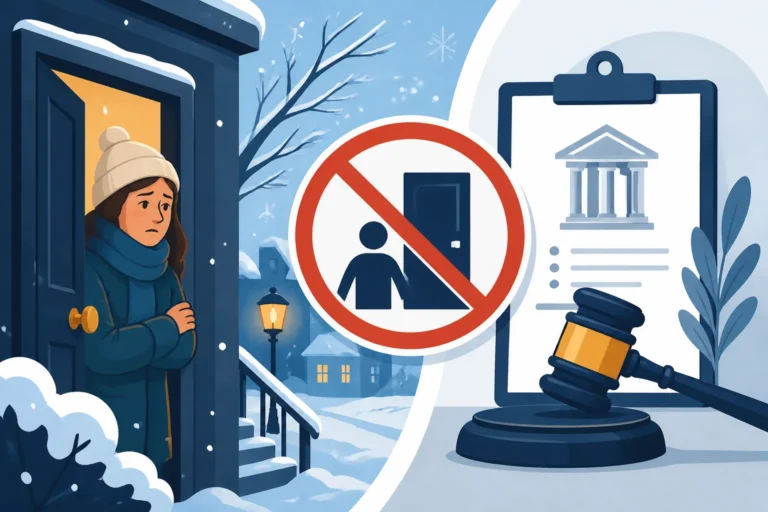
Evicting a tenant in Hawaii isn't a quick or simple task. The state's landlord-tenant laws are codified under Chapter 521 of the Hawaii Revised Statutes, and they offer specific protections to tenants while outlining the precise procedures landlords must follow. It's crucial to understand that Hawaii prohibits "self-help" evictions, meaning you can't just change the locks or shut off utilities to force a tenant out. Any deviation from the legal process can lead to significant penalties for the landlord.
Key Legal Frameworks
The foundation of any landlord-tenant relationship in Hawaii rests firmly on the state's legal framework, primarily Chapter 521, the Residential Landlord-Tenant Code. This statute dictates everything from how a lease should be structured to the explicit rules for ending a tenancy, including specific notice periods and acceptable reasons for eviction. It's not just a suggestion; it's the law, and courts in Hawaii expect landlords to adhere to it strictly. Trying to operate outside of these established rules can swiftly turn a valid eviction attempt into a costly legal nightmare.
Beyond the state code, some counties or cities might have additional ordinances, though Hawaii does not have widespread rent control, for example. Always double-check with your local housing authority or a legal professional if you're unsure about any specific local regulations that might apply in areas like Honolulu, Maui, or Kauai. Understanding these specific laws is your first line of defense against potential legal challenges from tenants or housing advocates. Many landlords find tools like those offered by LawDepot helpful for drafting legally compliant lease agreements from the outset, which can prevent many eviction issues later on.
Common Grounds for Eviction in Hawaii
Not every problem with a tenant warrants an eviction. In Hawaii, you must have a legally valid reason, or "just cause," to initiate the eviction process. Attempting to evict a tenant without a legitimate reason will almost certainly fail in court and could even result in claims of retaliatory eviction against you.
One of the most frequent reasons for eviction is nonpayment of rent. Tenants are obligated to pay rent on time, as specified in their lease agreement. If they fail to do so, this typically triggers a specific notice period before you can proceed with a court filing. Another common ground is a lease violation. This could be anything from unauthorized pets, excessive noise, property damage beyond normal wear and tear, or subletting without permission. The lease agreement itself is the key document here, as it defines what constitutes a violation. If your lease agreement is clear and comprehensive, it makes proving a violation much easier.
Lastly, some evictions occur even if a tenant hasn't done anything "wrong" but the tenancy has simply ended. For month-to-month tenancies, you might be able to end the tenancy without cause, provided you give proper notice. However, for fixed-term leases, you generally cannot evict a tenant before the lease ends unless they violate the terms. Understanding these specific grounds is critical before you even think about serving an eviction notice.
The Step-by-Step Hawaii Eviction Process
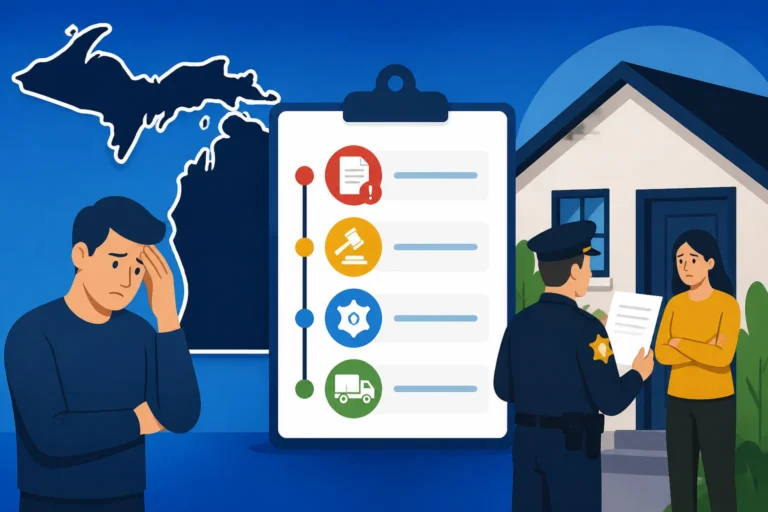
The legal eviction process in Hawaii is often referred to as "Summary Possession." It's a court-ordered procedure, and skipping any step can jeopardize your case. It's designed to be precise, protecting both landlord and tenant rights.
Step 1: Serving the Proper Eviction Notice
This is perhaps the most critical initial step. Before you can even think about going to court, you must provide your tenant with a formal, written eviction notice. The type of notice and the amount of time you must give the tenant depend entirely on the reason for the eviction.
- For Nonpayment of Rent: If a tenant fails to pay rent, Hawaii law requires you to serve a 5-day Notice to Pay Rent or Quit. This means the tenant has five calendar days to either pay the overdue rent in full or move out. If they do neither, you can then proceed to court. It's important to note that this clock starts ticking the day after the notice is served, and holidays and weekends are included in the five days. For more general information on this, you can look into Eviction for Nonpayment of Rent.
- For Lease Violations: For breaches of the lease agreement (other than nonpayment), you'll typically serve a 10-day Notice to Cure or Quit. This notice gives the tenant ten days to fix the violation (e.g., remove an unauthorized pet, stop excessive noise) or move out. If the violation is not cured within ten days, or if they don't vacate, you can initiate court proceedings. This usually applies to significant violations, not minor infractions.
- For Non-Compliance with Rental Agreement or Law: If a tenant fails to perform an obligation under the rental agreement or state law, and that failure significantly affects health and safety, you must give them written notice specifying the breach and giving them 10 days to remedy it. If not remedied, the landlord may terminate the rental agreement and tenant may be evicted. This is similar to a "Cure or Quit" notice but emphasizes health and safety.
- Ending a Month-to-Month Tenancy (Without Cause): If you have a month-to-month agreement and wish to terminate it without a specific "cause" like non-payment or a lease violation, you must provide a 45-day written notice to the tenant. The tenant must also provide you with a 28-day notice if they intend to move out. If the tenant has lived in the property for at least 20 years, they are entitled to a 120-day notice. This notice period must be honored, and you cannot demand they leave sooner. This type of notice is simply a declaration that you are not renewing their tenancy, and it should not allege any wrongdoing on the tenant's part.
Proper Service is Key: How you deliver this notice is just as important as the notice itself. In Hawaii, proper service usually means:
- Handing it directly to the tenant.
- Leaving it with a person of suitable age and discretion at the tenant’s residence.
- Posting it in a conspicuous place on the premises and mailing a copy by certified mail.
- If you're unsure about the specifics, consider using a professional process server to ensure the notice is served legally and documented correctly. Platforms like DoorLoop can help landlords manage these notices and keep digital records, which are invaluable if you end up in court.
Step 2: Filing an Eviction Lawsuit (Summary Possession)
If the tenant doesn't comply with the notice (either by paying rent, curing the violation, or moving out) within the specified timeframe, your next step is to file an eviction lawsuit, known as a "Complaint for Summary Possession," with the District Court in the circuit where the property is located.
This involves several crucial documents:
- The Complaint: This formal document outlines the facts of your case, including the property address, the tenant's name, the reason for eviction, and the relief you're seeking (possession of the property and potentially unpaid rent/damages).
- Summons: This is the official court document that notifies the tenant they are being sued and must appear in court on a specific date and time.
- Copies of Your Notice and Lease: You'll need to attach copies of the eviction notice you served, the lease agreement, and any other relevant documentation (like records of rent payments or communications).
Once filed, the court will issue a summons that must be properly served on the tenant by a sheriff, deputy sheriff, or a licensed process server. This legal process ensures the tenant is officially aware of the lawsuit and their court date. Improper service of the summons can lead to delays or even dismissal of your case, forcing you to start over. It's often helpful to consult resources like "How to File for Eviction (Landlord Step-by-Step)" to understand the general court process.
Step 3: Court Hearing and Judgment
After the tenant has been properly served, a court hearing will be scheduled. Both you (or your attorney) and the tenant will need to appear. During the hearing, you'll present your case, explaining why you are seeking eviction and providing evidence such as the lease agreement, the eviction notice, payment records, and any documentation of lease violations. The tenant will also have an opportunity to present their side of the story and any defenses they may have.
Common tenant defenses include claims that:
- The notice was improperly served or contained errors.
- The alleged lease violation did not occur or was remedied.
- The landlord failed to maintain the property (breach of the implied warranty of habitability).
- The eviction is retaliatory.
- The landlord discriminated against the tenant.
The judge will hear both sides and review the evidence. If the judge rules in your favor, they will issue a "Judgment for Possession," which legally restores possession of the property to you. They may also award you monetary damages for unpaid rent or property damage. However, even with a judgment, you cannot physically remove the tenant yourself.
Step 4: Obtaining a Writ of Possession and Tenant Removal
If the tenant still hasn't moved out after the judge grants you a Judgment for Possession, you must take one final legal step: obtaining a "Writ of Possession" from the court. This is a court order directing the sheriff or other authorized law enforcement officer to physically remove the tenant from the property.
Once you have the Writ of Possession, you will deliver it to the sheriff's department. The sheriff will then schedule a time to serve the writ on the tenant, typically giving them a final notice to vacate, usually 24 to 48 hours. If the tenant still refuses to leave, the sheriff will return to the property at the scheduled time to physically remove them and their belongings. Only law enforcement can carry out this final step of the eviction. You cannot force a tenant out or remove their belongings yourself. This is a crucial distinction covered in detail in articles like The Writ of Possession & Sheriff Removal.
Important Considerations and Potential Pitfalls
Navigating evictions requires vigilance. There are many ways for the process to go awry, often resulting in significant delays and additional costs for the landlord. Being aware of these potential issues beforehand can save you a lot of grief.
Illegal Self-Help Evictions to Avoid
This cannot be stressed enough: do not engage in self-help evictions. In Hawaii, any attempt by a landlord to force a tenant out without a court order is strictly prohibited and carries severe penalties. This includes actions such as:
- Changing the locks on the doors to prevent the tenant from entering.
- Shutting off utilities (electricity, water, gas, etc.) to make the unit uninhabitable.
- Removing the tenant's belongings from the property.
- Threatening or intimidating the tenant.
If you are found to have engaged in a self-help eviction, you could face hefty fines, be ordered to pay the tenant damages (which can be significant), and even lose your right to evict them through legal means. The tenant could also sue you in court. It's simply not worth the risk. Always follow the proper legal channels, even if it feels slower or more frustrating. For a deeper dive into the risks, read about Illegal Self-Help Eviction (Lockouts & Utility Shutoffs).
Tenant Defenses and Retaliation
Tenants in Hawaii have rights, and they can present various defenses in court to challenge an eviction. As mentioned earlier, these might include arguments about improper notice, unaddressed repair issues that made the unit uninhabitable (a breach of the implied warranty of habitability), or claims of discrimination.
A particularly strong defense is retaliatory eviction. Under Hawaii law, it's illegal for a landlord to evict a tenant in retaliation for the tenant exercising their legal rights. For example, if a tenant complains to the health department about a serious code violation, and you immediately serve them an eviction notice, that could be seen as retaliation. The law assumes retaliation if you serve an eviction notice within six months of a tenant making a legitimate complaint or exercising a legal right. This presumption means you, as the landlord, would have to prove that your eviction was for a legitimate, non-retaliatory reason. Understanding these nuances is key to avoiding legal trouble. You can learn more about how tenants can fight an eviction by checking out How to Stop or Fight an Eviction (Tenant Guide) and Retaliatory Eviction Defense.
Special Circumstances: Lease-End and Without Cause Evictions
While most evictions stem from a tenant's direct fault, there are situations where a tenancy ends for other reasons. For month-to-month tenancies, Hawaii law allows landlords to terminate the agreement without cause, provided they give the tenant a 45-day written notice (or 120-day notice if the tenant has resided there for 20 years or more). This means you don't need a specific violation; you simply choose not to continue the rental agreement.
However, for fixed-term leases, you generally cannot evict a tenant simply because you want them out before the lease expires. The tenant has a right to occupy the property until the end of the lease term, provided they adhere to the lease conditions. The only exceptions are if the tenant breaches the lease or if a specific early termination clause is included in the lease agreement. If you wish to end a fixed-term lease, you typically must wait until the lease naturally expires and then provide proper notice of non-renewal, as outlined in the agreement and state law. This is different from a typical "eviction" as it's a non-renewal of the contract rather than removal for a breach.
Here's a quick overview of Hawaii's notice requirements:
| Reason for Eviction | Notice Period Required (Tenant to Pay/Cure/Quit) |
|---|---|
| Nonpayment of Rent | 5 Days |
| Lease Violation (General) | 10 Days |
| Non-Compliance (Health/Safety) | 10 Days |
| Ending Month-to-Month Tenancy | 45 Days (Landlord) / 28 Days (Tenant) / 120 Days (Tenant 20+ years) |
Remember, this table summarizes the most common scenarios. Always refer to Hawaii Revised Statutes Chapter 521 or consult a local attorney for advice tailored to your specific situation. This guide provides general information and does not constitute legal advice.
Navigating the Challenges of Eviction in Hawaii
The eviction process, even for the most seasoned landlords, is rarely smooth sailing. Hawaii's laws are designed to be fair, but this means there's a detailed process to follow, and tenants have avenues to protect their rights. Dealing with an eviction can be emotionally draining and time-consuming, requiring meticulous record-keeping, strict adherence to legal timelines, and sometimes, direct confrontation in court.
One of the biggest hurdles is often the emotional toll. It’s tough to be in a position where you have to force someone from their home, even if they're not holding up their end of the bargain. But remember, as a landlord, this is also your business, and protecting your investment and ensuring the property is treated with respect and rent is paid is crucial. Having clear boundaries and understanding your legal options helps to depersonalize the process somewhat.
Another significant challenge is the potential for delays. Even with a strong case, tenants can request continuances, and court dockets can be crowded, stretching the process out for weeks or even months. This is why proper documentation from day one is paramount. Every notice, every communication, every photo of damage, and every rent payment record serves as a piece of evidence. Using property management software, like DoorLoop, can be a huge help in keeping all these records organized and easily accessible, saving you immense headaches when it comes time for court. When facing an eviction, you should also be familiar with the Hawaii eviction timeline.
It's also important to consider the financial implications. Evictions aren't free. There are filing fees, service fees for summons and writs of possession, and potentially attorney fees. While you might be able to recover some of these costs if the judge rules in your favor, there's no guarantee, and you'll still have to cover them upfront. The potential for lost rent during the eviction period can also add up, which is why acting swiftly and correctly from the start is in your best interest. Knowing How Long Does an Eviction Take? can help set realistic expectations.
Finally, while this guide offers a comprehensive overview, landlord-tenant law is complex and constantly evolving. This information is a starting point, but it's never a substitute for personalized legal advice. If you're unsure about any aspect of the eviction process, particularly if it's your first time or if the situation is complicated (e.g., involving undocumented tenants, special needs, or allegations of discrimination), consulting with a qualified attorney specializing in Hawaii landlord-tenant law is always the wisest course of action. An attorney can review your specific circumstances, ensure all steps are followed correctly, represent you in court, and help you navigate any unexpected turns the process might take.
Disclaimer
Please note that this guide provides general information about the eviction process in Hawaii and is not intended as legal advice. Landlord-tenant laws can be complex and are subject to change. For advice specific to your situation, it is highly recommended to consult with a qualified attorney in Hawaii.