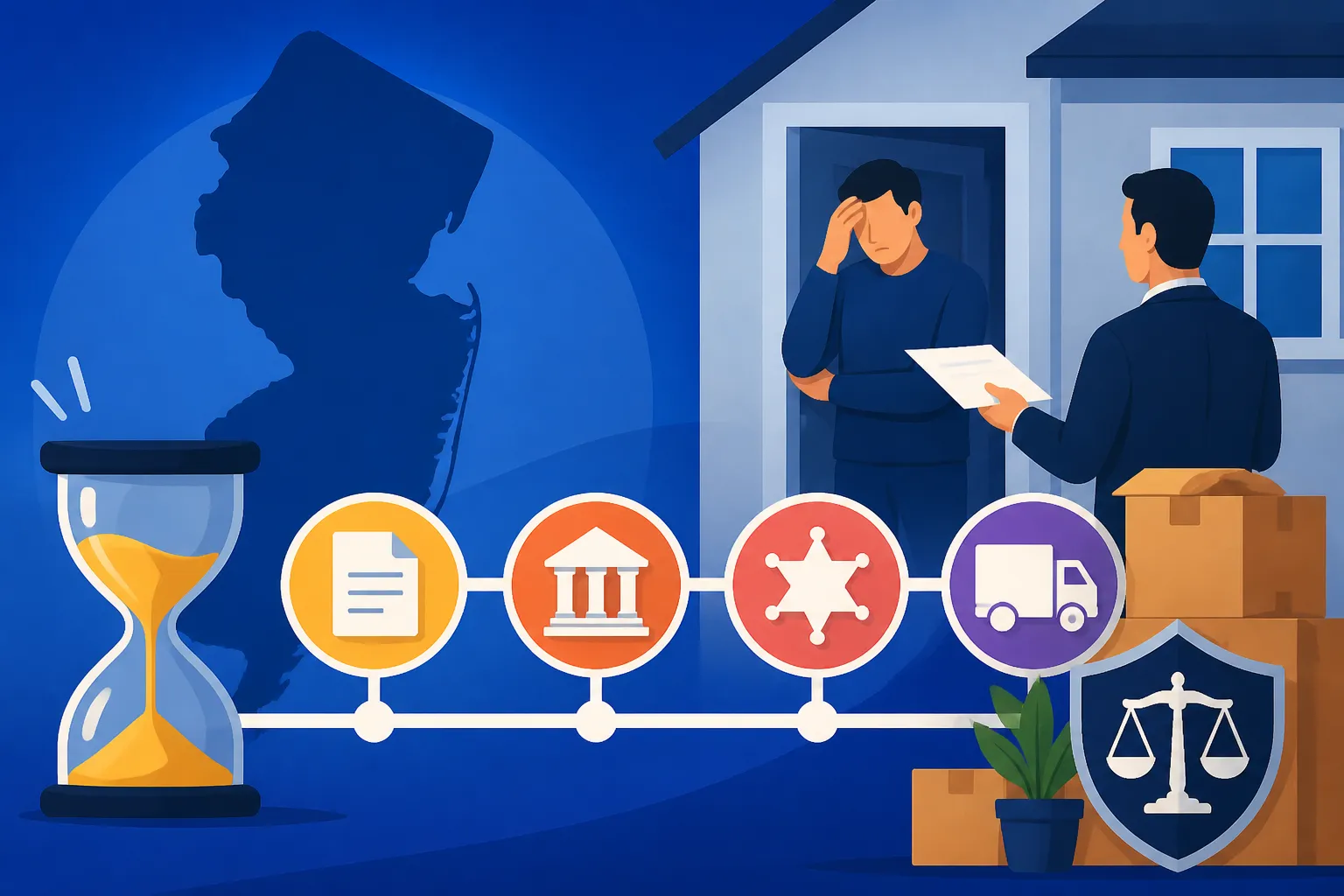
Eviction Timeline in New Jersey: How Long It Takes
Facing an eviction notice in New Jersey can feel like an incredibly overwhelming and confusing ordeal, whether you’re a tenant trying to understand your rights or a landlord simply trying to navigate a challenging situation. The legal process is intricate, and the timeline isn't always straightforward, leading to a lot of stress and uncertainty about what comes next and how long it might all take. This comprehensive guide will walk you through the typical eviction timeline in New Jersey, breaking down each critical stage so you can better understand the process and prepare for what lies ahead.
Understanding the New Jersey Eviction Process Overview
Let’s be honest, no one wants to go through an eviction. It’s a tough situation for everyone involved, and the legal framework in New Jersey adds layers of complexity that can make it feel even more daunting. Unlike some states where landlords can evict for almost any reason after a lease term ends, New Jersey has a strong "good cause" eviction law, meaning a landlord must have a legally recognized reason to evict a tenant. This fundamental difference means the process isn't just about how long each step takes, but why it's happening in the first place.
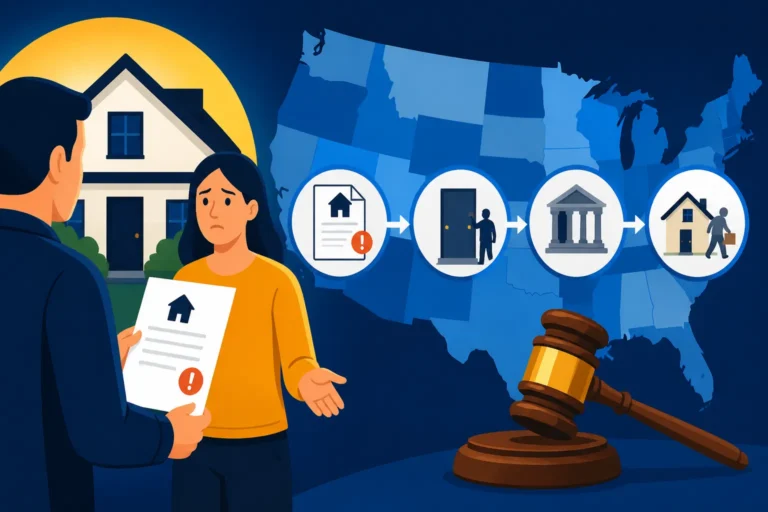
Typically, the entire eviction process in New Jersey, from the initial notice to the final lockout by a sheriff, can take anywhere from 6 weeks to several months, or even longer, depending on the specifics of the case, court backlogs, and whether either party seeks delays or appeals. It’s rarely a quick process, especially if the tenant actively disputes the eviction or requests additional time.
Initial Notice Requirements
The very first step in nearly every eviction in New Jersey is a formal notice from the landlord to the tenant. This isn't just a friendly chat or a text message; it's a legally required document that outlines the reason for eviction and gives the tenant a chance to remedy the situation (if applicable). The type of notice and the amount of time it gives depends entirely on the "good cause" for eviction. For example, a landlord can issue different notices for nonpayment of rent, lease violations, or other specific reasons. You can find more details on this process in our guide on Eviction Notice Types Pay or Quit, Cure or Quit, Unconditional.
For nonpayment of rent, a landlord usually needs to serve a Notice to Cease or a Notice to Pay or Quit. While New Jersey doesn't mandate a specific "pay or quit" period for rent, the landlord usually needs to wait until rent is late by a certain amount (often past any grace period in the lease) before they can even serve a notice to cease, allowing the tenant to catch up. For other lease violations, a Notice to Cease might give the tenant time to correct the issue before a Notice to Quit is served. For serious issues, an Unconditional Notice to Quit might be given, meaning no opportunity to cure. This initial notice period is crucial and sets the tone for the entire timeline.
Filing the Eviction Lawsuit and Court Proceedings
Once the notice period expires and the issue remains unresolved, the landlord can then file an eviction lawsuit, known as a "Summary Dispossess Action," in the New Jersey Superior Court, Landlord-Tenant Division. This officially kicks off the legal proceedings. The landlord will file a complaint and have it served to the tenant, typically by a court officer.
After the complaint is filed and served, a court date is usually scheduled within 10 to 30 days. This initial hearing is often a conference where a judge might encourage mediation to try and resolve the dispute outside of a full trial. Many cases are settled at this stage, either through a payment plan, an agreement to vacate, or another compromise. If no agreement is reached, the case will proceed to trial. This court phase, from filing to judgment, can vary greatly but usually takes several weeks to a few months, especially if there are adjournments or extensive arguments.
Detailed Breakdown of Each Eviction Stage
To truly understand the "Eviction Timeline in New Jersey," it's essential to break down each stage and grasp the typical durations involved. Keep in mind that these are general guidelines, and individual cases can deviate significantly.
Stage 1: The Eviction Notice and Waiting Period
This is where everything begins. The landlord must provide the tenant with a written eviction notice. The duration of this notice period is entirely dependent on the reason for eviction under New Jersey's "good cause" laws.
- Nonpayment of Rent: In New Jersey, a landlord can serve a "Notice to Cease" when rent is habitually late, or a "Notice to Pay or Quit" once rent is past due. While a Notice to Quit for nonpayment of rent doesn't typically require a statutory waiting period before filing the complaint, New Jersey courts generally expect landlords to have given tenants a reasonable opportunity to pay. Many leases will include a grace period, usually 3-5 days, and landlords often wait longer. The total time from the due date to filing can easily be 1-2 weeks or more.
- Lease Violations (Curable): For violations like having an unauthorized pet, excessive noise, or minor property damage, the landlord must first serve a "Notice to Cease." This notice typically gives the tenant 30 days to correct the violation. If the tenant doesn't stop the behavior or remedy the issue, the landlord can then serve a "Notice to Quit," which also usually provides another 30 days before the landlord can file a complaint. So, for curable lease violations, you're often looking at a minimum of 60 days before a lawsuit can even be filed.
- Serious Lease Violations or Property Damage (Non-curable): For very severe breaches, like serious property damage or criminal activity on the premises, a landlord might be able to serve an "Unconditional Notice to Quit," which gives the tenant a shorter period, often 3 days, to vacate before the landlord can proceed with filing an eviction.
- Expiration of Lease Term (Month-to-Month): If a tenant is on a month-to-month lease and the landlord wants them to leave without specific "good cause" beyond ending the tenancy, they usually need to give a 30-day notice to quit. However, if the tenant has been there for a significant period (e.g., more than a year), this notice period can be longer, sometimes up to 90 days. For fixed-term leases, landlords generally cannot evict simply because the lease is ending unless a "good cause" exists or the lease explicitly states no renewal.
During this notice period, the tenant has the opportunity to comply with the notice (e.g., pay outstanding rent, fix a violation). It’s also an important time for both parties to gather any documentation, like a well-drafted notice from LawDepot, photographs, or communication records, which will be essential if the case goes to court.
Stage 2: Filing the Complaint and Court Hearing
Once the notice period has passed and the tenant has not complied or vacated, the landlord can then initiate the formal eviction process by filing a complaint with the court.
- Complaint Filing: The landlord files a "Summary Dispossess Complaint" with the Landlord-Tenant Division of the Superior Court in the county where the property is located. This typically takes a few days to process.
- Service of Process: A court officer (like a sheriff or process server) will then serve the tenant with a copy of the complaint and a summons, notifying them of the court date. This usually happens within 1 to 2 weeks of filing.
- Initial Court Hearing: The summons will specify a court date, which is typically scheduled within 10 to 30 days after the complaint is issued. Many landlord-tenant court calendars are busy, so this can sometimes be closer to the 30-day mark or even slightly longer.
At this initial hearing, several things can happen:
* Mediation: Often, a mediator will be available to help both parties reach a settlement. This could involve a payment plan for back rent, an agreement for the tenant to move out by a certain date, or other compromises. Many cases resolve here.
* Adjournment: Either party might request a postponement (adjournment) for various reasons, such as needing more time to find a lawyer, gather evidence, or apply for rental assistance. Judges often grant reasonable requests, which can add weeks to months to the timeline.
* Trial: If no settlement is reached, the case proceeds to a trial, where both sides present their evidence and arguments to a judge. These trials are usually heard on the same day or scheduled for a date soon after.
Stage 3: Judgment and Warrant of Removal
If the judge rules in favor of the landlord, a "Judgment for Possession" is issued. However, this doesn't mean the tenant has to leave immediately.
- Grace Period: After a Judgment for Possession is granted, New Jersey law provides a short "grace period" before the landlord can request a "Warrant of Removal." For nonpayment of rent cases, the tenant usually has until the end of the business day on the date the judgment is entered to pay the full amount due, plus court fees, to stop the eviction. If they pay, the eviction is usually dismissed. If not, the landlord can request the warrant after 3 business days. For other types of evictions, the warrant can typically be requested after 3 days.
- Warrant of Removal: Once the grace period passes, the landlord can request the court to issue a "Warrant of Removal." This is the official document that authorizes the sheriff to physically remove the tenant from the property. The court clerk processes this, which can take a few days to a week.
Stage 4: Sheriff's Lockout
This is the final stage, where physical removal occurs.
- Sheriff's Notice: Once the landlord has the Warrant of Removal, they deliver it to the county sheriff's office. The sheriff will then serve the tenant with a copy of the Warrant of Removal, which typically gives the tenant 3 business days to vacate the premises voluntarily. This notice is a very serious warning that the lockout is imminent.
- The Lockout: If the tenant still hasn't moved out after the 3 business days, the sheriff will schedule a date and time for the physical lockout. The actual lockout date depends on the sheriff's schedule and workload, which can vary significantly by county. In some counties, it might happen within a week of the 3-day notice, while in busier counties like Essex or Hudson, it could take 1-3 weeks or more for the sheriff to perform the lockout. The landlord must typically be present or have a representative there with a locksmith to change the locks.
Here's a simplified table summarizing the typical timeline:
| Stage | Typical Duration (New Jersey) | Notes |
|---|---|---|
| Notice to Tenant | 3 days to 90 days | Varies by reason (e.g., nonpayment, lease violation, month-to-month). Many notices are 30 days. |
| Filing Complaint & Service | 1-2 weeks | After notice period expires. Court officer serves documents. |
| Initial Court Hearing | 10-30 days from filing | Often involves mediation; can lead to settlement or adjournment. |
| Judgment for Possession | Day of hearing/trial | If judge rules for landlord. |
| Warrant of Removal Request/Issuance | 3 business days after judgment, then 1 week for processing | Landlord can request after grace period; court issues the warrant. |
| Sheriff's Notice to Vacate | 3 business days | Served by sheriff after receiving warrant, informing tenant of impending lockout. |
| Sheriff's Lockout | 1-3 weeks after notice | Actual physical removal by sheriff; timing depends on sheriff's schedule and county. |
| Total Estimated Time | 6 weeks to several months | Can be much longer with complexities like adjournments, appeals, or tenant legal aid intervention. |
Factors That Can Lengthen or Shorten the Timeline
The timeline outlined above is a general estimate. In reality, several factors can significantly impact how long an eviction case takes in New Jersey. Understanding these can help both landlords and tenants anticipate potential delays.
Tenant Actions and Defenses
Tenants in New Jersey have strong rights, and if they actively engage with the legal process, it can add substantial time.
- Raising Defenses: A tenant might argue that the landlord didn't properly serve the notice, that the "good cause" for eviction is invalid, that the property is uninhabitable (like a lack of heat in winter, which falls under No Heat / No Hot Water / No AC Your Rights), or even that the eviction is retaliatory. Each defense raised requires the court to consider it, which can mean more hearings or requests for additional evidence.
- Requesting Adjournments: Tenants might request more time to find legal representation, apply for rental assistance, or find a new place to live. Judges often grant reasonable adjournments, especially if the tenant can demonstrate a genuine hardship or a path to resolution, adding weeks or even months.
- Appeals: If a tenant loses at the trial level, they have the right to appeal the decision to a higher court. While appeals are less common in summary dispossess actions due to the time-sensitive nature, they can entirely halt the eviction process for many months, or even over a year, while the appeal is heard.
- Rental Assistance: If a tenant applies for and receives rental assistance (like through programs run by the New Jersey Department of Community Affairs or local agencies), this can often delay or even stop an eviction for nonpayment of rent, as long as the assistance covers the overdue amount.
Landlord Preparation and Court Efficiency
The landlord's preparedness and the local court's workload also play a role.
- Incomplete Filings or Errors: If a landlord submits an incomplete or incorrect eviction complaint, the court may reject it, requiring the landlord to refile. This immediately adds delays. Using reputable services like LawDepot for document preparation can help minimize these errors.
- Eviction for a Lease Violation: Cases based on lease violations can take longer than nonpayment cases because they often involve more factual disputes. The landlord needs to prove the violation occurred, and the tenant may argue it didn't, or that they cured it.
- Court Backlogs: The volume of cases in a particular county's Landlord-Tenant Division can significantly impact scheduling. Larger, more populous counties like Bergen, Middlesex, or Camden might have longer waits for court dates or sheriff services compared to smaller counties. For instance, the Eviction Timeline in New York How Long It Takes might differ from New Jersey due to different court backlogs and state laws.
- Sheriff's Availability: As mentioned, the final lockout by the sheriff is dependent on their schedule. If there's a high volume of evictions or other law enforcement duties, scheduling a lockout can take longer.
Property management software like DoorLoop can assist landlords in keeping meticulous records and generating accurate notices, which can streamline the administrative side and potentially prevent delays caused by errors.
Legal Representation and Settlements
The involvement of legal counsel and the potential for settlements can also influence the timeline.
- Attorneys: If either party is represented by an attorney, they might request more time for discovery, negotiations, or to prepare their case, potentially extending the process. However, a skilled attorney can also help expedite a resolution by navigating the legal complexities efficiently.
- Settlement Agreements: Many eviction cases are resolved through settlement agreements reached either informally between the parties or through court-ordered mediation. These agreements can prevent a lengthy trial and set a clear timeline for the tenant to vacate, often shortening the overall process considerably compared to a fully contested case.
What Tenants and Landlords Can Do
Navigating an eviction in New Jersey is a serious matter. Whether you’re a tenant trying to keep your home or a landlord needing to regain possession of your property, understanding your options and preparing properly can make a significant difference in the timeline and outcome.
For Tenants Facing Eviction
If you’ve received an eviction notice, the worst thing you can do is ignore it. Here's what you should consider:
- Understand the Notice: First, carefully read the eviction notice. Why is your landlord trying to evict you? Is it for nonpayment of rent, a lease violation, or something else? Knowing the specific reason is critical for figuring out your next steps.
- Seek Legal Advice Immediately: New Jersey has a strong legal aid network for tenants. Contact legal services organizations, such as Legal Services of New Jersey, or private attorneys who specialize in landlord-tenant law. They can advise you on your rights, potential defenses, and how to fight an eviction effectively. This is especially important if you believe the eviction is unfair, retaliatory, or based on false claims. You can learn more about this in our guide on How to Stop or Fight an Eviction Tenant Guide.
- Gather Documentation: Collect any relevant documents: your lease agreement, rent payment receipts, communication with your landlord (emails, texts, letters), photographs of the property, repair requests, and any proof related to the reason for eviction. The more organized you are, the better.
- Explore Rental Assistance: If you're being evicted for nonpayment of rent, immediately look into emergency rental assistance programs available through the New Jersey Department of Community Affairs or local charities. Many programs can provide funds to cover back rent, which can stop an eviction process dead in its tracks.
- Communicate, But Carefully: While communication with your landlord can sometimes lead to a resolution, be cautious. Any agreements should be in writing. If you have legal representation, let your attorney handle communications.
- Prepare for Court: If your case goes to court, show up on time with all your documents. Present your side calmly and clearly. Be aware that the court may offer mediation, which can be a good opportunity to reach a mutually agreeable solution without further litigation.
For Landlords Initiating Eviction
As a landlord in New Jersey, it's crucial to follow the law meticulously to avoid costly delays or even dismissals of your case.
- Ensure "Good Cause": Remember, New Jersey is a "good cause" eviction state. Make sure you have a valid, legally recognized reason for eviction before you even consider sending a notice. Common reasons include nonpayment of rent, lease violations, or disorderly conduct.
- Proper Notice is Key: Do not skip or rush the notice period. Ensure you serve the correct type of notice for the specific violation and allow the full statutory time period to expire before taking further action. Errors in notice can lead to your case being dismissed. Platforms like LawDepot can provide state-specific legal forms to help ensure your notices are compliant.
- Keep Meticulous Records: Document everything: the lease agreement, move-in checklists, rent payment history, detailed records of lease violations, all communication with the tenant (dated and in writing), and any attempts to resolve issues. Good record-keeping is your best friend in court. Software like DoorLoop can be invaluable for managing these records efficiently.
- Consider Mediation: Many courts offer mediation services. This can be a faster, less expensive, and less stressful way to resolve a dispute than a full trial. Be open to negotiating a settlement, such as a payment plan or a mutual agreement for the tenant to vacate.
- Understand the Sheriff's Process: Once you have a Warrant of Removal, be prepared for the sheriff's timeline. Their schedule is often unpredictable, so maintain open communication with their office. You’ll need to arrange for a locksmith to be present on the day of the lockout. For more information, see our guide on The Writ of Possession Sheriff Removal.
- Avoid Self-Help Evictions: Never, under any circumstances, attempt to evict a tenant yourself by changing locks, shutting off utilities, or removing their belongings. These are illegal "self-help" evictions and can result in severe penalties, including fines and damages awarded to the tenant. Always follow the judicial process. Our article on Illegal Self-Help Eviction Lockouts Utility Shutoffs details why this is so important.
By being informed, prepared, and respectful of the legal process, both tenants and landlords can navigate the complex New Jersey eviction timeline with greater clarity and, hopefully, achieve the best possible outcome for their specific situation.
Disclaimer
Please remember that this article provides general information and is not intended as legal advice. Landlord-tenant laws, especially in a state with strong tenant protections like New Jersey, can be complex and are subject to change. For specific advice regarding your situation, it is always recommended to consult with a qualified attorney.