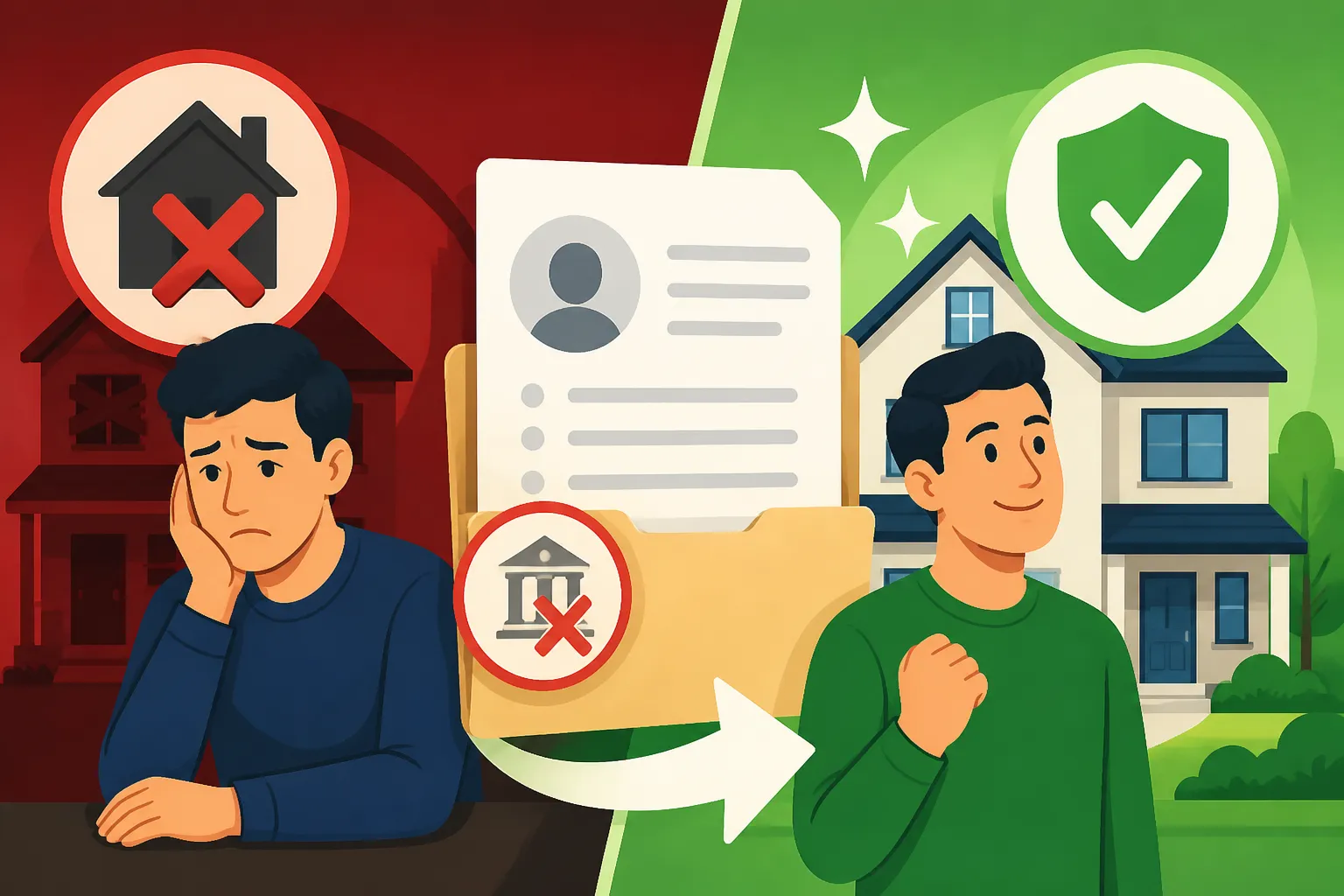
Evictions on Your Record & Expungement
Finding a new place to live after an eviction can feel like trying to climb a mountain blindfolded. Many tenants face the overwhelming challenge of a past eviction making future housing nearly impossible, leading to a cycle of frustration and instability. This comprehensive guide will walk you through everything you need to know about evictions appearing on your record, its far-reaching impacts, and, most importantly, explore the avenues available for potential expungement and strategies to secure housing despite a past eviction.
What is an Eviction Record and Why Does It Matter?
An eviction record isn't just a distant memory; it's a formal, public stain on your rental history that can follow you for years. It's the documented outcome of a landlord pursuing legal action to remove a tenant from their property, regardless of whether the tenant actually moved out before a court order. Understanding what it is and why it carries such weight is the first step in addressing its challenges.
Defining an Eviction Record
At its core, an eviction record is a court filing that marks the beginning of the legal process a landlord initiates to regain possession of their property. When a landlord files an "unlawful detainer" lawsuit (which is the most common type of eviction lawsuit), that filing becomes a public record. Even if you settle with your landlord, move out voluntarily before a judge makes a ruling, or the case is eventually dismissed, the initial filing can still show up on background checks. This public record indicates that a landlord once sought to evict you. It's not just about losing your home; it's about the legal pursuit of that loss. Landlords often use professional property management software like DoorLoop, which integrates tenant screening tools, making these records easily accessible during application reviews.
For instance, imagine you had a tough year, lost your job, and fell behind on rent. Your landlord, understandably, filed for eviction to protect their assets. You managed to find a new job, pay back the overdue rent, and the case was dismissed. Great, right? Not entirely. While the outcome was favorable for you, the initial filing still exists in public court records. Future landlords running a background check will likely see that filing and, without proper context or explanation, might immediately dismiss your application, assuming the worst. This is the subtle, yet powerful, impact of an eviction record.
The Consequences Beyond Housing
The repercussions of an eviction record extend far beyond just making it tough to find another apartment. While finding a home is undoubtedly the most immediate and distressing challenge, an eviction can quietly undermine other areas of your life as well. It’s not just about a roof over your head; it’s about your overall stability and financial well-being.
First, landlords rely heavily on tenant screening services that scour these public records. When they see an eviction filing, it raises a significant red flag, signaling potential risk. This can lead to automatic denials, leaving you feeling frustrated and helpless. It's a pervasive issue, as many landlords operate under strict policies to avoid previous evictions. Second, the impact can sometimes creep into your employment prospects. While not always directly asked about, some employers, particularly those requiring a high level of trust or working with vulnerable populations, may conduct background checks that could uncover civil court records, including evictions. It can raise questions about reliability or financial stability, especially in smaller businesses or highly competitive markets. Third, there's the psychological toll. The constant rejection, the feeling of being judged, and the stress of homelessness or unstable housing can be incredibly draining, impacting mental health and self-esteem. Finally, while an eviction generally doesn't directly impact your credit score in the same way missed loan payments do, any unpaid judgments or collections resulting from the eviction (e.g., unpaid rent or damages owed to the landlord) will certainly appear on your credit report, further damaging your financial standing. This can make it harder to get loans, credit cards, or even finance a car.
How Does an Eviction Get On Your Record?
Understanding the journey of an eviction from a dispute to a public record is crucial for tenants. It’s not a mysterious process; it’s a legal one with distinct steps that, once initiated, leave a digital footprint that can be difficult to erase. Many tenants are surprised to learn how early in the process an eviction can become a part of their permanent record.
The Court Process and Public Records
An eviction starts when a landlord files a formal complaint, usually called an "unlawful detainer" lawsuit, with the local court. This isn't just a stern letter; it's a legal document. Once this document is filed, it immediately becomes part of the public record. This means anyone can go to the courthouse or search online court dockets and see that an eviction case was filed against you. It doesn't matter yet whether the judge has ruled or if you've had a chance to present your side; the filing itself is visible. This initial filing often contains basic information like the landlord's and tenant's names, the property address, and the reason for the eviction (e.g., non-payment of rent, lease violation).
This is why it's so important to be proactive if you receive an Eviction Notice Types Pay or Quit, Cure or Quit, Unconditional. Once the case is filed, it's out there. Property managers and landlords, especially those using sophisticated screening tools, will see these filings. They're not just looking for a final judgment; many will red-flag any tenant with an eviction filing, regardless of the outcome. This can feel incredibly unfair, especially if the case was dismissed or settled in your favor, but the reality is that the mere existence of the filing can be enough to deter potential landlords. Learning How to Stop or Fight an Eviction Tenant Guide is crucial to avoid this record from forming.
When an Eviction Doesn't Appear
While the act of filing an eviction lawsuit generally creates a public record, there are specific circumstances where an eviction might not appear on a typical tenant screening report, or at least not in a way that flags it immediately. It's important to distinguish between an official court record and what third-party screening services actually report.
Firstly, if a landlord never formally files an eviction lawsuit in court, then there is no public record of an eviction. This can happen if a landlord issues a "Notice to Quit" or "Notice to Pay Rent or Quit" but then the tenant moves out or resolves the issue before the landlord takes the legal step of filing in court. In such cases, the process concludes privately, and no public court record is created. This highlights the importance of addressing issues with your landlord early. Secondly, some states have laws that limit how far back tenant screening reports can go, or they might specifically exclude dismissed or settled cases from certain types of public reports after a certain period. For example, some states may only allow eviction judgments (where a judge ruled against the tenant) to be reported, not just filings. Thirdly, minor landlord-tenant disputes that don't escalate to a formal court eviction lawsuit – such as disagreements over repairs or security deposit deductions – do not create an "eviction record." These are typically civil matters, and while they might lead to other types of court cases, they aren't eviction actions. Knowing Eviction Timeline Every Stage Explained can help you understand these nuances.
However, even in these scenarios, communication is key. If you have a contentious departure from a rental property, even without a formal eviction filing, a future landlord might still reach out to your previous landlord, who could provide a negative reference. So while the court record might be clear, your rental history might not be entirely spotless.
Settlements and Dismissals
It's a common misconception that if your eviction case is settled or dismissed, it completely vanishes from your record. Unfortunately, that's not always the case, and this nuance can catch many tenants off guard. While a dismissal or settlement is undoubtedly a much better outcome than an eviction judgment, the initial court filing often remains a public record.
When an eviction case is settled, it means you and your landlord reached an agreement outside of a judge's ruling. This might involve you agreeing to move out by a certain date, paying a portion of the owed rent, or fulfilling other conditions. The settlement agreement might even include a clause stating the landlord will move to dismiss the case. While the case is then dismissed, the original filing still exists in court archives, indicating that an eviction action was initiated. A tenant screening report could pick up this initial filing, even if it shows "dismissed" next to it. Some landlords view any eviction filing, regardless of the outcome, as a red flag, fearing future complications.
Similarly, a dismissal means the court formally closed the case without a judgment against you. This can happen for various reasons: perhaps the landlord made a procedural error, you and the landlord reached a private agreement, or you cured the lease violation before the court hearing. While a dismissal is preferable to a judgment, the public record still shows the existence of the lawsuit. In some jurisdictions, you might be able to petition the court to have a dismissed eviction case "sealed" or "expunged" from your record, making it less accessible to the public. However, this isn't automatic and often requires a separate legal process. Consulting with a legal professional or using resources like LawDepot for appropriate legal forms can be helpful to navigate these specific steps.
The Impact of an Eviction Record on Your Life
An eviction record isn't just a temporary inconvenience; it can cast a long shadow over various aspects of your life, creating significant hurdles and emotional distress. It’s important to acknowledge and understand these impacts to prepare for them and strategize effectively.
Challenges in Finding New Housing
This is, without a doubt, the most immediate and profound impact of having an eviction record. In today's competitive rental market, landlords and property management companies have their pick of applicants, and an eviction record often puts your application at the bottom of the pile—or simply in the "no" pile.
When you apply for a new rental, prospective landlords almost always run a background check. These checks access public court records, revealing any eviction filings against you. Even if the eviction was years ago, or if it was dismissed, many landlords have strict policies: "No prior evictions, no exceptions." They see it as a significant risk, fearing that you might be a tenant who won't pay rent, will damage the property, or will cause other legal headaches. This leads to frustrating rejections, often without a detailed explanation, leaving you feeling helpless and wondering what to do. You might find yourself needing to seek out landlords who are more understanding or less rigid in their screening criteria, often individual property owners rather than large management companies. Learning Can a Landlord Deny You for an Eviction? can offer further insights into this.
The cycle can become incredibly discouraging. You fill out application after application, pay application fees, only to be turned down repeatedly. This constant rejection can deplete your savings, damage your confidence, and make the search for stable housing feel like an endless, unwinnable battle. It’s a situation that requires immense patience, persistence, and a clear strategy to overcome.
Potential Impact on Employment and Credit
While an eviction record directly pertains to housing, its indirect effects can ripple into other crucial areas of your life, notably employment and your overall financial standing. These connections might not be immediately obvious, but they can significantly complicate your journey toward stability.
Regarding employment, an eviction record isn't typically something an employer would explicitly look for on a standard criminal background check. However, if your eviction resulted in an unpaid judgment against you, that judgment could appear on a credit report. Some employers, particularly for roles that involve handling money, sensitive data, or high levels of responsibility, conduct extensive background checks that include credit reports or even civil court records. If an employer sees a civil judgment tied to an eviction, it could raise concerns about your financial reliability or judgment, potentially impacting their hiring decision. While it's not a direct disqualifier for most jobs, it can certainly be a subtle obstacle.
As for credit, an eviction itself doesn't directly hit your FICO score. Your credit report primarily tracks debts like credit cards, loans, and mortgages. However, the financial fallout of an eviction can absolutely devastate your credit. If the landlord sues you for unpaid rent or damages and wins a judgment, that civil judgment will appear on your credit report for up to seven years. Furthermore, if the landlord sends the outstanding debt to a collections agency, that collection account will also appear on your credit report, severely damaging your score. This makes it harder to secure future loans, credit cards, or even get favorable rates on utilities and insurance, deepening the financial hole created by the eviction. Understanding these secondary impacts is crucial for tenants seeking to rebuild their financial and personal lives after an eviction.
Psychological and Financial Strain
Beyond the tangible obstacles, an eviction record inflicts a heavy toll on a person's mental well-being and financial stability, creating a deeply stressful and often isolating experience. This isn't just about finding a new place; it's about coping with the profound disruption it brings.
Psychologically, the process of eviction and the subsequent difficulty in securing housing can lead to immense stress, anxiety, and even depression. The constant rejections, the feeling of being judged and labeled, and the stigma associated with an eviction can erode self-worth and foster a sense of hopelessness. Many individuals report feeling like second-class citizens, constantly scrambling and defending their past. The instability of not knowing where you'll live, coupled with the pressure to quickly find a new home, can be overwhelming, impacting personal relationships, work performance, and overall quality of life. The psychological burden of an eviction is often underestimated, but its effects can linger long after the initial crisis has passed.
Financially, the strain is equally severe. Even if you manage to avoid a judgment, the costs associated with moving, storage, application fees, and potentially higher security deposits for new rentals can quickly deplete any savings. If you do face a judgment for unpaid rent or damages, that debt can balloon with court costs, late fees, and attorney fees, placing a significant financial burden on you for years. Furthermore, having an eviction on your record might force you into less desirable housing situations, where landlords might charge higher rents or not maintain properties as well, leading to a diminished living standard. Sometimes, tenants are forced to rent from landlords who don't run checks, but these situations can often be informal and lack proper tenant protections, potentially leading to further complications down the line. It's a vicious cycle that makes financial recovery incredibly challenging.
Understanding the Different Types of Eviction Records
Not all eviction records are created equal, and understanding the distinctions can be empowering. While any court filing related to eviction is generally a negative mark, the specifics of how the case was handled and its ultimate disposition can influence its impact and, crucially, your ability to seek expungement.
Filed vs. Judgment Evictions
The difference between a filed eviction and an eviction judgment is critical, though often overlooked by tenant screening algorithms and, unfortunately, by many landlords. Recognizing this distinction can be a key point in advocating for yourself.
A filed eviction simply means that your landlord initiated the legal process by submitting an "unlawful detainer" complaint to the court. This is the starting gun of the eviction race. At this stage, the court record simply shows that a lawsuit was filed against you. It doesn't mean you were found guilty of anything, that you lost, or that you were actually removed from the property. It just means the process began. As we've discussed, even a mere filing can appear on tenant screening reports and become a hurdle. Many screening services capture this initial filing and report it, often without much detail about the outcome.
An eviction judgment, on the other hand, is a much more serious matter. This occurs when a judge rules in favor of the landlord, granting them legal possession of the property and often ordering the tenant to pay back rent, damages, and court costs. This is the court's final decision, indicating that the landlord legally won the case. A judgment is a much stronger negative mark on your record and is far more difficult for prospective landlords to overlook. It explicitly states that a court found you liable for a lease violation, usually non-payment of rent or significant damage. A judgment also carries the potential for wage garnishment or liens on your property if the landlord pursues collections. When trying to secure new housing, you are in a much stronger position if you only have a filing on your record rather than a full judgment.
Dismissed vs. Settled Evictions
While both dismissed and settled evictions are generally more favorable outcomes than a full eviction judgment, they still leave behind a digital footprint that prospective landlords can uncover. The nuances between them are important, especially when considering options like expungement.
A dismissed eviction means the court formally closed the case without issuing a judgment against either party. This can happen for a variety of reasons. Perhaps the landlord filed incorrectly, failed to appear in court, or you fixed the issue (e.g., paid overdue rent) before the trial. It could also be that you and the landlord reached a private agreement, and as part of that agreement, the landlord voluntarily requested the dismissal. From a legal standpoint, a dismissal usually means the case ended without a formal finding of fault against you. However, as noted before, the initial filing still exists on public records, which can still be a problem.
A settled eviction occurs when you and your landlord come to a mutual agreement to resolve the dispute, typically outside of court or before a final judgment. This settlement often involves terms like you agreeing to move out by a specific date, making a partial payment of owed rent, or fulfilling other conditions in exchange for the landlord dropping the case. Often, the landlord will then request the court to dismiss the case based on the settlement. While a settlement means you avoided a judge's ruling against you, the terms of the settlement (if filed with the court) and the initial eviction filing remain part of the public record. In some settlement agreements, it might be possible to negotiate a clause where the landlord agrees not to report the eviction or to take steps to seal the record if legally permissible. This is where legal guidance, potentially using resources for contract drafting like those found on LawDepot, becomes invaluable.
Unlawful Detainer vs. Other Court Filings
It's vital for tenants to understand that not every court case involving a landlord means an "eviction record" in the traditional sense. The specific legal action taken by a landlord determines what kind of record is created and how it might impact your housing prospects.
An unlawful detainer lawsuit is the primary legal mechanism landlords use to evict a tenant and regain possession of their property. This specific type of civil court filing is what typically constitutes an "eviction record" that shows up on tenant screening reports. It’s designed specifically for tenant removal and related financial claims (like back rent). When a landlord files an unlawful detainer, it signals to future landlords that there was a legal action taken to remove you from a property.
However, landlords might initiate other types of court filings that are not unlawful detainers but still involve a tenant. For example, a landlord might sue a former tenant in small claims court simply for unpaid rent or property damages after the tenant has already moved out. This would result in a civil judgment for debt, but it wouldn't be classified as an "eviction" in the same way an unlawful detainer is. While a civil judgment for debt is certainly negative and will impact your credit score (and thus indirectly your ability to rent), it’s not the same as having a formal eviction judgment. Similarly, disputes over Security Deposit Deductions Full List of Allowed Charges or How to Get Your Security Deposit Back might lead to small claims court, but these aren't eviction actions. Knowing the specific type of court case is crucial for understanding its impact and exploring potential remedies like expungement, which usually focuses on unlawful detainer actions.
Strategies for Renting with an Eviction Record
Having an eviction record can feel like a scarlet letter in the rental market, but it doesn't mean you're doomed to homelessness. Many people successfully navigate this challenge, and with the right approach, you can too. It requires honesty, persistence, and a willingness to explore various options.
Honesty and Transparency with Landlords
One of the biggest mistakes tenants make when trying to rent with an eviction record is to hide it or hope it won't be found. In today's digital age, with comprehensive tenant screening services, it's highly unlikely that an eviction filing will go unnoticed. Instead of trying to conceal it, a strategy of honesty and transparency can often yield better results.
When you apply for a new place, before the landlord runs a background check, bring up the eviction yourself. Explain the circumstances clearly and concisely. Take responsibility for what happened, but also frame it within its proper context. For example, if it was due to a job loss during a recession, explain that. If it was due to a dispute over repairs that escalated, explain your perspective without badmouthing the previous landlord. The key is to show that you've learned from the experience, that you're now in a stable situation, and that you're a responsible person. This demonstrates maturity and integrity, which can go a long way in building trust. You might say something like, "I understand my record shows an eviction filing from [Year]. I want to be upfront about that. At the time, [brief, non-defensive explanation], but since then, I've [actions taken to improve, e.g., secured stable employment, improved financial habits]. I am now fully prepared to be a reliable and responsible tenant."
This proactive approach gives you control over the narrative and shows the landlord that you're not trying to be deceptive. It also allows you to address any concerns directly before they become assumptions based solely on a court document. Some landlords, especially smaller, independent ones who might manage their properties through platforms like DoorLoop, appreciate this directness and might be more willing to listen to your story than a large, impersonal property management company. It’s about convincing them that you are more than just a past court filing.
Finding Landlords Willing to Overlook
Given the challenges, a crucial strategy is to target landlords and property types that are more likely to be flexible or understanding of a past eviction record. Not all landlords have the same strict criteria, and knowing where to look can save you a lot of time and heartache.
Firstly, focus on individual landlords or smaller property owners rather than large corporate apartment complexes. Large complexes often use automated screening systems that will immediately reject anyone with an eviction record. Individual landlords, on the other hand, often have more discretion and might be willing to hear your story, especially if you're upfront and honest about the situation. You might find these opportunities through local classifieds, "for rent by owner" signs, or community boards.
Secondly, consider private rentals in less competitive markets or areas. In highly sought-after neighborhoods, landlords can afford to be extremely selective. Expanding your search to slightly less popular areas or towns where rental demand isn't as high might increase your chances. Thirdly, look for rentals that have been vacant for a longer period. A landlord who has struggled to fill a unit might be more inclined to consider an applicant with an eviction record, especially if you can provide strong references, a larger security deposit, or offer to pay several months' rent upfront (if financially feasible).
Finally, don't be afraid to utilize community resources or non-profit organizations that assist individuals with housing challenges. Some organizations specifically work with landlords who are open to renting to tenants with checkered rental histories. These groups can act as intermediaries and vouch for your current stability and commitment. They may also provide guidance on Tenant Rights If Landlord Won't Return Deposit or other common issues. Networking and seeking out these specific types of opportunities will be far more productive than repeatedly applying to places with rigid "no eviction" policies.
Utilizing Co-signers or Higher Security Deposits
When facing the hurdle of an eviction record, offering additional assurances can sometimes sway a hesitant landlord. Two common strategies involve bringing in a co-signer or offering a larger security deposit. These options can help mitigate the perceived risk for the landlord, making your application more appealing.
A co-signer (or guarantor) is someone who legally agrees to be responsible for your rent and any damages if you fail to meet your lease obligations. This is typically a financially stable individual, like a family member or close friend, with excellent credit and a steady income. The co-signer essentially provides a financial safety net for the landlord, assuring them that rent will be paid even if you default. When proposing a co-signer, be prepared for the landlord to run a full background and credit check on that individual. A strong co-signer can significantly boost your application, especially if your eviction was due to past financial hardship that you've since overcome. However, remember that bringing in a co-signer is a serious commitment for them, so ensure they fully understand their responsibilities.
Another powerful incentive for landlords is offering a higher security deposit. While there are Maximum Security Deposit Limits by State that vary by jurisdiction, offering the maximum allowed can signal your commitment and provide extra protection for the landlord. This extra money acts as a buffer against potential unpaid rent or damages, reassuring the landlord that they are less likely to incur financial losses. For example, if the legal limit is two months' rent, and you can afford it, offering that amount upfront shows good faith and financial stability. However, be cautious and ensure you get a proper Security Deposit Receipt Requirements and understand Security Deposit Laws by State 2026 before handing over any extra funds. This approach is most effective when combined with honesty about your past, as it demonstrates that you are proactively addressing the landlord's concerns.
Eviction Record Expungement: Is It Possible?
The idea of having an eviction record expunged or sealed sounds like a dream for many tenants struggling to find housing. While it is certainly possible in some circumstances, it's not a universal right or an automatic process. The availability and procedures for eviction record expungement vary significantly by state and depend heavily on the specifics of your case.
Legal Basis for Expungement
The legal basis for expunging or sealing an eviction record stems from the idea that certain records, under specific conditions, should not be publicly accessible, giving individuals a chance for a fresh start. This concept is more commonly associated with criminal records, but many states have extended similar principles to civil records, including evictions.
Generally, states that allow for eviction expungement or sealing aim to mitigate the harsh, long-term consequences of a past housing dispute. The specific laws are usually found within state statutes governing landlord-tenant relations or broader civil procedure rules. The core idea is to balance the public's right to access court records with an individual's right to obtain housing without undue prejudice from old, resolved, or unfairly reported cases. For instance, states might have laws that permit expungement if the eviction case was dismissed, if the tenant won the case, or if a significant amount of time has passed since the filing without further issues. Some progressive cities and counties might even have local ordinances that provide for automatic sealing or expungement under certain conditions, recognizing the societal impact of eviction records.
However, it's crucial to understand that these laws are complex and often restrictive. They are not designed to erase every eviction but rather to address specific scenarios where fairness or public policy dictates that the record should no longer be a barrier. For example, a tenant who consistently failed to pay rent and had multiple judgments against them would likely not be eligible. This is why understanding your state's particular laws for Eviction Record Expungement by State is paramount, as a blanket solution simply doesn't exist.
Common Grounds for Expungement
While the specifics vary, there are several common grounds on which a tenant might successfully petition a court for the expungement or sealing of an eviction record. These typically revolve around the outcome of the case, procedural issues, or the passage of time.
One of the most frequent and strongest grounds for expungement is when the eviction case was dismissed in your favor or without prejudice. If the landlord dropped the case, or a judge ruled against the landlord for procedural errors or lack of evidence, you typically have a solid argument for expungement. In these scenarios, there was no finding of fault against you, so keeping the public record open might be deemed unfair.
Another common ground is when the eviction case was settled, and the settlement agreement included a provision for sealing or expungement. This is a powerful reason why negotiating the terms of a settlement carefully is so important. If your landlord agreed to take steps to remove the public record as part of your agreement, the court is often more inclined to grant the expungement.
The passage of time can also be a factor. Some states allow for expungement after a certain number of years have passed since the eviction filing, especially if the tenant has maintained a clean rental and criminal record since then. This recognizes that people can change and deserve a second chance. Finally, cases involving illegal or retaliatory evictions (where a landlord tried to evict you for exercising your tenant rights) or evictions based on discriminatory practices are often strong candidates for expungement, as the original filing was improper. If you believe you were subjected to a Retaliatory Eviction Defense, you might have a strong case. However, proving these claims requires substantial evidence and often legal representation.
Limitations and Challenges
Despite the possibility of expungement, it's crucial to be realistic about the significant limitations and challenges involved. The process is rarely simple, universally available, or guaranteed to succeed. Many tenants find themselves hitting brick walls, even when they feel their case warrants a clean slate.
One of the primary limitations is that not all states allow for eviction expungement. Many jurisdictions view eviction filings as public civil records that should remain accessible for transparency and landlord due diligence. Even in states that do allow it, the laws can be highly restrictive, specifying narrow criteria for eligibility. For example, California has specific laws, but they might not apply to every eviction case. This means that an eviction in one state might be expungeable, while an identical situation in a neighboring state might not be.
Another significant challenge is the burden of proof and the legal process itself. Expungement is not automatic; you must actively petition the court, often filing specific legal documents and attending hearings. This typically requires legal expertise, which can be expensive and inaccessible for many tenants already struggling financially. Even with resources like LawDepot offering templates, understanding the local court rules and procedures for filing a petition correctly can be daunting. The judge also has discretion, and even if you meet the criteria, there's no guarantee the petition will be granted. The landlord might also appear to oppose the expungement, further complicating matters.
Furthermore, even if an eviction record is sealed or expunged by the court, it doesn't mean it magically disappears from every database. While official court records will be restricted, some older tenant screening databases might retain the information, at least for a period, making it a persistent challenge. It's a complex battle, often requiring perseverance and professional legal assistance to navigate successfully.
The Expungement Process Step-by-Step
If you've determined that your eviction record might be eligible for expungement, understanding the general steps involved is crucial. While specific procedures can vary by state and even by county, the following outlines a typical path you might follow. Remember, this process is often complex, and seeking legal counsel is highly recommended.
Assessing Eligibility and Gathering Documents
Before you even think about filling out forms, the very first step is to thoroughly assess whether your eviction record is eligible for expungement in your specific jurisdiction. This is where Security Deposit Laws by State 2026 or similar state-specific resources can be helpful to cross-reference broader tenant laws.
Start by obtaining a copy of your eviction case file from the court where it was heard. This will give you the exact case number, filing date, and, most importantly, the final disposition (e.g., dismissed, settled, judgment for landlord, judgment for tenant). Once you have this, you'll need to research your state's specific laws regarding eviction expungement. Look for statutes that outline the conditions under which an eviction record can be sealed or expunged. Key questions to ask yourself are:
- Was the case dismissed or settled in my favor?
- How much time has passed since the eviction filing? (Some states require several years to pass.)
- Was the eviction illegal or retaliatory?
- Do I have a clean criminal record since the eviction?
If your case meets the basic eligibility criteria, the next step is to gather all relevant supporting documents. This might include:
- A complete copy of your eviction court file, including the initial complaint, any answers you filed, and the final order of disposition.
- Proof of payment if the eviction was for non-payment of rent and you later paid it off.
- Any settlement agreements that explicitly mention expungement or sealing.
- Letters of recommendation from current landlords or employers showcasing your stability.
- Evidence of any corrective actions you've taken since the eviction (e.g., financial counseling certificates).
Having these documents organized and ready will be essential for building a strong case when you file your petition. This initial research and document gathering phase is often the most time-consuming but sets the foundation for a successful expungement.
Filing the Petition and Court Hearings
Once you've determined eligibility and gathered all your documents, the next stage involves formally petitioning the court and, potentially, attending hearings. This is the legal heart of the expungement process.
First, you'll need to draft and file a "Petition for Expungement" or "Motion to Seal Records" with the court that originally handled your eviction case. The exact name of the document and the specific forms required will vary by jurisdiction. These forms often require you to explain why you believe your record should be expunged, citing the relevant state laws and providing details of your case. Resources like LawDepot can sometimes offer templates or guidance on drafting legal documents, but tailoring it to your specific situation and local rules is crucial. You'll typically need to pay a filing fee, though fee waivers might be available for low-income individuals.
After filing, you usually have to "serve" a copy of the petition to the opposing party (your former landlord or their legal representative) to notify them of your request. This gives them an opportunity to respond or object to your petition. Many states require a specific method of service, often through certified mail or a professional process server.
The court will then typically schedule a court hearing. This is your opportunity to present your case to a judge, explaining why your record should be expunged and providing any supporting evidence. Your former landlord might appear to oppose the expungement, arguing that the record should remain public. The judge will listen to both sides and review the submitted documents before making a decision. It's incredibly important to dress professionally, be prepared, and speak respectfully to the judge. If you are representing yourself, practice what you want to say, focusing on facts and legal arguments rather than emotional appeals. The outcome depends heavily on the judge's interpretation of the law and the strength of your argument.
What Happens After Expungement
If your petition for expungement or sealing is granted, congratulations! This is a significant victory, but it's important to understand what "expungement" truly means and what steps might still be necessary to ensure its effectiveness.
When a court orders an eviction record to be expunged or sealed, it means the record is typically removed from public view or restricted from general access. For example, in many states, if a record is expunged, it's treated as if the event never happened for most purposes. If it's sealed, it means it's no longer publicly searchable, but it might still be accessible to law enforcement or certain government agencies under specific circumstances. The court will usually send notices to relevant agencies, like county clerks and court record databases, instructing them to update their records.
However, the reality is that information moves slowly, and some private tenant screening companies might still have old data. Therefore, even after expungement, it's a good practice to:
- Obtain a copy of the court order granting the expungement. This is your official proof.
- Contact major tenant screening companies (like TransUnion SmartMove, Experian, etc.) and provide them with the court order. Request that they update their databases to reflect the expungement. While some may automatically update, others might require you to be proactive.
- Monitor your rental history reports. After a few months, consider requesting a copy of your tenant screening report (if you're able to, some states grant this right) to ensure the eviction no longer appears. If it does, you'll need to dispute it with the reporting agency, using your court order as evidence.
While expungement significantly improves your chances of securing housing, it's not a magic bullet that instantly wipes out all traces. Persistence in verifying the removal of the record from various databases is key to fully realizing the benefits of your successful petition.
State-Specific Nuances and Resources
The world of landlord-tenant law, and especially eviction expungement, is not uniform across the United States. Each state, and sometimes even local municipalities, can have distinct rules, processes, and resources. What might be possible in California could be entirely different in Texas or New York.
Key Differences Across States
The most significant differences in eviction records and expungement laws hinge on the individual legislative frameworks each state has established. There's no single federal law governing eviction expungement, making state-level research absolutely essential.
For instance, California has been at the forefront of tenant protections and has established some specific provisions for sealing eviction records, particularly for cases that were dismissed, settled, or where the tenant won. There's a strong public policy argument in California that not all eviction filings should remain public forever, especially if they didn't result in a judgment against the tenant. On the other hand, a state like Texas historically has much stricter rules regarding the sealing of civil court records, making eviction expungement significantly more challenging and rare. Eviction records in Texas are typically considered permanent public records, regardless of the outcome.
New York offers some protections, particularly in New York City, where certain housing court records can be sealed or masked, especially if the tenant wins or the case is dismissed. This is often part of broader tenant protection movements within the state. Other states, like Washington, may allow for vacating unlawful detainer judgments under specific conditions, which effectively removes them from a tenant's record for most purposes.
These examples illustrate the wide spectrum of approaches. Factors like the type of eviction (non-payment vs. lease violation), the outcome of the case (dismissal vs. judgment), the time elapsed since the filing, and even local tenant protection ordinances can all play a role. It's not enough to know if expungement is possible; you need to know how it's possible in your specific state and county. This variability underscores why generic advice often falls short and why precise, location-based information is paramount.
Where to Find Legal Aid and Support
Navigating the complexities of eviction records and the expungement process can be incredibly challenging, especially without legal expertise. Fortunately, there are many resources available to help tenants understand their rights and potentially pursue expungement or other remedies.
Your first stop should be local Legal Aid societies or pro bono legal services. These organizations often provide free or low-cost legal assistance to low-income individuals facing housing issues. They specialize in landlord-tenant law and can offer invaluable advice, help you assess your eligibility for expungement, and even represent you in court if necessary. Organizations like Legal Aid Foundation of Los Angeles or Legal Services NYC are excellent examples of such resources.
Another great option is to consult with tenant unions or advocacy groups. Many cities have tenant rights organizations that offer free counseling, workshops, and referrals to legal professionals. They often have deep knowledge of local laws and common landlord practices, and they can provide practical advice on How to Dispute Security Deposit Deductions or How to Get Your Security Deposit Back. These groups can also connect you with other tenants who have successfully navigated similar situations.
Additionally, many bar associations offer lawyer referral services, where you can find attorneys specializing in landlord-tenant law for a reduced initial consultation fee. While not free, an initial consultation can provide a clear roadmap and help you decide if pursuing expungement is feasible and worth the investment. Finally, don't underestimate the power of online legal resources. While they shouldn't replace professional legal advice, websites like Nolo.com, Avvo.com, and even government housing authority sites often publish comprehensive guides on tenant rights and eviction procedures in various states. For creating specific legal documents, as mentioned earlier, LawDepot can be a helpful tool if you're comfortable with self-guided legal forms, but always ensure they comply with your local jurisdiction's requirements.
| State/Jurisdiction Example | General Stance on Eviction Expungement | Common Eligibility Criteria | Key Challenges |
|---|---|---|---|
| California | More tenant-friendly; limited expungement available | Case dismissed, settled, or tenant won; certain time limits may apply | Requires formal petition; not all case types eligible |
| New York (NYC) | Some sealing options, especially for favorable outcomes | Case dismissed, tenant won, or specific conditions met; applies to housing court cases | Specific to housing court; process can be slow; not automatic |
| Texas | Historically very difficult; few explicit provisions for sealing civil evictions | Extremely limited; generally only for procedural errors or specific statutory exceptions | Eviction records usually permanent; high burden of proof |
| Washington | Possible to "vacate" unlawful detainer judgments | Judgment entered by default, settled, or certain time limits passed since compliance | Complex legal process; requires court order to vacate |
| Illinois | Limited options for sealing or expungement | Case dismissed, tenant won, or specific legal reasons like identity theft | Requires specific petition; judge has discretion |
Disclaimer
Please remember that this article provides general information and guidance on landlord-tenant law and eviction records. It is not intended as legal advice. Laws regarding evictions, tenant rights, and expungement vary significantly by state and local jurisdiction. For advice specific to your situation, it is always recommended to consult with a qualified attorney in your area.