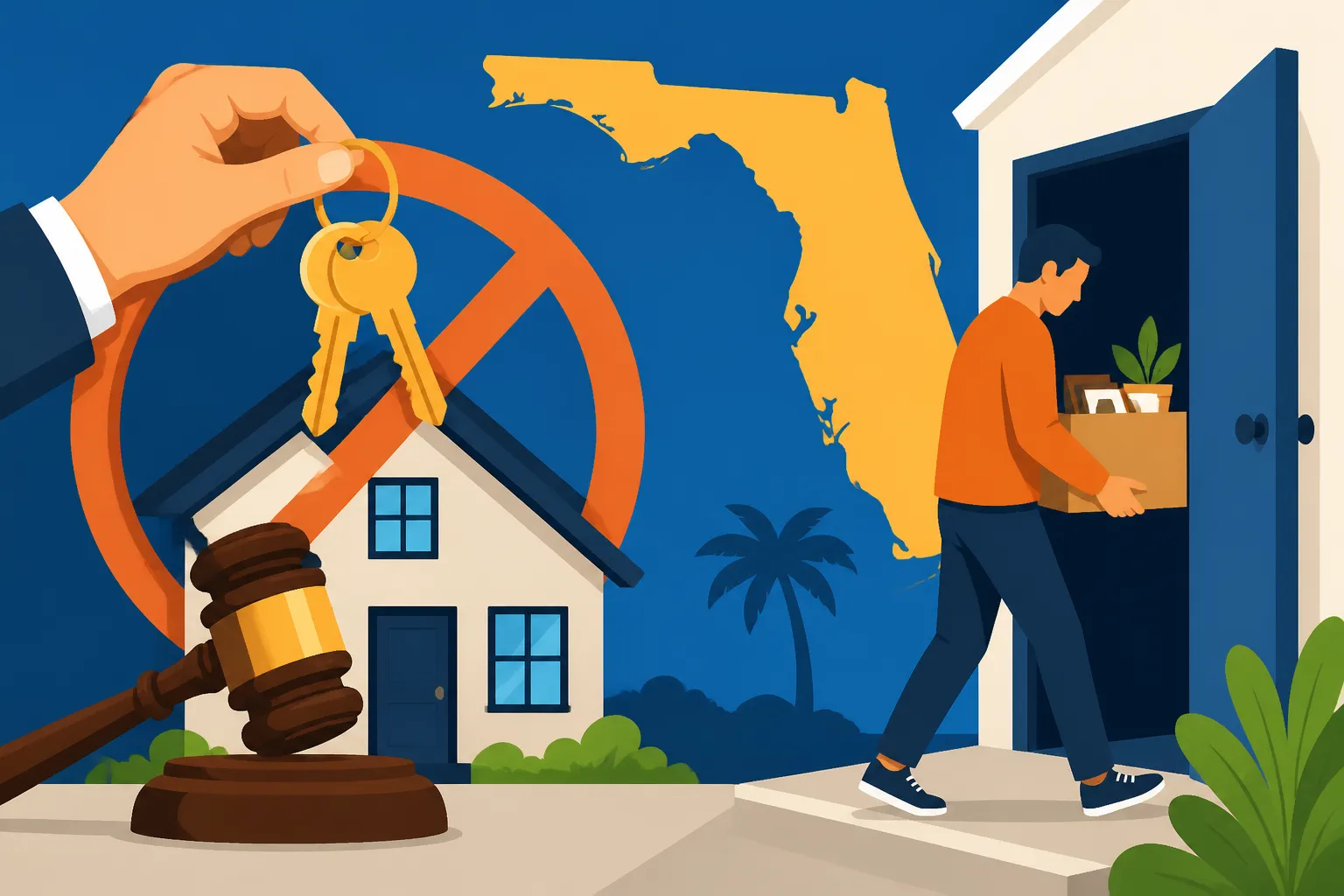
How to Evict a Tenant in Florida
Facing the difficult decision to evict a tenant is never easy, and the legal complexities can feel overwhelming, especially in a state like Florida with its specific regulations. It’s a stressful situation for any landlord, fraught with potential missteps that could delay the process or even lead to legal repercussions. This guide is here to walk you through the entire eviction process in Florida, offering clear, step-by-step instructions and crucial insights to help you navigate it confidently and correctly.
Navigating the Florida Eviction Process: What Landlords Need to Know
Before you even think about serving a notice, it's absolutely vital to understand the foundational principles of Florida's landlord-tenant law concerning evictions. The state has specific statutes designed to protect both landlords and tenants, and deviating from these can quickly derail your efforts and cost you time and money. It's not just about getting a tenant out; it's about doing it legally and correctly.
Foundations of Florida Eviction Law
In Florida, the primary legal framework governing residential tenancies, and thus evictions, is found in Florida Statute Chapter 83, specifically Part II. This chapter lays out the rights and responsibilities of both landlords and tenants, and any action you take must strictly adhere to these guidelines. Failure to follow the letter of the law can result in your eviction case being dismissed, forcing you to start all over again, or worse, facing counterclaims from your tenant.
Understanding the legal reasons for eviction is your first hurdle. The most common grounds include non-payment of rent, which is often the easiest to prove. However, evictions can also stem from a tenant's failure to comply with other terms of the lease agreement, such as having unauthorized pets, causing significant damage to the property, or engaging in illegal activity on the premises. There are also situations where a tenant might "hold over," meaning they remain in the property after their lease has expired without renewing or entering a new agreement. In Florida, even an "at-will" tenancy (where there's no formal lease but rent is paid periodically) can be terminated, but it still requires proper notice from the landlord. Each of these scenarios demands a slightly different approach regarding the initial notice you must provide.
It’s not enough to simply have a reason; you must also be prepared to prove it with clear documentation. This includes a valid lease agreement, detailed records of rent payments (or lack thereof), written communications with the tenant, and any evidence of lease violations. Think of yourself as building a case from day one, even before eviction seems likely. This meticulous record-keeping is your best friend when you ultimately need to present your case in court.
The Critical Role of Proper Notice
Serving the correct notice is perhaps the single most important step in the entire Florida eviction process. It’s the official way you inform your tenant that they are in violation of their lease or that their tenancy is ending, and it gives them an opportunity to rectify the situation or vacate. If your notice is incorrect, incomplete, or improperly served, the court will likely dismiss your case, sending you back to square one.
Florida law outlines distinct types of eviction notices depending on the reason for the eviction. For instance, if a tenant hasn’t paid rent, you'll need to serve a 3-Day Notice to Pay Rent or Quit. This notice gives the tenant three full business days (excluding weekends and legal holidays) to either pay the overdue rent or move out. If the issue is a curable lease violation, like an unauthorized pet or excessive noise, a 7-Day Notice to Cure is required. This gives the tenant seven days to correct the violation. Finally, for severe or incurable lease violations, such as substantial property damage or repeated violations, you might use a 7-Day Unconditional Quit Notice, which demands they move out within seven days without an option to fix the problem. You can learn more about these specific requirements by checking out our guide on Eviction Notice Types (Pay or Quit, Cure or Quit, Unconditional).
The method of serving these notices is just as critical as their content. Florida law generally allows for notice to be delivered by hand to the tenant, mailed via certified mail, or, if no one is home, posted on the door of the rental unit. However, door-posting should usually be a last resort and often requires an additional copy to be mailed. You must ensure the notice includes specific details, such as the tenant's name, the property address, the reason for the notice, the amount of rent due (if applicable), and the deadline for compliance. Using a reputable legal document service like LawDepot can help ensure your forms are compliant with Florida statutes. Remember, accurate dates and precise tenant names are non-negotiable details that could otherwise be challenged in court.
The Courtroom Journey: From Filing to Final Judgment
Once you’ve served proper notice and the tenant hasn’t complied, the ball moves into the judicial court. This is where you officially initiate the legal process to regain possession of your property. While it might sound intimidating, breaking it down into manageable steps makes it much clearer.
Initiating the Legal Action
If your tenant fails to pay rent or cure a lease violation within the timeframe specified in your notice, your next step is to file an eviction lawsuit, formally known as an "unlawful detainer" action, with the appropriate Florida county court. This isn't just a simple form; it's a formal complaint that outlines your legal grounds for eviction. You'll typically need to file a "Complaint for Eviction," attaching copies of your lease agreement and the notice you served to the tenant. Each county court in Florida has its own specific forms and procedures, so it's wise to check with your local Clerk of Court in your county, whether that's Miami-Dade, Orange County, or Hillsborough County.
Along with filing the complaint, you'll be responsible for paying court filing fees, which can vary. If you are seeking to reclaim unpaid rent in addition to possession of the property, you'll need to file a separate count for damages, which usually involves higher fees. Once the complaint is filed, the court will issue a "summons," which is the official document informing the tenant of the lawsuit and requiring them to respond. This summons, along with a copy of your complaint, must be properly served on the tenant. Many landlords find property management software like DoorLoop helpful at this stage for organizing all the necessary documents and tracking the process.
Proper service of the summons and complaint is crucial and typically must be done by a sheriff or a certified private process server. Unlike the initial notice, you cannot serve these documents yourself. The process server will deliver the documents to the tenant in person or, if direct service is not possible after diligent effort, may be permitted to post it conspicuously on the property. The tenant then has a very short window—typically five business days for non-payment of rent cases, or 20 days for other lease violations—to file a written response with the court. If they fail to respond within that specific timeframe, you may be able to request a default judgment, which can significantly speed up the process. Our detailed guide on How to Serve an Eviction Notice Correctly can provide more insights into this critical step.
Understanding Hearings and Judgments
What happens next largely depends on whether your tenant files an answer to your complaint. If the tenant does not respond within the allotted time, you can typically file a motion for a default judgment. This essentially means the court rules in your favor because the tenant failed to appear or contest the eviction. If granted, the process moves directly to obtaining a writ of possession, bypassing a full trial. This is often the quickest path to resolution.
However, if the tenant does file an answer, the case will proceed through the court system. In some jurisdictions, or if both parties agree, the court might offer mediation as an alternative to a full trial. Mediation is a process where a neutral third party helps the landlord and tenant reach a mutually agreeable settlement. This can be a good option if you want to avoid the time and expense of a trial, and it can sometimes lead to creative solutions, like a payment plan or an agreement for the tenant to vacate by a certain date in exchange for waived fees.
If mediation isn't successful or isn't pursued, the case will head to a trial. During the trial, both you and the tenant will present your evidence and arguments to a judge. This is where all that meticulous documentation you gathered from the beginning becomes invaluable. You'll need to demonstrate that you provided proper notice, that the tenant violated the lease (or failed to pay rent), and that you've followed all legal procedures. The tenant, in turn, may present defenses, such as improper notice, a landlord's failure to maintain the property, or even claims of retaliatory eviction. The judge will then make a ruling based on the evidence presented.
The Final Step: Obtaining a Writ of Possession
If the court rules in your favor, whether by default judgment or after a trial, the next crucial step is to obtain a Writ of Possession. This is the official court order that authorizes the sheriff to physically remove the tenant and their belongings from your property. Without this document, even with a favorable judgment, you cannot legally force a tenant out; doing so would constitute an illegal self-help eviction, which carries severe penalties in Florida.
Once the court issues the Writ of Possession, you'll need to deliver it to the local sheriff's department. The sheriff will then serve the writ on the tenant by posting it on the door of the rental unit. This posting serves as the final notice to the tenant that they have a very limited time – typically 24 hours in Florida, excluding weekends and holidays – to vacate the premises voluntarily. It's a stark reminder that their time in the property is officially over.
After the 24-hour period expires, the sheriff will return to the property to ensure the tenant has left. If the tenant is still present, the sheriff will physically remove them and restore possession of the property to you, the landlord. It’s important to understand that the sheriff's role is strictly to restore possession; they do not get involved in disputes over property damage or personal belongings. That said, it’s a powerful and final step in the legal eviction process. For more information on this stage, see our article on The Writ of Possession & Sheriff Removal.
Crucial Considerations and Tenant Rights in Florida
Eviction is a complex process with clear legal boundaries. While landlords have the right to regain possession of their property, tenants also have specific rights that must be respected throughout the process. Ignoring these rights can lead to significant legal trouble for landlords.
The Dangers of Illegal Self-Help Evictions
It’s tempting, when a tenant won't leave, to take matters into your own hands. However, in Florida, engaging in "self-help" eviction tactics is not only illegal but can result in severe financial penalties and legal repercussions for you. Actions such as changing locks, shutting off utilities (water, electricity, gas), removing doors or windows, or using threats to force a tenant out are strictly prohibited. Even if the tenant is clearly in violation of their lease or is refusing to leave after proper notice, you must follow the legal process through the courts.
Florida Statute 83.67 explicitly prohibits landlords from taking these actions. If you engage in illegal self-help eviction, the tenant can sue you for actual damages, attorney fees, and court costs, and in some cases, they can even be awarded up to three months' rent. Imagine the financial burden of having to pay your tenant to leave, on top of all the lost rent and legal fees for your own mistakes. It's simply not worth the risk. Always rely on the sheriff and the judicial system to execute the removal. You can learn more about avoiding these pitfalls in our article on Illegal Self-Help Eviction (Lockouts & Utility Shutoffs).
Common Tenant Defenses and Mitigating Risks
Tenants in Florida have various defenses they can raise in court to challenge an eviction. One of the most common is claiming the landlord failed to provide proper notice or that the notice contained errors. This underscores why meticulous adherence to notice requirements is so vital. Tenants might also argue that the eviction is retaliatory, meaning you're trying to evict them because they exercised a tenant right, such as reporting code violations or requesting necessary repairs. Florida law prohibits retaliatory evictions, though it can be challenging for a tenant to prove. Our article on How to Stop or Fight an Eviction (Tenant Guide) provides tenants with more information on their rights.
Another potential defense involves the implied warranty of habitability, which requires landlords to maintain a safe and habitable living environment. While Florida has a more limited "repair and deduct" option for tenants compared to some states, a tenant could argue that you failed to make essential repairs, making the property uninhabitable, and thus justifying their withholding of rent or refusal to vacate. Keeping excellent records of all maintenance requests, repairs made, and communications with the tenant can help you counter such claims. For example, if a tenant claims the AC was broken for months, but you have work orders showing it was repaired within a reasonable timeframe, your documentation will be your strongest defense.
| Eviction Reason | Required Notice Type | Time for Tenant to Respond/Comply | Key Florida Statute |
|---|---|---|---|
| Non-payment of Rent | 3-Day Notice to Pay or Quit | 3 business days | Fla. Stat. § 83.56(3) |
| Curable Lease Violation | 7-Day Notice to Cure | 7 days | Fla. Stat. § 83.56(2)(b) |
| Incurable Lease Violation | 7-Day Unconditional Quit Notice | 7 days | Fla. Stat. § 83.56(2)(a) |
| Holding Over (no lease) | 15-Day Notice of Termination | 15 days | Fla. Stat. § 83.57 (for month-to-month tenancies) |
Handling Tenant Belongings After Eviction
Once the sheriff has restored possession of the property to you, you might find that the tenant has left behind personal belongings. Florida law has specific procedures for handling abandoned property, and you cannot simply dispose of it immediately. According to Florida Statute 715.104, you must first provide written notice to the tenant, typically sent to their last known mailing address and, if different, the address of the rental property. This notice must inform them that their property has been deemed abandoned and specify a deadline by which they must reclaim it.
The deadline is usually at least 10 days after the notice is personally delivered or 15 days after the notice is mailed, whichever is later. During this period, you have a responsibility to store the property safely. After the specified period, if the tenant has not claimed their belongings, you can then dispose of them. If the value of the abandoned property is significant (over $500), you may be required to sell it at a public sale, with any proceeds (after deducting storage and sale costs) going to the county. If the value is less than $500, you can generally keep or dispose of it as you wish. Always document the abandoned property with photos and an inventory list before moving or disposing of anything.
Preventing Eviction: Strategies for Landlords
While understanding the eviction process is essential, prevention is always better than cure. Proactive measures can significantly reduce the likelihood of needing to evict a tenant in the first place, saving you immense stress, time, and money.
Thorough Tenant Screening
The single most effective way to prevent future eviction headaches is to be incredibly diligent during your tenant screening process. A comprehensive screening goes beyond a quick background check; it involves a holistic review of an applicant's financial stability, rental history, and general character. Always conduct a thorough background check, which typically includes a credit check to assess financial responsibility, a criminal history check, and an eviction history check. A tenant with a history of evictions or significant unpaid debts should raise a serious red flag.
Don't just rely on what's on paper. Verify employment and income with official documents or direct contact with employers. Contact previous landlords, not just the most recent one, as a current landlord might be incentivized to give a positive reference just to get a problem tenant out. Ask specific questions about payment history, property maintenance, and adherence to lease terms. While you must adhere to Fair Housing laws and avoid discrimination, setting clear, non-discriminatory screening criteria and applying them consistently will help you select reliable tenants. Our comprehensive guide on How to Screen a Tenant (Landlord Guide) dives deep into these best practices.
Clear and Comprehensive Lease Agreements
Your lease agreement is your foundational document and your first line of defense. A well-drafted, clear, and comprehensive lease leaves no room for ambiguity regarding tenant responsibilities and your expectations as a landlord. It should explicitly state the monthly rent amount, due date, any grace period, and specific late fees. Beyond rent, clearly outline rules regarding property maintenance, pet policies, noise regulations, guest policies, and any other specific rules relevant to your property.
Ensure the lease also details the consequences of violating these terms, including the eviction process. For example, explicitly state what constitutes an incurable lease violation versus one that can be cured. Using professional, state-specific lease templates, which services like LawDepot offer, can help ensure your agreement covers all legal requirements and protects your interests. Don't rely on generic templates found online; Florida has its unique nuances. For more detailed information on essential lease components, refer to our article on What to Include in a Lease Agreement.
Open Communication and Documentation
Maintaining open, professional communication with your tenants from day one is paramount. While it’s good to be friendly, it's equally important to keep interactions professional and, most importantly, documented. If a tenant communicates a maintenance issue, respond promptly and document your response and the resolution. If rent is late, send a reminder and follow up with a formal notice if payment isn't received. Every phone call, email, text message, and in-person conversation that relates to the tenancy should be recorded in some way.
This consistent documentation creates an undeniable paper trail that can be invaluable if you ever need to pursue an eviction. Property management tools, such as DoorLoop, can be incredibly helpful for landlords by centralizing all communications, payment records, maintenance requests, and lease documents. This organized approach not only helps you stay on top of your responsibilities but also provides concrete evidence should a dispute arise. When the time comes for court, having easily accessible, timestamped records of all interactions can make or break your case.
Early Intervention and Payment Plans
Sometimes, tenants face legitimate, temporary financial hardships, such as a job loss or unexpected medical expenses. If a tenant communicates a difficulty paying rent, rather than immediately initiating eviction proceedings, consider early intervention. A proactive conversation can sometimes lead to a workable solution, like a temporary payment plan. For example, if a tenant has a good payment history but is suddenly two weeks late on rent, reaching out to understand the situation before the 3-day notice is due might prevent a full-blown eviction.
Offering a reasonable payment plan, especially if you have a reliable tenant, can save you the significant time and expense of an eviction. An eviction process in Florida can take anywhere from a few weeks to several months, during which time you are not receiving rent and incurring legal fees. A payment plan, while not always successful, can be a faster and less costly way to recover rent and keep a good tenant. Always put any payment plan agreement in writing, signed by both parties, to avoid future misunderstandings.
Disclaimer
Please remember that this article provides general information and is not a substitute for legal advice. Landlord-tenant laws, especially regarding eviction, can be complex and are subject to change. For specific legal guidance regarding your situation in Florida, it is highly recommended to consult with a qualified attorney specializing in landlord-tenant law.