How Do I Stop an Eviction?
Receiving an eviction notice can feel like a punch to the gut, instantly spiraling you into a world of anxiety and uncertainty about your home. It’s an incredibly stressful situation that can leave you feeling helpless and unsure of where to turn. But let me tell you, getting that notice doesn't mean it's over; often, there are concrete steps you can take to understand your rights, challenge the eviction, or at least buy yourself some much-needed time. This guide is here to walk you through exactly how to navigate this challenging period and explore your options for stopping an eviction in its tracks.
The Initial Shock: Understanding Your Eviction Notice and Its Urgency
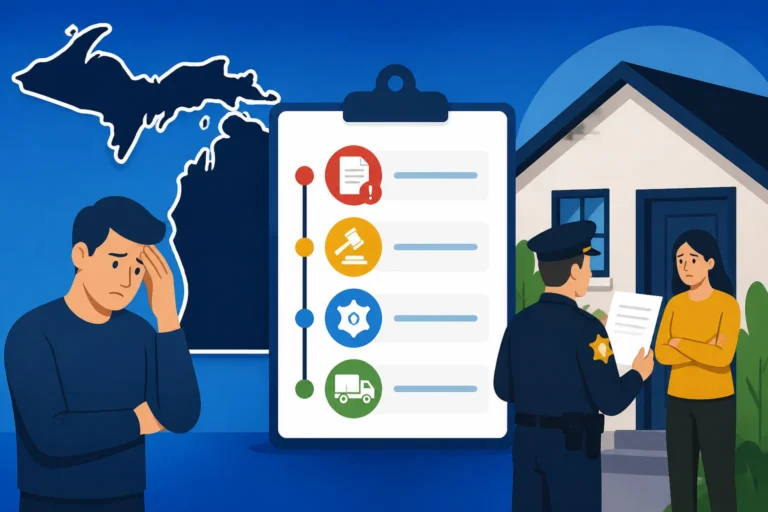
That dreaded envelope or door posting is never a welcome sight. The moment you see an eviction notice, it’s easy for your mind to race, imagining the worst-case scenarios. But before you let panic set in, it’s absolutely crucial to take a deep breath and understand exactly what that piece of paper means. It's not a final judgment yet, but it is a formal start to a legal process, and knowing what you're looking at is your first line of defense.
Decoding the Different Types of Notices
Eviction notices aren't all created equal. The type of notice you receive is incredibly important because it dictates your next steps and the timeline you're operating under. Landlords aren't just sending out generic warnings; they're following specific legal protocols based on the reason they want you to leave. Understanding these differences can reveal crucial details about your situation.
For instance, you might receive a "Notice to Pay Rent or Quit." This is one of the most common types. It means your landlord claims you haven't paid rent, and it gives you a specific, very short timeframe—often just 3 to 5 days, depending on your state—to either pay all the past-due rent (plus any permissible late fees) or move out. If you fail to do either, the landlord can proceed with filing a formal eviction lawsuit in court. You can find more specific details on notices like the 3-Day Notice to Pay or Quit Explained in many jurisdictions. Another common type is a "Notice to Cure or Quit," which is typically for a lease violation other than non-payment of rent, like having an unauthorized pet or too many people living in the unit. This notice gives you a chance to fix, or "cure," the violation within a set period, again, usually a few days or weeks. If you don't fix the issue, or "quit" (move out), the landlord can then file for eviction.
Then there are "Unconditional Quit Notices." These are more serious and give you no option to fix a problem or pay overdue rent. You just have to move out. These are usually reserved for severe lease violations, like repeated late rent payments, significant damage to the property, or engaging in illegal activity on the premises. The timeframe for these notices can also vary by state and the severity of the violation, but they always mean the landlord is not offering a second chance. Each of these notice types, and more, are usually outlined in detail in guides like Eviction Notice Types Pay or Quit, Cure or Quit, Unconditional. Knowing which one you have is the first critical step to formulating a response.
The Critical Deadlines You Cannot Miss
Once you’ve identified the type of notice, the absolute next thing you need to pinpoint are the deadlines. Seriously, these dates are not suggestions; they are legally binding and missing them can drastically reduce your chances of successfully fighting the eviction. The clock starts ticking the moment you receive that notice, and every day counts.
If you have a "Notice to Pay Rent or Quit," you typically have a very short window, like 3 or 5 calendar days, not business days, to pay the full amount. In California, for example, it's generally 3 days. If you don't pay within that time, even if you pay a day late, the landlord can proceed to court. For a "Notice to Cure or Quit," you might have a bit more time, perhaps 7 or 14 days, to correct the lease violation. What's crucial here is not just doing the thing, but documenting that you've done it, and informing your landlord in writing. For an "Unconditional Quit Notice," while you have to move, you still have a specific number of days (e.g., 30, 60, or even 90 days in some rent-controlled areas or for long-term tenants) before the landlord can file a lawsuit.
These initial notice periods are just the first set of deadlines. If the landlord proceeds to court and files an "unlawful detainer" lawsuit (which is what an eviction lawsuit is often called), you will then receive a summons and complaint, often served by a sheriff or process server. This document will have new, extremely critical deadlines for you to file a written response with the court. Missing this court-mandated deadline almost always results in a default judgment against you, meaning you automatically lose the case without even getting to tell your side of the story. Don't let yourself get to that point. It's often helpful to consult a resource detailing the broader Eviction Process by State Step-by-Step to understand the full timeline in your specific area.
Taking Action: Immediate Steps When Facing Eviction
The moment you've grasped the type of notice you have and its urgent deadlines, you need to transition from understanding to action. This isn't the time to hide your head in the sand; it's the time to roll up your sleeves and prepare your defense. These immediate steps can make all the difference in whether you successfully stop or delay an eviction.
Document Everything: Your Paper Trail is Gold
In landlord-tenant disputes, the person with the best documentation often has the strongest case. Memories fade, and verbal agreements are notoriously difficult to prove in court. This is why meticulously gathering and organizing every piece of relevant paperwork and communication is paramount. Think of it as building your legal fortress, one document at a time.
Start with your lease agreement. This is the foundational document that outlines the terms of your tenancy, including rent amount, payment due dates, grace periods, rules about pets, repairs, and how notices must be given. Any eviction claim your landlord makes must align with the terms of this lease and local laws. Next, collect all rent payment records – cancelled checks, bank statements, money order receipts, or digital payment confirmations. These prove you've paid rent when your landlord claims you haven't. If you've communicated with your landlord about anything related to your tenancy, gather those too. This includes emails, text messages, certified letters, or even detailed notes from phone calls (including dates, times, and what was discussed). If you've ever requested repairs, especially those related to habitability, ensure you have copies of those written requests, as well as any responses from your landlord. Resources like How to Request Repairs in Writing can give you templates for these communications.
Don't forget photographic and video evidence. Before moving in, did you take pictures or videos of the unit's condition? At move-out, or if an issue arises during your tenancy (like a leak or damage), have you documented it? These visual records can be invaluable, proving existing damage or problems that the landlord might try to blame on you. Even simple things like taking a picture of your cleaned apartment before moving out can prevent false cleaning fee deductions from your security deposit. Think of companies like LawDepot, which offer templates for various legal documents; having a formal paper trail, even for simple notices, can make a huge difference in court.
Don't Go It Alone: Seeking Legal and Community Support
The legal landscape of landlord-tenant law is complex, varying significantly from state to state and even city to city. Trying to navigate it on your own can be overwhelming and lead to costly mistakes. That's why one of the most important steps you can take is to seek professional guidance immediately. You don't have to face this alone.
Start by looking for local tenant rights organizations, legal aid societies, or pro bono attorneys in your area. Many cities have non-profits dedicated to helping tenants understand their rights and fight unjust evictions. For example, in New York City, organizations like Legal Aid Society or Legal Services NYC provide free legal assistance to low-income tenants facing eviction. In Los Angeles, Stay Housed L.A. offers similar services. Even if you don't qualify for free legal aid, many attorneys offer initial consultations at a reduced rate or for free, which can at least give you a clear understanding of your legal standing and options. They can help you understand Security Deposit Laws by State 2026 or Maximum Security Deposit Limits by State, for example, if those issues are relevant to your case.
Beyond legal advice, these organizations often have resources for emergency rental assistance, mediation services, or information on navigating the court system. They can tell you about specific local protections, like rent control ordinances or additional tenant protections that might apply in your city or county. Don't wait until the last minute; reach out for help as soon as you receive any eviction notice. The earlier you get expert advice, the more options you'll have available, and the better prepared you'll be to respond effectively.
Communicating with Your Landlord Strategically
While seeking legal help, you might also consider communicating directly with your landlord. However, this needs to be done strategically and carefully. Your goal is to explore potential resolutions while always protecting your legal standing. Never make verbal agreements that aren't also put in writing, and always maintain a polite, professional tone, even if you're feeling frustrated.
If the eviction is for unpaid rent, can you offer a payment plan? Perhaps you've had a temporary financial setback and can pay a portion now and the rest later. It's often in a landlord's best interest to avoid the time and expense of an eviction, so they might be open to a reasonable payment arrangement, especially if you have a good rental history. Be prepared to propose a concrete plan and stick to it. If the issue is a lease violation you can cure, explain what steps you've taken to fix it and offer proof. For example, if it was an unauthorized pet, can you find it a new home and provide confirmation? Many landlords use property management software, like DoorLoop, to track tenant interactions and payments; a well-documented offer from you can be easily recorded and might be taken seriously.
It's also worth exploring eviction mediation, which is a process where a neutral third party helps you and your landlord reach a mutually agreeable solution outside of court. This can be a less confrontational and often more effective way to resolve disputes, saving both parties time, money, and stress. Many court systems offer mediation programs, or local housing agencies might facilitate them. You might want to learn more about Eviction Mediation How It Works if this avenue seems promising. Remember, any agreement reached with your landlord, whether a payment plan or a settlement through mediation, must be put in writing and signed by both parties to be legally binding. Do not rely on verbal promises.
Building Your Defense: Common Strategies to Fight Eviction
Once you've understood the notice and taken immediate preparatory steps, it's time to build your defense. This involves identifying potential legal arguments against your landlord's claims and presenting them effectively, either in negotiation or in court. Many tenants successfully fight evictions by knowing their rights and leveraging specific legal protections.
Challenging the Validity of the Notice
One of the most powerful ways to stop an eviction is to challenge the legality or accuracy of the eviction notice itself. Landlords are required to follow very specific procedures when serving these notices, and even minor errors can sometimes be grounds for dismissal of the eviction case. This means the landlord would have to start the entire process over, buying you valuable time and leverage.
Carefully review your notice for any technical errors. Is your name spelled correctly? Is the property address accurate? Does the notice specify the exact amount of rent allegedly owed, or precisely describe the lease violation? Does it include the correct dates and deadlines according to state and local law? For example, in many states, a 3-day notice to pay rent must clearly state the exact amount of rent due, and it cannot include non-rent fees like late fees unless explicitly allowed by law. If the notice demands more than the legally allowed amount, it might be invalid. Similarly, if you live in a rent-controlled area, there might be specific requirements for notices of rent increases or lease terminations that the landlord must adhere to. If your landlord served the notice improperly (e.g., slipped it under your door when personal service or certified mail is required), that could also be a defense. An attorney or tenant rights advisor can help you spot these crucial errors.
Another angle is to prove the landlord's stated reason for eviction is false. If the landlord claims you didn't pay rent, but you have clear bank statements or receipts proving payment, that's a direct refutation. If they claim a lease violation that never occurred, you can provide evidence to the contrary. For instance, if the notice is an "unconditional quit" for significant damage, but you have photos proving the damage was pre-existing or minor wear and tear, that strengthens your position. A thorough review of your lease agreement and all your gathered documentation will be essential here. LawDepot can be a helpful resource for reviewing standard lease clauses that your landlord might be referencing.
Proving Landlord Violations and Uninhabitable Conditions
Your landlord has a legal obligation to provide a safe and habitable living environment. If they have failed in this duty, it can be a strong defense against eviction, especially if you've been withholding rent due to severe repair issues. This concept is often referred to as the "Implied Warranty of Habitability Explained."
Landlords are typically responsible for maintaining the structural soundness of the property, providing essential utilities like heat, hot water, and electricity, ensuring plumbing works, and dealing with serious pest infestations. If your landlord has failed to make necessary repairs after you've given them proper written notice, and these conditions make your unit unsafe or unhealthy, you might have grounds to argue that the eviction is unjust. For example, if you've been living with a persistent roof leak that causes mold, and your landlord ignored your repeated repair requests (all documented, of course, as per How to Document Repair Problems), you could argue that they violated the warranty of habitability. This would then justify your refusal to pay rent or even a repair and deduct action, depending on state law. Knowing your specific Landlord Repair Responsibilities What They Must Fix is key.
However, be warned: withholding rent is a risky strategy and should only be done after careful consideration and, ideally, legal advice. In some states, you must put the withheld rent into an escrow account to show you're not just trying to get out of paying. In others, you might have the right to "repair and deduct" the cost of repairs from your rent, but strict rules apply. If you try to use this defense without following the law precisely, a judge could still rule against you for non-payment. Your best bet is to gather all evidence of the uninhabitable conditions (photos, videos, inspector reports, doctor's notes if your health was affected) and all your written communication with the landlord about these issues.
Exploring Rent Assistance and Payment Plans
Sometimes, the core issue is simply a temporary inability to pay rent. Life happens – a job loss, an unexpected medical bill, or another financial emergency can throw anyone off track. In these situations, your defense might not be about proving the landlord wrong, but about finding a way to get the rent paid and prevent the eviction.
Many cities, counties, and states offer emergency rental assistance programs designed to help tenants who are behind on rent due to unforeseen circumstances. These programs often pay landlords directly, stopping the eviction process dead in its tracks. Organizations like Catholic Charities, Salvation Army, or local housing authorities often administer these funds. It requires proactive effort on your part to apply and provide the necessary documentation, but it can be a lifesaver. Furthermore, many landlords, especially in large apartment communities, might be open to a payment plan. If you can present a realistic plan to pay back the owed rent over a few installments, they might agree, particularly if you have a good payment history otherwise. This also saves them the headache and expense of going through the full eviction process.
Another option, as discussed earlier, is formal mediation. In mediation, a neutral third party helps both you and your landlord come to an agreement, which could include a payment plan, a reduced amount owed, or even a mutually agreed-upon move-out date without an eviction on your record. This can often lead to a "stipulated agreement" that is then filed with the court, preventing an eviction judgment as long as you uphold your end of the bargain. This route can be much less stressful and less damaging to your rental history than fighting a full-blown court case.
Addressing Discrimination or Retaliation
Tenant protections extend beyond just property conditions and payment. Federal and state laws prohibit landlords from evicting tenants for discriminatory or retaliatory reasons. If you believe your eviction is rooted in prejudice or punishment, you have strong legal grounds to fight it.
The Fair Housing Act protects tenants from discrimination based on race, color, national origin, religion, sex (including sexual orientation and gender identity), familial status, and disability. Many states and cities have additional protected classes, such as age, marital status, or source of income (e.g., Section 8 vouchers). If your landlord is trying to evict you because of your protected characteristic, or because they are treating you differently than other tenants, that's illegal discrimination. For example, if you recently had a child and your landlord suddenly serves an eviction notice without cause, it could be seen as familial status discrimination.
Similarly, landlords cannot evict you in retaliation for exercising your legal rights. For example, if you recently complained to the health department about unsafe living conditions, or joined a tenant union, or requested necessary repairs, and then immediately received an eviction notice, this could be a Retaliatory Eviction Defense. Many states have laws that create a presumption of retaliation if an eviction notice is served shortly after a tenant engages in a protected activity. This defense can be challenging to prove, as you need to show a connection between your protected action and the landlord's eviction attempt, but it's a powerful tool if the circumstances align. Gathering all documentation of your protected actions and the timing of the eviction notice will be crucial here.
Navigating the Court System and Beyond
If negotiations or initial defenses don't resolve the situation, your case will likely move to court. While this can be intimidating, it’s not the end of the line. Understanding the court process and your options post-judgment is vital to protecting yourself.
Preparing for Your Eviction Hearing
The eviction hearing is your day in court, and preparation is key. This is where all your documentation, legal knowledge, and any advice you've received will come into play. Many tenants lose their cases not because they don't have a valid defense, but because they are unprepared, nervous, or don't present their case effectively.
First, arrive on time, dressed appropriately, and with all your organized documents. This includes your lease, rent payment records, communication logs, photos, videos, and any other evidence supporting your defense. Bring multiple copies – one for yourself, one for the judge, and one for your landlord or their attorney. Practice what you want to say, focusing on being clear, concise, and sticking to the facts. The judge isn't interested in personal drama; they want to hear the legal arguments and see the evidence. If you have witnesses who can corroborate your claims, ensure they are present and prepared to testify. If you have an attorney, they will guide you through this, but even if you're representing yourself, remember that presenting a calm, organized, and factual case is your best strategy.
During the hearing, the judge will typically ask the landlord to present their case first, showing why they believe you should be evicted. Then, it will be your turn to present your defense, refute their claims, and show your evidence. Be respectful, don't interrupt, and address the judge directly. If you've been working with a tenant rights organization, they might offer "court watch" services where volunteers can observe hearings and give you tips on procedure. Remember, this hearing is your opportunity to formally explain why the eviction should not proceed, so make it count.
Dealing with a Judgment and Preventing Physical Eviction
If the court rules in favor of the landlord, don't despair immediately. A judgment for eviction (also called an "unlawful detainer judgment") doesn't mean you're on the street that day. There are still processes that must be followed before you can be physically removed from the property.
After a judgment, the landlord will typically have to obtain a "Writ of Possession" from the court. This is a legal document that authorizes the local sheriff or marshal to physically remove you and your belongings from the property. The sheriff will then serve you with a final notice, often a 24- or 48-hour notice to vacate. This is the absolute last warning. During this time, you still have the right to your property and should use it to pack and move your belongings. If you don't move, the sheriff will return to physically remove you. It's crucial to understand that only the sheriff, with a valid Writ of Possession, can legally remove you. Your landlord cannot change the locks or remove your items themselves. For more information on the exact timelines, you can refer to resources like "How Long Does an Eviction Take?" for your state.
In some cases, even after a judgment, you might be able to negotiate a "stay of execution" from the judge, asking for a few extra days or weeks to find new housing, especially if you have children or medical issues. This is usually granted at the judge's discretion and requires a compelling reason. While a judgment will appear on your rental history and can make it harder to find future housing, understanding the final steps means you can plan your move and avoid being caught completely off guard.
What to Do About Illegal Evictions
Not all landlord actions are legal, and it's essential to know when your landlord is crossing the line. An "illegal eviction," often called a "self-help eviction," is when a landlord tries to force you out without going through the proper court process. This is almost always illegal and carries severe penalties for the landlord.
Examples of illegal evictions include changing the locks on your unit, removing your personal belongings, shutting off essential utilities like water, electricity, or heat, or harassing you to leave. These actions are designed to make your living situation unbearable so you'll vacate the premises without a court order. If your landlord attempts any of these self-help tactics, you have immediate rights. You can call the police (though they often consider it a civil matter and may not intervene beyond ensuring the peace), and more effectively, seek an emergency court order to regain access to your unit and/or have your utilities restored. Many states also allow you to sue your landlord for damages resulting from an illegal eviction, including actual damages, emotional distress, and sometimes even punitive damages (like Double vs Treble Damages for Wrongful Withholding), which can be substantial.
You can find more in-depth information on this topic in articles like Illegal Self-Help Eviction Lockouts & Utility Shutoffs. If this happens to you, document everything: take photos of changed locks, record conversations if your state allows, and keep records of utility shut-offs. Contact a tenant rights attorney or legal aid immediately. They can help you file an emergency motion with the court to stop the illegal activity and protect your tenancy. Never agree to leave under duress from an illegal eviction.
| Common Eviction Defenses | Description | Key Evidence Needed |
|---|---|---|
| Improper Notice | The eviction notice contains errors (e.g., wrong amount, incorrect dates, improper service) or is not legally valid. | Copy of the notice, lease agreement, relevant state/local statutes, proof of improper service (if applicable). |
| Rent Paid | Tenant has paid all rent due and owes nothing to the landlord. | Bank statements, canceled checks, money order receipts, online payment confirmations. |
| Landlord Retaliation | Eviction is a punishment for the tenant exercising a legal right (e.g., requesting repairs, reporting violations, joining a tenant union). | Dates and copies of repair requests, code violation reports, tenant union membership, timing of eviction notice. |
| Uninhabitable Conditions | Landlord failed to maintain safe/habitable living conditions after receiving proper notice from the tenant. | Written repair requests, photos/videos of conditions, inspector reports, doctor's notes, proof of escrow account (if applicable). |
| Discrimination | Eviction is based on a protected characteristic (race, religion, disability, familial status, etc.) under fair housing laws. | Documentation of discriminatory statements/actions, comparative evidence of how other tenants are treated. |
| Acceptance of Partial Rent | Landlord accepted partial rent after serving a "pay or quit" notice, potentially waiving the right to evict for that specific period. | Receipts or records of partial payment, communication with landlord regarding acceptance. |
| Waiver of Lease Violation | Landlord knew about a lease violation for an extended period but did nothing, effectively allowing it, then suddenly tries to evict for it. | Evidence of landlord's knowledge (emails, texts) and inaction over time. |
Disclaimer
This article is for general informational purposes only and does not constitute professional advice. Laws and regulations vary by location and change over time. Consult a qualified professional for guidance on your specific situation.