Can My Landlord Lock Me Out?
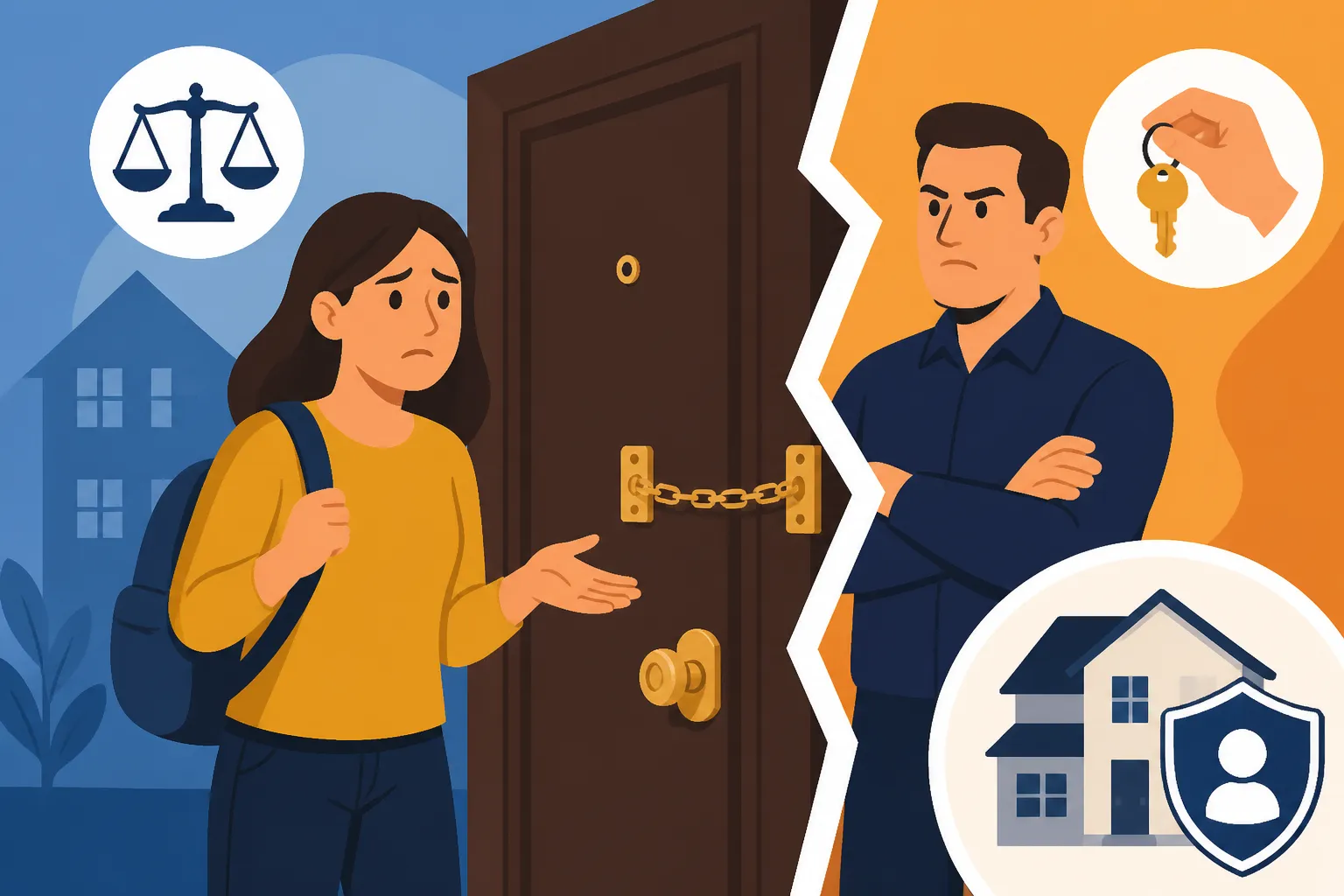
The thought of coming home only to find yourself locked out of your own apartment, your keys suddenly useless, is a nightmare scenario that far too many renters sadly encounter. It’s a terrifying and incredibly stressful experience, leaving you feeling helpless, exposed, and wondering what on earth your rights are. This guide is here to shed light on whether your landlord can legally lock you out, what typically makes such an action illegal, and most importantly, what powerful steps you can take to protect yourself and get back into your home.
The Harsh Reality of Illegal Landlord Lockouts
Let’s be brutally honest: most of the time, a landlord changing your locks or otherwise preventing you from accessing your rental unit without a court order is completely and utterly illegal. This is often referred to as a "self-help" eviction, and virtually every state in the U.S. has laws against it. Landlords often try these tactics out of frustration or ignorance, but it doesn't make it right, or legal.
What Exactly Constitutes an Illegal Lockout?
An illegal lockout occurs when a landlord takes matters into their own hands to remove a tenant from a property without following the proper legal eviction process. This means they bypass the courts, sheriffs, and all the established legal procedures designed to protect both landlords and tenants. It's a blatant disregard for due process and a severe violation of a tenant's right to quiet enjoyment of their home. Imagine you're at work all day, you come back, and your key just won't turn the lock. Or worse, the lock cylinder is completely different. That sinking feeling in your stomach? That's what an illegal lockout feels like.
It's not just about changing the locks, either. An illegal lockout can encompass any action designed to force you out by making your home uninhabitable or inaccessible. This could mean removing your front door entirely, barring windows, or even fencing off the property. The key element is that these actions are taken without a judge's order, and they directly interfere with your ability to live in your rental unit.
Common (and Illegal) Tactics Landlords Might Use
Landlords sometimes get creative, or rather, incredibly misguided, in their attempts to force a tenant out. Changing the locks is perhaps the most direct and common illegal tactic. One day your key works, the next it doesn't. This can happen whether you're behind on rent, your lease is ending, or for seemingly no reason at all. It's a quick, cheap (for them), and often effective (in their eyes) way to create immediate displacement.
Another common tactic, and one that hits hard, is the shutdown of essential utilities. We're talking about electricity, gas, or water. Imagine waking up to no hot water for your shower, or coming home to a completely dark apartment with no power for your refrigerator. These actions render a property unlivable and are explicitly prohibited under landlord-tenant laws in almost all jurisdictions. Landlords cannot unilaterally decide to turn off your utilities as a way to "encourage" you to leave. Even removing your personal property from the unit and placing it outside or in storage can be considered an illegal lockout tactic, sometimes even escalating to theft depending on the circumstances. It's an unsettling thought to consider your belongings being handled without your permission.
Your Rock-Solid Tenant Rights Against Unlawful Lockouts
Thankfully, tenants have robust legal protections against these kinds of egregious actions. It's crucial to understand that these protections exist for a reason – to prevent chaos and ensure that disputes are resolved through legal channels, not by strong-arm tactics. Knowing your rights is your first and best defense.
The Absolute Necessity of a Court Order
This is the golden rule, the bedrock of tenant protection: a landlord generally cannot legally lock you out without a court order for eviction. Period. The eviction process is a legal one, initiated by a landlord filing a case in court, typically a landlord-tenant court or small claims court, depending on the state and jurisdiction. You, as the tenant, must be properly served with notice, given an opportunity to respond, and have a chance to present your case before a judge. Only after a judge has issued a judgment for possession and a writ of possession, and usually after a sheriff or other authorized law enforcement official oversees the physical removal, can a landlord legally change the locks.
Without this formal process, any attempt by your landlord to physically remove you or prevent your access is unlawful. This means that if you haven't received official court papers, gone to court, and lost, your landlord has no legal right to lock you out. This is a fundamental principle of Eviction Process by State. States like California, New York, and Texas, for instance, have very clear, strict procedures that landlords must follow, making self-help evictions highly illegal and subject to severe penalties.
Protection Against Retaliatory Lockouts
Beyond simply needing a court order, you're also protected against lockouts that are deemed retaliatory. This means if you've recently exercised a tenant right – perhaps you complained about necessary repairs not being made, reported a code violation, or organized with other tenants about an issue – and your landlord locks you out, that action is likely illegal and could be considered a retaliatory eviction. Many states have specific laws that prohibit landlords from taking adverse actions against tenants for a certain period (often 60 to 180 days) after they've asserted their rights.
For example, if you sent your landlord a detailed letter about a serious mold issue and two weeks later the locks are changed, that's a huge red flag for retaliation. The law recognizes that tenants need to feel secure in their homes and be able to advocate for themselves without fear of immediate reprisal. This protection is vital for maintaining a fair landlord-tenant relationship and ensuring tenant safety and habitability.
Your Rights When a Lease Is Active
If you have a valid, active lease agreement, your rights are even more robust. A lease is a legally binding contract that grants you the exclusive right to possess and use the property for a specified period, typically a year. During this term, your landlord cannot simply decide to terminate your tenancy or lock you out unless you have severely violated a term of the lease, such as by failing to pay rent or causing significant damage, and even then, they must follow the legal eviction process.
Even if you’ve violated the lease, like consistently being late with rent, your landlord still must provide you with proper Eviction Notice Types (like a "Pay or Quit" notice) and then proceed to court. They can't just throw you out because they're tired of waiting. Your lease is your shield, guaranteeing your right to occupancy until it expires or is legally terminated by a court. If your landlord is using tactics to get you to leave without proper notice, that’s almost certainly a violation of your lease and tenant rights.
Immediate Steps to Take if Your Landlord Locks You Out
Finding yourself locked out can be disorienting and frightening. It's easy to panic, but staying calm and taking immediate, calculated steps is crucial to protecting your rights and getting back into your home.
Documenting the Unlawful Act
This cannot be stressed enough: document everything. As soon as you realize you're locked out, start gathering evidence. Take clear, timestamped photos and videos of the changed locks, any notices (or lack thereof) posted on your door, or any signs that utilities have been disconnected. If there are witnesses, get their contact information. Keep a detailed log of dates, times, and specific events. For example, "October 26, 2026, 6:15 PM – Arrived home, original key did not work. Saw new deadbolt installed. Took photos and video."
This documentation will be absolutely critical if you need to go to court or involve law enforcement. Without proof, it can become a "he said, she said" situation, which is much harder to navigate. Even text messages or emails from your landlord hinting at or confirming the lockout should be saved. Any communication with your landlord, whether a recorded phone call (if legal in your state) or written correspondence, should be preserved. This meticulous record-keeping is your best friend when faced with an illegal eviction attempt.
Involving Law Enforcement and Other Authorities
Your first instinct might be to call the police, and in many situations, this is exactly what you should do. Non-emergency lines are generally preferred unless there's an immediate threat to safety. Explain that your landlord has illegally locked you out without a court order. In many jurisdictions, illegal lockouts are considered a misdemeanor crime, and the police may be able to order your landlord to grant you access immediately. For instance, in Washington state, police have the authority to remove a landlord if they are found performing an illegal lockout.
If the police are unable or unwilling to directly assist, or if the situation is less immediate but still unlawful, you should contact your local housing authority, tenant rights organizations, or legal aid services. These organizations specialize in landlord-tenant law and can offer specific guidance tailored to your state and city's regulations. They can often provide immediate advice on your options, from sending a formal demand letter to helping you initiate legal action. Remember, you don't have to face this alone.
Seeking Legal Assistance and Pursuing Recourse
After documenting the situation and attempting to involve law enforcement, your next critical step is to seek legal assistance. A lawyer specializing in tenant law can advise you on the specific laws in your state (such as Tenant Rights If Landlord Won't Return Deposit), help you understand your options, and represent you in court. Many states allow tenants to sue landlords for illegal lockouts, often entitling them to actual damages (like the cost of temporary housing, lost wages) and sometimes even punitive damages or statutory penalties (like double or treble damages).
You might be able to obtain a court order, called a temporary restraining order (TRO) or an injunction, to force your landlord to let you back into your home. This is often an expedited process given the emergency nature of being locked out. Sites like LawDepot can provide resources for legal document templates, but for an actual lockout situation, direct legal counsel is usually recommended. Remember, landlords often use property management software like DoorLoop to manage their properties; knowing they have legal counsel behind them is a strong deterrent against such illegal actions. The penalties for illegal lockouts can be severe, including fines and jail time for landlords, designed to discourage these practices.
| Illegal Landlord Action | Legal Landlord Action | Tenant Recourse | Potential Penalty for Landlord |
|---|---|---|---|
| Changing locks without court order | Changing locks after court-ordered eviction & sheriff oversight | Call police, seek legal aid, file injunction | Fines, actual damages, punitive damages, potentially jail time |
| Shutting off utilities to force move-out | Disconnecting utilities after tenant vacates & account transferred | Call utility company, seek legal aid, file injunction | Fines, actual damages, statutory damages |
| Removing tenant's belongings | Removing belongings after court-ordered eviction (with notice/storage requirements) | Call police, seek legal aid, sue for conversion | Fines, actual damages, statutory damages |
| Barring entry or removing doors | Entering for repairs/inspections with proper notice | Call police, seek legal aid, file injunction | Fines, actual damages, statutory damages |
Rare Exceptions: When a Landlord CAN Legally Restrict Access
While illegal lockouts are rampant, it’s important to acknowledge that there are very specific, and usually temporary, circumstances under which a landlord might legally restrict a tenant's access to a property. These situations are few and far between and always come with strict legal stipulations.
True Emergency Situations
In extremely rare cases of genuine emergency, a landlord might need to restrict access to a property. We're talking about situations that pose an immediate threat to life, health, or significant property damage, such as a fire, a gas leak, a burst pipe causing severe flooding, or a structural collapse. In these scenarios, immediate action might be necessary, and waiting for a court order could be catastrophic. The landlord's action here is not to "evict" you, but to protect you and the property.
However, even in emergencies, these restrictions are typically temporary, and the landlord is expected to restore access as soon as the danger is mitigated. They should also make every reasonable effort to notify you promptly and keep you informed of the situation. They can't use a minor leak as an excuse to lock you out for days. Any extended denial of access must still be legally justified, and they usually can't simply refuse entry once the immediate emergency has passed.
Legally Proven Tenant Abandonment
Another extremely limited exception is when a tenant has legally abandoned the property. This isn't just you going on vacation for a week. "Abandonment" has a very specific legal definition that varies by state, but it generally requires clear and convincing evidence that the tenant has permanently moved out with no intention of returning, and often, that they have stopped paying rent. Many states require that the landlord send a formal notice of abandonment and wait a certain number of days before taking possession. For instance, in some states, abandonment might be proven if rent is overdue, and the tenant has removed all their possessions and/or has not communicated with the landlord for a specified period (e.g., 15-30 days).
Even if a landlord believes a property has been abandoned, they often still must follow a legal process, which might include posting notices or waiting a statutory period. If a landlord locks you out based on presumed abandonment and you later prove you hadn't abandoned the property (e.g., you were hospitalized or on an extended trip), they could face severe penalties for an illegal lockout. This is why it's always critical for landlords to follow precise legal procedures before assuming abandonment and attempting to regain possession, as the consequences for getting it wrong are significant. If your lease is broken, what happens to your security deposit depends heavily on your state's laws, and whether abandonment is proven.
Post-Eviction: The Final Legal Step
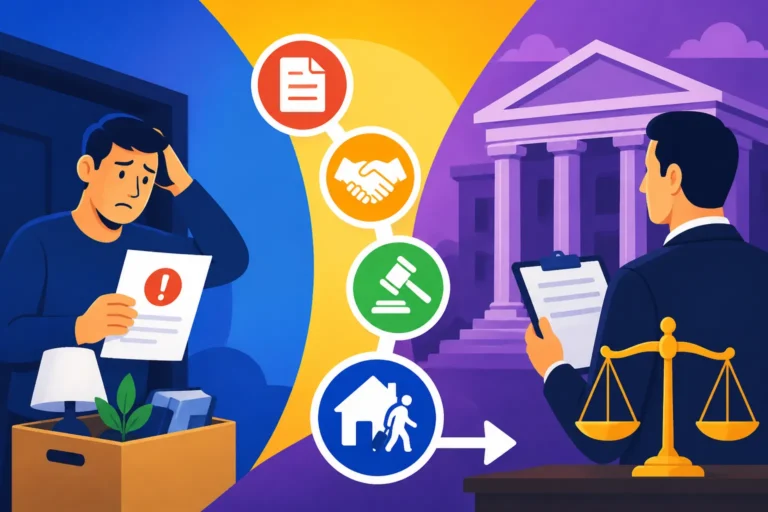
The only truly legal circumstance where a landlord can change the locks and prevent your access is after the entire, lawful eviction process has been completed. This means:
- The landlord has given you proper notice (e.g., a "3-Day Notice to Pay or Quit" or a "30/60/90-Day No-Fault Eviction Notice").
- They have filed an eviction lawsuit in court.
- You have been properly served with court papers.
- There has been a court hearing, and a judge has ruled in favor of the landlord, issuing a judgment for possession.
- A "Writ of Possession" or similar order has been issued by the court.
- A sheriff or other authorized law enforcement officer has then executed the writ, physically removing you and your belongings (if necessary) from the property.
Only at this final stage, under the supervision of law enforcement, can the landlord legally regain possession and change the locks. Until then, any attempt to lock you out is an illegal "self-help" eviction. Understanding this distinction is vital, as it empowers you to differentiate between a scary, but legal, eviction and an unlawful act by your landlord.
Disclaimer
Please remember that this article provides general information and is not a substitute for legal advice. Landlord-tenant laws vary significantly by state and even by city. If you are facing a lockout or have questions about your specific situation, it is crucial to consult with a qualified attorney or a tenant rights organization in your area.