Eviction Timeline in Florida: How Long It Takes
Nobody ever wants to face an eviction, whether you're a landlord trying to regain control of your property or a tenant desperately trying to keep your home. It's a daunting, emotionally charged, and often confusing legal process, especially when you're trying to figure out just how long it will all take. If you're in the Sunshine State and grappling with the complexities of eviction, understanding the Eviction Timeline in Florida: How Long It Takes is crucial. This guide is here to walk you through every step, giving you a realistic picture of what to expect and how to navigate the Florida eviction process.
The Foundation of Florida Evictions Understanding the Legal Framework
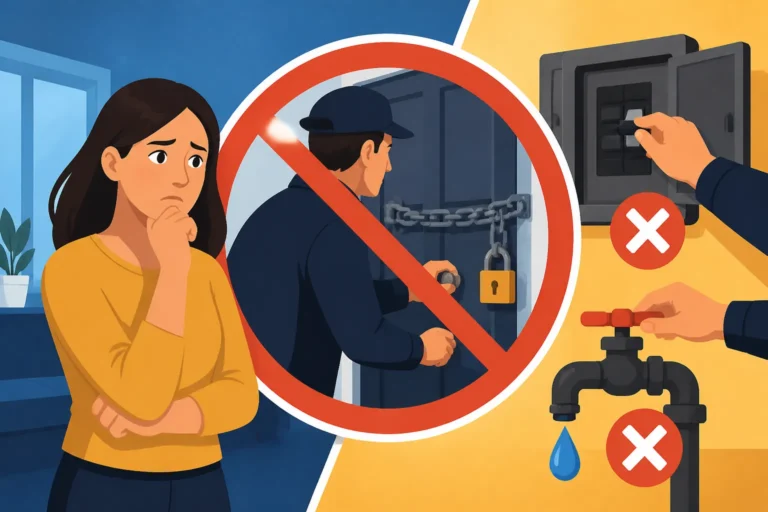
Florida's landlord-tenant laws, primarily found in Florida Statutes Chapter 83, provide the legal backbone for evictions. It's not a free-for-all; there are very specific steps landlords must follow, and tenants have rights and defenses they can assert. Many people mistakenly believe that once a landlord says "you're out," it's over in a matter of days. The truth is, the legal system is designed to provide due process, meaning it takes time. Eviction is a legal proceeding, not simply a landlord changing the locks, which, by the way, is an illegal self-help eviction and comes with severe penalties for landlords in Florida.
Key Stages of a Florida Eviction Proceeding
The eviction process in Florida, like many states, follows a fairly predictable, albeit sometimes drawn-out, sequence of events. Think of it as a series of dominoes; each one must fall in order for the next to proceed. Missing a step or rushing the process can lead to significant delays, or even cause a landlord to have to start all over again.
Here's a general overview of the critical stages:
- Notice to Vacate: The landlord must first provide the tenant with a formal, written notice explaining why they are being asked to leave and giving them a specific timeframe to either remedy the issue (like paying overdue rent) or vacate the property.
- Filing the Eviction Lawsuit: If the tenant does not comply with the notice, the landlord then files a "Complaint for Eviction" with the appropriate county court. This officially initiates the legal process.
- Service of Summons: Once filed, a copy of the lawsuit and a summons must be legally "served" on the tenant, informing them they are being sued and must respond to the court.
- Tenant's Response: The tenant has a limited time to respond to the lawsuit, either admitting, denying, or raising defenses against the eviction claims.
- Court Hearing or Default Judgment: If the tenant doesn't respond, the landlord can seek a default judgment. If the tenant does respond, a court hearing will be scheduled to hear both sides.
- Judgment for Possession: If the judge rules in favor of the landlord, a judgment is issued, granting the landlord legal possession of the property.
- Writ of Possession and Tenant Removal: This is the final step where the court issues an order to the sheriff, authorizing them to remove the tenant and their belongings from the property if they still haven't left.
Each of these steps has its own timeline, and as you'll see, these times can vary wildly depending on the circumstances, the county, and whether the tenant chooses to contest the eviction.
Detailed Breakdown of Each Eviction Stage and Its Timeline in Florida
Understanding the typical duration of each stage is key to grasping the overall eviction timeline. It's not just about how quickly a landlord wants to evict a tenant, but how quickly the law allows it and how efficiently the courts can process the cases.
Step 1: Providing Proper Notice to Vacate (3-7 Days)
Before any court action can begin, the landlord must provide the tenant with a formal written notice. This isn't just a polite request; it's a legal prerequisite. The type of notice and the time period it provides depend entirely on the reason for the eviction.
For non-payment of rent, Florida law requires a 3-day notice. This notice gives the tenant three business days (excluding weekends and legal holidays) to pay the overdue rent or move out. If the rent isn't paid within that specific window, the landlord can then proceed with filing the eviction lawsuit. You can find templates for these notices on legal document platforms like LawDepot, which can help ensure all the necessary information is included.
For lease violations other than non-payment (e.g., unauthorized pets, excessive noise, property damage), Florida generally requires a 7-day notice. This 7-day notice comes in two main forms:
- 7-Day Notice to Cure: This notice gives the tenant seven days to correct the violation. If they fix it within that time, the landlord cannot proceed with eviction for that specific issue.
- 7-Day Unconditional Quit Notice: This notice is for serious or repeated lease violations where the tenant does not have an option to "cure" the problem. For example, if a tenant repeatedly violates a lease term or causes significant damage, the landlord might issue this notice, meaning the tenant must move out within seven days.
Serving this notice correctly is paramount. It must be delivered to the tenant in a legally acceptable manner, typically by personal delivery, certified mail, or by posting it on the door of the rental unit if personal service isn't possible. Any mistake here can invalidate the notice and force the landlord to restart this initial phase.
Step 2: Filing and Serving the Eviction Lawsuit (5-20 Days for Tenant Response)
Once the notice period has expired and the tenant has not complied, the landlord can officially initiate the eviction process by filing a "Complaint for Eviction" with the clerk of the county court where the property is located. This document outlines the reasons for the eviction, the notices served, and the relief sought (possession of the property and often unpaid rent or damages). This filing usually involves court fees, which vary by county.
After the complaint is filed, the court will issue a summons. This summons, along with a copy of the complaint, must then be "served" on the tenant by a sheriff or a certified private process server. This crucial step officially informs the tenant that they are being sued for eviction and instructs them on how to respond.
The timeline for the tenant's response is strict:
- For evictions based on non-payment of rent: The tenant has only five (5) business days (excluding weekends and legal holidays) from the date of service to file a written answer with the court. During this time, the tenant might also be required to deposit any disputed rent into the court registry. You can learn more about how to respond in our guide on How to Answer an Eviction Lawsuit.
- For evictions based on other lease violations: The tenant typically has twenty (20) calendar days from the date of service to file a written answer.
If the tenant fails to file a response within the allotted time, the landlord can then file a motion for a default judgment, which can significantly speed up the process. However, if the tenant does respond, the case moves into a more contested phase.
Step 3: Navigating the Court Proceedings (Weeks to Months)
This is often the most variable part of the eviction timeline in Florida, heavily influenced by the tenant's actions and the court's caseload.
Default Judgment: If the tenant does not respond to the summons within the specified timeframe (5 or 20 days), the landlord can file a Motion for Default. Once granted by the judge, this typically leads directly to a final judgment for possession without a formal hearing. The court clerk will then issue a "Final Judgment for Possession" which is a crucial step towards regaining the property. The overall time from filing to judgment in an uncontested case can sometimes be as quick as 2-3 weeks, depending on the court's efficiency.
Contested Eviction and Hearings: If the tenant files a response and disputes the eviction, the case becomes contested. The court will then schedule a hearing. The time it takes for a hearing to be scheduled can vary dramatically by county, from a couple of weeks to over a month, especially in larger, busier jurisdictions like Miami-Dade, Orange County (Orlando), or Hillsborough County (Tampa).
At the hearing, both the landlord and tenant present their arguments and evidence. Tenants might raise various defenses, such as claims that the landlord failed to maintain the property as required by the Implied Warranty of Habitability Explained, that the eviction is retaliatory, or that the notice was improper. This is why thorough documentation from the landlord's side, and strong legal representation from both, are so important. After hearing the arguments, the judge will make a ruling. If the judge rules in favor of the landlord, a Final Judgment for Possession is issued.
Step 4: The Writ of Possession and Tenant Removal (1-5 Days)
This is the absolute final step in the formal eviction process, and it only occurs after the landlord has received a Final Judgment for Possession. The judge's order grants the landlord the legal right to regain possession of the property. However, landlords cannot physically remove tenants themselves. That's illegal and can lead to serious legal consequences for the landlord.
Instead, the landlord must obtain a Writ of Possession from the court clerk. This document is then delivered to the county sheriff's office. Once the sheriff receives the writ, they are legally obligated to execute it. The sheriff typically posts a 24-hour notice on the tenant's door, informing them that they must vacate the premises within 24 hours. This day period excludes weekends and holidays.
After the 24 hours have passed, the sheriff will return to the property to physically remove the tenant and their belongings if they haven't already left. The actual timing for the sheriff's action can vary based on their workload and resources, but generally, it happens within 1-5 days of receiving the writ. The tenant's personal property left behind might need to be stored by the landlord, following specific procedures outlined in Florida Statutes. Our guide on The Writ of Possession & Sheriff Removal delves deeper into this final, critical stage.
Factors Influencing the Eviction Timeline in Florida
It's clear that there isn't one single "eviction timeline" that applies to every case in Florida. Several significant factors can either accelerate or prolong the process.
Tenant Actions and Defenses
A tenant's decision to fight an eviction, even if they ultimately lose, will invariably extend the timeline. They might:
- File an answer to the complaint: This immediately moves the case from a default scenario to a contested one, requiring a court hearing.
- Raise affirmative defenses: Tenants can argue that the landlord failed to meet their obligations (e.g., not making necessary repairs, violating the lease themselves).
- Seek legal counsel: An attorney can identify procedural errors by the landlord or advise the tenant on viable defenses, often requesting continuances (postponements) for the case.
- File counterclaims: A tenant might sue the landlord for damages, which can be heard alongside the eviction case, adding complexity and time.
- Request mediation: Some courts encourage or require mediation, where a neutral third party helps the landlord and tenant try to reach a settlement. This can sometimes resolve issues faster but also adds a step to the process.
Each of these actions requires court time, legal filings, and potentially multiple hearings, stretching the timeline from weeks into months. Understanding your rights, whether you are a landlord or a tenant, is crucial, and resources like those offered by LawDepot for legal forms or property management software like DoorLoop can help keep processes organized.
Court Caseloads and Local Jurisdictions
The sheer volume of cases flowing through Florida's county courts can significantly impact how quickly an eviction case progresses. Some courts, especially in densely populated areas like South Florida (Miami-Dade, Broward, Palm Beach counties), Central Florida (Orange, Seminole, Osceola counties), or the Tampa Bay area (Hillsborough, Pinellas counties), face heavier caseloads, leading to longer wait times for hearing dates or processing documents.
The individual judge assigned to a case can also play a role, as can specific local court rules or procedures. For instance, one county might be quicker to schedule hearings than another. A good rule of thumb is that evictions in more rural counties often move faster simply because there are fewer cases for the court system to handle.
Proper Procedure by the Landlord
This cannot be stressed enough: strict adherence to Florida's landlord-tenant laws and court procedures is vital. Any misstep by the landlord can cause significant delays or even force them to restart the entire eviction process. Common errors include:
- Incorrectly serving the notice to vacate: If the 3-day or 7-day notice isn't delivered correctly or contains errors, a judge can dismiss the case.
- Filing the wrong type of notice: Using a 3-day notice for a lease violation that requires a 7-day notice will likely lead to dismissal.
- Errors in the complaint: Missing information or incorrect details in the initial court filing can cause delays while amendments are made.
- Not following court rules: Every court has specific rules of procedure, and failing to follow them can lead to sanctions or delays.
Landlords must be meticulous in their documentation and follow every legal step to ensure the process moves as smoothly as possible. This includes carefully documenting all communication, notices, and any attempts at repair or resolution.
Estimating the Overall Florida Eviction Duration
So, after all that, what's the realistic timeframe for an eviction in Florida? It really boils down to whether the eviction is uncontested or contested.
Uncontested Eviction Scenario (Fastest Possible: ~3-5 Weeks)
In a best-case, uncontested scenario, where the tenant either pays rent after the 3-day notice or simply vacates the property without responding to the lawsuit, the process can move relatively quickly.
- Notice Period: 3-7 days
- Filing & Service: 3-7 days (to file, and then process server takes a few days)
- Tenant Response Window: 5-20 days (depending on reason)
- Motion for Default & Judgment: 3-7 days (if no tenant response)
- Writ of Possession & Sheriff Action: 1-5 days
Adding these up, an uncontested eviction where the tenant does not respond could theoretically be resolved in about 3 to 5 weeks from the initial notice. This is often what landlords hope for, and good property management tools like DoorLoop can help track these deadlines efficiently.
Contested Eviction Scenario (Common Reality: 6 Weeks to 3+ Months)
When a tenant decides to fight the eviction, the timeline inevitably stretches. This is a much more common scenario, especially in a tight rental market.
- Notice Period: 3-7 days
- Filing & Service: 3-7 days
- Tenant Response Window: 5-20 days
- Court Hearing Scheduling: 2-6 weeks (highly variable by county)
- Pre-Trial Motions/Mediation (Optional): 1-4 weeks
- Judgment for Possession: 1-2 days after hearing
- Writ of Possession & Sheriff Action: 1-5 days
In a contested eviction, the timeline typically ranges from 6 weeks to 3 months or more. If appeals are filed, or if complex legal issues arise, the process could potentially drag on for even longer. This is why many landlords will try to negotiate with tenants, offering "cash for keys" to incentivize them to move out quickly, which can save time, stress, and legal fees.
It's also important to remember that these are average estimates. Individual circumstances, the specific judge, and unforeseen court delays can always alter the actual timeline. For more specific information about your situation, it's always wise to consult with an attorney specializing in Florida landlord-tenant law.
Here's a simplified overview of typical eviction timelines in Florida:
| Stage of Eviction Process | Uncontested Timeline (Approx.) | Contested Timeline (Approx.) | Key Action |
|---|---|---|---|
| Notice to Vacate | 3-7 days | 3-7 days | Landlord serves formal notice to tenant. |
| Complaint Filing & Service | 3-7 days | 3-7 days | Landlord files lawsuit, tenant is served. |
| Tenant's Response Time | 5-20 days | 5-20 days | Tenant files answer or defaults. |
| Default Judgment / Hearing Prep | 3-7 days (for default) | 2-6 weeks (for hearing date) | Court processes default or schedules hearing. |
| Court Hearing / Mediation | N/A | 1-4 weeks (actual hearing/mediation) | Both sides present case or negotiate. |
| Judgment for Possession | 1-2 days | 1-2 days | Judge issues ruling for landlord. |
| Writ of Possession & Sheriff Action | 1-5 days | 1-5 days | Sheriff posts notice and performs lockout. |
| Total Estimated Time | 3-5 weeks | 6 weeks – 3+ months | From initial notice to tenant removal. |
Please note, this table provides estimates, and actual times can vary based on local court schedules and specifics of each case.
Disclaimer
This article is for general informational purposes only and does not constitute professional advice. Laws and regulations vary by location and change over time. Consult a qualified professional for guidance on your specific situation.