Can a Landlord Throw Out My Belongings?
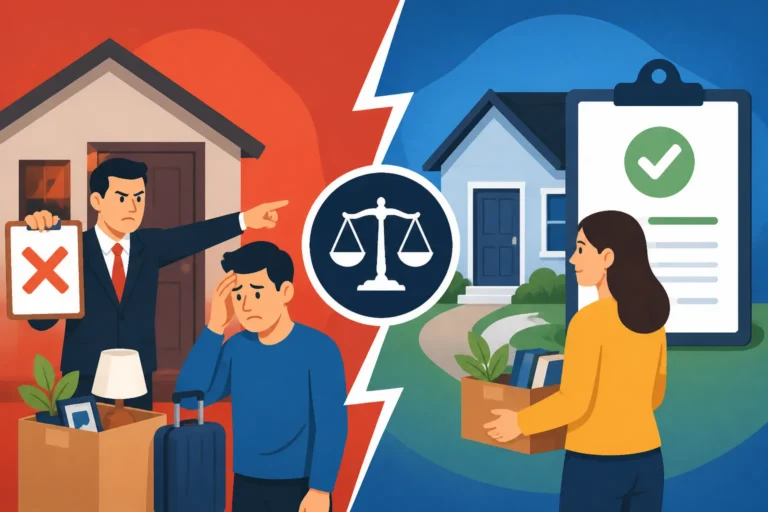
It’s a situation no renter ever wants to face: the fear that after moving out, or even in the middle of a dispute, your landlord might simply toss all your cherished belongings to the curb. The thought alone is enough to cause immense stress, but thankfully, landlord-tenant laws are in place to prevent such arbitrary actions. This guide will walk you through the complex rules surrounding abandoned property, your rights as a tenant, and what legal protections exist to ensure your possessions are handled properly.
The Harsh Reality: When a Landlord Can Actually Dispose of Your Property
Let's cut right to the chase: generally speaking, a landlord cannot simply throw out your belongings on a whim. There are strict legal protocols that must be followed, largely dictated by state law. Understanding these protocols is crucial for protecting yourself and your possessions.
The Eviction Process and Your Belongings
The most common scenario where a landlord might legally gain the right to deal with your property is after a formal eviction. It’s a common misconception that once you receive an eviction notice, your landlord can immediately clear out your unit. This is absolutely not true. An eviction notice, such as a "3-Day Notice to Pay or Quit," is just the first step in a lengthy legal process.
For a landlord to legally remove your possessions, they must first successfully complete the entire judicial eviction process. This means filing a lawsuit, attending court, and obtaining a judgment for possession. Even then, they still can't just open your door and start packing. They must then obtain a "writ of possession" from the court. This writ is a legal order directing the sheriff or other authorized law enforcement officer to physically remove the tenant and their property from the premises.
It's only after the sheriff has executed the writ of possession, and the tenant has been legally removed, that the landlord gains control over any remaining property. Even at this stage, most states have specific laws about how that property must be handled. Engaging in what's known as an Illegal Self-Help Eviction Lockouts & Utility Shutoffs is strictly prohibited and carries severe penalties for landlords. If you're going through this, understanding the full Eviction Process by State Step-by-Step is vital.
What Constitutes "Abandoned Property"?
This is where things can get a bit murky, and it’s critical to understand the legal definition of "abandoned property" in your state. Generally, property is considered abandoned if the tenant has moved out of the rental unit, given up possession, and has clearly demonstrated no intent to return for their belongings. This isn't just about leaving a few things behind; it implies a complete relinquishment of tenancy.
For instance, if you're out of town for a week and your landlord thinks you've abandoned the property and tosses your stuff, that's almost certainly illegal. True abandonment typically involves:
- Non-payment of rent for an extended period: This, combined with a lack of communication or presence, can be a strong indicator.
- Termination of the lease: If your lease officially ends, and you've moved out but left items, those items may eventually be deemed abandoned.
- Removal of most personal items: If the bulk of your belongings are gone, and utilities are disconnected, it suggests abandonment.
However, even if a landlord believes property is abandoned, they usually can't just dispose of it. Most states require them to follow a specific notice procedure and storage period before they can sell, donate, or discard the items. Some states even define a specific dollar value for abandoned property, requiring different actions for items above or below that threshold. For example, leaving behind an old, broken chair might be treated differently than leaving behind an antique armoire or valuable electronics.
Understanding Your Rights: State-Specific Rules for Abandoned Property
Tenant rights are designed to protect you, even when you've left property behind. These rules vary significantly from state to state, so it’s essential to be aware of the specific laws where your rental unit is located.
Notice Requirements from Landlords
One of the most crucial protections for tenants is the requirement for landlords to provide written notice about abandoned property. This isn't just a friendly heads-up; it's a legal obligation. This notice typically must include:
- An itemized list or general description of the property left behind.
- The location where the property is being stored.
- A specific deadline (usually between 7 and 30 days, depending on the state) by which the tenant must retrieve their belongings.
- Information about any storage costs that might be incurred.
- A statement explaining what will happen to the property if it's not claimed by the deadline (e.g., sold, donated, or disposed of).
For instance, in California, landlords must provide a written notice with a specific deadline (15 days if served personally, 18 days if mailed) before disposing of abandoned property. The notice must contain details about where the property is stored and any reasonable costs of storage. In New York, the laws are less explicit about specific procedures but generally require landlords to act reasonably and give tenants a chance to reclaim property.
If you receive such a notice, act quickly! This is your opportunity to reclaim your items. It's often a good idea to consult a resource like LawDepot if you need to draft a formal response or arrangement plan to ensure it's legally sound.
Storage and Retrieval of Personal Property
Once a landlord takes possession of abandoned property, they have a legal responsibility to store it safely for the designated period. They can't just leave it out in the rain or in an unsecured area. The storage location must be reasonable and protect the property from damage or theft.
When a tenant comes to retrieve their property, the landlord may be allowed to charge "reasonable" storage and moving costs. What's considered "reasonable" can sometimes be a point of contention, but it generally covers the actual expenses incurred for moving and storing the items, not an inflated fee. Some states, like California, allow landlords to charge for "reasonable costs of storage and sale," while others may only allow storage costs.
If the tenant doesn't retrieve their property by the specified deadline, the landlord's options depend on the property's value and state law. Many states allow landlords to:
- Sell the property: If the value exceeds a certain amount (e.g., $700 in California), landlords often have to hold a public sale and use the proceeds to cover storage and sale costs. Any remaining funds must then be sent to the former tenant.
- Donate or dispose of the property: If the property's value is below the state's threshold, or if no one purchases it at a public sale, the landlord may be able to keep, donate, or dispose of the items.
It's a complex dance, and if you find yourself in this situation, knowing your rights regarding How Long Does a Landlord Have to Return Your Deposit? might also be relevant, as financial matters often go hand-in-hand with property disputes.
Special Considerations for Valuables
Many states have specific rules for more valuable items. The idea here is to prevent landlords from simply enriching themselves by disposing of a tenant's expensive belongings. For example, in Texas, if the landlord reasonably believes the abandoned personal property has a market value of less than a certain threshold (often $200-$300), they can dispose of it. However, if it's worth more, they typically need to follow a more stringent process, which may include a public auction.
A landlord is generally expected to make a good-faith effort to assess the value of the items. If a landlord disposes of clearly valuable items without following the proper procedures for high-value goods, they could face significant legal consequences. This is why clear communication and meticulous documentation are so important for both parties.
What to Do If Your Landlord Illegally Disposed of Your Belongings
Discovering your belongings have been illegally thrown out or disposed of by a landlord is incredibly frustrating and upsetting. But remember, you have rights, and there are steps you can take to seek recourse.
Document Everything and Communicate
The first, and arguably most important, step is to document everything. Gather any evidence you have:
- Photos or videos: Did you take pictures of your apartment before you moved out, showing items you left behind? Or perhaps photos of the items being improperly disposed of?
- Correspondence: Keep copies of all emails, letters, and texts between you and your landlord regarding your tenancy, move-out, and the property in question. This includes your original lease agreement.
- Inventory: Create a detailed list of all items that were disposed of, along with their estimated value. Include receipts if you have them.
- Witness statements: If anyone saw your property being thrown out or can confirm the items you left, get their statement in writing.
Once you've compiled your evidence, send a formal demand letter to your landlord. This letter should clearly state what happened, refer to the relevant state laws, demand the return of your property or compensation for its value, and give a specific deadline for their response. You can find helpful templates and guidance for drafting a Security Deposit Demand Letter How-To + Template that can be adapted for property disputes. Using a service like LawDepot to help formalize such a letter can add weight to your claim.
Legal Recourse and Seeking Help
If your landlord ignores your demand letter or refuses to cooperate, you may need to pursue legal action. Your options typically include:
- Small Claims Court: This is often the most accessible and cost-effective route for tenants. Small claims courts handle disputes up to a certain dollar amount (which varies by state, often between $5,000 and $15,000). You can sue your landlord for the fair market value of your disposed belongings, plus any associated costs or, in some states, even punitive damages. Some states allow for "double" or "treble" damages (two or three times the actual damages) if a landlord acted maliciously or illegally.
- Tenant Advocacy Groups: Many cities and states have non-profit organizations dedicated to tenant rights. These groups can offer free legal advice, help you understand your local laws, and even mediate disputes with your landlord. They can be an invaluable resource, especially if you feel overwhelmed by the legal process.
- Hiring an Attorney: For cases involving substantial losses or particularly egregious landlord behavior, hiring an attorney specializing in landlord-tenant law might be necessary. They can represent you in court and navigate the complexities of property law.
Remember, landlords who illegally dispose of property are violating your rights and can face significant financial penalties. Knowing Tenant Rights If Landlord Won't Return Deposit can give you an idea of the types of protections and remedies available in other landlord-tenant disputes.
Preventing the Headache: Proactive Steps for Tenants
The best defense is a good offense, as they say. Being proactive can save you a world of trouble and heartache when it comes to your belongings.
Thorough Move-Out Procedures
When you're preparing to leave a rental unit, whether your lease is ending or you're breaking it early, meticulous planning is key.
- Clear everything out: Ensure you remove all your personal property, even seemingly insignificant items. If you plan to leave anything behind, get explicit written permission from your landlord about its disposal.
- Document the condition: Before you hand over the keys, take comprehensive photos and videos of the empty unit, demonstrating its clean state and that no personal property was left behind. This is where a Move-In / Move-Out Inspection Guide truly shines. A thorough record can be your best evidence if a dispute arises.
- Forwarding Address: Provide your landlord with a current forwarding address. This is crucial for them to send any final correspondence, return your security deposit, or notify you about abandoned property. Don't assume they'll find you.
Open Communication and Lease Review
Never underestimate the power of clear, written communication.
- Read your lease carefully: Your lease agreement might contain specific clauses about how abandoned property will be handled. Understand these terms before you sign and certainly before you move out. If anything seems unreasonable, try to negotiate it, or seek clarification. Many landlords, especially those using platforms like DoorLoop for property management, will have their policies clearly outlined, but it's your job to read and understand them.
- Communicate your intentions: If you're moving out, inform your landlord of your exact move-out date and intentions regarding clearing the unit. If there's any ambiguity about items you might leave, discuss it openly and get any agreements in writing.
- Provide a Notice to Vacate: If you're on a month-to-month lease, or your fixed-term lease is ending, you'll need to provide proper notice. A guide on How to Write a Notice to Vacate can help you draft this important document correctly, setting a clear end date for your tenancy.
By taking these proactive steps, you significantly reduce the risk of your belongings being treated as abandoned property and give yourself a strong position if a dispute ever arises.
| Scenario | Landlord Action Required (General) | Tenant Action (Recommended) | Legal Risk for Landlord (If Improper) |
|---|---|---|---|
| After Eviction | Obtain Writ of Possession, involve sheriff, follow state storage/notice laws. | Retrieve items by deadline, communicate with sheriff/landlord. | Significant fines, damages, potential lawsuit. |
| Tenant Moves Out (Leaves items) | Issue written notice (inventory, storage location, retrieval deadline, costs), store safely. | Respond to notice, retrieve items, pay reasonable storage costs. | Fines, compensation for property value. |
| "Abandoned" Unit (No lease end) | Must have strong evidence of abandonment (e.g., non-payment, no communication), then follow state notice/storage laws. | Maintain communication, pay rent, do not give appearance of abandonment. | Illegal eviction charges, damages. |
| Valuable Items Left | Special care for high-value items, public sale often required, excess proceeds to tenant. | Document value, notify landlord of intent to retrieve. | Higher damages, punitive penalties. |
Disclaimer
This article is for general informational purposes only and does not constitute professional advice. Laws and regulations vary by location and change over time. Consult a qualified professional for guidance on your specific situation.