Eviction vs Lease Non-Renewal
It's incredibly stressful when your living situation becomes uncertain, whether you're dealing with a landlord who wants you out or simply trying to figure out what happens when your lease term approaches its end. Many tenants and even landlords often confuse a formal eviction with a simple lease non-renewal, leading to unnecessary anxiety and potential legal missteps. This comprehensive guide is here to demystify the distinct processes, legal implications, and best practices for both evictions and lease non-renewals, helping you understand your rights and responsibilities.
Understanding the Eviction Process
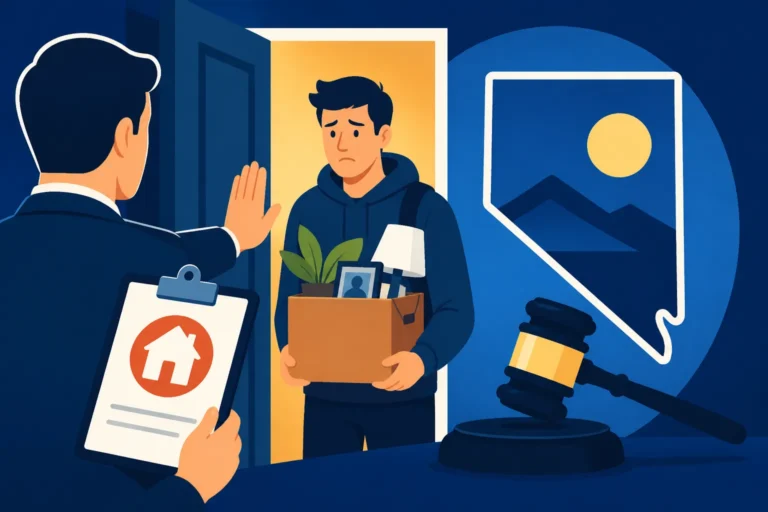
An eviction is a legal action taken by a landlord to remove a tenant from a rental property, typically due to a breach of the lease agreement. It's not just a landlord saying "get out"; it's a formal, court-ordered process that must follow strict state and local laws. This legal recourse is usually reserved for serious issues, and it can have significant, long-lasting consequences for a tenant's rental history.
Common Grounds for Eviction
Eviction isn't something a landlord can pursue on a whim. There are very specific, legally recognized reasons a landlord can initiate an eviction proceeding. The most common cause, by far, is nonpayment of rent. When a tenant consistently fails to pay rent on time, or at all, it's a direct violation of their lease agreement. Landlords usually provide a grace period, but after that, they can serve a notice to pay or quit, which gives the tenant a short window to either pay up or move out.
Another frequent reason for eviction is a lease violation. This can encompass a wide range of issues, such as having unauthorized pets, damaging the property beyond normal wear and tear, or violating noise clauses that disrupt other tenants. For example, if your lease explicitly forbids pets, and you bring home a golden retriever, that's a lease violation. Some leases, especially those created with tools like LawDepot, will clearly outline these specific clauses. The landlord would typically issue a "cure or quit" notice, giving the tenant a chance to fix the violation before moving forward with an eviction. In more severe cases, like engaging in illegal activity on the premises or causing substantial damage, an "unconditional quit" notice might be issued, meaning the tenant must move out without the option to fix the problem.
The Stages of an Eviction
The eviction process is a multi-step legal journey that varies significantly from state to state, but generally follows a similar progression. It always begins with a formal notice. This isn't a casual conversation or a text message; it's a written document delivered in a legally prescribed manner. For more details on the nuances of these notices, you can read our guide on Eviction Notice Types (Pay or Quit, Cure or Quit, Unconditional).
After the notice period expires and the tenant has not complied (e.g., paid rent, corrected the violation, or moved out), the landlord must then file a lawsuit in court. This lawsuit is often called an "unlawful detainer" action, particularly in states like California. The tenant will be served with court papers, and they have the right to respond and present their side of the story. Ignoring these papers is a common mistake and almost guarantees a loss in court.
If the court rules in favor of the landlord, a judgment for possession is issued. This does not mean the landlord can immediately change the locks. The final step involves law enforcement, typically the sheriff, who will serve a writ of possession. This writ authorizes the sheriff to physically remove the tenant and their belongings from the property if they haven't moved out by a specified date. It's a somber, final step, underscoring the serious nature of the entire process. For a complete breakdown, consult our guide on the Eviction Process by State (Step-by-Step).
Understanding Lease Non-Renewal
In stark contrast to an eviction, a lease non-renewal simply means that when your current lease agreement comes to an end, neither you nor your landlord wishes to extend it. There's no fault, no court case, and typically no legal battle involved. It's a mutual or unilateral decision not to continue the tenancy, and it's a perfectly normal part of the rental landscape.
Reasons for Non-Renewal
From a landlord's perspective, there are countless reasons they might choose not to renew a lease, many of which have nothing to do with the tenant's performance. Perhaps they want to move a family member into the unit, renovate the property, or even sell it. Sometimes, it's a business decision to increase the rent beyond what the current tenant might be willing to pay, or to convert the unit into a different type of rental, like a short-term vacation rental. They might also simply want to streamline their property management, potentially using a system like DoorLoop, and decide to consolidate their properties or sell off individual units.
Tenants also have plenty of reasons to decide not to renew. Maybe you found a better apartment, got a job in another city, or simply decided you're ready to buy a home. You might be unhappy with aspects of the property, the neighborhood, or even communication with the landlord. The beauty of a non-renewal is that it's often a straightforward parting of ways, without the animosity or legal baggage associated with an eviction.
The Non-Renewal Process
The process for non-renewal is generally much simpler and less adversarial than an eviction. It primarily revolves around proper notice. Both landlords and tenants are typically required to provide a written notice of their intent not to renew the lease within a specific timeframe before the lease expires. This timeframe is almost always outlined in the lease agreement itself, and state laws often set minimum notice periods, ranging from 30 to 90 days. For instance, in many areas, if your lease is ending on July 31st, your landlord might need to give you notice by May 31st that they won't be renewing.
Once notice is given, the tenant is expected to vacate the property by the lease end date. There's no court involvement, no sheriff, and no judgment against the tenant's record. It's simply the agreed-upon end of the contractual relationship. It's always a good idea to send a formal How to Write a Notice to Vacate if you're the tenant, even if your landlord has already indicated they won't renew. This ensures everything is documented.
Key Differences: Eviction vs. Non-Renewal
While both scenarios result in a tenant leaving a property, the distinctions between eviction and lease non-renewal are profound, impacting everything from legal rights to future housing prospects. Understanding these differences is crucial for both landlords and tenants.
Legal Ramifications and Tenant Records
This is perhaps the most significant divergence. An eviction is a formal legal proceeding. If a landlord wins an eviction case in court, that judgment becomes public record. This means it can appear on a tenant's background check for years, making it incredibly difficult to find future housing. Prospective landlords often view an eviction on a record as a major red flag, indicating a tenant who either couldn't or wouldn't adhere to lease terms. Even if the tenant manages to get the eviction expunged, the initial filing can still cause headaches. Our guide on Evictions on Your Record & Expungement delves into this in more detail.
On the other hand, a lease non-renewal does not result in a court record. It's simply the conclusion of a contractual agreement. While a former landlord might give a less-than-stellar reference if they were unhappy with the tenant, there's no public judgment impacting the tenant's ability to rent elsewhere. This "clean slate" is a massive advantage for tenants facing non-renewal compared to eviction.
Timing and Notice Requirements
Both processes require notice, but the nature and timing differ. Eviction notices are typically shorter and more immediate, often giving tenants only a few days (e.g., 3-day notice to pay rent or quit) or a couple of weeks to remedy a violation or vacate. These notices are a precursor to legal action.
Non-renewal notices, however, are generally longer and less urgent, typically 30, 60, or even 90 days, depending on state law and the lease agreement. This longer timeframe is intended to give both parties ample time to make other arrangements. For landlords, it means finding a new tenant; for tenants, it means finding a new place to live and planning their move. This period is specified in your lease, often under clauses related to Lease Renewals & Automatic Renewal Clauses.
Let's look at a quick comparison:
| Feature | Eviction | Lease Non-Renewal |
|---|---|---|
| Trigger | Tenant violates lease (e.g., non-payment, damage) | Lease term ends, no desire to extend |
| Legal Action | Requires court process, formal lawsuit | No court process involved |
| Public Record | Creates a public eviction record | Does not create a public record |
| Notice Type | "Pay or Quit," "Cure or Quit," "Unconditional Quit" | "Notice of Non-Renewal" |
| Notice Period (Typical) | Short (3-30 days), state-dependent | Longer (30-90 days), state/lease-dependent |
| Tenant's Options | Fight eviction, cure violation, pay rent | Find new housing, negotiate new lease |
| Impact on Future Renting | Severely negative | Generally neutral, unless bad reference is given |
| Landlord's Effort | High (legal fees, court time) | Low (sending notice, re-listing unit) |
Landlord Perspectives: Strategic Choices
For landlords, deciding whether to pursue an eviction or simply not renew a lease involves strategic thinking. It's rarely an emotional decision, but rather one based on risk, cost, and legal standing.
When Eviction is Necessary
A landlord typically resorts to eviction when a tenant has committed a clear and ongoing breach of the lease agreement that cannot be resolved amicably or through less drastic measures. The most common scenario is prolonged non-payment of rent. If a tenant is several months behind, or repeatedly pays late despite warnings, a landlord has little choice but to pursue eviction to recover financial losses and gain possession of their property. This is a business, after all, and rent collection is fundamental.
Another instance where eviction becomes necessary is when a tenant causes significant damage to the property that they refuse to repair, or engages in illegal activities on the premises. These actions not only violate the lease but can also jeopardize the safety and value of the property, or create liabilities for the landlord. In these situations, simply waiting for a lease to expire might not be feasible or safe. Landlords often need to act quickly to mitigate further damage or legal exposure. Managing these serious situations effectively, and keeping meticulous records of communications and incidents, is where a good property management system can be invaluable. Products like DoorLoop can help landlords track interactions, payment histories, and notice deliveries, building a strong case if court action becomes unavoidable.
When Non-Renewal is Preferred
Many landlords actually prefer not to renew a lease rather than go through the arduous eviction process, even if there are minor issues. The reason is simple: evictions are costly, time-consuming, and emotionally draining. Legal fees, court costs, and the potential loss of rent during the eviction process can quickly add up. Plus, there's always the risk of losing the case or having it drag on for months, leaving the property tied up.
Therefore, if a tenant is merely a "nuisance" — maybe they're consistently loud but not violating noise ordinances that strongly, or they communicate poorly, or just aren't the ideal tenant — a landlord might simply choose to issue a notice of non-renewal when the lease is up. This avoids the entire legal quagmire. It's a much cleaner break, allowing the landlord to find a new tenant without the hassle of court. This is especially true for month-to-month tenancies, where the landlord has more flexibility. Our guide on Fixed-Term vs Month-to-Month Leases discusses these differences in detail.
Tenant Perspectives: Navigating Each Situation
As a tenant, understanding whether you're facing an eviction or a non-renewal is the first step toward protecting your rights and planning your next move. The strategies for dealing with each scenario are vastly different.
Defending Against Eviction
If you receive an eviction notice, do not panic, and do not ignore it. Your immediate response can significantly impact the outcome. First, meticulously review the notice to ensure it's legally valid and accurate. Does it state the correct reason? Was it served properly? Many states have very specific rules regarding eviction notices.
Next, consider your options. If the eviction is for non-payment of rent, and you can pay, do so immediately and keep detailed records. If it's for a lease violation, and you can "cure" it (fix the problem), take action and document everything. Sometimes, a landlord might be willing to work out a payment plan or an agreement to remedy a minor violation. Open communication, backed by written documentation, is key.
If you believe the eviction is retaliatory or discriminatory, or if the landlord hasn't upheld their responsibilities (like making necessary repairs), you may have defenses. For example, if your landlord refused to fix a severe water leak and you withheld rent legally, you might have grounds to fight the eviction. Seeking legal counsel from a tenant rights organization or an attorney is highly advisable. There are specific steps outlined in our How to Stop or Fight an Eviction (Tenant Guide) that can help you.
Responding to Non-Renewal
Receiving a notice of non-renewal, while perhaps disappointing, is generally far less dire than an eviction notice. Your primary goal here is to plan for your move and ensure a smooth transition. Start by reviewing your lease agreement to confirm the required notice period and your lease end date. Make sure the landlord's notice of non-renewal was timely and correctly delivered.
Immediately begin your search for a new place. The longer notice period typical of a non-renewal (often 30-90 days) is a blessing, giving you more time to find suitable housing without the pressure of an impending court date. Don't forget to factor in the time needed for packing and arranging movers.
Before you move out, ensure you fulfill all your lease obligations, particularly regarding cleaning and repairs, to maximize your chances of getting your full security deposit back. A thorough Move-Out Cleaning: What Tenants Must Do can make a big difference. Document the condition of the apartment meticulously when you leave, taking photos or videos. This will be crucial if there's any dispute over deductions from your security deposit, which can be a common point of contention. If your landlord wrongfully withholds your deposit, our guide on Tenant Rights If Landlord Won't Return Deposit can help.
Best Practices for Both Parties
Whether you're a landlord or a tenant, navigating the end of a tenancy, especially when it's not a straightforward renewal, benefits immensely from clear communication, thorough documentation, and a willingness to seek expert advice.
Importance of Written Documentation
In any landlord-tenant relationship, written documentation is your best friend. For landlords, this means having a solid, legally compliant lease agreement from the start. Services like LawDepot can help create state-specific lease agreements that clearly outline terms, conditions, and procedures for both eviction and non-renewal. Keeping meticulous records of rent payments, maintenance requests, communications, and notices is also paramount. Property management software, such as that offered by DoorLoop, can centralize these records, making them easily accessible and providing a clear audit trail if disputes arise.
For tenants, this means keeping copies of your lease, all rent receipts, communication with your landlord (emails, certified letters, notes from phone calls), and move-in/move-out inspection checklists. If you make a repair request, send it in writing. If you provide notice that you're moving, send it in writing. Always assume that if it's not in writing, it didn't happen in the eyes of a court. This becomes especially critical if you ever need to dispute security deposit deductions or defend against an eviction. You can also learn more about how to protect yourself by reading our guide on How to Document Your Apartment at Move-In.
Seeking Professional Guidance
Landlord-tenant law can be incredibly complex and varies widely from one jurisdiction to another. What's legal in Texas might be illegal in California. Relying on anecdotes or internet hearsay can lead to significant problems.
For landlords, consulting with an attorney specializing in real estate or landlord-tenant law is a wise investment, especially when dealing with a challenging tenant or contemplating an eviction. An attorney can ensure you follow all local and state laws, minimizing the risk of a costly legal mistake or a retaliatory lawsuit. They can also advise on the proper procedures for How to Evict a Tenant.
For tenants, resources like local legal aid societies, tenant unions, or housing advocacy groups can provide invaluable assistance. They often offer free or low-cost legal advice and can help you understand your rights, review notices, or even represent you in court if necessary. Don't wait until the last minute to seek help; early intervention can often lead to a more favorable outcome.
Disclaimer
Please remember that this article is intended for informational purposes only and does not constitute legal advice. Landlord-tenant laws are complex and vary significantly by state and municipality. For specific legal guidance regarding your situation, always consult with a qualified attorney in your jurisdiction.