How to Evict a Tenant in New Jersey
Dealing with a tenant who isn't upholding their end of the lease can be one of the most stressful and frustrating experiences for a landlord. In New Jersey, the eviction process isn't just about giving someone a notice to leave; it's a highly regulated legal journey fraught with specific rules and timelines that, if not followed precisely, can lead to costly delays and even dismissal of your case. This guide will walk you through the comprehensive steps, legal requirements, and common pitfalls involved in evicting a tenant in the Garden State, ensuring you understand exactly what it takes to regain possession of your property.
Navigating New Jersey's Strict Eviction Landscape
If you're a landlord in New Jersey, you know that this state's laws are generally very tenant-friendly. Evicting someone isn't as simple as deciding you want them out; there are specific reasons and processes you must follow. Understanding these foundational elements is key to a successful and legal eviction.
The "Good Cause" Requirement: Why It Matters So Much
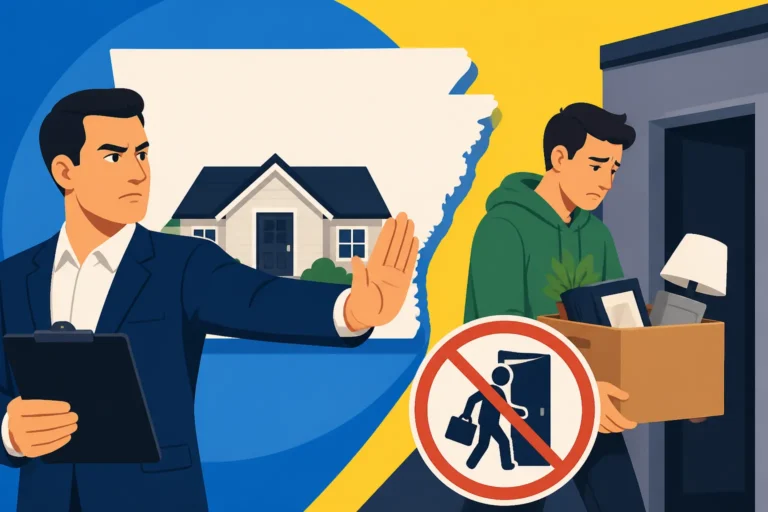
One of the most critical aspects of New Jersey landlord-tenant law is the "good cause" requirement, codified under the New Jersey Anti-Eviction Act (N.J.S.A. 2A:18-61.1). This act states that a landlord cannot evict a residential tenant without a legally recognized "good cause" reason. Unlike some other states where a landlord might simply choose not to renew a lease for any or no reason, in New Jersey, you need a specific, justifiable cause. This means you can't evict a long-term, good-paying tenant just because you want to raise the rent significantly beyond market rates, or because you suddenly decide you don't like them anymore.
For instance, if you own a single-family home in Hoboken and have a tenant living there for five years, paying rent on time, and otherwise adhering to the lease, you cannot simply terminate their tenancy because you want to move your cousin into the property, unless very specific conditions are met, such as giving a specific type of notice and meeting certain timelines, or if the lease term has ended and the property is owner-occupied. This "good cause" protection extends to both month-to-month and fixed-term tenancies, making it crucial for landlords to document any issues meticulously from the very beginning. It's designed to prevent arbitrary evictions and provide tenants with housing security, but it places a significant burden on landlords to prove their case.
Understanding Different Lease Types and Their Impact
The type of lease agreement you have with your tenant significantly impacts the eviction process, particularly regarding notice periods and grounds for termination.
- Fixed-Term Leases: These leases have a definite start and end date, typically lasting one year. During the term of a fixed-term lease, a tenant can generally only be evicted for a specific lease violation or "good cause" as defined by the Anti-Eviction Act. You cannot simply refuse to renew a fixed-term lease without good cause if the tenant has been in possession for a certain period, or if the property is not owner-occupied. For example, if you have a tenant on a one-year lease in Jersey City, and they commit a serious lease violation like causing significant damage, you would issue the appropriate notice and initiate eviction proceedings. However, if the lease simply expires, you may still need a good cause to terminate the tenancy, as the Anti-Eviction Act often rolls over fixed-term tenants into month-to-month tenancies with similar protections if they continue to pay rent.
- Month-to-Month Leases: These agreements renew automatically each month until either the landlord or tenant gives proper notice to terminate. While often perceived as more flexible, month-to-month tenancies in New Jersey are still subject to the "good cause" eviction rules. This means you can't just give a 30-day notice to terminate a month-to-month tenant in Newark because you changed your mind about renting. You still need a good cause, such as nonpayment of rent, habitual lease violations, or specific circumstances like owner-occupancy. The main difference might be the length of the Notice to Quit required for certain non-lease violations, but the underlying need for "good cause" remains paramount.
No matter the lease type, clarity in your lease agreement is vital. Ensure it clearly outlines all terms, rules, and conditions. If your lease document isn't up to snuff, you might consider using templates from resources like LawDepot to make sure you're covering all your bases legally.
Valid Grounds for Eviction in the Garden State
As established, you can't evict a tenant in New Jersey without "good cause." The New Jersey Anti-Eviction Act lists 18 specific grounds that constitute good cause for eviction. These aren't just suggestions; they are the only reasons you can pursue an eviction in court.
Nonpayment of Rent and Habitual Lateness
This is, by far, the most common reason landlords initiate eviction proceedings. When a tenant fails to pay rent, you have a clear path forward, but you still need to follow the proper steps.
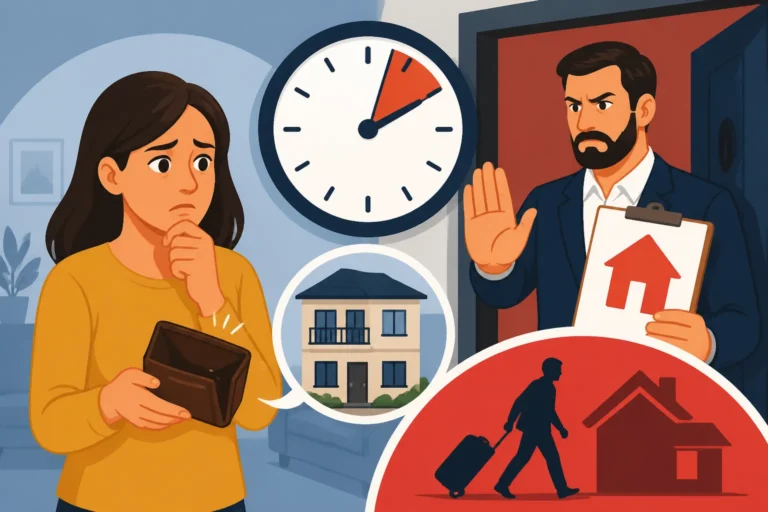
When a tenant misses a rent payment, you must first provide them with a 3-day Notice to Pay or Quit. This notice informs the tenant that they have three business days to pay the overdue rent, or you will initiate eviction proceedings. It's crucial that this notice is accurate, clearly stating the amount owed and the deadline. Make sure to factor in any applicable grace periods outlined in your lease before counting the 3 days. For a deeper dive into the specifics of this process, you can consult guides like Eviction for Nonpayment of Rent.
However, what if a tenant is always late but eventually pays? New Jersey law also addresses habitual late payments. If a tenant habitually pays their rent late, even if they eventually catch up, you might have grounds for eviction. For this, you typically need to issue a "Notice to Cease" first, warning the tenant that their consistent late payments constitute a lease violation and must stop. If they continue to pay late after receiving the Notice to Cease, you can then issue a "Notice to Quit" and proceed with an eviction. The key here is consistency in documentation: keep detailed records of all payment dates and any communications about late rent.
Lease Violations and Damage to Property
Beyond nonpayment, serious breaches of the lease agreement or significant damage to your property are also valid grounds for eviction. However, the type of notice you issue and the timeline depend on the nature of the violation.
For certain lease violations, like having an unauthorized pet, excessive noise complaints, or improper use of common areas, you'll generally need to issue a "Notice to Cease." This notice serves as a warning, informing the tenant that they must stop the offending behavior. If the tenant continues the violation after receiving the Notice to Cease, you can then issue a "Notice to Quit" and proceed with eviction. This two-step process allows the tenant an opportunity to correct the behavior before facing eviction.
When it comes to property damage, it's about distinguishing between normal wear and tear and actual damage. Minor nail holes are usually considered normal wear and tear, but a large hole punched in the wall or significant water damage from neglect would be considered damage. If a tenant causes substantial damage to the property, beyond normal wear and tear, or if they are destroying or damaging your premises, this can be immediate grounds for eviction without a prior Notice to Cease in some cases, directly moving to a Notice to Quit. Regardless of the type of lease violation, detailed documentation, including photos, videos, and witness statements, is absolutely critical when pursuing an Eviction for a Lease Violation.
Other Statutory Grounds for Possession
New Jersey's Anti-Eviction Act also includes several other specific "good cause" reasons that allow a landlord to regain possession of their property. These grounds often come with specific notice requirements and conditions.
- Owner Occupancy: If you, the landlord, or an immediate family member intends to personally occupy the unit, this can be a ground for eviction, but it typically requires a substantial notice period (e.g., two months) and only applies in specific circumstances, such as when a prior lease term has expired. There are also rules about misrepresenting owner-occupancy intent.
- Conversion to Condo/Co-op: If you plan to convert the rental property into a condominium or cooperative, this is a legitimate reason, but it requires a very long notice period, often years, and provides tenants with specific rights, including the right of first refusal to purchase.
- Withdrawal from Rental Market: If you genuinely intend to permanently board up or demolish the premises, or cease to rent the property, this can be a ground for eviction, also requiring lengthy notice.
- Illegal Activities: If the tenant is involved in illegal drug activity, acts of violence, or other illegal activities on the premises, these can be grounds for eviction, often with shorter notice periods depending on the severity and immediate threat.
- Breach of Lease Covenant (Other than Rent): This covers a range of other serious breaches not already mentioned, which may require a Notice to Cease followed by a Notice to Quit.
Each of these grounds has specific nuances regarding the type of notice, the length of the notice period, and the evidence required in court. It’s imperative to identify the exact good cause that applies to your situation and follow the corresponding legal steps precisely.
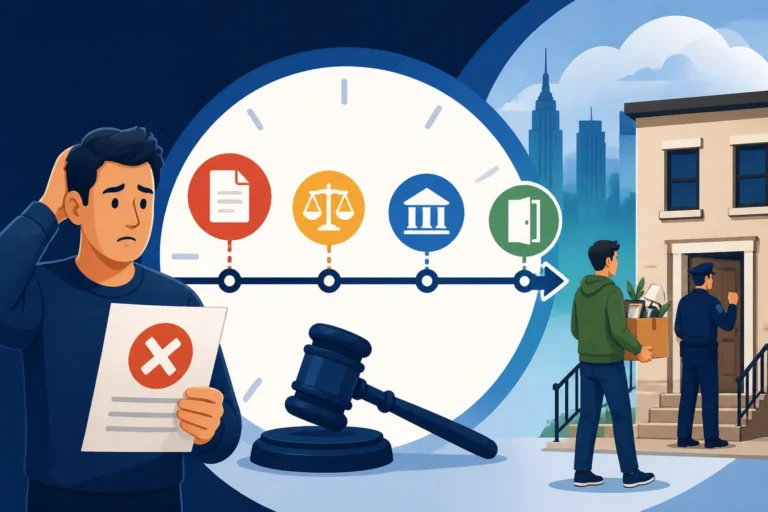
The Step-by-Step New Jersey Eviction Process
Once you've identified a valid "good cause" for eviction, you must follow a strict legal process to regain possession of your property. Skipping steps or making errors can severely hinder your case.
Issuing the Correct Eviction Notice
This is the very first, and arguably most crucial, step in the New Jersey eviction process. The type of notice you issue depends entirely on the "good cause" for eviction. There are two primary types of notices you’ll use:
- Notice to Cease: This notice is typically required for curable lease violations or habitual late rent payments. It informs the tenant that they are violating a specific term of the lease or engaging in objectionable behavior and must stop that behavior. It doesn't ask them to move out yet. For instance, if your tenant has an unauthorized pet despite a "no pets" clause, you'd issue a Notice to Cease, giving them a chance to remove the pet. If they fail to comply, then you can move to the next step.
- Notice to Quit: This notice is a demand for the tenant to vacate the premises by a specific date. It's used after a tenant has failed to comply with a Notice to Cease, for nonpayment of rent, or for more serious, non-curable lease violations or statutory grounds. The notice period for a Notice to Quit varies significantly depending on the good cause. For example, nonpayment of rent usually requires a 3-day Notice to Pay or Quit, while other violations might require 30 days.
It is absolutely vital that your notice is accurate, clearly states the reason for eviction (the specific good cause), refers to the correct lease provisions, and gives the correct notice period. Using reliable templates, perhaps from services like LawDepot, can help ensure you don't miss any critical details. For a full breakdown of different notice types and their uses, see our guide on Eviction Notice Types (Pay or Quit, Cure or Quit, Unconditional).
Once prepared, the notice must be properly served to the tenant. New Jersey law has specific requirements for service, which often include certified mail, regular mail, and/or personal service by leaving it with someone over 14 years old at the property. Always keep proof of service! Check out How to Serve an Eviction Notice Correctly for best practices.
Filing a Summary Dispossess Action in Court
If the tenant fails to comply with the eviction notice (i.e., doesn't pay rent, doesn't cure the violation, or doesn't move out), your next step is to file a lawsuit in the New Jersey Superior Court, Special Civil Part, Landlord-Tenant Division. This type of lawsuit is called a "Summary Dispossess" action.
You will need to file a "Complaint for Summary Dispossess" and a "Summons." The complaint outlines the details of your case: who you are, who the tenant is, the property address, the type of lease, and most importantly, the specific "good cause" for eviction and how the tenant violated it. You must attach copies of the lease agreement, the eviction notice(s) you served, and any other relevant documentation (e.g., rent ledgers, photos of damage, communication records).
Once filed, the court will issue a summons and schedule a court date. These documents must then be properly served on the tenant by a court officer or process server. This isn't something you can typically do yourself, as it requires legal authority. It's critical to ensure all filings are accurate and complete. Inaccurate information or missing documents can lead to your case being delayed or even dismissed, forcing you to start over. For a general overview of the legal steps involved across states, refer to Eviction Process by State (Step-by-Step).
The Court Hearing and Judgment
On your assigned court date, both you (the landlord) and the tenant will appear before a judge or hearing officer in the Landlord-Tenant Division. Many courts in New Jersey first offer mediation services, which can be a valuable opportunity to reach a mutually agreeable resolution without going to trial. This might involve a payment plan for overdue rent, an agreement for the tenant to move out by a certain date, or other compromises.
If mediation isn't successful or isn't chosen, the case will proceed to a hearing or trial. During this, you, as the landlord, must present your case and provide evidence to prove the "good cause" for eviction. This includes presenting your lease, the eviction notices, proof of service, rent ledgers, photographs, and any other relevant documents or witness testimony. The tenant will then have an opportunity to present their defense. Common tenant defenses include:
- Payment: The tenant may claim they paid the rent or cured the violation.
- Retaliation: The tenant might argue you're evicting them in retaliation for exercising their tenant rights (e.g., requesting repairs).
- Habitability Issues: The tenant may claim the property is uninhabitable and that you failed to make necessary repairs, potentially leading to a rent abatement or an order to deposit rent into escrow.
- Improper Notice: The tenant might argue that your eviction notice was defective or improperly served.
The judge will hear both sides and make a ruling. If the judge rules in your favor, they will issue a Judgment for Possession, granting you the right to reclaim your property. If the tenant prevails, your case will be dismissed, and they will be allowed to remain. Understanding potential tenant defenses and building a strong case from the outset is crucial. Our article on How to Stop or Fight an Eviction (Tenant Guide) provides insight into what tenants might use as a defense.
Enforcing the Eviction and Avoiding Pitfalls
Even after you receive a judgment for possession, the process isn't immediately over. You still need to legally remove the tenant if they don't leave voluntarily, and you must be careful to avoid illegal "self-help" measures.
Obtaining and Executing a Warrant of Removal
If the judge issues a Judgment for Possession and the tenant still hasn't moved out, you can then apply to the court for a Warrant of Removal. This is a court order directing a Special Civil Part Officer (often referred to as a Sheriff) to physically remove the tenant from the property. In New Jersey, you typically have to wait three business days after the judgment is issued before you can request the Warrant of Removal.
Once the Warrant of Removal is issued, the Special Civil Part Officer will serve it on the tenant, giving them a final notice (usually 3 business days) to vacate the premises. This is the tenant's absolute last chance to move out voluntarily. If they still don't leave by the deadline specified in the Warrant, the Officer will return to the property and physically remove the tenant and their belongings. This is usually the final step in the formal eviction process, and it ensures that the eviction is carried out lawfully. For more details on what happens once this critical document is issued, you can read What Happens After a Writ of Possession?.
The Dangers of Self-Help Eviction
This cannot be stressed enough: NEVER attempt a self-help eviction in New Jersey. Self-help evictions are illegal and carry severe penalties. This means you cannot:
- Change the locks on the doors.
- Remove the tenant's belongings.
- Shut off utilities (electricity, water, heat).
- Threaten or harass the tenant to make them leave.
- Block access to the property.
In New Jersey, a landlord found guilty of illegal self-help eviction can face significant fines, be ordered to pay the tenant damages (which can include treble damages, meaning three times the actual damages), and even face criminal charges. It's simply not worth the risk. Even if a tenant is significantly behind on rent or causing problems, you must follow the legal eviction process through the courts. It can be frustrating and feel slow, but it's the only lawful path. For a comprehensive understanding of the legal ramifications, refer to Illegal Self-Help Eviction (Lockouts & Utility Shutoffs).
Managing the Property After Vacancy
Once the tenant has finally vacated the property, either voluntarily or through the execution of a Warrant of Removal, you'll need to assess the property and deal with any abandoned belongings.
- Abandoned Property: New Jersey law has specific rules regarding how landlords must handle a tenant's abandoned property. You typically cannot just dispose of it. You may need to store the items for a certain period and provide notice to the tenant, giving them an opportunity to retrieve their belongings. If the tenant doesn't claim them, there are procedures for selling or disposing of the items. Always consult with legal counsel or refer to current state statutes to ensure compliance.
- Inspections and Repairs: Immediately after the tenant leaves, conduct a thorough move-out inspection, ideally comparing it to your move-in inspection documentation. Photograph and videotape any damage beyond normal wear and tear. This documentation is crucial if you plan to deduct from the security deposit for repairs.
- Security Deposit: You must return the tenant's security deposit, minus any lawful deductions for damages beyond normal wear and tear or unpaid rent, within 30 days of the tenant vacating the premises. If you make deductions, you must provide an itemized statement.
- Re-renting: Once the property is clean and repaired, you can begin the process of finding a new, qualified tenant. Property management software, such as DoorLoop, can be invaluable for streamlining listings, screening new applicants, and managing leases and payments efficiently, helping you minimize vacancies and get your property back on track.
Evictions can be financially draining, often involving court fees, legal costs, and lost rent during the process. Understanding How Much Does It Cost to Evict a Tenant? can help you prepare for these potential expenses.
Here’s a quick overview of typical eviction notice periods in New Jersey:
| Good Cause for Eviction (N.J.S.A. 2A:18-61.1) | Required Notice to Cease (if any) | Required Notice to Quit |
|---|---|---|
| Nonpayment of Rent | No (unless habitual late rent) | 3 business days |
| Habitual Late Payment | Yes | 1 month |
| Orderly & Peaceful Conduct Violation | Yes | 1 month |
| Substantial Breach of Lease (curable) | Yes | 1 month |
| Damage to Premises | No (unless curable) | 3 days (willful/grossly negligent) / 1 month (less severe) |
| Owner Occupancy | No | 2 months |
| Conversion to Condo/Co-op | No | 3 years |
| Withdrawal from Rental Market | No | 18 months |
| Illegal Drug Activity | No | 3 days |
| Assault/Threats against Landlord | No | 3 days |
Note: This table provides general guidelines. Specific situations may vary, and legal counsel should always be consulted for precise advice.
Disclaimer
The information provided in this guide is intended for general informational purposes only and does not constitute legal advice. Landlord-tenant laws, especially in New Jersey, are complex and subject to change. It is highly recommended that you consult with a qualified attorney in your jurisdiction for advice regarding your specific situation before taking any action.