Eviction for a Lease Violation
Facing an eviction notice is one of the most stressful experiences a renter can endure, especially when you feel blindsided or confused about the reason. It's not just about finding a new place; it's about understanding the legal grounds, your rights, and the potential impact on your future. This comprehensive guide will walk you through everything you need to know about evictions based on a lease violation, from what constitutes a violation to how to protect yourself legally.
Understanding What Constitutes a Lease Violation
When you sign a lease agreement, you're essentially entering into a contract with your landlord. This document outlines the rules and responsibilities for both parties. A "lease violation" simply means that one of these agreed-upon terms has been broken by the tenant. It's not always a straightforward matter, as the severity and nature of violations can vary significantly, and what one landlord considers a breach, another might overlook.
Common Examples of Lease Violations
Let's dive into some of the most common ways tenants inadvertently, or intentionally, breach their lease agreements. These aren't just minor infractions; they can quickly escalate to an eviction filing if not addressed promptly.
One of the most frequent violations, though often leading to a different type of eviction notice, is the failure to pay rent on time. While this typically results in a "Pay or Quit" notice, consistent late payments can sometimes be framed as a breach of a "timely payment" clause, especially if the lease specifies penalties for recurring lateness beyond a simple late fee. Remember, rent isn't optional, and ignoring this fundamental responsibility is a surefire way to invite legal trouble.
Beyond rent, unauthorized occupants are a huge red flag for landlords. Maybe your cousin needed a place to crash for "just a few weeks," which turned into months, or you allowed a long-term guest without getting proper approval or adding them to the lease. Most leases have strict clauses about who can live in the property, and bringing in someone new without consent is a direct violation. This isn't just about extra bodies; it impacts insurance, wear and tear, and the landlord's ability to screen tenants.
Then there's property damage. While "normal wear and tear vs damage" is a common debate when it comes to security deposits, actual damage to the property that goes beyond reasonable use is a clear violation. This could be anything from a massive hole punched in a wall during an argument to negligence causing a flood, or even significantly altering the property without permission, like painting walls a wild color or installing permanent fixtures. Landlords expect their property to be cared for, and significant damage shows a disregard for your responsibilities as a tenant.
Pet violations are also a big one. Many leases prohibit pets entirely or have specific rules about size, breed, and number. If you sneak in a furry friend without permission, or if your approved pet causes disturbances or damage, you're looking at a violation. The exception, of course, is service animals or emotional support animals (ESAs), which are protected under federal law, but even then, proper procedure must be followed to notify the landlord.
Finally, illegal activity on the premises is almost universally a severe lease violation. This could range from drug manufacturing or dealing to operating an illegal business, or even engaging in excessive noise and disturbances that violate local ordinances and the peaceful enjoyment of other tenants. These types of violations often lead to the most immediate and severe eviction actions, sometimes bypassing typical notice periods.
Material vs. Non-Material Violations
Not all lease violations are created equal, and understanding the difference between a "material" and "non-material" breach is crucial. A material breach is a serious violation that goes to the very essence of the lease agreement, fundamentally undermining its purpose. It's something that, if not remedied, would cause significant harm to the landlord or the property, or seriously interfere with the landlord-tenant relationship. Think of it this way: if the core reasons for the lease are destroyed by the breach, it's material.
For example, repeated failure to pay rent (even if it's eventually paid late), significant property damage, or illegal activity on the premises are almost always considered material breaches. These actions directly impact the landlord's financial interests, the property's value, or the safety and quiet enjoyment of other tenants. In these cases, landlords have a strong legal standing to pursue eviction.
A non-material breach, on the other hand, is a minor infraction that doesn't significantly impact the lease's core purpose. It might be annoying or inconvenient, but it doesn't cause substantial harm. An example might be parking in the wrong spot once, forgetting to put out the trash on the correct day, or perhaps a minor noise complaint that's quickly resolved. While technically a violation of a lease term, it's generally not severe enough to warrant immediate eviction, especially if the tenant rectifies it promptly.
Landlords typically need a material breach to successfully evict a tenant for a lease violation. While a non-material breach could be cited, courts are often reluctant to grant an eviction for something so minor, particularly if the tenant corrects the issue. This distinction is vital because it determines how seriously a court will view the landlord's eviction claim and the type of notice a tenant might receive. For a deeper dive into what counts, check out our guide on Lease Violations & What Counts.
The Importance of a Well-Written Lease Agreement
You know how I always say the details matter? Well, nowhere is that more true than in your lease agreement. A vague or poorly written lease is a recipe for disaster, for both landlords and tenants. It leaves too much open to interpretation, making it incredibly difficult to enforce rules or defend against accusations of violations.
A well-written lease, often obtained through a reputable service like LawDepot, clearly articulates every term and condition. It spells out things like:
- Rent due date and grace periods: Exactly when rent is due, how late it can be before penalties, and what those penalties are.
- Pet policies: Whether pets are allowed, what type, size, breed restrictions, and any associated fees or deposits (like a pet deposit vs pet rent vs pet fee).
- Occupancy limits: Who is allowed to live on the property and rules for long-term guests.
- Maintenance responsibilities: Who is responsible for specific repairs and upkeep, detailing what is the tenant's duty and what falls under the landlord's repair responsibilities.
- Rules for alterations: What modifications, if any, a tenant can make to the property.
- Quiet enjoyment clauses: Expectations regarding noise levels and neighborly conduct.
- Prohibited activities: Clearly listing actions that are absolutely not allowed, like illegal drug use or excessive trash accumulation.
Without this clarity, what a landlord deems a "violation" might be seen by a tenant as a misunderstanding or a gray area. For instance, if a lease doesn't explicitly prohibit unauthorized subletting, a tenant might believe they're within their rights to rent out a room, leading to a dispute. Courts will always lean on the written agreement, so if it's not clear, enforcement becomes a significant challenge. This clarity is why many property management systems, like DoorLoop, emphasize comprehensive lease templates and digital storage to ensure all parties are on the same page.
The Initial Steps: Notice Requirements for Lease Violations
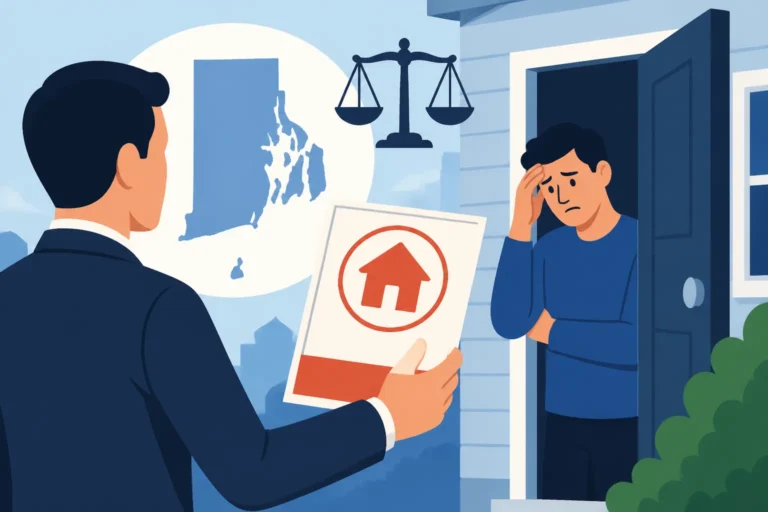
So, your landlord believes you've violated your lease. What happens next isn't usually an immediate eviction filing. Landlord-tenant law typically requires a specific process, starting with formal notice. This notice serves two main purposes: it informs you of the alleged violation and, in many cases, gives you an opportunity to fix it. Skipping these crucial notice steps can invalidate a landlord's entire eviction case, so understanding them is key.
“Cure or Quit” Notices
The "Cure or Quit" notice is the most common type of eviction notice for a lease violation. The name pretty much says it all: it gives you a choice – either "cure" (fix) the violation or "quit" (move out) the property. This type of notice is designed for violations that are fixable.
Imagine this scenario: you've got an unapproved cat living with you. Your lease clearly states "no pets." Your landlord sends you a "Cure or Quit" notice. This notice will detail the specific violation (the unauthorized cat) and provide a timeframe for you to remedy it. This timeframe varies by state, but it's typically 3, 5, 7, 10, or even 30 days. During this period, you would need to remove the cat from the premises to "cure" the violation. If you successfully remove the cat within the specified time, the violation is remedied, and the landlord usually cannot proceed with an eviction based on that particular breach.
However, if you fail to cure the violation within the given timeframe, the landlord can then move forward with filing an eviction lawsuit. It's important to understand that this notice isn't just a suggestion; it's a formal legal step. Ignoring it or failing to act within the prescribed period essentially gives your landlord the green light to take further legal action. Many states require this type of notice for remediable breaches before a landlord can even think about court. For specifics on Eviction Notice Types Pay or Quit, Cure or Quit, Unconditional, check out our detailed article.
“Unconditional Quit” Notices
While "Cure or Quit" notices offer a chance to rectify the situation, an "Unconditional Quit" notice is far more severe. This notice tells you, unequivocally, that you must move out by a certain date, with no opportunity to fix the violation. It's a "quit or else" situation.
These notices are typically reserved for very serious lease violations that are either non-remediable or have been repeated after a previous "Cure or Quit" notice. Examples of situations that might warrant an Unconditional Quit notice include:
- Severe or repeated property damage: If you've caused extensive damage that's beyond repair or you've repeatedly damaged the property even after being warned.
- Illegal activity: Drug dealing, violent crimes, or other serious illegal acts on the premises. Many jurisdictions consider these so egregious that a tenant doesn't deserve a second chance.
- Repeat violations: If you were given a "Cure or Quit" notice for a specific violation (e.g., unauthorized pet), you cured it, but then brought another unauthorized pet onto the property shortly after. Some states allow an Unconditional Quit notice after a second similar violation within a certain period.
- Threats to safety: Any action that endangers the health and safety of other residents or the property itself.
The timeframe for an Unconditional Quit notice can also vary by state, often ranging from 3 to 30 days. Because there's no opportunity to "cure," receiving this notice means your landlord is signaling their intent to proceed directly with an eviction lawsuit if you don't vacate by the specified deadline. It's a much more aggressive and final step in the eviction process.
State-Specific Notice Periods and Forms
This is where things get really nuanced, because landlord-tenant laws are heavily regulated at the state and even local levels. The exact notice period your landlord must give you, and the specific information that notice must contain, depends entirely on where your rental property is located and the nature of the lease violation.
For example, in California, a 3-day notice to cure or quit is common for a lease violation. However, if the violation involves nuisance or illegal activity, it might be a 3-day unconditional quit notice. In contrast, states like New York might require a 10-day notice to cure for certain violations, while others, like Massachusetts, could require a 30-day notice for a breach of lease terms. It’s a complex tapestry of rules, and what applies in San Diego might be completely different from what applies in Chicago or Miami.
Furthermore, the actual form of the notice is critical. It must be properly formatted, include specific legal language, clearly state the tenant's name, property address, the exact nature of the violation, the deadline to cure (if applicable), and the consequences of non-compliance. It must also be served correctly – often requiring certified mail, personal delivery, or posting on the property, depending on local rules. Using generic forms or failing to follow proper service methods can lead to the notice being deemed invalid, potentially delaying or even derailing the eviction process. This is where tools like LawDepot can be beneficial for landlords, ensuring they have access to state-compliant legal forms. If you're unsure about the specific rules in your area, researching Eviction Process by State Step-by-Step is highly recommended.
| Notice Type | Purpose | Tenant's Option to Remedy? | Common Violations | Legal Ramification if Unaddressed |
|---|---|---|---|---|
| Cure or Quit | Inform tenant of remediable violation | Yes | Unauthorized pet, minor damage, excessive noise | Landlord can file eviction suit after deadline |
| Unconditional Quit | Inform tenant of non-remediable or repeated violation | No | Illegal activity, severe damage, repeated nuisances | Landlord can file eviction suit after deadline |
| Notice to Pay Rent or Quit | Inform tenant of unpaid rent | Yes (by paying rent) | Nonpayment of rent | Landlord can file eviction suit after deadline |
Navigating the Eviction Lawsuit Process
If a tenant fails to comply with the eviction notice – either by not curing the violation or not moving out by the "quit" deadline – the landlord's next step is to initiate a formal eviction lawsuit in court. This is a critical juncture where the process shifts from a landlord-tenant dispute to a legal proceeding, and it can be incredibly intimidating for tenants. Understanding the stages involved is vital for both parties.
Filing the Eviction Lawsuit (Unlawful Detainer)
Once the notice period expires and the tenant hasn't complied, the landlord must formally file an eviction lawsuit, often called an "Unlawful Detainer" action in many states, including California and Florida. This involves going to the local courthouse (usually a civil or small claims court) and submitting a complaint or petition. This document outlines the landlord's claims: that a valid lease exists, that the tenant violated a specific term, that proper notice was given, and that the tenant failed to comply.
The landlord will also pay a filing fee, which can vary significantly by jurisdiction, often ranging from $100 to several hundred dollars. After filing, the tenant must be officially "served" with a summons and a copy of the complaint. This isn't just a casual handover; proper legal service ensures the tenant is formally notified of the lawsuit and the need to respond. Methods of service typically include personal delivery by a sheriff or process server, but can sometimes involve posting or certified mail depending on the state. It's imperative that this step is done correctly, as faulty service can be a strong defense for a tenant to get the case dismissed. Property management software like DoorLoop can help landlords keep track of these crucial legal steps and documents.
The Tenant’s Opportunity to Respond and Defend
Receiving an eviction summons can be terrifying, but it's not the end of the line. This document gives the tenant a specific timeframe, usually between 5 and 7 days, but sometimes up to 30 days depending on the state (e.g., California typically allows 5 days, while New York might provide more), to file a written response with the court. This response is called an "Answer."
In their Answer, the tenant can deny the landlord's claims, present their own version of events, and raise any legal defenses they might have. For instance, a tenant might argue that they did cure the violation, that the landlord's notice was improper, or that the alleged violation was actually normal wear and tear and not damage. This is the tenant's primary opportunity to present their side of the story and legally challenge the eviction. If a tenant fails to file an Answer within the specified time, the landlord can request a default judgment, which means the court automatically rules in favor of the landlord without a hearing. This is why it's so important for tenants to understand How to Answer an Eviction Lawsuit.
Court Hearing and Judgment
If the tenant files an Answer, a court hearing will be scheduled. This hearing is essentially a mini-trial where both the landlord and tenant present their evidence, witness testimony, and legal arguments to a judge. The landlord will need to prove their case, showing that a valid lease violation occurred, proper notice was given, and the tenant failed to comply. The tenant, in turn, will present their defenses.
Evidence might include copies of the lease agreement, photos or videos of the property, written communications between landlord and tenant, copies of the eviction notices and proof of service, rent payment records, and any other relevant documents. The judge will listen to both sides and then issue a judgment.
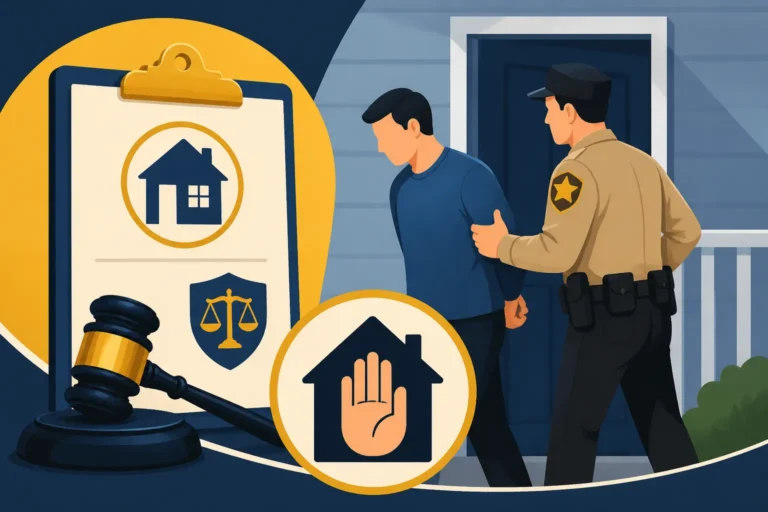
If the judge rules in favor of the landlord, they will issue an "Order of Restitution" or "Writ of Possession." This is a court order that authorizes the sheriff or other law enforcement to physically remove the tenant from the property if they do not vacate voluntarily. If the judge rules in favor of the tenant, the eviction case is dismissed, and the tenant gets to stay. This entire process, from filing to judgment, can take anywhere from a few weeks to several months, heavily depending on the court's caseload and the complexity of the case.
Potential Defenses for Tenants Against Lease Violation Evictions
Even if a landlord alleges a lease violation, tenants aren't without recourse. There are numerous legal defenses that can challenge an eviction, potentially leading to the case being dismissed or significantly delayed. It's crucial for tenants to understand these options and act swiftly once an eviction notice or lawsuit is received.
Landlord Retaliation or Discrimination
One of the strongest defenses a tenant can raise is that the eviction is retaliatory or discriminatory. Retaliatory eviction occurs when a landlord attempts to evict a tenant in response to the tenant exercising a legal right. For instance, if you reported unsafe living conditions, like a lack of heat or a mold problem, to a housing authority, and shortly after, your landlord serves you an eviction notice for a seemingly minor lease violation, this could be seen as retaliation. Most states have laws protecting tenants from retaliatory evictions, viewing them as an abuse of power by the landlord. Providing proof of prior complaints or repair requests can be vital evidence in such a case. For more information, explore our guide on Retaliatory Eviction Defense.
Similarly, housing discrimination is illegal under the Fair Housing Act and many state and local laws. Landlords cannot evict a tenant based on their race, color, religion, sex, national origin, familial status (having children), or disability. Many states also include additional protected classes, such as sexual orientation, gender identity, or source of income. If a tenant can show that the alleged lease violation is a pretext for discrimination – perhaps the landlord is suddenly enforcing a minor rule against them but not against other tenants of a different background – this can be a powerful defense. Documentation, such as text messages, emails, or witness testimony, can be crucial in proving these claims.
Improper Notice or Procedure
Landlord-tenant law is highly procedural, and landlords must strictly adhere to the legal requirements for eviction notices and filings. Any misstep in this process can be grounds for a tenant to have the eviction case dismissed. Common procedural errors include:
- Incorrect notice period: The notice period given (e.g., 3 days, 10 days, 30 days) must be in accordance with state and local laws for the specific type of violation. If a landlord gives a 3-day notice when the law requires 10 days, the notice is invalid.
- Improper service of notice: As mentioned earlier, notices must be served in a legally acceptable manner (e.g., personal delivery, certified mail, posting). If the landlord simply slips the notice under the door or sends it via regular email when a more formal method is required, the notice might be invalid.
- Vague or incorrect information on the notice: The notice must clearly and specifically state the lease violation. A notice that vaguely says "breach of lease" without detailing which clause was violated or how it was violated can be challenged. Similarly, if the notice contains incorrect dates or property information, it may be dismissed.
- Landlord accepting rent after notice: In some states, if a landlord accepts rent payments after issuing an eviction notice (especially for non-payment of rent), it can sometimes be interpreted as waiving their right to evict based on that specific notice. This is a complex area and varies by jurisdiction.
Tenants who identify any of these procedural flaws should definitely raise them in their Answer to the court. Such defenses don't necessarily prove the tenant is innocent of the violation but rather that the landlord failed to follow due process, which can buy the tenant more time or even lead to the case's dismissal, forcing the landlord to start over.
Landlord Failure to Maintain Property
Another significant defense can arise if the landlord has failed to uphold their own responsibilities, particularly regarding the implied warranty of habitability. This warranty, which exists in virtually every state, guarantees that a rental property is safe, clean, and fit for human habitation. This means the landlord must ensure essential services like heat, hot water, working plumbing, electricity, and structural integrity.
If a tenant is being evicted for a lease violation, but the landlord has neglected critical repairs, the tenant might argue that the landlord's breach of the lease (by failing to maintain the property) diminishes their own culpability or provides a reason for their actions. For example, if a tenant broke a rule about cleanliness, but the apartment has been infested with pests due to the landlord's negligence, the tenant might argue that the landlord's failure contributed to the problem.
In some states, tenants have the right to Repair and Deduct by State or even Withholding Rent for Repairs if a landlord fails to address serious issues after proper notification. If a landlord is trying to evict a tenant for a lease violation, and the tenant can demonstrate that the property was uninhabitable, or the landlord failed to make necessary repairs, this could serve as a powerful counter-argument. Documenting all repair requests, communications with the landlord, and the condition of the property (with photos and videos) is essential for this defense.
Post-Judgment: What Happens Next
If, despite a tenant's best efforts or legal defenses, the court rules in favor of the landlord, the eviction process moves into its final, and most impactful, stage. This phase involves the physical removal of the tenant and has significant long-term consequences.
Writ of Possession and Tenant Removal
Once the court grants a judgment in favor of the landlord, they will typically receive a "Writ of Possession" (sometimes called a "Writ of Restitution" or similar term, depending on the state). This is the official court order that authorizes local law enforcement, usually the county sheriff or marshal, to physically remove the tenant and their belongings from the property.
The writ will specify a date by which the tenant must vacate. This is not typically immediate. Depending on the state and local rules, tenants usually get a final notice, often posted on their door, giving them anywhere from 24 hours to a few days (commonly 3 to 7 days) to leave voluntarily before the sheriff arrives. During this period, the tenant is expected to move all their belongings out of the rental unit. If the tenant has not left by the deadline stated in the writ, the sheriff will arrive, formally execute the writ, and facilitate the tenant's removal. The landlord will then typically change the locks. Understanding What Happens After a Writ of Possession is crucial for tenants facing this grim reality.
It's absolutely critical for tenants to understand that once the Writ of Possession is executed, resisting the sheriff is not an option and can lead to further legal trouble or even arrest. The law enforcement officers are simply carrying out a court order.
Financial Liabilities and Damages
An eviction judgment often comes with significant financial implications beyond just losing your home. The court will typically order the tenant to pay for any unpaid rent that accumulated during the eviction process, late fees, and potentially other damages. These might include costs for:
- Unpaid rent: Any rent due from the time the eviction notice was issued until the tenant vacates.
- Late fees: As per the lease agreement, within legal limits.
- Court costs: Filing fees, service of process fees, and other legal expenses incurred by the landlord.
- Attorney fees: If the lease agreement includes a clause allowing for the recovery of attorney fees in an eviction action, the tenant might be responsible for the landlord's legal bills.
- Damage to the property: If the eviction was due to significant property damage, the tenant will be liable for the repair costs that exceed normal wear and tear. This is often separate from the security deposit, which the landlord can also deduct from.
- Costs of re-renting: Some leases allow landlords to recover costs associated with finding a new tenant, such as advertising fees.
- Storage fees for belongings: If the tenant's belongings are removed by the sheriff and placed in storage, the tenant will typically be responsible for those storage costs.
These financial judgments can be substantial and can follow a tenant for years. Landlords can pursue collection efforts, including garnishing wages or bank accounts, or placing a lien on future property. This is why it's so important to address any eviction notices promptly and explore all possible options, including negotiation or legal defense. Our article on Security Deposit and Broken Lease What Happens also delves into some of these financial consequences.
The Impact of an Eviction Record
Perhaps one of the most devastating long-term consequences of an eviction is the creation of an eviction record. Once a landlord files an eviction lawsuit, it becomes a matter of public record, even if the case is later dismissed or settled. While an eviction record doesn't directly impact your credit score like a loan default, it does become a significant red flag for future landlords.
Tenant screening companies, which are widely used by landlords and property management companies (including those that use software like DoorLoop), routinely check for past eviction filings. Many landlords have a strict policy of denying applicants with any prior eviction record, regardless of the circumstances. This can make finding a new rental property incredibly challenging, sometimes forcing individuals into less desirable housing situations or requiring them to pay higher security deposits or find a guarantor.
The eviction record can persist for several years, depending on state laws and the reporting practices of tenant screening bureaus. In some cases, tenants may be able to pursue Eviction Record Expungement by State, but this is often a complex and expensive legal process, and it's not available in all jurisdictions or for all types of evictions. Preventing an eviction from going on your record in the first place, or fighting it successfully, is always the best strategy.
Disclaimer
Please remember that this article provides general information and is not a substitute for legal advice. Landlord-tenant laws are complex and vary significantly by state and local jurisdiction. If you are facing an eviction or have questions about your lease, it is highly recommended that you consult with a qualified attorney or a tenant’s rights organization in your area.