How to Evict a Tenant in Louisiana
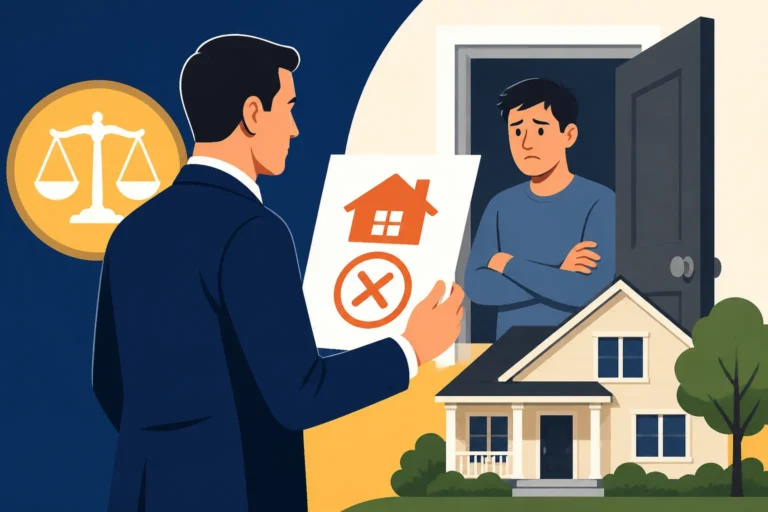
Navigating the complexities of tenant evictions can feel like a daunting and emotionally draining process, especially when you're dealing with a tenant who isn't upholding their end of the lease agreement. It's frustrating when you just want to regain control of your property and protect your investment, but the legal jargon and specific state laws make it feel like an uphill battle. This comprehensive guide is here to demystify the eviction process in Louisiana, breaking down each step to help you understand your rights and responsibilities and ultimately, how to legally and effectively remove a tenant.
Understanding Louisiana's Eviction Landscape
Eviction in Louisiana isn't quite like what you might find in other states. The Pelican State operates under a unique blend of civil law traditions, which means some of the terminology and procedural nuances differ from common law states. It’s not just about giving a notice; it’s about meticulously following the steps outlined in the Louisiana Code of Civil Procedure to ensure a lawful eviction.
Key Terminology and Legal Framework
In Louisiana, an eviction is formally known as an "Action for Possession of Premises" or, more commonly, a "Rule to Vacate." This isn't just a fancy name; it signifies a slightly different legal approach. Instead of an unlawful detainer lawsuit, you're essentially asking the court to order your tenant to leave the property because they no longer have the right to occupy it. This "Rule to Vacate" is what you'll file in court, initiating the formal eviction proceedings. It's a summary proceeding, meaning it's designed to be resolved more quickly than a standard lawsuit, which offers some relief to landlords facing immediate issues.
Understanding the hierarchy of laws is also crucial. While federal laws like the Fair Housing Act always apply, Louisiana has its own set of landlord-tenant statutes that govern most aspects of the rental relationship, including evictions. These are primarily found in the Louisiana Civil Code and the Louisiana Code of Civil Procedure. Landlords in cities like New Orleans, Baton Rouge, or Shreveport will find that the statewide laws generally apply, though local ordinances can sometimes add specific requirements, so it's always wise to double-check with your local housing authority or a legal professional.
Common Grounds for Eviction in Louisiana
Just like everywhere else, you can't just evict a tenant on a whim. There has to be a legitimate, legally recognized reason. The most common grounds for eviction in Louisiana include:
- Non-Payment of Rent: This is probably the most frequent reason landlords initiate eviction proceedings. If a tenant fails to pay rent by the due date, and any grace period outlined in the lease has passed, you have grounds to evict. Louisiana law is quite clear here; you must provide a proper notice, but we'll dive deeper into that.
- Lease Violations: Beyond just not paying rent, tenants can breach other terms of their lease agreement. This could include anything from having unauthorized pets, causing excessive damage to the property, engaging in illegal activity, violating noise clauses, or subletting without permission. For example, if your lease explicitly prohibits smoking inside the unit and you have documented evidence of a tenant repeatedly violating this, that's a lease violation.
- Holding Over After Lease Expiration: This happens when a tenant's lease term ends, but they simply refuse to move out. If you haven't offered a renewal, or they haven't accepted one, and you want them to leave, they are "holding over." Even if they're paying rent, without a renewed lease or a new agreement, they become a "tenant at sufferance" or a month-to-month tenant (if rent is accepted after expiration), but you can still evict them to regain possession.
- Material Non-Compliance: This is a broader category that covers substantial violations that significantly impact the property or other tenants, even if not explicitly listed as a "violation" in the lease. For instance, creating a health hazard or consistently disturbing neighbors could fall under this.
It's vital that whatever your reason, it is clearly documented and you have evidence to support your claim in court. Without a valid, provable reason, your eviction attempt could be dismissed, costing you time, money, and a whole lot of stress.
When Self-Help Eviction is Illegal
Let's get this out of the way right upfront: trying to evict a tenant yourself, without going through the proper legal channels, is illegal in Louisiana. Period. I know, it can be incredibly tempting when you're at your wit's end with a tenant who won't leave or pay rent. You might think, "I own the property, why can't I just change the locks?" or "I'll just turn off the power, that'll get them out!"
However, actions like changing locks, shutting off utilities (water, electricity, gas), removing the tenant's belongings, or even intimidating them into leaving are all considered illegal "self-help" evictions. If you engage in these tactics, not only can your tenant sue you for damages (which can be significant, including legal fees and punitive damages), but you could also face criminal charges in some instances. These actions are a violation of the tenant's right to peaceful occupancy, even if they aren't paying rent. The law provides a specific process for a reason, and it must be followed meticulously. Don't risk a costly lawsuit or criminal charges by attempting to take matters into your own hands.
The Step-by-Step Eviction Process in Louisiana
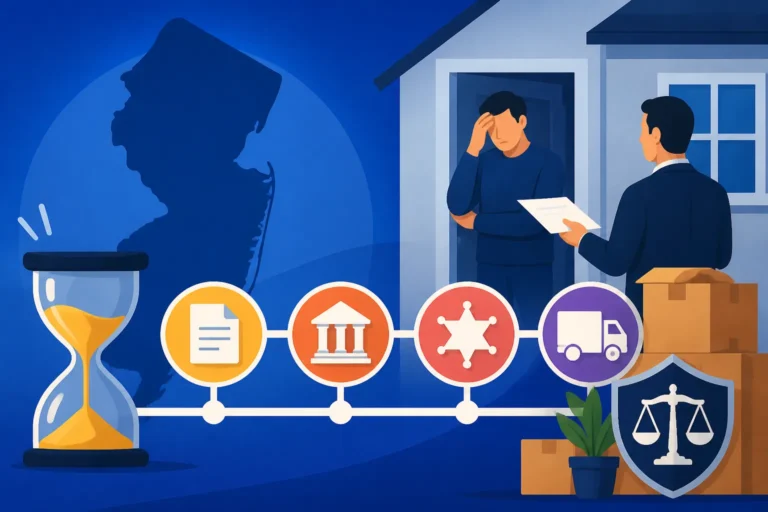
Evicting a tenant in Louisiana involves a series of very specific legal steps. Missing even one can derail your entire process and force you to start over, costing valuable time and money. It's a bureaucratic dance, but one you absolutely must master.
Serving the Proper Eviction Notice
The first, and arguably most crucial, step in the Louisiana eviction process is serving the tenant with a formal, written eviction notice. This notice officially informs the tenant that they need to remedy a lease violation or move out of the property.
-
Types of Notices:
- 5-Day Notice to Vacate for Non-Payment of Rent or Lease Violation: This is the most common notice. If your tenant hasn't paid rent, or has violated a term of the lease (e.g., unauthorized pets, property damage), you generally must give them at least five (5) calendar days to either pay the rent, fix the violation, or move out. This 5-day period starts the day after the notice is delivered. Unlike some states that offer a "cure or quit" option, Louisiana's standard 5-day notice is often a straight "Notice to Vacate."
- 10-Day Notice to Vacate (for Month-to-Month Tenants): If you have a month-to-month tenancy (either explicitly agreed upon or if a fixed-term lease expired and rent was accepted afterward), and you wish to terminate the tenancy without a specific "fault" (like non-payment or lease violation), you generally must provide at least a 10-day written notice to vacate. This notice is often used when a landlord simply wants to end the tenancy, perhaps to sell the property or move a family member in.
-
Content of the Notice: Your eviction notice must be in writing and clearly state:
- The tenant's name and the address of the rental property.
- The specific reason for the eviction (e.g., "failure to pay rent for [month]," "violation of the no-pet clause").
- The exact amount of rent owed, if applicable.
- A clear demand for the tenant to either comply with the lease or vacate the premises within the specified timeframe (usually 5 days for cause, 10 days for month-to-month).
- A statement that if the tenant does not comply, legal action will be taken to evict them.
- Your signature and the date.
-
Methods of Service: How you deliver this notice is just as important as what's in it. Proper service ensures the tenant actually receives the notice and prevents them from claiming they were never informed. Louisiana law prefers personal service, but other methods are acceptable:
- Personal Delivery: Handing the notice directly to the tenant. This is the best method as it ensures direct receipt. Make sure to have a witness if possible and keep a record of the delivery date and time.
- Posting and Mailing: If the tenant is absent from the premises, you can post the notice on the front door of the rental unit and mail a copy via certified mail, return receipt requested. The clock for the notice period usually starts from the date of mailing.
- Certified Mail, Return Receipt Requested: While less preferred for initial notices than personal service, this method provides proof of mailing and delivery, which can be crucial evidence in court.
Many landlords find it helpful to use reputable platforms like LawDepot to generate legally sound eviction notices tailored to Louisiana's specific requirements. This helps ensure all the necessary legal language and fields are correctly filled out, minimizing the risk of errors. Once the notice is properly served, you must wait until the notice period has fully expired before taking the next step. If the tenant complies (pays rent, fixes the violation, or moves out), then the eviction process stops. If they don't, you proceed to court.
Filing the Eviction Lawsuit (Rule to Vacate)
If your tenant has not complied with the eviction notice by the end of the specified period, it's time to take your case to court. This is where you formally initiate the "Rule to Vacate" process.
-
Which Court to File In: In Louisiana, evictions are typically filed in one of two courts, depending on the circumstances:
- Justice of the Peace Court: For properties located outside of city limits or in smaller parishes, Justice of the Peace courts often handle eviction cases. These courts are designed for simpler, less complex legal matters and are often quicker.
- District Court: In larger cities and parishes, District Courts handle eviction proceedings. The process might be a bit more formal here, and you may find more complex cases.
It’s essential to determine the correct court for your property's jurisdiction. Filing in the wrong court could lead to delays or dismissal.
-
Required Documents: When you go to file, you'll need to bring several key documents:
- A copy of the written lease agreement (if one exists).
- A copy of the eviction notice you served the tenant.
- Proof of service of the eviction notice (e.g., certified mail receipt, affidavit of service from a witness).
- The "Petition for Eviction" or "Rule to Vacate" form, which you'll fill out. This document officially asks the court to order the tenant's eviction. It will detail the property address, tenant names, and the reasons for the eviction, referencing the prior notice.
-
Court Fees: You will need to pay filing fees when you submit your petition. These fees vary by court and parish. For instance, in Orleans Parish, filing fees can range from around $100-$200, but it's always best to check with the specific court clerk's office beforehand to get the exact amount and acceptable payment methods. Be prepared for potential service fees for the sheriff or constable to deliver the court summons to the tenant.
Once filed, the court will issue a summons (the "Rule to Vacate") to the tenant, officially notifying them of the lawsuit and the date they must appear in court. This summons must also be properly served by a sheriff, constable, or a private process server.
The Court Hearing
The eviction hearing is your opportunity to present your case to the judge and explain why the tenant should be evicted. It's a formal setting, so preparation is key.
-
What to Expect:
- The Judge: The judge will preside over the hearing, listen to both sides, and make a decision based on the evidence presented.
- Your Presentation: You, as the landlord, will typically present your case first. You'll explain the situation, the reason for the eviction, and show the evidence you've gathered.
- Tenant's Defense: The tenant will then have an opportunity to present their side of the story and any defenses they may have. They might claim they never received the notice, that the property is uninhabitable, or that you're retaliating against them. Understanding common tenant defenses and how to counter them is essential.
- Witnesses and Evidence: Both parties can bring witnesses and present evidence.
-
Presenting Evidence: Bring all relevant documentation with you. This includes:
- Lease Agreement: The signed lease is foundational.
- Eviction Notice & Proof of Service: Crucial for proving you followed the correct initial steps.
- Ledgers/Payment Records: If non-payment of rent is the issue, provide clear records showing what was paid and what is owed.
- Communication Records: Emails, texts, or letters exchanged with the tenant regarding the issue.
- Photos/Videos: Evidence of property damage, unauthorized pets, or other lease violations.
- Witness Testimony: Anyone who can corroborate your claims.
Being organized and concise in your presentation will help the judge understand your case quickly.
-
Tenant's Defenses: Tenants might raise various defenses. For example, they might argue that the property has serious habitability issues that you failed to address, and they were justified in withholding rent (though this is a risky strategy for tenants and only legal under very specific conditions in Louisiana). They might also claim you're attempting a retaliatory eviction defense, where they requested repairs, and you initiated eviction as punishment. Being prepared to address these potential defenses with strong documentation can make all the difference.
After hearing both sides, the judge will make a ruling. If the judge rules in your favor, they will issue a Judgment of Eviction.
Obtaining a Judgment and Writ of Possession
If the judge agrees with your case, they will issue a formal Judgment of Eviction, ordering the tenant to vacate the premises. However, a judgment alone doesn't mean you can immediately remove the tenant. There's one more crucial step.
-
The Writ of Possession: After receiving the Judgment of Eviction, you must apply for a Writ of Possession (sometimes called a Warrant for Possession). This is a legal order directing the sheriff or constable to physically remove the tenant and their belongings if they still refuse to leave. Think of it as the enforcement arm of the court's judgment. You'll typically need to pay an additional fee for the sheriff to execute this writ.
-
Waiting Period: In Louisiana, there's usually a 24-hour waiting period after the judgment is signed before the sheriff can execute the Writ of Possession. This gives the tenant a final chance to move out voluntarily. It's important to understand this timeline, as attempting to remove the tenant before the sheriff is authorized can still lead to legal trouble.
Once you have the Writ of Possession, and the waiting period has passed, the sheriff will schedule a time to oversee the physical removal of the tenant. This ensures the process is carried out lawfully and minimizes potential confrontations.
Removing the Tenant and Handling Property
Even after securing a Writ of Possession, there are still important steps and considerations when it comes to the physical removal of the tenant and dealing with any property they leave behind. This stage requires patience and strict adherence to legal procedure.
Executing the Writ of Possession
The Writ of Possession is your ultimate legal tool for regaining control of your property. It authorizes law enforcement to act on your behalf.
- Sheriff Involvement: When the time comes, the local sheriff or constable will be the one to serve the Writ of Possession and supervise the tenant's removal. You cannot, under any circumstances, remove the tenant yourself. Doing so would constitute an illegal self-help eviction, even if you have a court order. The sheriff's presence ensures that the eviction is carried out lawfully and helps de-escalate any potential conflicts.
- Scheduling the Removal: The sheriff's department will typically contact you to schedule the execution of the writ. This can sometimes take a few days or even weeks, depending on their workload. It's frustrating, I know, but patience here is vital. Trying to rush them or interfere can only cause problems.
- What to Bring: On the day of the removal, it's advisable to be present. Bring extra keys, a camera to document the condition of the property, and potentially a locksmith to change the locks once the tenant is officially gone. The sheriff is there to remove the tenant, not to help you clean or move their belongings. Having a property management tool like DoorLoop can be incredibly helpful here, allowing you to log the date of possession and begin tracking potential damages immediately.
Handling Abandoned Property
One of the trickier aspects of an eviction is dealing with any personal belongings a tenant leaves behind. Louisiana has specific rules to prevent landlords from simply discarding a tenant's property, even after a lawful eviction.
- Legal Requirements: If the tenant leaves property, you generally can't just throw it away. You typically need to provide written notice to the tenant, usually by certified mail to their last known address (or any forwarding address they provided), stating that their property is being stored and that they have a certain amount of time to retrieve it. This timeframe can vary, but generally, it's around 30 days.
- Inventory and Storage: It's crucial to create a detailed inventory of all items left behind, preferably with photographic or video evidence. This protects you from claims that you damaged or stole their property. Store the items in a safe, secure place. You may be able to charge the tenant reasonable storage costs.
- Disposal or Sale: If the tenant does not retrieve their property within the legally specified time frame, Louisiana law may allow you to dispose of it, donate it, or sell it. If sold, any proceeds, after deducting storage and sale costs, might need to be remitted to the tenant or held for a period. It is always best to consult with a legal professional regarding the exact procedure for abandoned property in your parish to avoid any legal missteps. A mistake here can lead to liability down the road.
Post-Eviction Considerations
Once the tenant is finally out and the property is secured, your work isn't quite done.
- Property Inspection and Damages: Immediately after regaining possession, conduct a thorough inspection of the property. Document any damages beyond normal wear and tear with clear photos and notes. This is crucial for determining what, if anything, can be deducted from the security deposit. Remember, normal wear and tear vs damage is a common dispute, so careful documentation is key. If the damages exceed the security deposit, you may need to pursue further legal action to recover costs. Our guide on what can a landlord deduct from a security deposit offers more insight.
- Cleaning and Repairs: Address any necessary cleaning and repairs to get the unit ready for a new tenant. Keep detailed records of all expenses incurred, including receipts for materials and labor.
- Re-renting the Property: Your goal is to minimize your losses by re-renting the property as quickly as possible. Louisiana law generally imposes a duty on landlords to mitigate damages, meaning you must make a reasonable effort to find a new tenant. This means advertising the vacancy and screening new applicants. This can help reduce the amount of rent the previous tenant might owe you if they broke the lease early.
Avoiding Common Pitfalls and Protecting Yourself
Evictions are rarely straightforward, and there are many ways things can go wrong if you're not careful. Being proactive and meticulously documenting everything can save you a lot of grief and legal fees in the long run.
Documentation is Your Best Friend
I cannot stress this enough: document everything. From the moment a prospective tenant expresses interest to the final walkthrough after an eviction, every interaction and condition should be recorded.
- Comprehensive Lease Agreements: A solid lease is your foundation. Ensure it clearly outlines all terms, responsibilities, rent due dates, late fees, and what constitutes a lease violation. Using a platform like LawDepot can help you generate a comprehensive and legally sound lease tailored to Louisiana laws. Clearly defining expectations upfront can prevent many misunderstandings.
- Communication Records: Keep a detailed log of all communications with your tenant. This includes dates, times, methods (email, text, phone call), and a summary of the conversation or the actual text of messages. If you discuss something over the phone, follow up with an email confirming the discussion. This creates an undeniable paper trail.
- Maintenance Requests and Responses: If a tenant makes a repair request, document it, along with your response and the actions taken. This is vital if a tenant later claims the property was uninhabitable or that you neglected your landlord repair responsibilities.
- Move-In / Move-Out Inspection Reports: Conduct a thorough move-in / move-out inspection guide with photos or videos. Have the tenant sign off on the move-in condition. This provides irrefutable evidence of the property's state before and after their occupancy, which is critical for security deposit deductions. Our guide on how to document your apartment at move-in offers practical tips.
- Financial Records: Maintain meticulous records of all rent payments, fees, and any deductions from the security deposit. This helps prevent disputes over unpaid rent or wrongful deposit withholding.
These detailed records serve as your evidence in court and can be the difference between a successful eviction and a costly, drawn-out legal battle.
Understanding Tenant Defenses
Savvy tenants, or those who seek legal aid, often come prepared with defenses. Knowing what these are can help you prepare your counterarguments.
- Breach of the Implied Warranty of Habitability: This is a common defense where a tenant claims the property was unsafe or uninhabitable, justifying their non-payment of rent or other lease violations. For instance, if the air conditioning consistently failed in a Louisiana summer and you did nothing, they might argue this. Landlords in Louisiana have an implied warranty of habitability, meaning they must provide a safe and livable dwelling. If you've been negligent in repairs, a tenant might succeed with this defense.
- Retaliatory Eviction: As mentioned, if a tenant can prove you're evicting them in retaliation for exercising their legal rights (e.g., reporting a code violation, requesting repairs, joining a tenant's union), the court may rule against you. Documenting your legitimate, non-retaliatory reasons for eviction is critical.
- Improper Notice or Service: A common tenant defense is that the eviction notice was not properly served, or that the notice period was too short. This highlights why meticulous service and accurate timing are so important.
- Discrimination: Under federal and sometimes local Fair Housing laws, it is illegal to evict a tenant based on their race, color, religion, sex, national origin, familial status, or disability. In Louisiana, additional protected classes may apply in certain areas. Any claim of discrimination, even if unfounded, can significantly complicate and prolong the eviction process. Ensure your actions are consistent and non-discriminatory.
Being able to demonstrate that you followed all legal procedures and acted in good faith, backed by your thorough documentation, is your strongest defense against these claims.
Seeking Legal Counsel
While this guide provides a detailed overview, it's not a substitute for legal advice. Landlord-tenant law can be complex, and every situation has its unique nuances.
- When to Hire an Attorney: You should seriously consider hiring a Louisiana attorney specializing in landlord-tenant law if:
- The eviction case is contested, and the tenant has hired a lawyer.
- You suspect the tenant may raise complex legal defenses.
- The tenant has caused significant damage or owes a substantial amount of back rent.
- You are dealing with multiple properties and need to ensure all processes are standardized and compliant. Property management software like DoorLoop can help keep your records organized, which will be invaluable to your attorney.
- You are unsure about any step of the process or the specific laws in your parish.
An attorney can ensure all filings are correct, represent you in court, and navigate any unexpected legal challenges. The cost of legal counsel often pales in comparison to the financial losses and penalties that can result from an improperly handled eviction. This is particularly true if you are facing claims of double vs treble damages for wrongful withholding or an illegal lockout.
By approaching the eviction process methodically, with a deep understanding of Louisiana's specific laws and a commitment to thorough documentation, you can protect your property and ensure a lawful resolution.
Disclaimer
Please note that this guide provides general information about landlord-tenant law in Louisiana and is not intended as legal advice. Laws can change, and individual situations vary. It is always recommended to consult with a qualified attorney or legal professional for advice pertaining to your specific circumstances.