Breaking a Lease by State
Let's be honest, the thought of breaking a lease probably sends a shiver down your spine. It conjures up images of endless legal battles, massive financial penalties, and a black mark on your rental history. It's a daunting prospect, often feeling like you're trapped in a legally binding contract with no way out. But sometimes, life throws unexpected curveballs – a new job out of state, a family emergency, or even unsafe living conditions – and you need a way to move on. This comprehensive guide is here to walk you through the complex landscape of breaking a lease by state, empowering you with the knowledge to navigate your options, understand your rights, and minimize potential repercussions.
Understanding Your Lease Agreement and State Laws
Before you even think about packing a single box, the very first step in considering breaking a lease is to pull out that original document and read it from cover to cover. It might seem tedious, but your lease agreement is the foundational contract that governs your tenancy, and every detail within it will be crucial to understanding your standing.
The Binding Nature of a Lease
A lease agreement isn't just a casual handshake; it's a legally binding contract between you (the tenant) and your landlord. When you sign it, you're agreeing to occupy the property for a specific period, typically 6-12 months, and to pay rent for that entire term, among other obligations. This commitment is precisely what makes breaking a lease such a significant undertaking. Landlords rely on these agreements for financial stability, ensuring a steady income stream to cover their mortgage, property taxes, and other expenses. From their perspective, an unexpected vacancy can lead to substantial losses, which is why breaking a lease often comes with penalties. It’s a serious commitment, and understanding that gravity upfront helps set realistic expectations for the process ahead. Many landlords use reliable services like LawDepot to draft their lease agreements, ensuring they are legally sound and comprehensive.
Where State Laws Come Into Play
While your lease sets the initial framework, state laws provide the overarching rules and regulations that every lease agreement must adhere to. These laws can significantly impact your ability to break a lease, the reasons you might be legally justified, and the financial responsibilities you still hold. What might be perfectly acceptable in California could be a major violation in Florida, and vice versa. State laws dictate things like the maximum amount a landlord can charge as an early termination fee, their "duty to mitigate damages" (meaning they must try to re-rent the property), and specific circumstances that allow tenants to break a lease without penalty. Understanding Security Deposit Laws by State (2026) is also crucial, as your security deposit often becomes leverage in these situations. It's not enough to just know what your lease says; you need to understand how your state's landlord-tenant laws interpret and enforce those clauses.
Key Lease Clauses to Review
As you pore over your lease, keep an eye out for specific clauses that address early termination. Many modern lease agreements anticipate the possibility of a tenant needing to leave early and include an "early termination clause." This clause will usually spell out the exact penalties or procedures for breaking the lease, such as paying a fee equivalent to two months' rent, forfeiting your security deposit, or being responsible for rent until a new tenant is found.
Some leases might even mention options for lease assignment or subletting, which can provide a way out. Subletting & Lease Assignment Explained offers more detail on these alternatives. Pay close attention to any language about notice periods required for termination, even for legal reasons. If your lease doesn't have an explicit early termination clause, then state law and the landlord's general right to seek damages for breach of contract will govern the situation. Ignoring these clauses or failing to provide proper notice can instantly put you on the wrong side of the law, potentially increasing your financial burden.
Legal Justifications for Breaking a Lease Without Penalty
Navigating the complexities of breaking a lease can be incredibly stressful, especially when you're facing unforeseen life circumstances. The good news is that under specific, legally recognized situations, tenants often have the right to terminate their lease agreement without facing harsh penalties. These aren't loopholes; they are protections enshrined in landlord-tenant laws to safeguard individuals in vulnerable positions or when a landlord has failed to uphold their end of the agreement. Knowing these protections can save you significant time, money, and stress.
Military Deployment (SCRA)
One of the most robust legal protections for tenants is the Servicemembers Civil Relief Act (SCRA). This federal law provides active-duty military members, reservists, and National Guard members who are called to active duty with the right to break a residential lease under certain circumstances. This means if you receive permanent change of station (PCS) orders or orders to deploy for at least 90 days, you can terminate your lease.
The process typically involves providing written notice to your landlord, along with a copy of your military orders. The termination becomes effective 30 days after the next rent payment is due. For example, if you give notice on July 15th and rent is due on the 1st of each month, your lease would terminate on September 1st. This is a vital protection, as military families frequently face unexpected relocations. Understanding your rights under the SCRA is critical, and many resources exist to help servicemembers execute this process smoothly. Check out Military (SCRA) Lease Termination Step-by-Step for a detailed guide.
Domestic Violence and Safety Concerns
Many states have enacted laws that allow victims of domestic violence, sexual assault, or stalking to break their lease early without penalty. These laws recognize the critical importance of safety and the urgent need for victims to escape dangerous living situations. While specific requirements vary by state, tenants typically need to provide official documentation, such as a protective order, a police report, or a statement from a qualified third party (like a doctor or counselor).
For instance, states like California and New York have strong provisions allowing lease termination for domestic violence victims, often requiring a 14-day written notice after providing the necessary documentation. This is not about simply moving out; it's about providing a legal avenue for individuals to prioritize their physical and emotional well-being without being financially penalized for doing so. If you or someone you know is in this situation, seeking legal counsel or connecting with local domestic violence support organizations can provide crucial guidance and assistance in exercising these rights.
Uninhabitable Living Conditions
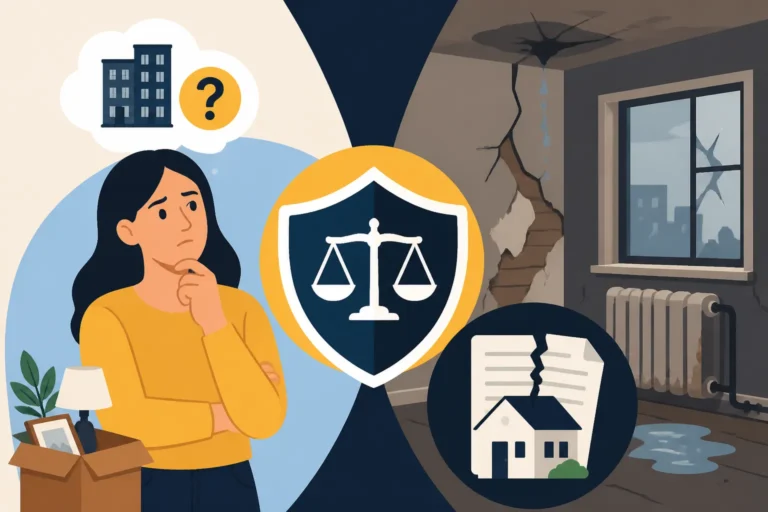
Landlords have a fundamental legal obligation to provide a safe, habitable, and healthy living environment for their tenants. This is known as the "implied warranty of habitability." If a landlord fails to meet this standard, and the property becomes genuinely uninhabitable, you may have legal grounds to break your lease. What constitutes "uninhabitable" can vary, but generally includes severe issues like lack of essential utilities (heat, hot water, electricity), a pest infestation that isn't addressed, significant structural damage, or hazardous mold.
Before breaking a lease due to uninhabitable conditions, it is absolutely crucial to follow the correct legal procedures. This almost always involves providing your landlord with written notice of the issue, allowing a "reasonable" amount of time for repairs, and documenting everything. If they fail to make the necessary repairs within the legal timeframe, then you might be able to terminate the lease. Simply deciding to move out because you're uncomfortable isn't enough; you must prove the conditions violate habitability standards and that your landlord failed to act. For a deeper dive, explore Breaking a Lease Due to Mold or Uninhabitable Conditions.
Landlord Harassment or Privacy Violations
Your right to "quiet enjoyment" of your rental property is another fundamental tenant protection. This includes your right to privacy. If your landlord repeatedly enters your apartment without proper notice, harasses you, or creates an environment that significantly interferes with your ability to live peacefully, you might have grounds to break your lease. Each state has specific laws regarding a landlord's right to entry, usually requiring 24 to 48 hours' written notice for non-emergency situations.
Consistent violations of these entry rules, combined with other forms of harassment, can be considered a "constructive eviction," which means the landlord's actions have made the property unlivable, forcing you to move out. Documenting every instance of harassment or privacy violation is paramount. Keep a detailed log of dates, times, specific incidents, and any witnesses. Send formal written notices to your landlord about these violations. This paper trail will be essential if you need to argue in court that you were constructively evicted and thus justified in breaking your lease. Without solid documentation, your claim might not hold up.
The Process of Breaking a Lease: General Steps
Breaking a lease isn't a one-size-fits-all situation; it requires a strategic and informed approach. Once you've reviewed your lease and considered potential legal justifications, it's time to understand the general steps involved. This process aims to protect your interests, minimize financial liabilities, and ensure you're acting within the bounds of the law, even if you don't have a specific "legal reason" to break the lease.
Reviewing Your Lease and State Specifics
Before you do anything else, grab that lease agreement and dissect it. Look specifically for any clauses related to early termination, assignment, or subletting. Many leases will outline the exact penalties or procedures for breaking a lease, which might include an early termination fee (often 1-2 months' rent), forfeiture of your security deposit, or responsibility for rent until a new tenant is found. If your lease doesn't explicitly state an early termination fee, don't assume you're off the hook; state law will typically govern the damages a landlord can seek.
Next, you need to research your state's specific landlord-tenant laws. These laws can vary dramatically, impacting everything from the required notice period to whether your landlord has a "duty to mitigate damages." For example, California law generally requires landlords to make reasonable efforts to re-rent the property, limiting your liability for future rent. In contrast, some states might not impose such a strict duty, leaving you more exposed financially. Sites like LawDepot often have state-specific lease templates and resources that can help you understand common clauses in your area. This initial research is critical to understanding your legal standing and potential financial obligations.
Providing Proper Notice to Your Landlord
No matter your reason for breaking a lease, providing formal written notice to your landlord is almost always a non-negotiable step. Even if your state allows for a penalty-free lease break due to certain circumstances, you still need to inform your landlord in writing. This isn't just a courtesy; it's a legal requirement that initiates the termination process and establishes a clear timeline.
The notice should clearly state your intention to vacate the property, the specific date you plan to move out, and, if applicable, the legal reason you are breaking the lease (e.g., military orders, domestic violence, uninhabitable conditions). Always send this notice via certified mail with a return receipt requested, or deliver it in person and get a signed acknowledgment. This creates a paper trail, proving that your landlord received the notice and when. Failing to provide proper notice can complicate matters and potentially invalidate any legal protections you might have. For guidance on structuring such a letter, refer to How to Write a Notice to Vacate.
Mitigation of Damages: The Landlord's Role
This is a critical concept in many states: the landlord's "duty to mitigate damages." In simpler terms, it means that if a tenant breaks a lease, the landlord cannot simply sit back and let the property remain vacant while continuing to charge the former tenant rent. Instead, the landlord has a legal obligation to make reasonable efforts to find a new tenant and re-rent the property as quickly as possible. This action helps to minimize the financial losses for both the landlord and the departing tenant.
What constitutes "reasonable efforts" can be subjective, but generally, it means advertising the property, showing it to prospective tenants, and not holding out for a higher rent than what the previous tenant paid or what the market dictates. If a landlord successfully re-rents the property, your financial liability typically ends on the date the new tenant's lease begins. However, you might still be responsible for the period the unit was vacant, plus any reasonable re-rental costs (like advertising fees). If your landlord doesn't make a good faith effort to re-rent, you might be able to argue in court that they failed their duty to mitigate, which could reduce your financial liability. Understanding Landlord Duty to Mitigate Damages Explained is a powerful tool in your arsenal when negotiating or disputing charges.
Consequences of Illegally Breaking a Lease
Breaking a lease without a legally recognized justification or without following the proper procedures can lead to a host of unpleasant and potentially costly repercussions. While sometimes unavoidable, it's crucial to be aware of the potential fallout so you can plan accordingly and try to mitigate the damage. This isn't meant to scare you, but to provide a realistic picture of what could happen if you don't navigate the situation carefully.
Financial Repercussions: Rent and Fees
The most immediate and impactful consequence of illegally breaking a lease is the financial hit. Your lease is a contract to pay rent for the entire agreed-upon term. If you breach that contract, your landlord has the right to seek compensation for their losses. This often includes:
- Remaining Rent: You could be liable for all the rent due for the remainder of the lease term, or until a new tenant is found (depending on your state's duty to mitigate laws). For example, if you have six months left on a $1,500/month lease, you could be on the hook for $9,000, minus any rent collected from a new tenant.
- Early Termination Fees: Many leases include an "early termination clause" that specifies a penalty, typically one or two months' rent, to be paid if you break the lease. While this might seem steep, it can sometimes be a more predictable and less costly option than being responsible for months of vacant rent.
- Re-rental Costs: Your landlord might also charge you for expenses incurred in finding a new tenant, such as advertising fees, tenant screening costs, and even a portion of a real estate agent's commission.
- Loss of Security Deposit: It's almost guaranteed that your landlord will keep your security deposit to cover some of these damages. In some cases, they may even keep the entire deposit even if it exceeds actual damages, though this can often be disputed. What Can a Landlord Deduct From a Security Deposit? provides more context on this.
It's important to remember that these fees and rent obligations accumulate quickly, and can be a significant burden. This is where understanding your state's specific laws regarding How Much Does It Cost to Break a Lease? becomes invaluable.
Impact on Your Rental History and Credit
Beyond the immediate financial costs, illegally breaking a lease can have lasting negative effects on your rental history and credit score, making it harder to secure housing in the future.
- Rental History: Future landlords almost always check previous rental references. If your former landlord reports that you broke your lease, it can flag you as a high-risk tenant. This might lead to denial of future applications, or require you to pay a larger security deposit or find a co-signer. Many tenant screening services, like those used by TurboTenant, will show a history of lease breaches.
- Credit Score: If you owe your former landlord money (for unpaid rent, fees, or damages) and you fail to pay it, they might send the debt to a collection agency. Collection accounts can severely damage your credit score and remain on your credit report for up to seven years. A poor credit score can impact your ability to get loans, credit cards, or even certain jobs. The article Breaking a Lease and Your Credit Score delves deeper into these financial implications. This is why attempting to negotiate with your landlord and find a resolution, even if it means paying a penalty, is almost always better than abandoning the property and hoping for the best.
Legal Actions: Small Claims Court
If you and your landlord can't agree on a resolution, or if you simply walk away without fulfilling your financial obligations, your landlord might decide to take legal action against you. This usually means filing a lawsuit in small claims court.
In small claims court, the landlord can sue you for the unpaid rent, early termination fees, and any other legitimate damages they incurred due to your lease breach. If the court rules in the landlord's favor, you'll be legally obligated to pay the judgment. This judgment can then be collected through various means, such as wage garnishment, bank account levies, or liens on your property. A judgment against you becomes part of the public record, which can further impact your financial standing and reputation. While going to court can be intimidating, understanding the potential legal routes a landlord can take highlights the importance of trying to resolve the situation amicably and legally from the outset.
State-by-State Guide to Breaking a Lease
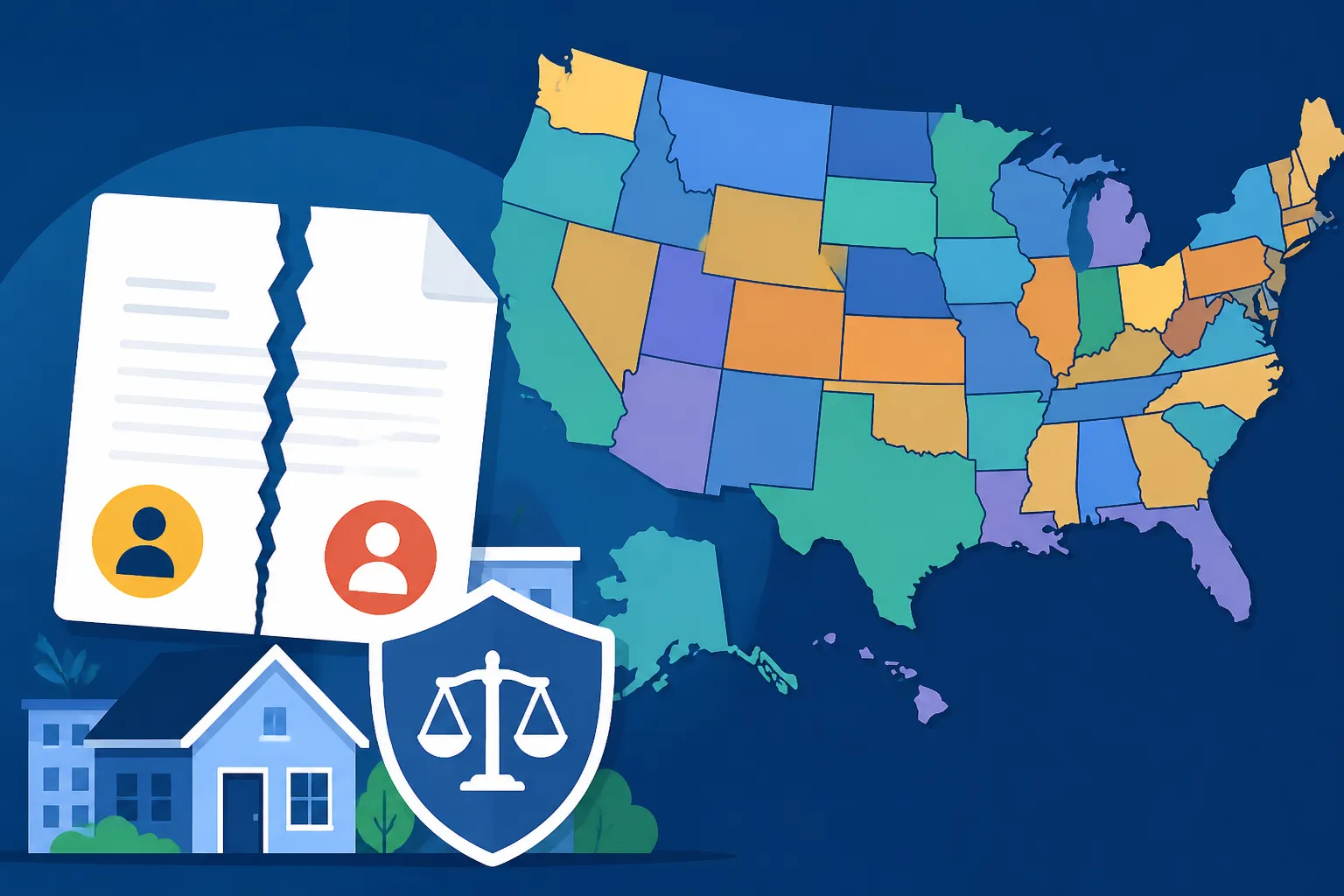
The single most important takeaway when considering breaking a lease is that landlord-tenant laws are overwhelmingly governed at the state level. There's no single federal statute that dictates the rules for early lease termination across the entire country, which means what's permissible and what's not can change drastically from one state border to the next. This legal patchwork can be frustrating, but it also means that specific protections and procedures exist that are unique to your location.
How Laws Vary Significantly
The differences in state laws regarding breaking a lease are profound and touch upon almost every aspect of the process. These variations can impact:
- Landlord's Duty to Mitigate: As mentioned earlier, some states, like California and New York, have strong statutes requiring landlords to actively seek a new tenant to mitigate the damages caused by an early lease break. Other states might have weaker or no explicit statutory duty, leaving more of the financial burden on the departing tenant, though common law principles often still apply.
- Early Termination Clauses and Fees: Some states may cap the amount a landlord can charge as an early termination fee. For instance, in Washington, a landlord can only charge an early termination fee if it's explicitly stated in the lease and if they make reasonable efforts to re-rent the property. Other states might allow more flexibility in how these fees are structured.
- Legal Reasons for Breaking a Lease: While federal law (SCRA) protects military members nationwide, state laws extend additional protections for specific groups, such as victims of domestic violence (e.g., California, Illinois, Texas) or tenants facing severe health issues (e.g., New Hampshire, Maine). The exact documentation and notice periods required for these legal breaks also vary.
- Notice Requirements: The amount of notice you must provide your landlord, even for a legally justified lease break, differs by state. It could be 14 days, 30 days, or even more, depending on the circumstances.
- Security Deposit Rules: How quickly a landlord must return your security deposit, and what they can deduct from it after a lease break, is also state-specific. For instance, Security Deposit Return Deadline in California is 21 days, while in Texas, it's 30 days.
These significant differences underscore why generic advice isn't enough; you need information tailored to your specific state.
Key States with Unique Provisions
While we can't cover all 50 states in detail here, let's look at a few examples to illustrate the breadth of state-specific laws:
- California: Known for its strong tenant protections. Landlords have a clear duty to mitigate damages. Tenants can also break a lease without penalty under various circumstances, including domestic violence, active military duty, and if the unit is found to be uninhabitable after proper notice is given.
- New York: Offers tenant protections, particularly in New York City with its rent stabilization laws. Landlords typically have a duty to mitigate damages. New York also has provisions for victims of domestic violence to break a lease, similar to California.
- Texas: While generally more landlord-friendly, Texas law still requires landlords to make a reasonable effort to find a new tenant if you break a lease early. However, the lease itself can sometimes override this by including a specific early termination clause with a predetermined fee.
- Florida: Similar to Texas, Florida law generally imposes a duty to mitigate on landlords, but a well-drafted lease may include an early termination fee that the tenant agrees to pay, which can streamline the process for both parties.
- Massachusetts: This state also has a duty to mitigate damages. Tenants can break a lease if the unit becomes uninhabitable and the landlord fails to address issues after proper notice.
- Illinois: Landlords have a duty to mitigate damages. Illinois also provides legal recourse for victims of domestic or sexual violence to terminate their lease early.
These examples highlight why simply asking "Can I break my lease?" isn't enough; the answer is always "It depends on where you live."
Finding Specific State Information
Given the variability, your absolute best course of action is to research the landlord-tenant laws specific to your state and even your city. Start with official state housing authority websites or consumer protection offices. Many states provide easily accessible summaries of tenant rights and responsibilities. Legal aid societies can also be an invaluable resource, often offering free or low-cost consultations.
You might search for terms like "tenant rights [Your State]" or "breaking a lease [Your State]." Many legal information websites, like those powered by LawDepot, can provide state-specific legal forms and guidance. TurboTenant also offers resources for landlords that can give you insight into the rules they must follow. Always confirm information with up-to-date state statutes or a local attorney to ensure accuracy, as laws can change. This due diligence is your strongest defense against unintended consequences.
| State | Standard Notice Period to Terminate Month-to-Month Lease (if no lease term) | Landlord Duty to Mitigate Damages (Generally) | Legal Grounds for Early Lease Termination (Beyond SCRA) |
|---|---|---|---|
| California | 30 days (less than 1 year tenancy), 60 days (1+ year tenancy) | Yes | Domestic Violence, Harassment, Uninhabitable Conditions |
| New York | 30 days | Yes | Domestic Violence, Uninhabitable Conditions, Landlord Harassment |
| Texas | 30 days | Yes | Domestic Violence, Stalking, Active Military Duty (SCRA) |
| Florida | 15 days | Yes | Domestic Violence, Landlord Breach of Material Provisions |
| Illinois | 30 days | Yes | Domestic Violence, Sexual Assault, Uninhabitable Conditions |
| Pennsylvania | 15 days (less than 1 year tenancy), 30 days (1+ year tenancy) | Yes | Uninhabitable Conditions, Landlord Failure to Repair (sometimes) |
| Washington | 20 days | Yes | Domestic Violence, Landlord Non-compliance (Uninhabitable), Harassment |
Note: This table provides general information. Specific circumstances, lease clauses, and local ordinances (e.g., in rent-controlled cities) can impact these rules. Always consult your specific state and local laws or a legal professional.
Strategies to Minimize Financial Loss When Breaking a Lease
Even if you don't have a legally bulletproof reason to break your lease without penalty, it doesn't mean you're doomed to pay rent for an empty apartment for months on end. There are proactive steps you can take to significantly reduce your financial exposure and negotiate a more favorable exit with your landlord. The key is communication, proactivity, and understanding your landlord's perspective.
Finding a Qualified Replacement Tenant
One of the most effective ways to minimize your financial liability is to find a qualified replacement tenant for your landlord. This is especially relevant in states where landlords have a "duty to mitigate damages." By bringing a suitable candidate to your landlord, you're essentially doing their work for them, fulfilling their obligation to re-rent the property quickly.
Start by asking your landlord what their specific tenant screening criteria are (credit score, income-to-rent ratio, rental history, etc.). Then, you can advertise the property through various channels – social media, local community groups, online rental platforms like Zillow or Apartments.com. Be prepared to show the unit, collect applications, and even pay for a background and credit check using services like TurboTenant, which offers robust screening tools. Present your landlord with a well-qualified applicant who meets all their criteria. While your landlord isn't obligated to accept your specific candidate (they must still vet them as they would any other applicant), refusing to consider a qualified replacement without good cause could be seen as a failure to mitigate damages on their part, potentially reducing your liability.
Negotiating with Your Landlord (Cash for Keys)
Sometimes, the best solution is a direct, honest conversation with your landlord. Approach them with a clear proposal, acknowledging your desire to break the lease and your willingness to find a mutually agreeable solution. This could involve offering a "cash for keys" arrangement, where you pay a specific, agreed-upon sum (e.g., one or two months' rent) in exchange for being released from the remainder of your lease obligations.
This negotiation benefits both parties. You get a clean break, knowing your financial liability is capped, and your rental history remains untarnished. Your landlord avoids the hassle, time, and potential expense of having to chase you for rent or take you to court. They receive immediate compensation and can quickly move to re-rent the property without legal entanglement. Put any agreement in writing, signed by both parties, clearly stating that you are released from all further obligations under the lease as of a specific date. This formal agreement is crucial for your protection, ensuring there are no lingering surprises after you move out.
Understanding Lease Assignment and Subletting
Before resorting to a full lease break, explore the options of lease assignment or subletting, especially if your lease or state law allows for it. These are often less drastic alternatives that can help you avoid the penalties associated with breaking a lease.
- Lease Assignment: This is when you transfer your entire lease agreement, including all rights and responsibilities, to a new tenant. The new tenant essentially steps into your shoes, and you are typically released from all future obligations under the lease. Your landlord must approve the assignee, and some leases might prohibit assignment entirely.
- Subletting: This is when you rent out a portion or all of your rental unit to a new tenant for a temporary period, while you remain the primary tenant on the original lease. You are still ultimately responsible for the rent and the new tenant's adherence to lease terms. Subletting is more common for shorter absences or when you plan to return.
Both options usually require your landlord's explicit written consent. If your lease prohibits them, or if your landlord unreasonably withholds consent, you might have additional legal arguments for early termination, depending on your state's laws. The article Subletting & Lease Assignment Explained provides an in-depth look at these avenues, their pros, and cons, and how they can serve as a viable exit strategy when breaking a lease isn't ideal.
Essential Documentation and Record Keeping
When you're navigating the complex waters of breaking a lease, whether for a legal reason or through negotiation, documentation is your absolute best friend. It can be the difference between a smooth exit and a costly legal battle. Every interaction, every repair request, every payment, and every piece of communication should be meticulously recorded. Think of it as building a robust case file, should you ever need to present it.
The Importance of Written Communication
Verbal agreements or casual conversations might feel easier in the moment, but they are incredibly difficult to prove if disputes arise. This is why every significant communication regarding your lease and your intention to break it must be in writing.
This includes:
- Your Notice to Vacate: As discussed, this is non-negotiable. It should clearly state your intentions, your move-out date, and any legal justifications. Send it via certified mail with a return receipt or hand-deliver it and get a signed acknowledgment.
- Repair Requests: If you're breaking the lease due to uninhabitable conditions, every request for repairs should be in writing, dated, and sent in a way that proves receipt. This demonstrates you gave your landlord ample opportunity to fix the issue.
- Landlord Responses: Keep copies of any written responses from your landlord, whether by email or postal mail.
- Negotiation Agreements: If you reach an agreement to pay an early termination fee or find a replacement tenant, ensure the terms are in a signed written document that explicitly releases you from future obligations.
An email chain, a dated letter, or a text message (if agreed upon as official communication) all serve as concrete evidence. This clear paper trail protects you by demonstrating that you followed proper procedures and communicated effectively. For more on proper communication, refer to How to Write a Security Deposit Demand Letter (How-To + Template) if you find yourself in a dispute after moving out.
Evidence of Property Condition and Issues
Another critical aspect of documentation relates to the condition of the rental property, both when you moved in and when you move out. This is especially important if you anticipate a dispute over your security deposit or if you're arguing that the property was uninhabitable.
- Move-In Condition: Before you even bring in your first box, conduct a thorough move-in inspection. Take extensive photos and videos of every room, focusing on existing damage, wear and tear, and the overall cleanliness. Document things like scuffs on walls, scratches on floors, appliance functionality, and any pest issues. Fill out a move-in checklist provided by your landlord (or create your own if they don't provide one) and send a signed copy to them. This creates a baseline, proving the condition of the unit at the start of your tenancy. The guide How to Document Your Apartment at Move-In offers excellent advice.
- Issues During Tenancy: If you're breaking the lease due to repair issues or uninhabitable conditions, document those problems thoroughly. Take photos or videos of leaky faucets, mold growth, pest infestations, lack of utilities, or any other issue that makes the property unsafe or unlivable. Date these photos and keep records of when you reported them to your landlord.
- Move-Out Condition: Before you hand over the keys, repeat the move-in process. Take photos and videos of the entire unit to show its clean and undamaged condition (beyond normal wear and tear). This helps counteract any claims your landlord might make about excessive damage, protecting your security deposit.
This visual evidence, combined with written communication, forms an undeniable record of the property's state throughout your tenancy.
Financial Records and Receipts
Finally, keep meticulous records of all financial transactions related to your tenancy, especially when breaking a lease. This includes:
- Rent Payments: Keep copies of cancelled checks, bank statements showing direct deposits, or online payment confirmations. This proves you paid rent up to your agreed-upon move-out date.
- Deposit Receipts: Ensure you have a receipt for your initial security deposit and any other fees you paid upfront. This is vital when seeking its return. Security Deposit Receipt Requirements explains this in more detail.
- Early Termination Fees/Settlement Payments: If you pay an early termination fee or a negotiated settlement, keep clear records and receipts for these payments. Ensure the receipt explicitly states that these payments fully release you from further lease obligations.
- Costs Incurred: If you had to pay for minor repairs that were the landlord's responsibility and plan to deduct them from rent (only legal in specific states under "repair and deduct" laws), keep all receipts.
Having these financial records readily available can prevent misunderstandings and provide concrete proof of your payments, protecting you from unfounded claims by your landlord. They are your shield in any financial dispute.
Disclaimer
Please remember that this guide provides general information about landlord-tenant laws and breaking a lease. Landlord-tenant laws are complex and vary significantly by state and even local jurisdiction. This content is not intended as legal advice, and it is crucial to consult with a qualified attorney in your area for advice specific to your situation. Laws can change frequently, and a local legal professional can provide the most accurate and up-to-date guidance.