What Temperature Must a Landlord Provide?
It’s a truly frustrating experience to come home to an apartment that’s either an icebox in winter or a sauna in summer. You pay good money for your rental, and a basic expectation is that it will be comfortable, or at the very least, safe from extreme temperatures. But what exactly are your landlord’s responsibilities when it comes to heating and air conditioning? This guide is going to walk you through the nitty-gritty of what temperatures landlords are legally obligated to provide, how these rules vary, and what steps you can take if your living situation becomes uncomfortably hot or cold.
The Legal Foundation: Implied Warranty of Habitability
Before we dive into specific temperatures, it’s crucial to understand the bedrock principle that governs many landlord-tenant interactions: the implied warranty of habitability. This isn't usually something explicitly written into your lease, but it's an unspoken promise that your landlord makes when they rent you a property. Essentially, it means that the rental unit will be fit for human habitation, safe, and livable.
What it Means for Temperature Control
For a dwelling to be considered "habitable," it must meet certain basic health and safety standards. Think about it: a home without a working roof or running water isn't habitable. Similarly, in many places, adequate heating is seen as a fundamental component of habitability, especially in climates where winter temperatures can be dangerous. Without proper heating, pipes can burst, leading to widespread damage, and tenants can face serious health risks like hypothermia. This implied warranty means your landlord has a standing obligation to ensure your unit has functional heating systems that can maintain a reasonable temperature.
Distinguishing Habitability from "Comfort"
Here's where the nuance comes in. While the implied warranty of habitability generally covers minimum heat, it rarely guarantees ideal "comfort" levels. Laws are designed to prevent unsafe or unlivable conditions, not necessarily to ensure your apartment feels like a spa. For example, a law might state that a landlord must provide heating capable of reaching 68 degrees Fahrenheit. If your apartment consistently stays at 68 degrees, your landlord is likely meeting their legal obligation, even if you prefer it to be a cozier 72 degrees. The line can feel blurry, but generally, habitability focuses on necessities and safety, while comfort is often a personal preference that may extend beyond legal requirements unless explicitly stated in your lease agreement. Understanding this distinction is key to setting realistic expectations and knowing when you truly have a legal grievance versus a desire for a warmer living space.
Diving Deep into Heating Requirements: State and Local Laws
When it comes to heating, there's no single federal law dictating minimum temperatures for rental units in the United States. Instead, these critical regulations are set at the state and often even the local (city or county) level. This means that what's legally required in Boston, Massachusetts, might be very different from what's required in Phoenix, Arizona.
Common Minimum Temperature Mandates
Many states and municipalities have specific heating requirements for landlords, usually specifying a minimum indoor temperature that must be maintained during certain months. These often come with a "heating season" or "cold weather months" designation. For instance, it's common to find requirements for landlords to maintain a temperature of at least 68 degrees Fahrenheit during the day, and sometimes a slightly lower temperature, like 62 or 65 degrees, at night. These rules are put in place to protect tenants from dangerously cold conditions.
Consider a tenant living in a multi-unit building in Chicago. Their landlord isn't just expected to provide a heater; they're expected to ensure that heater can maintain a specific indoor temperature, typically 68°F between 8:30 a.m. and 10:30 p.m. and 66°F between 10:30 p.m. and 8:30 a.m., from September 1st to June 1st. If the outdoor temperature drops below a certain threshold, like 50°F, these rules kick in. These precise details illustrate how granular these laws can get, and why a general understanding isn't enough; you need to know your local ordinances.
Notable State and City Examples
Let's look at a few examples to illustrate the variations:
- New York City: This is one of the most well-known examples of stringent heating laws. NYC's "Heat Season" runs annually from October 1st through May 31st. During this period, landlords must provide heat under specific conditions. Between 6:00 AM and 10:00 PM, if the outside temperature falls below 55 degrees Fahrenheit, the inside temperature must be at least 68 degrees Fahrenheit. Between 10:00 PM and 6:00 AM, the inside temperature must be at least 62 degrees Fahrenheit, regardless of the outdoor temperature. Failure to comply can lead to significant penalties.
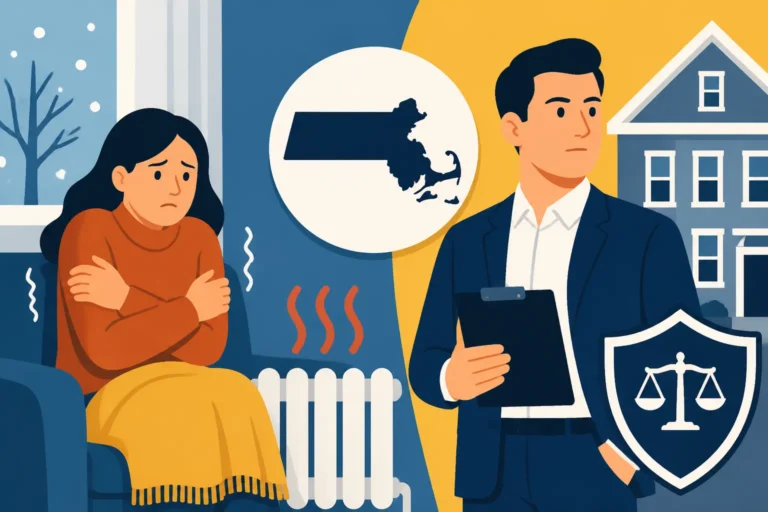
- Massachusetts: Similar to New York, Massachusetts law is quite clear. From September 15th to June 15th, landlords must provide heat sufficient to maintain a minimum temperature of 68 degrees Fahrenheit between 7:00 AM and 11:00 PM, and 64 degrees Fahrenheit between 11:00 PM and 7:00 AM. This applies whenever the outdoor temperature is below 60 degrees Fahrenheit.
- California: California's statewide law on heating is less prescriptive than New York or Massachusetts, largely relying on the implied warranty of habitability. It mandates that a dwelling must have heating facilities that are in good working order. While it doesn't specify a minimum temperature, it implies that the heating must be capable of providing "reasonable heat." Some cities within California, like San Francisco or Berkeley, might have more specific ordinances, often requiring heating capable of maintaining 68-70°F in livable rooms. If your landlord isn't fulfilling their obligations, knowing the specific Landlord Repair Duties & Timelines in California can be incredibly helpful.
- Texas/Florida: In warmer climates, the focus often shifts from minimum heat to ensuring the heating system is merely functional if provided. While the landlord must maintain a safe and habitable environment, and a functional heating system would be part of that if the climate calls for it, there might not be explicit minimum temperature requirements like in colder states. However, if a landlord provides a heater in the lease, it must work.
It's clear that you need to investigate your specific state and local laws. Resources like your state's housing department website or a quick search for "tenant rights [your city/state] heat" can yield precise details.
Here's a quick look at how some states approach minimum heating requirements:
| State/City Example | Minimum Daytime Temp | Minimum Nighttime Temp | Heating Season | Notes |
|---|---|---|---|---|
| New York City | 68°F (if < 55°F out) | 62°F (regardless) | Oct 1 – May 31 | Very strict, specific times |
| Massachusetts | 68°F (if < 60°F out) | 64°F (if < 60°F out) | Sep 15 – Jun 15 | Detailed timeframes |
| Illinois (Chicago) | 68°F (if < 50°F out) | 66°F (if < 50°F out) | Sep 1 – Jun 1 | Applies to specific outdoor temps |
| California (State) | Functional heat | Functional heat | Year-round | No specific temp, relies on habitability; local laws may vary. |
| Oregon | Adequate heat | Adequate heat | Year-round | No specific temp, but must have heating facilities capable of heating to at least 68°F. |
Note: This table provides general information and specific local ordinances can vary. Always check your local laws.
Exceptions and Tenant-Caused Issues
While landlords generally have a duty to provide adequate heat, there are situations where they might not be held responsible, or where the responsibility falls back on the tenant.
For instance, if the heating system is functional, but the tenant constantly leaves windows open in winter, causing the temperature to drop, the landlord wouldn't be at fault for the low temperature. Similarly, if a tenant tampers with the thermostat or damages the heating unit through misuse or negligence, the cost and responsibility for repair would typically fall on them. Lease agreements often specify that tenants are responsible for maintaining the property in a clean and safe manner and for any damage they cause beyond normal wear and tear.
Also, some laws might have exemptions for temporary failures or situations beyond the landlord's control, like a widespread power outage caused by a natural disaster. In such cases, the landlord is usually expected to restore heat within a "reasonable" timeframe once services are available again, but they might not be penalized for the initial lack of heat. However, if a heating system frequently breaks down, even if the landlord fixes it each time, it could indicate a deeper problem with the system's maintenance, which might still point to landlord negligence.
Air Conditioning: A Different Story Entirely
Unlike heating, which is often considered a fundamental aspect of habitability in colder climates, air conditioning (AC) usually falls into a different legal category. The notion of a comfortable indoor temperature is largely subjective, but the risk of severe cold weather impacting health and safety is objectively higher in many parts of the country than extreme heat.
Is AC a Legal Requirement?
In the vast majority of states and cities, a landlord is not legally required to provide air conditioning. This might come as a shock if you live in a sweltering summer climate, but the legal framework simply hasn't caught up to the widespread expectation of AC as a standard amenity. Unless there's a specific local ordinance or the AC is explicitly mentioned as an included appliance or service in your lease agreement, your landlord generally doesn't have a legal duty to install or provide an air conditioning unit.
Think about it this way: for decades, many homes operated without central air, relying on fans or window units. While modern expectations have shifted, the underlying habitability laws primarily address basic necessities for life, not necessarily modern comforts. This distinction is crucial.
When AC Becomes a Landlord's Responsibility
However, the situation changes dramatically if air conditioning is provided, either by the landlord as part of the rental unit or if it's explicitly mentioned in your lease. If your lease states that the unit comes with central air or a window AC unit, then it becomes a feature of your tenancy, and your landlord is obligated to ensure it's in good working order.
For example, if you rent an apartment in Phoenix, Arizona, that comes with a central AC system, and it breaks down in July when temperatures are soaring above 110 degrees Fahrenheit, your landlord must repair it. Failing to do so would be a breach of the lease agreement and could potentially constitute a habitability issue due to extreme heat, even if there's no specific "minimum cool" temperature law. In extremely hot climates, some local courts might interpret prolonged exposure to excessive heat as a threat to health and safety, pushing it into the realm of uninhabitable conditions, especially for vulnerable tenants.
Even without explicit laws, if a landlord advertises a unit with air conditioning, or if it's a built-in feature, they generally have a duty to maintain it. It falls under the umbrella of maintaining all provided appliances and systems in the rental unit. If you're experiencing issues, your landlord should respond to your repair requests. For a full breakdown on what landlords are responsible for, you might want to read our guide on Landlord Repair Responsibilities What They Must Fix.
Tenant-Supplied AC Units and Landlord Rules
If your landlord doesn't provide AC, you might decide to install your own window unit. While you generally have the right to do this, your landlord can still impose certain rules and restrictions. These might include:
- Installation requirements: Landlords can require professional installation to prevent damage to windows or the building structure, or to ensure proper sealing.
- Electrical capacity: They might have rules about the BTU rating or electrical draw of the unit to prevent overloading the building's electrical system, which could pose a fire hazard.
- Aesthetics: Some landlords or homeowner associations (HOAs) might have rules about the appearance of the building's exterior, dictating where window units can be placed or even prohibiting them if they detract from the building's look.
- Fees: In some cases, landlords might charge a small fee for the increased electricity usage, especially if utilities are included in your rent.
Always check your lease or consult with your landlord before installing a personal AC unit to ensure you're not violating any terms that could lead to penalties or even a lease violation.
Navigating Issues: What to Do When Temperature Falls Short
So, you've checked your lease, looked up your local laws, and determined that your landlord is indeed failing to provide the legally mandated temperature. What now? Taking the right steps is crucial to protect your rights and get the issue resolved.
Documenting the Problem Thoroughly
This is arguably the most critical step. Without clear, consistent documentation, it's your word against your landlord's, which rarely ends well for the tenant.
Start by creating a detailed record of the problem. This should include:
- Dates and times: Note every instance the temperature falls below the legal minimum or when the AC fails.
- Temperature readings: Use an accurate thermometer to record the actual temperature inside your unit. Take photos of the thermometer display showing the low temperature, ideally with something in the background to show it's in your apartment.
- Communication records: Keep copies of all emails, text messages, or certified letters you send to your landlord, and their responses. Note down dates and times of phone calls and a summary of the conversation. If you're communicating digitally, platforms like TurboTenant can help landlords and tenants keep a clear record of messages and maintenance requests.
- Evidence of attempts to fix it: If you tried to troubleshoot (e.g., checking circuit breakers, ensuring thermostat is on), note that down.
- Impact on your daily life: Document any physical discomfort, health issues (e.g., severe colds due to lack of heat), or extra expenses (e.g., buying space heaters, temporary lodging) incurred due to the temperature problem.
Having a robust paper trail makes your case much stronger if you need to escalate the issue to housing authorities or even court.
Communicating with Your Landlord
Once you've documented the problem, the next step is to formally notify your landlord in writing. Even if you've already had verbal conversations, a written notice is essential for legal purposes.
- Initial written notice: Send a formal letter (certified mail with a return receipt is best, or email with a read receipt) detailing the issue. State the specific problem (e.g., "The heating system in my apartment at [Address] is not maintaining the legally required minimum temperature of 68 degrees Fahrenheit, as required by [Your City/State] housing code Section [X]"). Include the dates and temperature readings from your documentation. Clearly request that the issue be repaired within a reasonable timeframe, as specified by your local laws. Our guide on How to Request Repairs in Writing offers templates and best practices for this.
- Follow-up if no response: If you don't hear back or if the problem isn't fixed within the legally mandated repair timeframe (which can range from 24 hours for emergencies to 30 days for less urgent repairs, depending on the state and issue), send a follow-up letter referencing your initial notice. Reiterate the problem and your expectation for a prompt resolution.
- Be professional and persistent: Maintain a calm, factual tone in all your communications. Emotional letters, while understandable given the frustration, are less effective in a legal context.
Legal Avenues and Tenant Rights
If your landlord remains unresponsive or fails to resolve the temperature issue after proper notice, you might have to consider further legal action. The options available to you will largely depend on your state and local laws.
- Repair and Deduct: In some states, if a landlord fails to make necessary repairs after proper notice, tenants can "repair and deduct." This means you arrange for the repair yourself (using a licensed professional) and then deduct the cost from your next rent payment. This is a powerful remedy, but it comes with significant risks if not done exactly by the book. It's often limited to essential repairs (which heating usually qualifies as) and might have caps on the amount you can deduct. Be sure to research Repair and Deduct by State to understand the specific rules and limitations where you live.
- Withholding Rent: A more drastic measure, withholding rent, is generally only permissible in very limited circumstances where the landlord has failed to maintain a habitable dwelling, and only after proper notice. In some states, you might be required to place the rent money into an escrow account rather than just not paying it. This demonstrates that you have the funds but are withholding them due to the landlord's breach of the lease. This option is very risky and can lead to eviction if not done correctly, so understanding Withholding Rent for Repairs is crucial, and legal advice is strongly recommended before attempting it.
- Breaking the Lease: If the lack of heat or excessive cold renders the unit truly uninhabitable and the landlord fails to remedy it, you might have grounds to break your lease without penalty. This is a severe step and requires meticulous documentation and often legal consultation to ensure you don't end up liable for future rent. Our guide on Breaking a Lease Due to Mold or Uninhabitable Conditions delves into what constitutes uninhabitable conditions, which often include a severe lack of heat.
- Suing the Landlord: You could pursue legal action in small claims court to recover damages, such as the cost of alternative housing, medical bills due to exposure, or a reduction in rent for the period the unit was uninhabitable.
- Reporting to Housing Authorities: Your city or county likely has a housing department or code enforcement office. You can file a complaint with them. They can inspect your unit, cite the landlord for code violations, and even fine them. This is often the most straightforward and least risky route for tenants.
Remember, always consult with a tenant rights attorney or a local housing counseling service before taking any self-help remedies like repair and deduct or withholding rent. They can advise you on the specific laws in your area and help you navigate the process.
Proactive Steps for Tenants and Landlords
Temperature issues can be a significant source of stress for tenants and a potential liability for landlords. Being proactive and informed can prevent many problems from escalating.
Tenant Due Diligence
As a tenant, you have responsibilities too, and a little foresight can go a long way in ensuring your comfort and protecting your rights.
- Read your lease thoroughly: Before signing, understand what your lease says about heating and cooling. Does it specify minimum temperatures? Does it guarantee AC? Is maintenance of the HVAC system outlined? If you are signing a new lease, this is your prime opportunity to clarify these points.
- Understand state and local laws: Don't rely solely on your lease. Research the specific Security Deposit Laws by State (2026) and habitability laws in your state and city regarding heating and cooling. Knowledge is power.
- Initial documentation at move-in: When you move into a new place, document its condition meticulously. Take photos and videos of the heating and cooling units, windows, insulation, and general condition. If you notice any existing issues, report them to your landlord in writing immediately. Our How to Document Your Apartment at Move-In guide can walk you through this essential process.
- Maintain proper communication: When an issue arises, communicate promptly and in writing. Keep clear records as discussed earlier.
- Use common sense: Close windows and doors when the heat or AC is on. Report unusual noises or leaks from HVAC units immediately. Maintaining a reasonable temperature is a shared responsibility to some extent, even if the primary duty for the system itself lies with the landlord.
Landlord Best Practices
For landlords, providing proper heating and cooling isn't just a legal obligation; it's a way to retain good tenants, avoid costly legal disputes, and protect your investment.
- Regular HVAC maintenance: Schedule annual or bi-annual professional inspections and maintenance of all heating and cooling systems. This prevents breakdowns, improves efficiency, and extends the life of your units. Proper maintenance also reduces the chances of unexpected repair bills. Consider using property management software to track these essential tasks.
- Clear lease clauses: Clearly define heating and cooling responsibilities in your lease agreement. Specify the type of systems provided, tenant responsibilities for filters, and your protocols for repairs. Being transparent upfront can prevent misunderstandings later.
- Prompt response to issues: When a tenant reports a problem, respond quickly, even if it's just to acknowledge receipt of the message and provide an estimated timeline. Delays can escalate frustration and potential legal action. Many landlords use tools like Steadily for managing their properties or related insurance needs, which can help streamline communication and maintenance tracking.
- Be aware of local nuances: Stay informed about any changes to state or local heating/cooling ordinances, especially in areas with rent control or tenant protections. Compliance is key.
Understanding Insurance and Liability
When temperatures go awry, sometimes there's more at stake than just discomfort; property damage or health issues can arise. Understanding insurance roles is important.
- Tenant's Renter's Insurance: Your renter's insurance (like a policy from Lemonade) protects your personal belongings in case of damage from issues like burst pipes due to lack of heat, or even certain types of water damage from AC leaks. It generally won't cover negligence on the landlord's part directly, but it provides a safety net for your possessions. It's a critical investment for any renter.
- Landlord's Property Insurance: A landlord's insurance policy covers the physical structure of the building and their own property. If a heating unit malfunctions and causes a fire, or pipes burst due to freezing, their policy would typically cover the cost of repairs to the building. It also usually covers their liability if a tenant is injured due to a hazardous condition on the property.
While your renter's insurance can help you recover financially if your belongings are damaged by a temperature-related issue, it doesn't absolve the landlord of their duty to maintain a habitable property. If a landlord's negligence leads to damage, they could still be held liable. For more on how disputes around damages might play out, you might want to review our guide on Tenant Rights If Landlord Won't Return Deposit, as similar principles of accountability often apply.
Disclaimer
This article is for general informational purposes only and does not constitute professional advice. Laws and regulations vary by location and change over time. Consult a qualified professional for guidance on your specific situation.