Can I Move Out if My Apartment Is Unsafe?
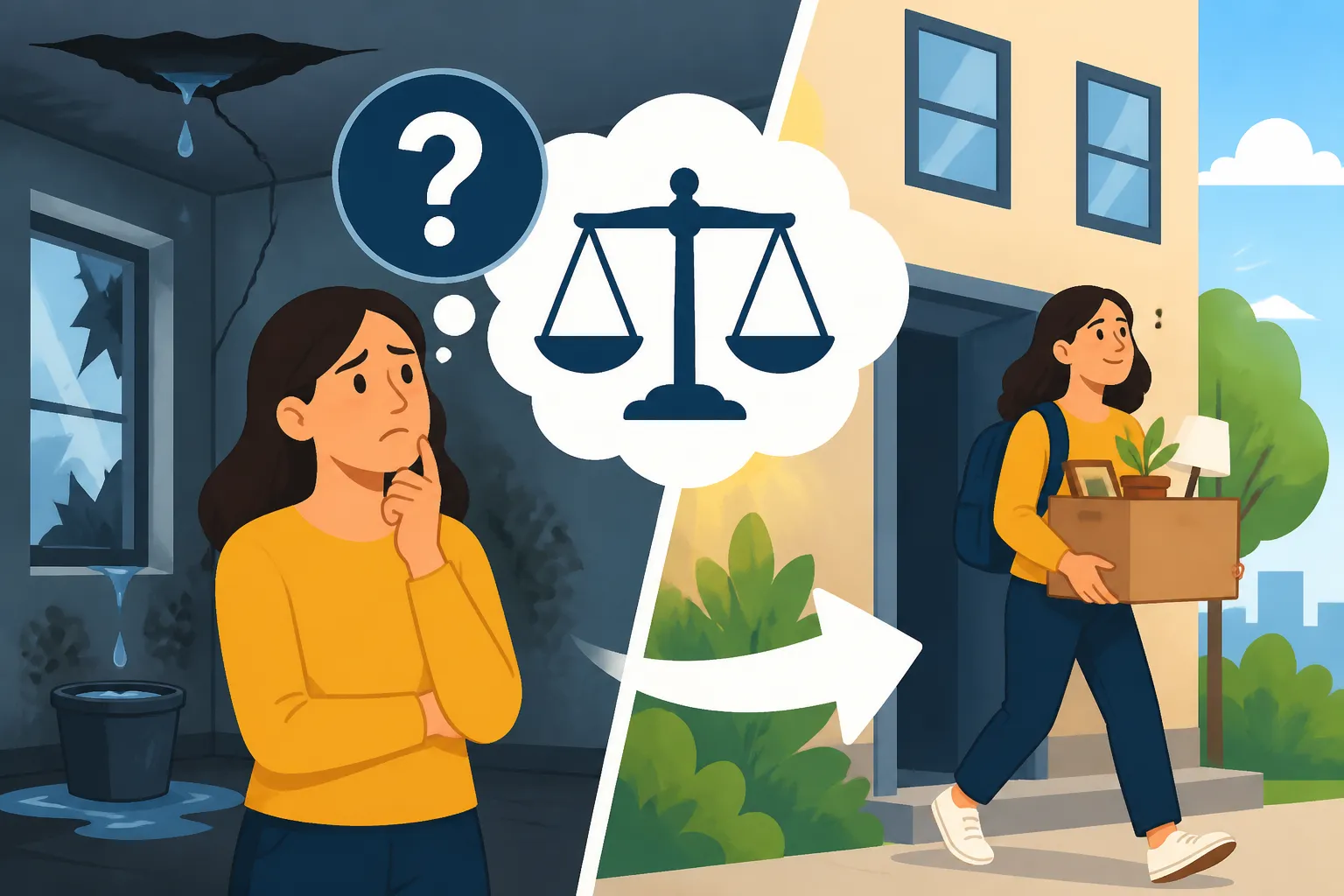
It's an incredibly frustrating and scary situation when the place you call home, your supposed sanctuary, suddenly feels anything but safe. You pay your hard-earned money each month, expecting a basic level of habitability, and then you're faced with conditions that make you question not just your comfort, but your well-being. Knowing whether you can actually pack up and leave without facing severe legal and financial repercussions can feel like navigating a minefield. This guide is here to walk you through the complex landscape of tenant rights, helping you understand when an apartment is legally considered unsafe, what steps you can take, and how to protect yourself if you decide to move out.
Understanding "Unsafe": When Conditions Justify Moving Out
When you rent an apartment, there's an unspoken promise, legally known as the "implied warranty of habitability." This isn't usually written into your lease, but it's a fundamental principle of landlord-tenant law across almost all states. It basically means your landlord is legally obligated to provide and maintain a safe, sanitary, and livable dwelling. If your apartment falls short of this standard, to the point where it becomes genuinely unsafe or unhealthy, you might have grounds to move out without penalty.
The challenge, of course, is defining "unsafe." It's not just about a leaky faucet or a noisy neighbor. We're talking about serious issues that directly threaten your health or safety. Think about the basic necessities of life: shelter, warmth, clean water, and a structurally sound environment. When these are compromised, the apartment may be deemed uninhabitable.
What Constitutes an Uninhabitable Condition?
It's easy to feel like your apartment is uninhabitable when you're dealing with constant hassles, but the law has a more specific definition. Generally, an uninhabitable condition is one that severely impacts a tenant's health, safety, or reasonable enjoyment of the rental property. This isn't just about minor inconveniences; it's about fundamental breakdowns in what a dwelling needs to provide.
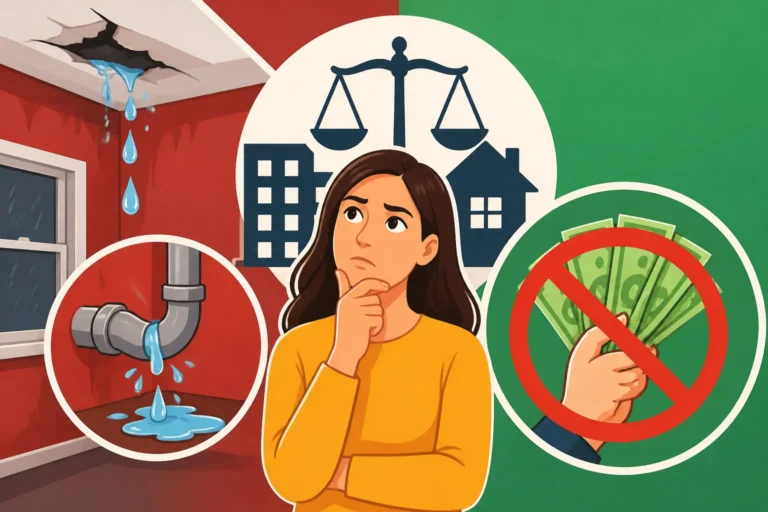
For example, a complete lack of essential utilities like heat in winter, especially in colder climates like Chicago or Boston, would certainly qualify. Imagine waking up to frost on your windows inside the apartment – that's a clear violation of habitability. Similarly, no running water, a severely leaking roof that causes extensive water damage and mold growth, or a pest infestation that's out of control and poses health risks (like rats or roaches in the kitchen) are often considered grounds for an apartment being uninhabitable. Structural dangers, such as collapsing ceilings, faulty wiring that creates fire hazards, or severe structural instability, also fall into this category.
Even seemingly less urgent issues can cross the line. For instance, a persistent problem with raw sewage backups or a lack of functioning plumbing can quickly make an apartment unsanitary and unsafe. The key is that the condition must be significant enough that it affects your ability to live there safely and healthily, rather than just being an annoyance. To understand more about what specific conditions qualify, you might want to delve into our detailed guide on What Makes an Apartment Legally Uninhabitable?.
Differentiating Between Minor Issues and Major Hazards
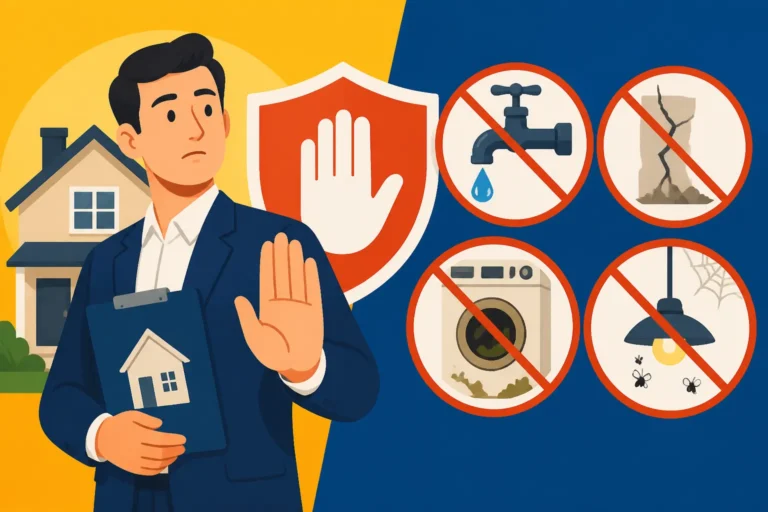
It's crucial to distinguish between what might be an inconvenience and what is genuinely an unsafe condition. Your landlord is responsible for maintaining the property, but they aren't expected to fix every tiny cosmetic flaw or address every minor complaint immediately. A chipped paint job, a loose doorknob, or even a flickering light bulb, while annoying, generally won't be enough to legally justify breaking your lease and moving out.
However, if that flickering light is due to exposed, sparking wires, or if that chipped paint is peeling off due to persistent, untreated water damage leading to black mold, then the situation escalates dramatically. The difference often lies in the potential harm the condition poses. A small crack in a window is a repair issue; a shattered window in winter that can't be secured is a safety and habitability issue.
Many state laws will have specific guidelines about what landlords must provide. For example, some states explicitly require landlords to ensure all electrical, plumbing, heating, ventilation, and air conditioning systems are in good working order. If these systems fail in a significant way, it could be a habitability issue. For instance, if your landlord won't fix AC in the scorching Arizona summer, that could become a health hazard, particularly for vulnerable individuals. Conversely, if your air conditioning breaks in Seattle during a mild spring, while inconvenient, it might not be deemed an unsafe condition warranting immediate lease termination. The context, severity, and potential impact on health and safety are paramount.
Your Rights and Legal Recourse When Your Apartment Becomes Uninhabitable
Feeling trapped in an unsafe living situation is incredibly stressful. The good news is that tenant laws are generally designed to protect you in these circumstances. You have rights, and understanding them is the first step toward reclaiming your peace of mind and, if necessary, moving out.
The Implied Warranty of Habitability and Its Importance
As mentioned, the implied warranty of habitability is your best friend when dealing with unsafe conditions. It's an unwritten agreement that comes with every residential lease, stating that the rental property is fit for human occupation. This means it must be structurally sound, weather-tight, and have functioning utilities like heat, water, and electricity, free from serious hazards like rampant mold or pests.
When a landlord breaches this warranty, they are essentially failing to uphold their end of the bargain, even if it's not explicitly written in your lease. This breach can provide you with several legal remedies, including the right to move out, sometimes referred to as "constructive eviction." This occurs when the landlord doesn't literally evict you, but their failure to maintain a habitable environment forces you to leave. For a deeper dive, check out our article on Constructive Eviction Explained. It’s important to note that you can’t just abandon the property; there’s a proper legal process you must follow to protect yourself.
Documenting Issues and Notifying Your Landlord
This is perhaps the most critical step you can take: document, document, document! Every interaction, every problem, needs to be recorded meticulously. This is your evidence if you need to take legal action later.
Start by taking clear, timestamped photos and videos of every problematic area. If there's mold, photograph its extent. If there's a leak, show the water damage and where it's coming from. If the heat is out, take a video showing the thermostat reading and perhaps a local news report showing outdoor temperatures. Keep a log of dates and times when issues occurred, when you noticed them, and any related health impacts on you or your family.
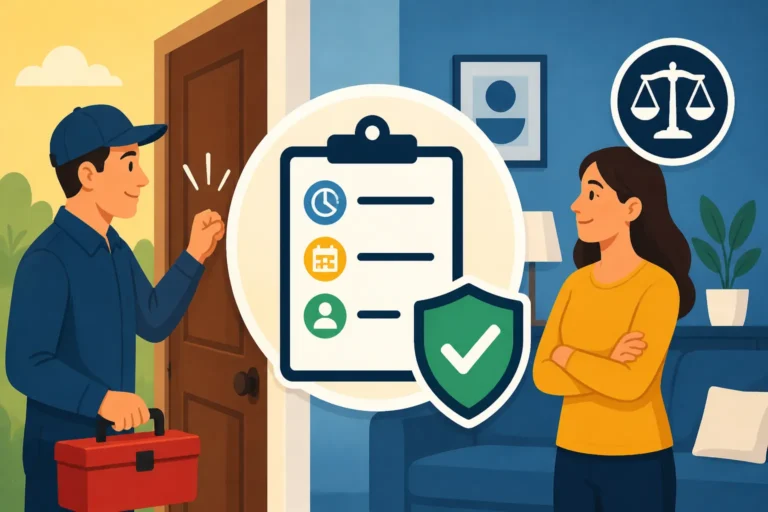
Next, you must notify your landlord in writing about the unsafe conditions. Do not rely solely on phone calls or verbal conversations. Send a formal letter, email, or even a certified letter with a return receipt requested. This creates an official paper trail. Clearly describe the problems, state that they make the apartment uninhabitable, and demand that repairs be made within a reasonable timeframe, as stipulated by your state's laws (for instance, 24-72 hours for emergencies like no heat or water, or 7-30 days for less urgent but still critical issues). Our guide on How to Request Repairs in Writing provides excellent templates and advice for this.
Example Scenario:
Let's say you live in an apartment in Portland, Oregon, and the heating system completely fails in the middle of winter. You call your landlord, but they don't respond. You then send a certified letter explicitly stating that the heat is out, describing the indoor temperature, and referencing your state's habitability laws regarding heating. You include photos of your thermometer showing 45 degrees Fahrenheit indoors. You state that if repairs aren't made within 24-48 hours, you will consider the lease breached and seek alternative housing. This creates a strong case that you properly notified your landlord and gave them a chance to rectify the situation.
Some states might even require you to report the issue to local housing authorities or building inspectors if your landlord is unresponsive. These official reports can serve as powerful evidence that the conditions are indeed unsafe and that your landlord has failed in their duty.
Understanding State-Specific Repair Timelines
The term "reasonable timeframe" for repairs isn't always clear-cut and varies significantly by state and the nature of the repair. What's considered an emergency in California might have a different timeline than in New York.
Generally, emergency repairs that affect your immediate health and safety (like no heat, no water, or a severe electrical hazard) usually require much faster action, often within 24 to 72 hours. Non-emergency but still critical repairs, like a leaky roof or a major appliance breakdown, might give the landlord 7 to 30 days. It's vital to research your specific state's laws regarding landlord repair responsibilities and deadlines. For comprehensive information, our resource on How Long Does a Landlord Have to Make Repairs? (By State) can be incredibly helpful.
Table: Typical Repair Timelines and Actions
| Type of Repair | Example | Typical Landlord Response Time | Tenant Action if Unresponsive |
|---|---|---|---|
| Emergency | No heat in winter, no hot water, severe plumbing leak, electrical fire hazard, major structural damage | 24 – 72 hours | Withholding rent (in escrow), repair and deduct (if allowed), legal action, breaking lease |
| Urgent | Moderate roof leak, pest infestation, broken essential appliance (fridge/oven), non-functional toilet (if only one) | 7 – 14 days | Withholding rent (in escrow), repair and deduct (if allowed), legal action, breaking lease |
| Non-Urgent | Minor cosmetic issues, dripping faucet, non-essential appliance breakdown, minor wall crack | 14 – 30 days (or as specified in lease) | Repeated written notices, follow-up, minor claim for damages (less likely to justify breaking lease) |
Note: These are general guidelines. Always consult your specific state and local laws.
If your landlord fails to act within the legally mandated timeframe after proper written notification, you may then have grounds to pursue remedies, including moving out.
Taking Action: The Steps to Legally Move Out of an Unsafe Rental
Deciding to move out of an unsafe apartment isn't a snap decision; it's a process that requires careful thought and strategic action to protect your legal and financial standing. You can't just up and leave, hoping for the best. There’s a specific sequence of steps that can make all the difference in whether you face penalties or emerge unscathed.
Providing Proper Notice of Termination
Once you've exhausted all avenues for getting your landlord to make the necessary repairs and they've failed to do so within the legally mandated timeframe, the next step is to provide formal written notice of your intention to terminate the lease. This isn't just a casual email; it needs to be a clear, unambiguous statement that you are vacating the premises due to the landlord's breach of the implied warranty of habitability.
Your notice should reference all previous communications you sent regarding the unsafe conditions, reiterate that the issues remain unresolved, and explicitly state the specific date you intend to move out. This date should typically provide the landlord with a reasonable notice period (often 7 to 30 days, depending on state law and the severity of the issue), even though you are breaking the lease due to their non-compliance. Sending this via certified mail with a return receipt is highly recommended to prove they received it. This formal step helps solidify your legal position, demonstrating that you followed due process.
Considering "Repair and Deduct" or Rent Withholding Options
Before moving out, some tenants explore alternatives like "repair and deduct" or rent withholding. These options allow you to either make the repairs yourself (or hire someone) and deduct the cost from your next rent payment, or place your rent money into an escrow account until the landlord makes the repairs.
However, these options come with significant risks and strict requirements. For "repair and deduct," there are often caps on how much you can spend, and you must follow precise notification and documentation rules. If you withhold rent, you typically need to place the money into an escrow account (not just keep it for yourself) and provide specific notice. Failing to follow these procedures exactly can lead to your landlord initiating an eviction for nonpayment of rent, even if the conditions are genuinely bad. Our guides on Repair and Deduct by State and Withholding Rent for Repairs offer detailed explanations on how to navigate these complex waters legally.
In many cases of truly unsafe conditions, the "repair and deduct" option might not be feasible if the repairs are extensive, costly, or require professional expertise beyond a tenant's capacity, such as structural issues or severe electrical problems. In such scenarios, if the landlord remains unresponsive, moving out might be the most practical and safest course of action.
What if the Landlord Refuses to Return Your Security Deposit?
This is a common and often frustrating issue when moving out due to unsafe conditions. Even if you've done everything right, some landlords will attempt to keep your security deposit, claiming you broke the lease or caused damage. This is where your meticulous documentation comes into play.
After you move out, make sure to thoroughly document the condition of the apartment, just as you did before with the unsafe conditions. Take photos and videos of the entire apartment, demonstrating its clean and undamaged state (apart from the pre-existing unsafe issues and normal wear and tear). This helps counteract any false claims of damage. You'll want to review your state's specific laws on Security Deposit Laws by State (2026) to understand the deadlines for return and permissible deductions.
If your landlord still refuses to return your deposit or makes improper deductions, you'll need to send a formal Security Deposit Demand Letter (How-To + Template). This letter reiterates your right to the deposit and may threaten legal action. If they still don't comply, your next step might be suing them in small claims court. Depending on your state, you might even be entitled to double or treble damages if the landlord's withholding was found to be malicious or in bad faith. Our comprehensive guide on Tenant Rights If Landlord Won't Return Deposit offers vital information on this process. This is a situation where having legal advice or using resources like those found on TurboTenant can be beneficial for understanding your rights and drafting professional communications.
Protecting Your Future: After You've Left an Unsafe Home
Moving out of an unsafe apartment is a huge step, but the journey doesn't necessarily end when you turn in the keys. You need to be proactive to protect your legal and financial future, ensuring this difficult experience doesn't negatively impact your ability to find a new home.
Avoiding Retaliation and Negative Rental History
One of the biggest fears tenants have is that their former landlord will retaliate by giving them a bad reference or reporting false information to tenant screening agencies. While landlord retaliation is illegal, it can still happen. The best defense is a good offense: your paper trail.
Keep copies of all your documentation: communication with the landlord, photos, videos, repair requests, and your notice to vacate. If a prospective new landlord asks for a reference, you can proactively explain the situation, backed by your evidence. If you believe your former landlord is providing false information, you may need to send them a cease and desist letter or, if it persists, consider legal action. Knowing your rights regarding Retaliatory Eviction Defense (which applies more broadly to retaliatory actions, not just evictions) can be helpful.
When looking for a new place, being upfront and honest about why you left your previous rental, and providing your well-organized documentation, can go a long way in building trust with a new potential landlord. You might even consider having a copy of your court documents or housing authority reports ready, if it came to that.
Finding a New, Safe Place to Live
Once you've navigated the complexities of leaving an unsafe situation, your next priority is finding a new home that truly feels safe and comfortable. This is an opportunity to be even more vigilant in your search.
When viewing new properties, don't be afraid to ask detailed questions about maintenance protocols, emergency response times, and pest control history. Inspect the property thoroughly, not just for aesthetic appeal, but for signs of water damage, mold, structural issues, or pests. Pay attention to common areas and building exteriors. Talk to current tenants if possible; their insights can be invaluable. Tools like TurboTenant can assist in streamlining your search for new rentals and help you find landlords that utilize professional property management, which often translates to better maintenance.
Consider tenant reviews of apartment complexes or individual landlords. While not always perfect, these reviews can offer insights into how responsive a landlord is to maintenance requests or how well a property is managed.
Reviewing and Updating Renter's Insurance
Before moving into any new rental, or even as you plan your exit from an unsafe one, it's a great time to review your renter's insurance policy. While renter's insurance doesn't cover the structural integrity of the building (that's the landlord's property insurance), it does protect your personal belongings from damage or theft.
In an unsafe living situation, especially if there were issues like leaks, fires due to faulty wiring, or infestations, your personal property could have been at risk. Ensure your new policy offers adequate coverage for your possessions. Some policies also include liability coverage, which can protect you if someone is injured in your apartment. Companies like Lemonade and Steadily offer straightforward renter's insurance policies that are easy to understand and often affordable. It’s a small investment that can provide significant peace of mind, knowing your personal assets are protected no matter what unforeseen issues arise in your new home. Don't forget to check if your policy covers temporary living expenses if a future issue makes your new apartment uninhabitable for a short period.
Disclaimer
Please remember that this guide provides general information about landlord-tenant law and should not be considered legal advice. Landlord-tenant laws vary significantly by state and even by local jurisdiction. It is always recommended to consult with a qualified attorney or local housing authority for advice specific to your situation.