How Long Does a Landlord Have to Fix a Water Leak?
Finding a sudden water leak in your apartment can feel like a punch to the gut. One minute everything's fine, and the next, you're scrambling with towels, buckets, and a rising panic, wondering if your landlord will actually do anything about it. It’s not just about the immediate mess; it’s about the potential for ruined belongings, property damage, and even health hazards like mold. This guide is here to walk you through exactly how quickly your landlord is legally obligated to address a water leak, what steps you need to take, and what your options are if they drag their feet.
Understanding What Constitutes a Water Leak Emergency
Not all water leaks are created equal, and the urgency of a landlord's response often depends on the severity and potential impact of the leak. It's crucial for tenants to understand this distinction, not just for their own safety and property protection, but also for communicating effectively with their landlord and understanding their rights.
Differentiating Minor Drips from Major Disasters
Imagine a slow, steady drip from your kitchen faucet. Annoying, certainly, and it wastes water, but it's probably not going to flood your apartment overnight or cause immediate structural damage. This would typically be considered a minor, non-emergency leak. It still needs to be fixed, of course, but the timeline for repair might be longer than for something more serious. Your landlord still has a responsibility to address it as part of their general maintenance obligations, usually within a "reasonable" timeframe.
Now, picture a burst pipe behind a wall, a ceiling actively dripping large amounts of water, or a toilet continuously overflowing. These are unequivocally major disasters. Such leaks can quickly cause extensive damage to flooring, walls, ceilings, and your personal possessions. They can also create hazardous conditions, like electrical shorts if water reaches outlets or appliances, or create an immediate breeding ground for dangerous mold. A severe water leak that threatens the habitability of your living space or poses immediate health and safety risks falls squarely into the emergency category.
The Immediate Risks Posed by Water Leaks
The dangers of water leaks extend far beyond a soggy carpet. When water infiltrates a building structure, it can lead to significant and costly problems. For starters, it compromises the structural integrity of walls, floors, and ceilings, potentially leading to expensive repairs down the line. Wood can warp, plaster can crack, and drywall can crumble, making the living space unsafe.
Beyond structural concerns, standing water and prolonged dampness are perfect conditions for mold and mildew growth. Mold isn't just unsightly; certain types can cause serious respiratory issues, allergic reactions, and other health problems, especially for sensitive individuals. Electrical hazards are another terrifying risk. Water near electrical outlets, wiring, or appliances can cause short circuits, power outages, or even lead to fires or electrocution. Finally, let's not forget your personal property. Furniture, electronics, cherished photos, and important documents can be completely ruined by water, leading to significant financial loss and emotional distress. This is why addressing a leak quickly isn't just a courtesy; it's often a necessity for safety and health.
Legal Timelines for Landlord Repairs by State
The burning question on every tenant's mind when facing a water leak is, "How long does my landlord really have to fix this?" The answer, as with many aspects of landlord-tenant law, isn't always a simple number. It often depends on the severity of the leak and the specific laws in your state.
General "Reasonable Time" Expectations
Most state laws don't set an exact hourly deadline for landlords to fix every single repair. Instead, they often use the term "reasonable time." What constitutes "reasonable" can be a bit nebulous, but generally, it differentiates between emergencies and non-emergencies. For an emergency like an active, major water leak that compromises safety or habitability (think a burst pipe, severe flooding, or a leak threatening electrical systems), "reasonable time" usually means within 24 to 72 hours, sometimes even less. The expectation is that the landlord will act with extreme urgency to mitigate the immediate danger and prevent further damage.
For non-emergency leaks, such as a slow drip from a faucet or a minor leak under a sink that isn't causing immediate damage, the "reasonable time" might extend to 7 to 30 days. This allows the landlord time to schedule a plumber, order parts, or coordinate with other necessary contractors without the same level of immediate pressure. However, even for minor issues, continuous neglect can eventually lead to larger problems and could be considered a breach of the landlord's duty to maintain a habitable property if not addressed in a timely manner. The implied warranty of habitability requires landlords to keep the rental unit safe and fit for living. You can learn more about specific landlord repair responsibilities.
Specific State Laws and Emergency Repair Deadlines
While "reasonable time" is a common guideline, some states provide more specific timelines, especially for emergency repairs that affect essential services or habitability. These laws aim to protect tenants from living in unsafe or unhealthy conditions due to landlord inaction. It's always best to check the specific tenant laws for your state or city, as they can vary significantly.
Let's look at a few examples:
- California: For conditions that make the property "uninhabitable" (which certainly includes a major water leak), landlords typically have 24 hours to address the problem if it's an emergency, or a maximum of 30 days for less urgent repairs. If the landlord fails to act within a reasonable timeframe after proper written notice, tenants may have options like the "repair and deduct" remedy or the right to vacate the premises.
- Texas: Texas law also uses a "reasonable time" standard. For conditions that materially affect the physical health or safety of an ordinary tenant, a landlord is generally expected to make repairs within seven days after receiving written notice. A severe water leak would almost certainly fall under this category.
- New York: New York's Warranty of Habitability requires landlords to keep premises fit for human habitation and free from conditions dangerous to life, health, or safety. While no specific repair deadlines are set in state law, courts generally interpret this to mean landlords must make emergency repairs within 24-72 hours. New York City, in particular, has stricter housing codes and agencies like HPD that can issue violations and expedite repairs.
- Florida: Florida statutes generally state that landlords must make repairs within seven days after receiving written notice for issues affecting the health or safety of the tenant. For major leaks that could lead to mold or structural damage, this seven-day period would certainly apply.
Understanding these specific state rules is crucial. For instance, if you live in Seattle, Washington, you might find local ordinances that augment state laws, offering even stronger tenant protections or specific timelines for urgent repairs. This can give you a clear understanding of your options, like potentially being able to withhold rent for repairs, but this is a step that should only be taken after careful consideration and often legal advice.
Here’s a quick overview of typical response times for emergency water leaks in a few states, assuming proper notification has been given:
| State | Emergency Repair Timeline (Typical) | Non-Emergency Repair Timeline (Typical) | Key Tenant Remedy for Non-Compliance |
|---|---|---|---|
| California | 24-72 hours | Up to 30 days | Repair and Deduct, Vacate |
| Texas | 24-72 hours (or within 7 days) | Within 7 days | Repair and Deduct, Terminate Lease |
| New York | 24-72 hours | "Reasonable Time" (often 14-30 days) | Rent Escrow, Court Action |
| Florida | 24-72 hours (or within 7 days) | Within 7 days | Repair and Deduct, Terminate Lease |
| Illinois | 24-72 hours | "Reasonable Time" (often 14 days) | Repair and Deduct, Withhold Rent (escrow) |
Note: These are general guidelines. Specific situations, local ordinances, and lease agreements can influence these timelines.
For more in-depth information, you can always refer to specific state guides like how long a landlord has to make repairs by state.
Steps Tenants Should Take When a Water Leak Occurs
Discovering a water leak can be stressful, but taking the right steps immediately can prevent further damage and strengthen your position if your landlord is slow to respond. Documentation and clear communication are your best friends here.
Immediate Actions to Mitigate Damage and Ensure Safety
When you first notice a water leak, your priority should be safety and minimizing damage. Don't just stand there staring at it in horror!
First, if the leak is severe and you can locate the main water shut-off valve for your unit (often under a sink, near the water heater, or outside your unit), turn it off immediately. This will stop the flow of water and prevent the situation from worsening. If the leak is near electrical outlets or fixtures, it's wise to trip the circuit breaker for that area to avoid any electrical hazards. Your safety comes first, always.
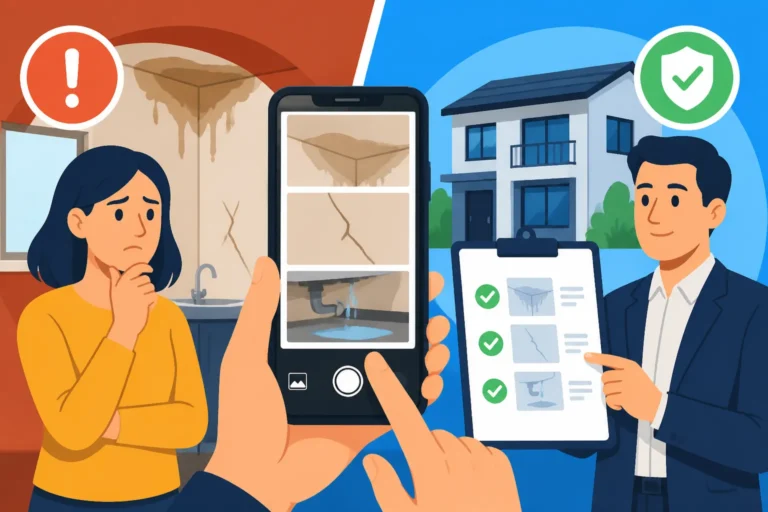
Next, start documenting everything. Grab your phone and take photos and videos of the leak itself, any damaged property, and the extent of the water. Make sure to capture the date and time. This visual evidence will be invaluable later if there's a dispute over damage or landlord negligence. Move any valuable or easily damaged personal belongings away from the leak and elevated off the floor. Use buckets, towels, or whatever you have on hand to catch dripping water and absorb puddles. While these are temporary measures, they show you took reasonable steps to mitigate the issue on your end. Remember, your personal property isn't always covered by your landlord's insurance. This is where a good renter's insurance policy, like those offered by Lemonade, can really come in handy, protecting your belongings from unexpected water damage.
Formal Communication and Follow-Up with Your Landlord
After you’ve taken immediate steps to protect yourself and your property, the very next thing you need to do is notify your landlord or property manager. And this is critical: always do it in writing. While an immediate phone call or text might be your first instinct, always follow up with a formal written notice, whether it’s an email, an online portal message, or a certified letter. This creates a paper trail, proving when and how you informed them.
Your written notice should include:
- Date and Time: When you discovered the leak and when you sent the notice.
- Detailed Description: Exactly what happened, where the leak is located, and its severity. Don't hold back on details.
- Photos/Videos: Attach the visual evidence you collected.
- Request for Immediate Repair: Clearly state that this is an urgent matter requiring prompt attention.
- Proposed Timeline: If your state has specific repair deadlines for emergencies, politely remind them of this (e.g., "As per [Your State] landlord-tenant law, I request that this emergency be addressed within 24-72 hours.").
Keep copies of all correspondence. If you send an email, save it. If you use a landlord portal, take screenshots. If you send a letter, use certified mail with a return receipt requested. This meticulous documentation is your best defense if you ever need to escalate the issue. For landlords, using a platform like TurboTenant can streamline the process of receiving and responding to tenant repair requests, making it easier for them to track communication and fulfill their obligations promptly.
What to Do If Your Landlord Is Unresponsive or Delays Repairs
Unfortunately, not all landlords are as responsive as they should be, even with serious issues like water leaks. If your landlord fails to address the leak within a legally reasonable timeframe after you've provided proper written notice, you have several avenues to explore, but proceed with caution and consider seeking legal advice.
One common remedy in many states is the "repair and deduct" option. This allows tenants, under very specific circumstances, to arrange for the repair themselves and deduct the cost from their next rent payment. However, this is a risky maneuver and usually requires strict adherence to state laws regarding prior notice, reasonable cost, and the nature of the repair. For example, in some states like California, you can only use "repair and deduct" for issues that make the unit uninhabitable, and only for up to one month's rent. Missteps can lead to an eviction notice for non-payment of rent. Always consult a lawyer or tenant's rights organization before attempting this. You can read more about repair and deduct by state.
Another option, though equally serious, is to withhold rent. This is rarely advisable without placing the rent money into an escrow account, showing a court that you have the funds but are withholding them due to the landlord's breach of the lease. Many states allow tenants to place rent in an escrow account, ensuring the landlord gets paid once repairs are made, while also protecting the tenant from eviction for non-payment. This mechanism varies significantly by location; understanding your state's laws on withholding rent for repairs is critical.
If the issue is truly egregious and renders your unit uninhabitable, you might have grounds for constructive eviction, allowing you to break your lease without penalty. However, proving constructive eviction in court can be challenging.
Finally, you can contact your local housing authority or code enforcement office. They can inspect the property, cite the landlord for code violations, and potentially order them to make repairs within a certain timeframe. This can often be a very effective way to compel an unresponsive landlord. Filing a complaint against a landlord for code violations is a tenant right you should be aware of.
Remember, landlords also have their own tools for managing properties, and services like Steadily offer insurance products that protect them from property damage. While this is primarily for landlords, it underscores the importance of addressing leaks promptly to prevent costly claims.
Proactive Measures and Prevention
While you can't prevent every potential leak, there are definitely steps you can take as a tenant to minimize risks, ensure you're protected, and streamline the repair process if a leak does occur. A little foresight can save a lot of heartache (and water).
Tenant Responsibilities in Preventing Leaks
As a tenant, you also play a role in maintaining your living space and preventing small issues from becoming big problems. This isn't just about being a "good tenant"; it's about protecting your own comfort and property.
One of the most important things you can do is to report any minor issue promptly. Don't wait for that slow drip under the kitchen sink to turn into a full-blown flood. The sooner your landlord is aware of a potential problem, the easier and cheaper it often is to fix. Pay attention to changes: a sudden drop in water pressure, unusual sounds from pipes, or persistent condensation can all be early warning signs.
Beyond reporting, take care of your plumbing. Avoid pouring grease down drains, use drain covers to catch hair and food particles, and don't flush anything other than toilet paper. Be mindful of what you're doing around exposed pipes, particularly in laundry rooms or under sinks, to avoid accidental damage. If your unit has a washing machine, ensure the hoses are in good condition and properly connected. These simple habits can significantly reduce the chances of tenant-caused leaks or exacerbating existing issues.
Importance of Renter's Insurance
Many tenants overlook renter's insurance, thinking it's an unnecessary expense. This couldn't be further from the truth, especially when considering the devastating effects of water damage. Your landlord's property insurance (like what Steadily provides to landlords) covers their building, but it absolutely does not cover your personal belongings. If a burst pipe floods your apartment and ruins your furniture, electronics, and clothing, without renter's insurance, you're out of luck and out of pocket.
Renter's insurance, offered by companies like Lemonade, typically covers your personal property against various perils, including sudden and accidental water damage (from internal sources like burst pipes, not usually from floods originating outside the building). It also often includes liability coverage, protecting you if you accidentally cause damage to the property or someone else's belongings, and can provide additional living expenses if your apartment becomes uninhabitable due to a covered event, like a major water leak forcing you to stay in a hotel. For a relatively low monthly premium, renter's insurance provides an invaluable safety net against unforeseen disasters.
Documenting Property Condition at Move-In
This cannot be stressed enough: thoroughly document the condition of your rental unit before you move in. This is your best defense against potential disputes over damages, especially water-related ones. When you move in, perform a detailed inspection. Take extensive photos and videos of every room, including inside cabinets, under sinks, around appliances, and the condition of walls, floors, and ceilings. Pay close attention to any existing water stains, signs of past leaks, or issues with plumbing fixtures.
Many landlords provide a move-in checklist. Fill it out meticulously, noting every scratch, dent, or pre-existing problem. If your landlord doesn't provide one, create your own and send a copy to them, keeping one for your records. This documentation proves the condition of the property when you took possession, preventing your landlord from potentially blaming you or deducting from your security deposit for damage that was already there. An in-depth move-in / move-out inspection guide can provide even more detail on how to protect yourself. It's a small investment of time at the beginning that can save you significant money and stress at the end of your tenancy.
Disclaimer
Please remember, this guide provides general information and is not a substitute for legal advice. Landlord-tenant laws vary significantly by state and local jurisdiction. For specific legal guidance regarding your situation, always consult with a qualified attorney or a tenant's rights organization.