Is My Landlord Responsible for No Heat?
Finding yourself in a cold apartment with a broken furnace or no heat during the chilly months is not just uncomfortable, it's a serious health and safety concern that no tenant should have to endure. It's a frustrating, often urgent situation that leaves you wondering about your rights and what your landlord is legally obligated to do. This comprehensive guide will walk you through everything you need to know about your landlord's responsibility for providing heat, what steps you can take, and how to protect yourself when the temperatures drop inside your home.
Understanding the Implied Warranty of Habitability and Heat
At the heart of nearly all landlord-tenant relationships is a fundamental legal principle known as the "implied warranty of habitability." This isn't usually something explicitly written into your lease, but it's an unspoken promise that your rental unit will be safe and livable. Essentially, it means your landlord must maintain the property in a condition that is fit for human habitation, and that includes providing essential services like heat, especially during colder seasons.
This warranty isn't just about comfort; it's about protecting tenants from conditions that could pose a risk to their health, safety, or well-being. Imagine trying to live in a freezing apartment in the dead of winter in a city like Chicago or Boston – it's not just unpleasant, it can lead to burst pipes, illness, and even dangerous situations for vulnerable residents like the elderly or young children. So, when your heat goes out, it's not just a minor inconvenience; it's often a breach of this fundamental warranty. Understanding this concept is the first step in knowing your rights when your landlord doesn't provide adequate heating. You can delve deeper into what this means by reading our guide on the Implied Warranty of Habitability Explained.
What Constitutes "No Heat" in a Rental?
It might seem obvious, but "no heat" isn't always about a completely dead furnace. While a total lack of heating is definitely a problem, the issue can also be more nuanced. For example, if your heating system is constantly breaking down, providing only lukewarm air, or simply not reaching a reasonable temperature, that can also be considered a violation of habitability standards.
Most states and municipalities have specific regulations outlining minimum temperature requirements for rental units during certain times of the year. For instance, in many parts of New York, landlords are legally required to provide heat to ensure the interior temperature reaches at least 68 degrees Fahrenheit during the day when the outside temperature falls below 55 degrees, and 62 degrees Fahrenheit at night. Similarly, in places like Baltimore, Maryland, residential rental properties must maintain a minimum temperature of 65 degrees Fahrenheit. It’s not about keeping the place tropical, but ensuring it's genuinely warm enough to live in without resorting to unhealthy or dangerous measures like using an oven for heat. If your apartment feels consistently cold and falls below these local thresholds, even if some warm air is technically coming out of the vents, it's still a "no heat" situation that needs addressing.
Landlord's General Responsibilities for Heating
Your landlord's primary responsibility is to ensure the heating system in your rental unit is in good working order and capable of providing adequate heat throughout your tenancy, particularly during cold weather. This includes everything from routine maintenance to emergency repairs. They can't just install a cheap, inefficient heater and call it a day, nor can they ignore a breakdown simply because it’s an expensive fix.
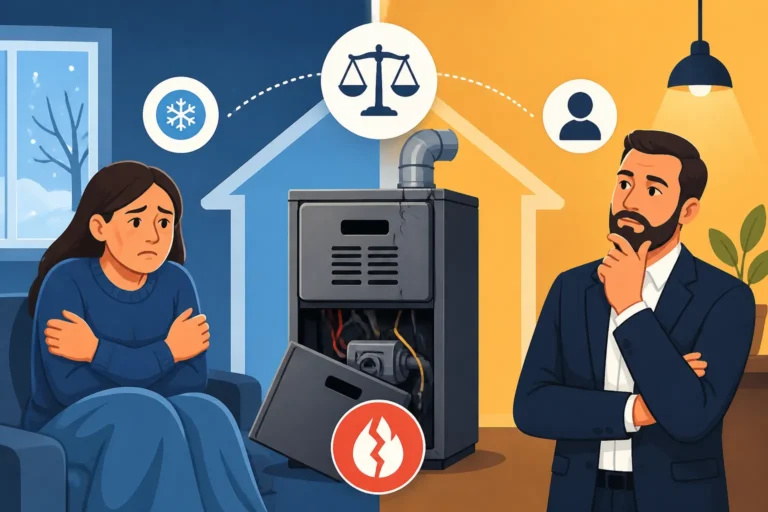
This responsibility generally extends to maintaining and repairing the furnace, boiler, radiators, and any other heating components that are part of the rental property. If the system breaks down due to normal wear and tear or unforeseen mechanical failure, it's typically the landlord's duty to arrange and pay for the repairs promptly. This is part of their obligation to provide a habitable living space. However, it’s important to distinguish this from damage caused by the tenant's misuse or negligence. If you, for example, intentionally tamper with the thermostat and break it, or fail to change filters as per your lease agreement, the responsibility might shift.
Tenant's Role and Initial Steps When Heat Fails
When the heat goes out, it's natural to feel frustrated and even a little panicked. But before you bundle up and consider fleeing to a hotel, there are crucial steps you need to take to protect your rights and ensure the issue gets resolved as quickly as possible. Your actions at this stage can significantly impact how smoothly the repair process goes and how any potential disputes are handled down the line.
Documenting the Issue Thoroughly
The very first thing you should do is meticulously document everything. This means more than just a quick mental note. Take photos or videos showing any external thermometers, the thermostat reading inside your apartment, or even condensation on windows if the temperature drop is significant. Note the exact date and time the problem started, and if you have a way to measure the indoor temperature, record that as well.
It's also a good idea to create a log of every interaction you have with your landlord or property manager regarding the issue. Write down who you spoke to, when, what was discussed, and any promises made. This documentation is your strongest ally if you need to escalate the situation later. Platforms like TurboTenant can sometimes help streamline communication and record-keeping between tenants and landlords, providing a clear digital trail. For more tips, check out our guide on How to Document Repair Problems.
Notifying Your Landlord in Writing
Once you've documented the problem, the next critical step is to notify your landlord. And this isn't just a casual phone call – it needs to be in writing. A written notice provides undeniable proof that you informed them of the issue, which is often a legal requirement before you can take further action. Send an email, text message, or even a certified letter, clearly stating that the heat is out, the date it began, and requesting immediate repair.
Be specific but polite. For example: "Dear [Landlord's Name], I am writing to inform you that the heating system in my apartment at [Your Address] stopped working on [Date] at approximately [Time]. The current indoor temperature is [Temperature] degrees Fahrenheit, which is below habitable standards. I request that repairs be made immediately to restore heat to the unit." This creates a clear record of your communication and their awareness of the problem. Many states require you to give your landlord a "reasonable" amount of time to fix the issue after they receive written notice. Our article on How to Request Repairs in Writing offers templates and further advice on crafting these important communications.
Landlord's Timeline for Heat Repairs
Once you've notified your landlord, the clock starts ticking for them to address the problem. How long they have to fix a broken heating system depends heavily on where you live. State and local laws recognize that "no heat" is a serious emergency, so the timelines are usually much shorter than for minor cosmetic repairs.
State-Specific Repair Timelines for Heat
The definition of a "reasonable" time for repairs varies widely by state and even by city. For critical issues like no heat, many jurisdictions mandate very quick response times because it directly impacts tenant safety and health.
- California: In California, if a condition like lack of heat makes the unit uninhabitable, landlords typically have a "reasonable" time to repair, which is often considered 24-72 hours for critical habitability issues, but can be as little as 24 hours for no heat, especially during cold weather. If they fail to act, tenants might be able to repair and deduct or withhold rent, though these options come with strict rules.
- New York: New York City's Housing Maintenance Code is very specific. From October 1st to May 31st (Heat Season), landlords must provide heat. If the outside temperature is below 55°F, the inside temperature must be at least 68°F between 6 AM and 10 PM. At night, it must be at least 62°F regardless of the outside temperature. Landlords must address heat complaints promptly, usually within 24 hours.
- Illinois: In Illinois, Chicago has its own specific ordinance, requiring landlords to provide heat to maintain a minimum temperature of 68 degrees from September 1st through June 1st. Outside of Chicago, state law requires landlords to maintain safe and habitable premises, and lack of heat is typically considered an emergency requiring prompt action, often within 24-48 hours.
This table provides a general overview, but it's crucial to consult local ordinances, as city or county laws can be even more stringent.
| State/City (Example) | Minimum Temperature Requirement | Repair Timeline (No Heat) | Potential Tenant Remedies |
|---|---|---|---|
| California | Varies, generally habitable | 24-72 hours (often 24h) | Repair and Deduct, Withhold Rent (with conditions) |
| New York City | 68°F (day), 62°F (night) | Immediately/24-48 hours | Repair and Deduct, Withhold Rent, Report to HPD |
| Illinois (Chicago) | 68°F (Sept 1-June 1) | Immediately/24-48 hours | Repair and Deduct, Withhold Rent (with conditions) |
| Massachusetts | 68°F (day), 64°F (night) | 24 hours (emergency) | Repair and Deduct, Withhold Rent, Sue |
Always remember, these are general guidelines, and specific situations or additional clauses in your lease could affect these timelines. It's always best to check with a local tenant rights organization or legal aid for the most precise information relevant to your area. Our guide on How Long Does a Landlord Have to Make Repairs? By State can give you more detailed, state-specific information.
What Happens if the Landlord Delays or Refuses?
If your landlord fails to respond or doesn't make the necessary repairs within the legally mandated "reasonable" time frame, you have several potential avenues to pursue, though these should always be approached with caution and a clear understanding of your local laws.
- Further Written Communication: Send another written notice, referencing your previous communication, stating that the issue remains unresolved and reiterating your request for immediate repair. This reinforces your documentation.
- Contacting Local Authorities: You can contact your local housing authority, code enforcement office, or health department. They often have the power to inspect your unit, cite the landlord for violations, and compel them to make repairs. This can be a very effective way to get action.
- Repair and Deduct: In some states, if the landlord fails to make essential repairs after proper notice, you might be allowed to arrange for the repair yourself and deduct the cost from your next rent payment. This is a powerful remedy, but it comes with very strict legal requirements regarding notice, the type of repair, and the amount you can deduct. It's crucial to understand your state's Repair and Deduct by State laws before attempting this.
- Withholding Rent: Another potential remedy in some states is to withhold rent until the repairs are made. However, this is generally considered a highly risky action and should only be done if explicitly allowed by your state's laws, often by placing the rent into an escrow account. Improperly withholding rent could lead to an eviction, so consult our article on Withholding Rent for Repairs and seek legal advice first.
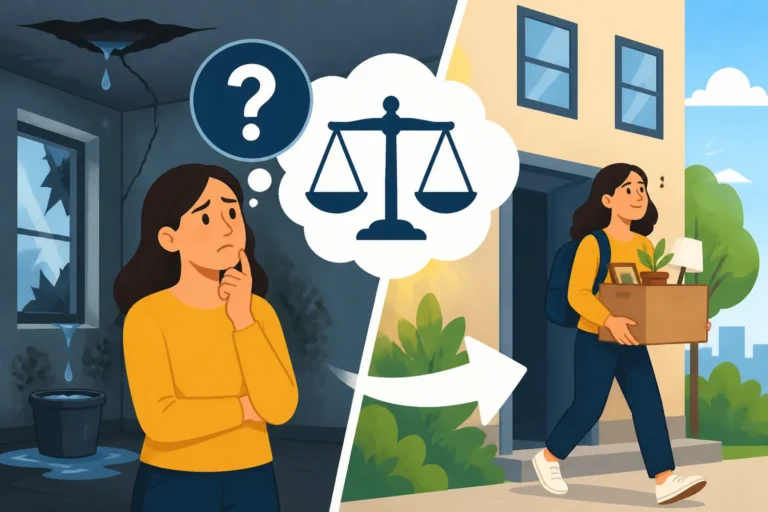
- Constructive Eviction: In extreme cases, if the lack of heat makes your unit truly uninhabitable and the landlord refuses to fix it, you might be able to claim "constructive eviction." This means you are forced to move out because the conditions are so bad, effectively terminating your lease. This is a very serious claim and should only be pursued with legal counsel. Learn more about this by reading our guide on Constructive Eviction Explained.
- Small Claims Court: If all else fails, you may be able to sue your landlord in small claims court for damages, such as the cost of temporary housing, medical bills due to the cold, or a reduction in the value of your tenancy.
Remember, taking any of these actions without fully understanding your state and local tenant laws can put you at risk. It’s always wise to consult with a tenant rights attorney or a local housing advocacy group before proceeding.
Protecting Yourself and Your Rights
Dealing with a landlord who is unresponsive or negligent about heating issues can be incredibly stressful. Beyond just knowing your rights, there are practical steps you can take to safeguard yourself and ensure you have the best possible case if things escalate.
Legal Avenues and Tenant Resources
If you find yourself in a prolonged "no heat" situation, don't feel like you're alone. There are numerous resources designed to help tenants navigate these challenging waters.
- Tenant Rights Organizations: Many cities and states have non-profit tenant rights organizations that provide free or low-cost legal advice, mediation services, and information on local landlord-tenant laws. These groups often have deep experience with common issues like lack of heat.
- Legal Aid Societies: If you meet certain income requirements, Legal Aid Societies can provide free legal representation or consultation on tenant issues.
- Housing Authorities & Code Enforcement: As mentioned earlier, your local housing authority or code enforcement office can investigate habitability complaints and enforce compliance with local housing codes. Reporting your landlord to these agencies can often spur them into action. Our guide on How to Report a Landlord Code Violations & Retaliation provides more information on this process.
- Attorney Consultation: For more complex situations, especially if you're considering withholding rent, repairing and deducting, or pursuing legal action, consulting with a private landlord-tenant attorney is highly recommended. They can offer tailored advice based on your specific circumstances and local laws.
Importance of Rental Insurance
While your landlord is responsible for maintaining the property and its heating system, they are generally not responsible for your personal belongings. This is where renter's insurance comes in. Imagine a scenario where a burst pipe due to a lack of heat causes significant water damage to your furniture, electronics, and other valuables. Without renter's insurance, you would be solely responsible for replacing those items.
Companies like Lemonade offer affordable renter's insurance policies that can cover your personal property against perils like fire, theft, and water damage. Some policies might also cover additional living expenses if you're temporarily displaced from your home due to a covered event, like a major heating system failure rendering your apartment uninhabitable. Even if your landlord has their own insurance (e.g., through a provider like Steadily), that policy primarily protects their property, not yours. Having your own renter's insurance provides an important layer of protection and peace of mind.
Preventing Future Heating Issues
While you can't control every aspect of your building's heating system, there are a few proactive steps you can take to minimize the chances of future problems and ensure you're prepared:
- Read Your Lease Carefully: Before moving in, understand your lease's specific clauses regarding heating, maintenance, and tenant responsibilities (like changing air filters). Knowledge is power!
- Move-In Inspection: Conduct a thorough Move-In / Move-Out Inspection Guide when you first get the keys. Test the heating system, take photos, and document its condition. This creates a baseline.
- Communicate Regularly: Maintain open, written communication with your landlord. Promptly report any minor issues with the heating system before they escalate into major breakdowns.
- Follow Lease Rules: Adhere to any tenant responsibilities outlined in your lease, such as changing furnace filters regularly or not blocking vents.
By being informed, proactive, and prepared, you can navigate "no heat" situations more effectively and ensure your home remains a warm and safe haven.
Disclaimer
Please remember that this article provides general information and is not a substitute for legal advice. Landlord-tenant laws vary significantly by state, county, and city. Always consult with a qualified legal professional or a local tenant advocacy organization for advice specific to your situation and jurisdiction.