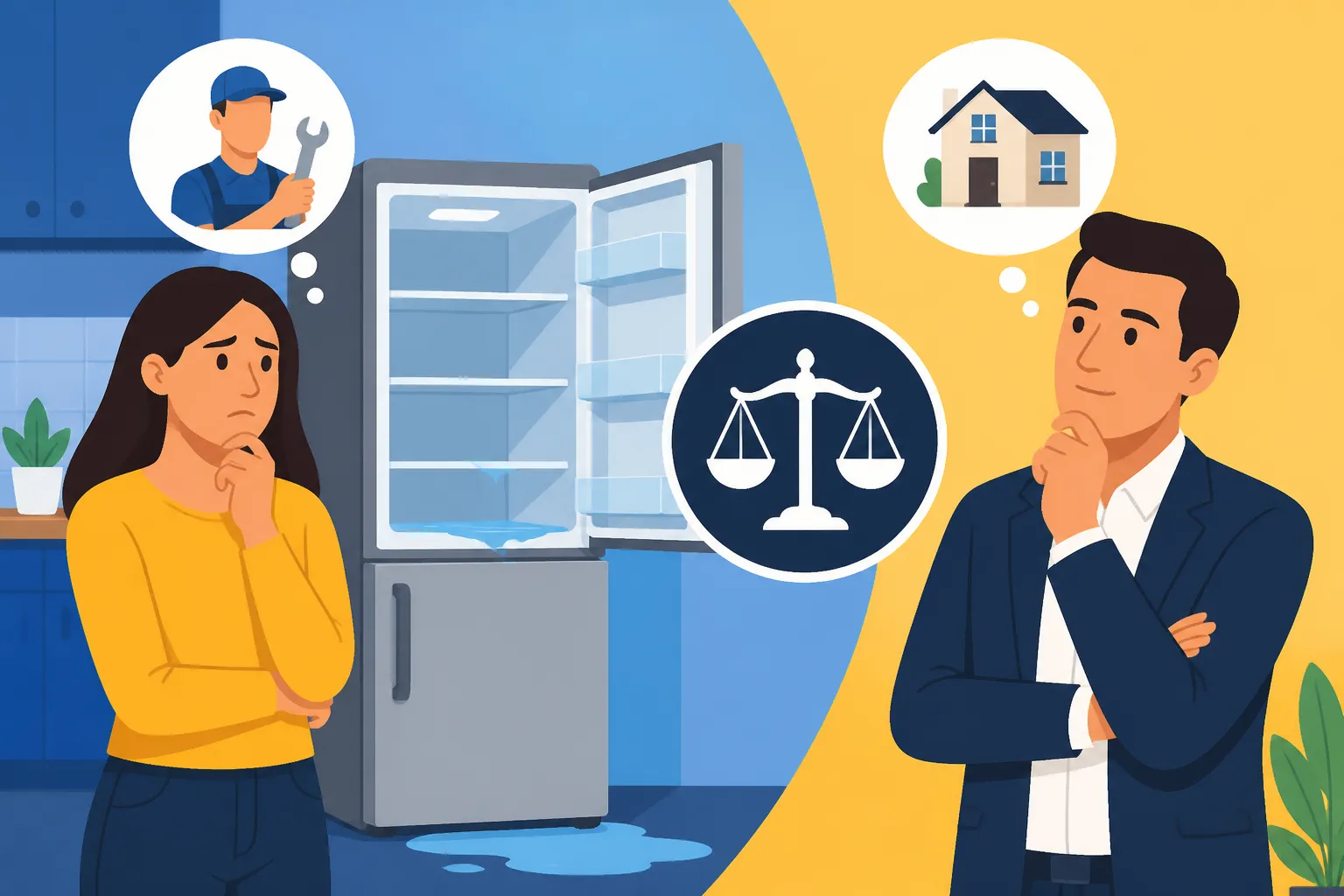
Who Fixes a Broken Refrigerator in a Rental?
There’s nothing quite like the sinking feeling of opening your refrigerator door only to be met with warm air and rapidly spoiling food. It’s not just an inconvenience; it’s a full-blown crisis for your groceries and your peace of mind. When an essential appliance like a refrigerator breaks down in your rental home, the immediate question that pops into every tenant's mind is, "Who's actually supposed to fix this, and who foots the bill?" This comprehensive guide is here to untangle that very common frustration, walking you through everything you need to know about refrigerator repair responsibilities in a rental property.
Understanding the Basics of Landlord Repair Responsibilities
Before we dive specifically into refrigerators, it's crucial to grasp the overarching principles that govern landlord-tenant repair dynamics. These foundational concepts often dictate who is responsible for what within your rental unit.
The Implied Warranty of Habitability
At the core of landlord-tenant law lies a fundamental concept known as the implied warranty of habitability. This isn't usually something explicitly written in your lease, but it's a legal expectation in nearly every state that your landlord must provide and maintain a safe, clean, and livable dwelling. Think of it as a silent promise that your rental unit will be fit for human habitation.
So, how does a broken refrigerator fit into this? While some states might not list a refrigerator as a bare minimum for habitability like heat or running water, a functional fridge is undeniably a modern necessity for food preservation and health. If your landlord provided the refrigerator when you moved in, it often becomes part of the "habitable condition" of the property, especially if its malfunction leads to spoiled food or unsanitary conditions. For instance, if you live in Phoenix, Arizona, and your fridge quits in the middle of July, it's not just an inconvenience; it could quickly lead to food safety issues, impacting your ability to live safely and healthily in the unit. You can learn more about the specifics of this fundamental principle in our guide, Implied Warranty of Habitability Explained.
Lease Agreement is King
While the implied warranty of habitability sets a baseline, your lease agreement is the primary document that spells out specific responsibilities. This legally binding contract should be your first point of reference for almost any question about your rental property, including appliance repairs.
Many leases will have a dedicated section on appliances, detailing which ones are provided by the landlord and who is responsible for their maintenance and repair. Some leases might explicitly state that the landlord is responsible for all major appliance repairs, while others might attempt to shift certain minor maintenance tasks to the tenant. It's not uncommon for a lease to differentiate between "wear and tear" and "tenant damage," which we'll explore in more detail shortly. However, if your lease is completely silent on the matter of a landlord-provided refrigerator, the implied warranty of habitability and state laws will generally default the responsibility to the landlord, as it's an appliance furnished with the property. Always give your lease a thorough read – it's your contract, after all!
When the Landlord is Responsible for Fridge Repair
Now, let's get specific about scenarios where your landlord is typically on the hook for getting that fridge humming again.
Appliances Provided by the Landlord
This is the most straightforward scenario: if the refrigerator was in the unit when you moved in, and it's part of the standard fixtures or listed as an amenity provided by the landlord, then its repair or replacement generally falls squarely on the landlord's shoulders. This isn't just about convenience; it’s about maintaining the value and functionality of their property.
Consider an apartment complex in downtown Chicago. When a tenant moves into a unit, they expect the stove, oven, and refrigerator to be in working order. These aren't personal items; they're part of the rental package. If the compressor on that landlord-provided refrigerator suddenly gives out after two years, it's a structural failure of a landlord's asset, not a tenant's fault. Landlords typically factor the cost of appliance maintenance and replacement into their business model and rental pricing. However, it's worth noting that a landlord's responsibility doesn't usually extend to providing a temporary refrigerator during repairs unless state law specifically mandates it, though some might offer it as a courtesy. Generally, the landlord's duty is to return the appliance to working order within a reasonable timeframe. To understand the broader scope, check out our guide on Landlord Repair Responsibilities What They Must Fix.
Normal Wear and Tear vs. Tenant Damage
This distinction is absolutely critical in determining responsibility, not just for refrigerators but for almost every repair in a rental unit. It’s also one of the most common points of contention between landlords and tenants.
Normal wear and tear refers to the natural deterioration that occurs over time with ordinary use, even if the tenant is perfectly responsible. For a refrigerator, this could include things like a compressor burning out, the ice maker ceasing to function after years of use, a seal wearing thin, or general electrical component failure due to age. These are issues that would happen regardless of who lives there; they're just part of owning and using an appliance. If a refrigerator, even a relatively new one, simply breaks down due to a manufacturing defect or internal component failure that isn't traceable to tenant abuse, that's almost always considered wear and tear.
Tenant damage, on the other hand, is harm to the property that results from a tenant's negligence, misuse, abuse, or intentional destruction. For a refrigerator, this could look like:
- Physical damage: A tenant accidentally drops a heavy object on a glass shelf, causing it to shatter, or dents the door by hitting it with moving furniture.
- Misuse: Overloading the freezer beyond its capacity, using abrasive cleaners that damage the finish, or allowing excessive frost build-up that strains the system (though regular defrosting may fall under tenant maintenance).
- Neglect: Failing to clean the condenser coils for years, leading to overheating and breakdown (though landlords should generally provide instructions for this or handle it themselves).
If the landlord can clearly demonstrate that the refrigerator's malfunction is a direct result of tenant damage or neglect beyond normal use, then the tenant would typically be responsible for the cost of repair or replacement. This is where documentation becomes your best friend. Having detailed move-in inspection reports and photos, as discussed in our article Normal Wear and Tear vs Damage: Complete Guide, can make all the difference.
When the Tenant Might Be Responsible for Fridge Repair
It’s not always the landlord’s job, and there are specific situations where the tenant will need to handle the repair or replacement costs themselves.
Tenant-Owned Appliances
This is the most clear-cut case where the responsibility lies with you, the tenant. If you brought your own refrigerator into the rental unit, then you are entirely responsible for its maintenance, repair, and eventual replacement. The landlord typically has no obligation to fix an appliance that doesn't belong to them, even if it's essential for your daily life.
Let's say you moved into a charming historic brownstone in Boston, Massachusetts, and the landlord didn't provide a refrigerator, so you purchased a sleek, new stainless steel model. A year later, it stops cooling. In this scenario, because it's your appliance, you're the one who needs to call a repair technician, cover the repair costs, or buy a new one. This also means that if your tenant-owned refrigerator leaks and causes damage to the flooring, the liability for that damage might fall on you, and your renter’s insurance (which providers like Lemonade offer) would be critical here to cover your personal property and liability.
Damage Due to Negligence or Misuse
As we touched upon earlier, if the damage to a landlord-provided refrigerator is clearly caused by the tenant’s actions—or lack thereof—then the tenant can be held responsible. This isn't just about intentional destruction; it often comes down to negligence, which means failing to take reasonable care that a prudent person would.
Imagine a tenant who consistently shoves oversized items into the freezer, bending and eventually snapping the freezer door hinge. Or perhaps they attempt to move the refrigerator themselves without proper equipment, scratching the exterior and damaging the internal cooling lines in the process. Another common scenario might involve a tenant who fails to promptly clean up a spill that then corrodes internal components, or repeatedly uses sharp objects to chip away ice from the freezer compartment, puncturing a coolant line. In these cases, the landlord can rightfully argue that the damage goes beyond normal wear and tear and is a direct result of the tenant's actions or inactions. The landlord would then have the right to deduct the cost of repairs from your security deposit, provided they follow state-specific rules for itemized deductions. It's important for landlords to document such damage thoroughly, often with photos and repair estimates, to justify the charge. Landlords can utilize platforms like TurboTenant to meticulously track property condition and maintenance requests, providing a clear record in case of disputes.
The Process of Getting a Broken Fridge Fixed
So, your fridge is on the fritz. What are the practical steps you should take to get it repaired or replaced? Communication and documentation are your allies here.
Notifying Your Landlord Effectively
When you discover a problem with a landlord-provided refrigerator, the absolute first step is to formally notify your landlord. This isn't a casual text or a quick chat in the hallway. You need to create a clear, written record of your request.
Your notice should include:
- Date: The date you are sending the notification.
- Description of the issue: Be specific. "The refrigerator is not cooling at all, and the freezer is defrosting" is better than "My fridge is broken." Note any visible symptoms, sounds, or smells.
- Impact on habitability: Briefly explain how the issue affects you. "This is causing all my perishable food to spoil and is a health concern."
- Request for repair: Clearly ask for the refrigerator to be repaired or replaced promptly.
- Preferred contact method: Remind them how best to reach you to schedule a repair.
Send this notice via a method that creates a paper trail. Email is often acceptable, but a certified letter with a return receipt provides undeniable proof that your landlord received the notification. Always keep a copy for your records. This formal notice is often a legal prerequisite if you ever need to take further action, like pursuing a "repair and deduct" option or legal remedies. For a detailed guide on how to craft such a document, refer to How to Request Repairs in Writing.
Landlord's "Reasonable Time" for Repairs
Once you've notified your landlord, they are obligated to make the necessary repairs within a "reasonable time." What constitutes "reasonable" can be subjective, but generally depends on the severity of the issue and state laws.
For something like a broken refrigerator, which impacts food safety and daily living, it's often considered an urgent, though not always emergency, repair. Many states define specific timelines for urgent repairs. For example:
- In California, a landlord typically has 24-72 hours for "urgent" repairs affecting health and safety, though a broken fridge might be considered less critical than, say, a lack of heat in winter.
- In Texas, landlords are required to make a diligent effort to repair a condition within a "reasonable time," generally considered to be seven days, after receiving written notice, especially if it materially affects the physical health or safety of an ordinary tenant.
If your landlord takes weeks to even respond, let alone schedule a repair, that's likely beyond a reasonable timeframe. It's important to understand these state-specific guidelines, as they dictate your next steps if your landlord is unresponsive. You can explore these timelines in more detail by looking at our guide, How Long Does a Landlord Have to Make Repairs? By State. During this waiting period, continue to document all communications and any losses incurred, like spoiled food.
What Happens If Your Landlord Doesn't Respond or Refuses to Repair
When your landlord drags their feet or outright refuses to address a broken refrigerator, it can feel incredibly frustrating and disempowering. However, tenants have rights and several legal options, though they often come with risks.
Repair and Deduct Options
The "repair and deduct" remedy allows a tenant to pay for a repair themselves and then subtract the cost from their next month's rent. While this sounds like a great solution, it's often a highly regulated and risky one. This option is not legal in all states, and where it is, there are very strict conditions you must meet.
Typically, to use "repair and deduct," you must:
- Provide proper written notice: You must have formally notified your landlord of the problem and given them a reasonable amount of time to fix it.
- The repair must be for a serious defect: The issue must materially affect your health or safety or render the unit uninhabitable. A broken refrigerator, especially one provided by the landlord, often qualifies.
- The cost must be reasonable: You cannot hire the most expensive contractor in town; the repair cost should be typical for the issue.
- The repair must not be due to your negligence: If you caused the damage, you cannot use this remedy.
Failing to follow these rules precisely could lead to your landlord claiming you've withheld rent illegally, potentially resulting in an eviction notice. Before considering this, thoroughly research your state's specific laws. Our resource on Repair and Deduct by State offers state-by-state guidance, and it’s always wise to consult with a local tenant advocacy group or attorney.
Withholding Rent or Legal Action
Another option, often even riskier than "repair and deduct," is to outright withhold rent. This is generally only permissible in very specific situations where the lack of an essential service or repair renders the property truly uninhabitable, and it’s almost always advisable to place the rent money into an escrow account rather than just not paying it. This demonstrates to a court that you have the funds and are simply waiting for the landlord to uphold their end of the agreement.
If you decide to go this route, or if the "repair and deduct" option isn't available or suitable, you might consider legal action. This typically involves filing a lawsuit in small claims court. You could sue for:
- The cost of spoiled food if the landlord was negligent in making repairs.
- The cost of alternative food storage (like a cooler and ice) during the repair period.
- An order from the court compelling the landlord to make the repairs.
- In some jurisdictions, damages for the reduction in value of your rental unit due to the lack of a functioning appliance.
Taking legal action can be time-consuming and stressful, but it can be an effective way to enforce your rights when a landlord is unresponsive. Keep detailed records of all communication, repair attempts, and financial losses. Landlord insurance providers, such as Steadily, are usually well-versed in handling these types of disputes and can advise their clients on navigating tenant claims, but it’s still crucial for tenants to understand their own rights. For more in-depth information, our article Withholding Rent & Rent Escrow explains these complex processes.
Preventative Measures and Best Practices
Whether you're a tenant hoping to avoid a fridge breakdown or a landlord looking to prolong appliance life and minimize repair calls, some preventative measures and best practices can save everyone a lot of headaches and money.
Tenant Responsibilities for Appliance Care
As a tenant, you have a general responsibility to use the appliances in your rental unit reasonably and to keep them clean. While you're not expected to perform major repairs, routine care can significantly extend the life of a refrigerator and prevent issues.
Here are some tips:
- Clean Coils Regularly: The condenser coils on the back or bottom of the fridge can collect dust and pet hair, reducing efficiency and potentially leading to compressor burnout. Many landlords appreciate tenants gently vacuuming these coils every 6-12 months.
- Maintain Proper Temperature Settings: Don't crank the fridge to the coldest setting unless absolutely necessary, as this can overwork the compressor.
- Keep Door Seals Clean: Wipe down door gaskets regularly to ensure a tight seal. A leaky seal makes the fridge work harder and can cause temperature fluctuations.
- Don't Overload: Avoid overpacking the refrigerator, especially the freezer, as this obstructs airflow and makes the unit less efficient.
- Defrost Manual Freezers: If you have a manual defrost freezer, make sure to defrost it periodically to prevent excessive ice buildup, which can damage the unit.
- Report Minor Issues Promptly: If you notice unusual noises, condensation, or slight temperature fluctuations, report them to your landlord early. Addressing small problems can prevent them from becoming major breakdowns.
Remember, a little proactive care goes a long way in preventing bigger problems. Documenting the condition of your apartment, including appliances, at move-in is also crucial. Our guide, How to Document Your Apartment at Move-In, offers excellent advice on this.
Landlord Best Practices for Appliance Management
For landlords, managing appliances effectively isn't just about tenant satisfaction; it's about protecting investments and minimizing future expenses.
- Regular Maintenance Schedule: Implement a routine maintenance schedule for all appliances. This could include annual professional inspections, cleaning condenser coils, checking water filters for ice makers, and inspecting door seals. Proactive maintenance can identify issues before they become breakdowns.
- Keep Detailed Records: Maintain records of all appliance purchases, warranties, and repair history. This information is invaluable for insurance claims, warranty service, and determining replacement schedules.
- Appliance Age and Replacement: Understand the typical lifespan of common refrigerator models (usually 10-15 years). Budget for appliance replacement rather than constantly repairing an old, inefficient unit. Sometimes, replacing an aging fridge is more cost-effective than a series of expensive repairs.
- Provide Clear Instructions: Include a binder with appliance manuals and basic troubleshooting tips for tenants. Clear guidance can prevent misuse and empower tenants to handle minor, non-repair issues.
- Invest in Reliable Appliances: While tempting to go for the cheapest option, investing in durable, energy-efficient appliances from reputable brands can reduce repair frequency and utility costs in the long run.
- Landlord Insurance: Ensure your landlord insurance policy (like those offered by Steadily) covers appliance breakdowns and property damage resulting from appliance malfunctions (e.g., a leaking fridge causing floor damage). For example, if a refrigerator unexpectedly leaks and causes damage to the apartment’s subflooring, your landlord's policy should be able to assist with the repair costs for the property itself.
By following these best practices, landlords can ensure their properties remain well-maintained, reducing tenant disputes and costly emergency repairs.
Here's a quick summary table to help clarify common scenarios regarding refrigerator repair responsibilities:
| Scenario | Landlord Responsibility | Tenant Responsibility | Key Considerations |
|---|---|---|---|
| Landlord-Provided Fridge breaks due to Normal Wear and Tear | Yes, repair/replace | No | Most common scenario. Landlord must act within "reasonable time." Lease usually specifies. |
| Landlord-Provided Fridge breaks due to Tenant Negligence/Misuse | No | Yes, repair/replace | Landlord needs evidence (photos, witness). Cost may be deducted from security deposit. |
| Tenant-Owned Fridge breaks | No | Yes, repair/replace | Tenant is fully responsible for their own appliances. |
| Fridge was working fine, then moved by Tenant, now broken | No | Yes, repair/replace | Damage during tenant move is generally tenant's responsibility. |
| Fridge was listed as "as-is" in lease (rare for essential appliances) | Potentially limited/No | Potentially Yes | This clause is often unenforceable for essential appliances due to habitability laws. Seek legal advice. |
Getting a broken refrigerator fixed in a rental property doesn't have to be a nightmare. By understanding your lease, knowing your rights and responsibilities, communicating effectively with your landlord, and documenting everything, you can navigate these situations with confidence. Remember, a well-maintained home benefits everyone, and clarity on these issues is the first step to a harmonious landlord-tenant relationship.
Disclaimer
Please remember that this guide provides general information about landlord-tenant laws and is not a substitute for legal advice. Laws vary significantly by state and local jurisdiction. Always consult with a qualified legal professional or a local tenant advocacy organization for advice specific to your situation and location.