Are Landlords Required to Provide AC?
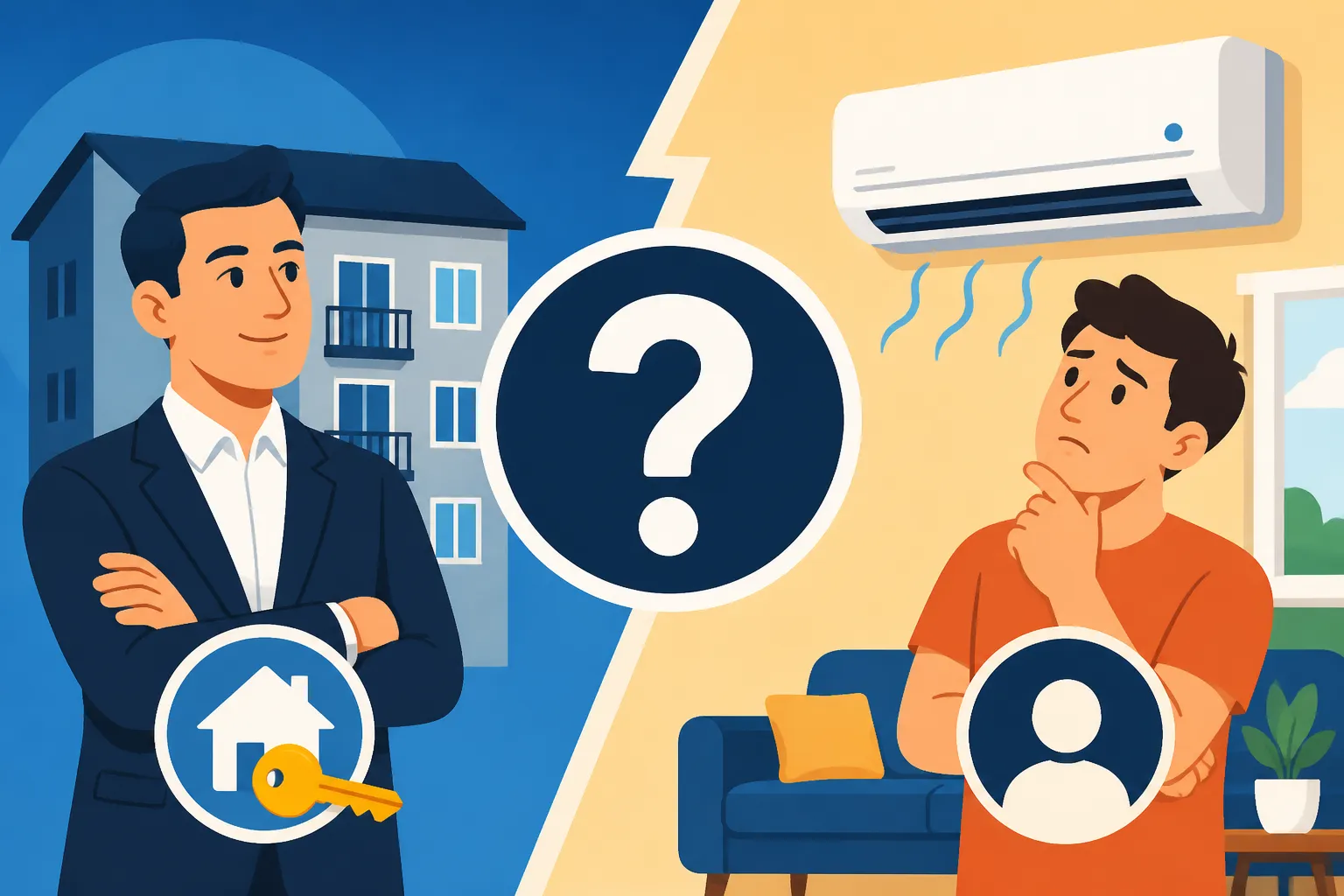
Stepping into a rental property during a heatwave, only to find the air conditioning struggling – or worse, completely nonexistent – is an absolute nightmare. It's a common frustration that leaves many renters wondering: Are landlords actually required to provide AC, or am I just stuck sweating it out? The answer, like so much in landlord-tenant law, isn't a simple yes or no. It's a nuanced landscape shaped by state laws, local ordinances, and the specifics of your lease agreement. This comprehensive guide will peel back the layers, helping you understand your rights and responsibilities when it comes to air conditioning in your rental home.
The Baseline: Implied Warranty of Habitability and AC
Before we dive into the specifics of air conditioning, it's crucial to understand the foundational principle that governs most landlord-tenant relationships: the implied warranty of habitability. This legal standard essentially guarantees that a rental unit will be safe and fit for human habitation, regardless of what the lease specifically says.
What the Implied Warranty Really Covers
The implied warranty of habitability ensures that your landlord maintains the property to a basic standard that supports your health and safety. Think of it as the non-negotiable checklist for a livable home. This typically includes structural soundness, functional plumbing, electricity, and a reliable roof. It also means keeping the property free from severe hazards like lead paint, pest infestations, or unsafe wiring. In colder climates, adequate heating is almost always a requirement under this warranty. A landlord's Landlord Repair Responsibilities What They Must Fix are usually tied to this fundamental guarantee.
However, here's where the AC question gets tricky: while heating is widely considered a necessity for habitability in many regions, air conditioning is often not. The legal framework generally differentiates between conditions that render a home uninhabitable (like a lack of heat in winter, or a severe mold problem) and those that primarily affect comfort or convenience. For instance, a broken water heater making hot showers impossible would almost certainly violate habitability, but a non-functional AC unit, while undeniably uncomfortable, might not, depending on where you live.
Essential Services Versus Comfort Amenities
To truly grasp the distinction, it helps to categorize what falls under "essential services" versus "comfort amenities." Essential services are those fundamental components without which the rental becomes unsafe, unsanitary, or simply unlivable. This includes things like:
- Running water: Both hot and cold.
- Electricity: Sufficient for lighting and operating basic appliances.
- Safe structure: Walls, roof, floors that don't pose a collapse risk.
- Effective waste disposal: Functioning toilets and sewage systems.
- Pest control: Preventing severe infestations that compromise health.
- Heat: Especially in climates where freezing temperatures are common, heating is a critical habitability factor.
Air conditioning, while incredibly important for quality of life in warmer climates, is often viewed as a comfort amenity. This means that if it's not explicitly required by a specific law or your lease, its absence or malfunction might not breach the implied warranty of habitability. This can feel incredibly unfair when you're enduring sweltering summer nights, but it's the legal reality in many places. The conversation around No Heat No Hot Water No AC Your Rights often highlights this crucial difference, with heat and hot water almost always being covered, but AC being a more variable right.
When AC Becomes a Landlord's Responsibility
Even if AC isn't universally covered by the implied warranty of habitability, there are several key scenarios where your landlord absolutely does have a legal or contractual obligation to provide and maintain it.
State and Local Laws on Air Conditioning
This is the biggest variable, and it's where things get state and city-specific. While the federal government doesn't mandate AC in rentals, some states and an increasing number of cities do have regulations. These laws aren't uniform, and they often come with specific conditions:
- Some states explicitly require it: Arizona, for example, is a state where landlords are typically required to provide functioning cooling equipment in all rental units. Texas also has provisions requiring landlords to provide AC where it's already installed. These laws recognize the extreme heat in these regions can make AC a necessity, not just a luxury.
- Specific temperature thresholds: Some municipalities might have ordinances stating that if outdoor temperatures exceed a certain degree for a prolonged period, landlords must ensure indoor temperatures remain below a certain level, which often necessitates AC.
- New construction requirements: Some local building codes might mandate AC in newly constructed rental units, even if older buildings are exempt.
- Special circumstances: Laws might exist to protect vulnerable populations, requiring AC if a tenant has a documented medical condition exacerbated by heat, or in facilities like assisted living.
For instance, in certain parts of California or Florida, while there might not be a blanket statewide mandate for AC, local ordinances or existing installations often mean it's expected. It's always best to check your specific city and county regulations, as well as the overarching Security Deposit Laws by State (2026) or How Much Can a Landlord Raise Rent? (Laws by State) which often contain tenant rights sections beyond just deposits and rent.
Lease Agreement Stipulations
This is perhaps the most straightforward way AC becomes your landlord's responsibility. If your lease agreement explicitly states that the rental unit comes with air conditioning, or that the landlord is responsible for providing and maintaining it, then it is a binding contractual obligation.
- "As Is" vs. "Included": Pay close attention to the wording. If the lease lists "air conditioning" under included amenities, then your landlord must ensure it's in working order. If it's merely mentioned as a feature but the unit is rented "as is," it might be more ambiguous. Always clarify before signing.
- Specific Clauses: Some leases might have detailed clauses about appliance maintenance. If AC is listed among appliances the landlord maintains, then their duty is clear.
- Oral Agreements: While written leases are always best, if an air conditioner was a crucial factor in your decision and the landlord verbally promised it would be provided or repaired, it can be harder to prove but still holds some weight. However, it's always advisable to get any such promises in writing, perhaps as a lease addendum.
If your lease explicitly states AC is included and it breaks, you have a strong case for requesting repairs. When communicating with your landlord, it's essential to How to Request Repairs in Writing to create a clear paper trail, referencing the relevant clause in your lease.
Existing Appliances and Promised Amenities
Even if your lease doesn't explicitly spell out AC responsibility or a state law doesn't mandate it, there's a strong implicit expectation if the unit already has air conditioning when you move in.
- Functioning at Move-In: If a central air system or even a window unit is present and working when you take possession of the property, the landlord is generally expected to keep it in good repair throughout your tenancy. It was part of the value proposition when you rented the place.
- Advertised Amenities: If the rental was advertised as having air conditioning – on sites like Zillow, Apartments.com, or through a property management company – it creates an expectation. Removing a functioning AC unit or refusing to repair one that was advertised can be seen as a breach of implied promise, even if the lease isn't hyper-specific. Landlords using services like TurboTenant to list properties typically specify all included amenities, and they are then expected to uphold those promises.
- What Constitutes a "Repair": This isn't about upgrading an old system to a new one, but ensuring the existing system functions as intended. If a central AC unit fails, the landlord is generally responsible for repairing or replacing it with a comparable unit.
It's about maintaining the condition of the property as it was presented to you. If a landlord lets an essential appliance or a clearly provided amenity like AC fall into disrepair, it can be a significant point of contention.
Navigating the Nuances: Central Air Versus Window Units
The type of air conditioning system can also play a role in determining landlord and tenant responsibilities, especially regarding maintenance and specific expectations.
Central Air Systems
Central air conditioning systems, which cool an entire home through a system of ducts, are typically considered part of the building's infrastructure.
- Landlord's Responsibility: When a rental unit comes with central air, it is almost universally the landlord's responsibility to maintain and repair it. These systems are complex, expensive to fix, and integrated into the property. Tenants are not expected to have the expertise or financial means to handle major repairs for such systems. This falls squarely under the landlord's general duty to maintain the structural and mechanical systems of the property.
- Preventative Maintenance: Many landlords proactively maintain central AC systems, having them serviced annually before the summer heat hits. This is good practice as it prevents costly breakdowns and keeps tenants happy.
- Tenant's Role: While the landlord handles major repairs, tenants usually have a role in basic upkeep, such as regularly changing air filters. Your lease might specify this as a tenant responsibility. Neglecting this simple task can lead to reduced efficiency and even system damage, which could potentially shift some liability for repairs onto the tenant if it's proven the damage was due to their negligence.
Window or Portable AC Units
Window or portable AC units present a different dynamic, as they are often more movable and sometimes considered tenant property or temporary fixtures.
- Provided by Landlord: If the landlord provides window AC units, they are generally responsible for their repair and maintenance, just like any other appliance they furnish (e.g., refrigerator, stove). However, the expectation might be for repairs rather than immediate replacement with a brand-new unit, depending on the age and cost.
- Tenant-Provided Units: In many situations, especially where central air is not available, tenants are allowed (or expected) to purchase and install their own window or portable AC units. In such cases, the unit is the tenant's personal property, and all maintenance, repair, and replacement costs fall to the tenant. Landlords may stipulate rules for installation, such as ensuring proper bracing or preventing damage to windows. It's a good idea for tenants with their own expensive units to consider renter's insurance from providers like Lemonade to cover potential damage or theft.
- Utility Costs: With window units, electricity costs can spike significantly in summer. Tenants should be fully aware that these units can substantially increase their utility bills, as they often run almost continuously in hot weather.
A landlord's insurance policy, like those offered by Steadily, typically covers property damage to the building itself and appliances the landlord owns, but usually not personal items a tenant brings in, like their own window AC unit. Understanding this distinction is key to knowing who pays for what.
What to Do If Your Rental AC Isn't Working
So, you've checked your lease, reviewed local laws, and determined your landlord is responsible for your AC, but it's blowing hot air – or no air at all. What's your next move?
Document Everything and Communicate in Writing
The golden rule of tenant-landlord disputes is always: get it in writing and document everything. This protects you and provides clear evidence should a dispute escalate.
- Initial Notification: As soon as you discover the AC issue, notify your landlord or property manager in writing. An email is often the best method, as it creates a timestamped record. Include the date, the specific issue (e.g., "AC not blowing cold air," "AC completely non-functional"), and how long it's been happening.
- Photos and Videos: Take photos or videos of any visible issues, such as a leaky unit, a dusty filter (if the landlord is responsible for changing it), or even a thermometer showing the indoor temperature. This visual evidence can be powerful.
- Keep a Log: Maintain a log of all communications, including dates, times, who you spoke with, and what was discussed. Note down any promises made or deadlines given for repairs. If you have to make follow-up calls, summarize the call in an email afterward.
- Reference the Lease/Law: In your written communication, calmly and professionally reference the part of your lease that states AC is included or the relevant state/local law that mandates it, if applicable. This shows you've done your homework.
- Give a Reasonable Deadline: While landlords generally have a "reasonable time" to make repairs, you can suggest a timeframe based on your state's laws for similar emergency repairs (though AC might not qualify as an emergency). For example, some states specify 24-72 hours for critical repairs, while non-emergencies might be 7-14 days. You can learn more about this by researching How Long Does a Landlord Have to Make Repairs? (By State).
Remember, patience is a virtue, but persistence is key. A clear, well-documented request makes it much harder for a landlord to ignore or deny responsibility.
Follow Up and Understand Your Rights
If your landlord is unresponsive or the repair takes an unreasonably long time, it's time to escalate.
- Send a Formal Letter: If initial emails don't work, send a formal letter via certified mail with a return receipt requested. This provides undeniable proof of delivery. Reiterate your previous requests, include all documentation, and state your intention to pursue further action if the issue isn't resolved by a specific, reasonable date. This is often called a Security Deposit Demand Letter How-To + Template in other contexts, but the principle of formal written demand applies here.
- Check State-Specific Timelines: Many states have specific timelines for landlords to address essential repairs. While AC might not always fall under the "essential" category for repair-and-deduct laws, understanding your state's general repair timelines is still helpful.
- Consult Tenant Rights Organizations: Organizations like Legal Aid societies, local tenant unions, or housing authorities can provide free or low-cost advice on your specific situation and local laws. They can guide you on the next steps, such as reporting code violations or pursuing legal action.
- Consider Breaking the Lease (Carefully!): In extreme cases where the lack of AC (if legally required or explicitly stated in the lease as essential) makes the unit genuinely uninhabitable, and the landlord has failed to act after proper notice, you might consider breaking your lease. However, this is a risky move and should only be done after consulting legal counsel, as Breaking a Lease for Uninhabitable Conditions has very strict legal definitions and procedures. Simply being hot, though miserable, is often not enough to legally break a lease without penalty.
Repair and Deduct or Withholding Rent Considerations
These are powerful tenant remedies, but they come with significant risks and are almost never applicable to AC issues unless the AC is legally mandated as a habitability requirement in your jurisdiction.
- Repair and Deduct: This involves you paying for the repair yourself and then deducting the cost from your next rent payment. This remedy is only legal in certain states and only for specific types of repairs that directly impact habitability (e.g., no heat, plumbing leaks, electrical hazards). Most states do not consider a lack of AC a severe enough habitability issue to warrant repair and deduct, even in scorching climates. If you improperly use this remedy, your landlord could pursue eviction for non-payment of rent. Always consult a lawyer before going this route. You can learn more about the specifics of Repair and Deduct by State.
- Withholding Rent: Similar to repair and deduct, withholding rent is a severe measure typically reserved for major habitability violations. It usually requires placing the rent money into an escrow account (a third-party holding account) rather than simply not paying it. Again, this is rarely applicable for a non-functioning AC unless it's a legally required amenity that makes the property truly What is Considered Uninhabitable?. Using this incorrectly can lead to eviction. Understand the stringent rules around Withholding Rent for Repairs before even considering it.
In most scenarios where AC is simply an amenity that the landlord promised but isn't repairing, your recourse will likely be demanding repairs, potentially seeking a rent reduction for loss of amenity, or, as a last resort, legal action for breach of contract, rather than repair and deduct or withholding rent.
Special Circumstances and Considerations
While the general rules apply to most situations, a few special circumstances can alter a landlord's responsibility regarding air conditioning.
Medical Conditions and Reasonable Accommodations
The Fair Housing Act (FHA) prohibits discrimination based on disability and requires landlords to make reasonable accommodations for tenants with disabilities. This can sometimes extend to AC.
- Documented Disability: If a tenant has a documented medical condition that is severely exacerbated by heat (e.g., certain cardiovascular conditions, respiratory illnesses, multiple sclerosis), and their doctor provides a letter stating that air conditioning is necessary for their health and well-being, the landlord might be required to provide it as a reasonable accommodation.
- "Reasonable" Accommodation: The key word here is "reasonable." This doesn't mean the landlord has to install central air in a building that can't support it, but they might be required to provide a window unit or ensure an existing system is maintained. It must directly relate to the disability and not impose an undue financial or administrative burden on the landlord. You can read more about Reasonable Accommodations & Modifications under the FHA.
- Formal Request: The tenant must formally request this accommodation in writing, typically with supporting documentation from a healthcare professional. Landlords cannot deny such a request solely based on their usual AC policies if it qualifies as a reasonable accommodation.
This is a specific legal right that differs from general comfort expectations, and it's vital for tenants with relevant medical conditions to be aware of it.
Retaliation and Tenant Protection
Making a legitimate request for repairs, especially for something covered in your lease or by law, is your right as a tenant. However, sometimes landlords react negatively.
- Illegal Retaliation: Most states have laws against landlord retaliation. This means a landlord cannot, in response to a tenant exercising their legal rights (like requesting a repair or complaining about a code violation), suddenly raise rent, issue a non-renewal notice, or begin eviction proceedings.
- Proof is Key: If you believe your landlord is retaliating, you'll need evidence that your request or complaint was the direct cause of their negative action. This is where your detailed written communication log becomes invaluable.
- Reporting Retaliation: If you suspect retaliation, contact your local housing authority or a tenant rights attorney immediately. They can advise you on how to proceed, which might include filing a complaint or even using retaliation as a defense in an eviction case.
While retaliation is illegal, it's a harsh reality that some tenants face. Knowing your rights and having a robust paper trail can protect you.
Preventative Measures and Tenant Responsibilities
The best way to avoid AC disputes is to be proactive before you even sign a lease and understand your role in basic maintenance.
Due Diligence Before Signing a Lease
Don't wait until August to find out your new apartment has no AC or a broken one. Do your homework!
- Ask Direct Questions: During your apartment search and before you sign anything, directly ask about the air conditioning situation. Is there central air? Are window units provided? Is AC maintenance included?
- Get it in Writing: If the landlord or leasing agent promises AC or guarantees its functionality, make sure it's explicitly written into the lease agreement or an addendum. A verbal promise is much harder to enforce.
- Inspect Thoroughly: On your move-in day, check the AC. Turn it on, make sure it blows cold, and listen for any unusual noises. Document its condition with photos or videos as part of your overall How to Document Your Apartment at Move-In process. If it's not working, report it immediately in writing.
- Review Local Laws: Before committing, quickly check your state and city's landlord-tenant laws regarding AC requirements. A quick search for "tenant rights [Your City/State] AC" can often yield helpful information.
Being thorough upfront can save you a lot of discomfort and hassle down the line.
Basic AC Maintenance Tips for Tenants
While major repairs are the landlord's responsibility, tenants often have a role in basic upkeep that can prevent issues and maintain efficiency.
- Change Filters Regularly: This is the most common tenant responsibility for central air systems. Air filters should typically be changed every 1-3 months, especially during heavy use. Dirty filters restrict airflow, make the unit work harder, increase energy bills, and can damage the system.
- Keep Vents Clear: Ensure all air vents and returns are unobstructed by furniture, curtains, or other items. Blocked vents impede airflow and reduce cooling efficiency.
- Keep Windows and Doors Closed: When the AC is running, keep windows and doors closed to prevent cool air from escaping and warm air from entering.
- Report Issues Promptly: Don't ignore strange noises, reduced cooling, or leaks. Report any problems to your landlord or property manager right away. Early detection can prevent minor issues from becoming major, costly repairs.
By taking these simple steps, you contribute to the longevity and efficiency of the AC system, which ultimately benefits both you and your landlord.
State-Specific AC Requirements & General Rules
To give you a clearer picture, here's a general overview of how AC requirements often break down across different states. Remember, this is a generalization, and local ordinances can always add more specific rules.
| State/Region Example | AC Requirement | Common Conditions/Context | Tenant Action if No AC (and required) |
|---|---|---|---|
| Arizona | Generally Yes | Landlords must provide and maintain cooling equipment where it exists or is required by law. | Written notice, specific legal remedies may apply (e.g., repair & deduct, lease termination). |
| Florida | Varies by Locality / Lease | No statewide mandate, but if unit has AC, landlord must maintain it. Many local codes might require it. | Written notice. If explicitly in lease, breach of contract. Repair & deduct rarely applies unless deemed uninhabitable by specific local code. |
| New York (NYC) | Varies by building type/lease | No general mandate for all rentals. However, if provided, must be maintained. Some buildings may require it for health/safety. | Written notice. Escalation to housing authorities for specific violations. |
| California | Varies by Locality / Lease | No statewide mandate. If provided in lease or present, must be maintained. Some cities might have specific requirements for new construction or specific temperatures. | Written notice. Legal remedies depend heavily on specific lease clauses and local ordinances. |
| Texas | If Present / Lease | If a unit has AC, the landlord must maintain it. No general requirement to install where none exists. | Written notice. Landlord must act within a "reasonable" time (usually 7 days). |
| Most Other States | No, unless specified in lease or local code | AC typically considered an amenity, not a habitability requirement, unless explicitly stated in lease or local ordinance. | Written request. Focus on breach of contract if in lease, or negotiation. |
The most important takeaway from this table is that your lease agreement and specific local ordinances (city/county) are often more critical than broad state laws when it comes to AC requirements.
Disclaimer
Please remember, I'm a lifestyle blogger and SEO content writer, not a lawyer. The information provided in this article is for general informational purposes only and does not constitute legal advice. Landlord-tenant laws are complex and vary significantly by jurisdiction. You should always consult with a qualified attorney or local housing authority for advice regarding your specific situation and rights. Do not take any legal action based solely on the information presented here without professional legal guidance.