Who Pays for Water Damage in a Rental?
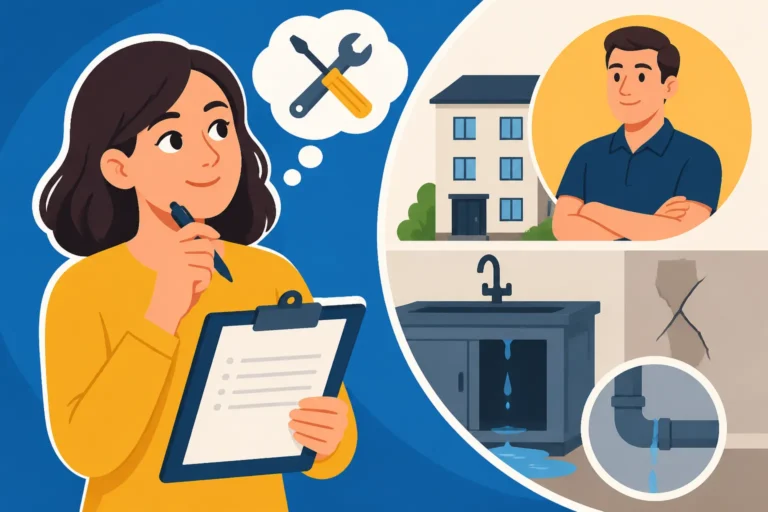
Discovering water damage in your rental can feel like a punch to the gut. The unexpected stains, the dripping sounds, the potential for mold – it's not just a mess, it's a huge source of anxiety about who's going to pay for the cleanup and repairs. This comprehensive guide is here to untangle the often-confusing web of landlord and tenant responsibilities when water damage strikes, giving you clear insights into your rights and duties.
Understanding the Common Causes of Water Damage in Rentals
Water damage isn't a single event; it can stem from a variety of sources, each with its own implications for who bears the financial burden. Pinpointing the cause is often the first, critical step in figuring out responsibility. Without understanding why the damage occurred, it's nearly impossible to assign blame or liability.
Sudden and Accidental Leaks
These are the most dramatic and often the most immediately apparent types of water damage. They typically come on quickly and can cause significant damage in a short amount of time.
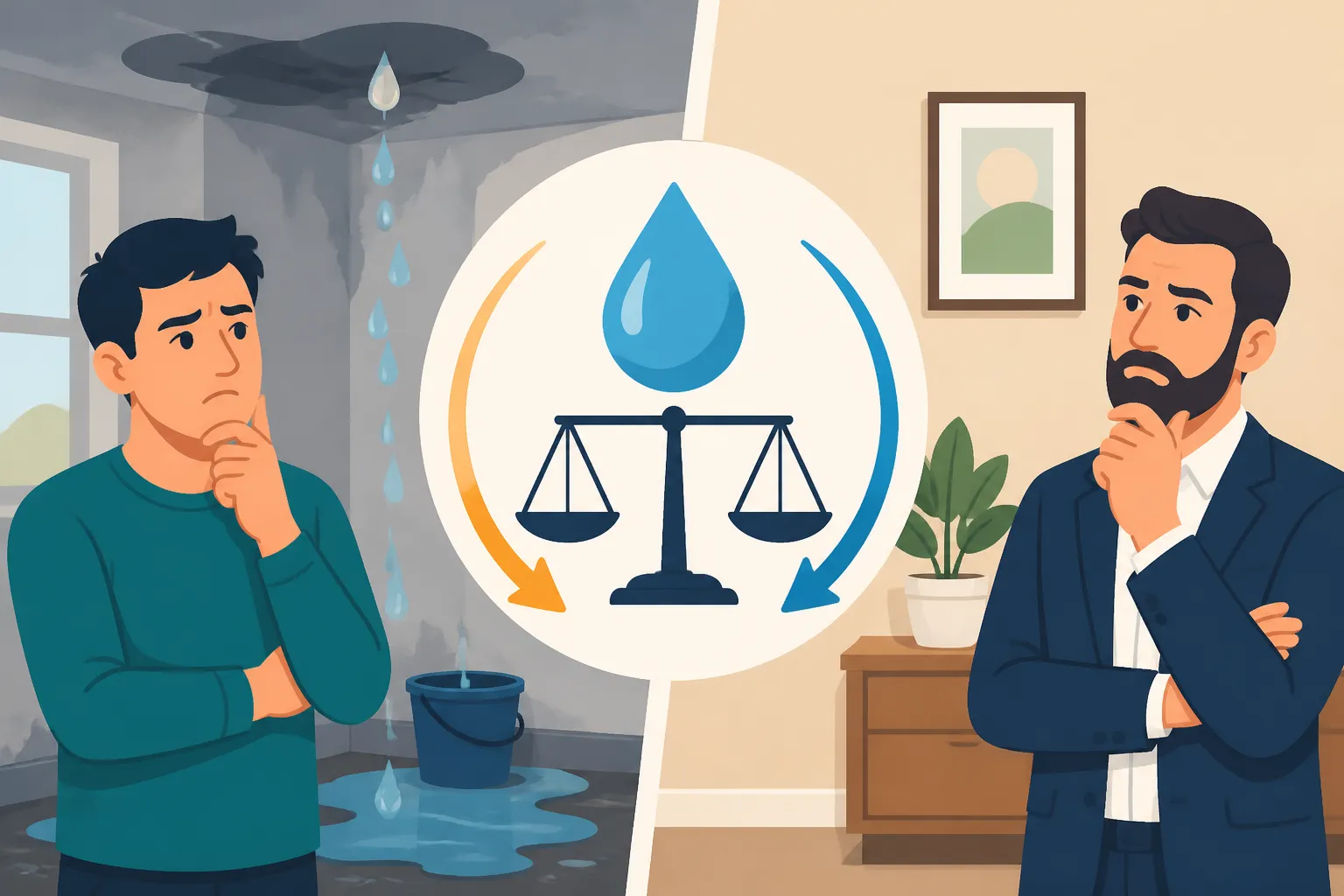
Imagine coming home to find water pooling in your kitchen from a burst pipe behind the wall. This kind of incident, often caused by freezing temperatures, old plumbing, or structural failures, is usually outside of a tenant's direct control. Similarly, a sudden malfunction of an appliance, like a water heater bursting its tank or a refrigerator's water line snapping, falls into this category. These aren't things a tenant typically has foresight or control over, making them generally a landlord's responsibility to repair the source and the resulting structural damage.
The immediacy of these events means quick action is paramount. Tenants usually need to prioritize safety, try to mitigate further damage if safe to do so (like turning off the water main), and then immediately notify their landlord or property manager. The key here is the unforeseen and often unpreventable nature from the tenant's perspective.
Gradual Leaks and Neglect
Not all water damage announces itself with a dramatic gush. Sometimes, the most insidious damage comes from slow, persistent leaks that go unnoticed for extended periods, often leading to bigger problems like rot or mold.
Think about a slow drip under the bathroom sink that you didn't notice because it was hidden behind cleaning supplies, or a persistent discoloration on the ceiling that hinted at a roof leak but wasn't promptly investigated. These issues, while less dramatic, can cause extensive structural damage and create unhealthy living conditions over time. The challenge with gradual leaks is determining at what point the issue became evident, or should have been evident, and whether it was neglected.
If a tenant was aware of a small leak and failed to report it, allowing it to escalate, their responsibility might increase. However, if the leak was entirely hidden, perhaps behind a wall or under flooring, and only discovered when significant damage had already occurred, the landlord's responsibility often remains primary, especially if it's tied to the building's infrastructure or faulty installation. The timeline of discovery and reporting becomes crucial in these scenarios.
Natural Disasters and External Forces
Sometimes, water damage is an act of nature, completely outside the control of both landlord and tenant. These events can be devastating and often involve complex insurance claims.
Heavy rainstorms leading to roof leaks, severe flooding from rising rivers or overflowing drainage systems, or damage from fallen trees during a hurricane are all examples of water damage caused by natural disasters. In these cases, the damage is typically to the structure itself, making it almost always the landlord's responsibility to repair the property. The tenant's personal belongings, however, would be covered by their renter's insurance policy, if they have one.
It's important to differentiate between damage directly caused by a storm and damage exacerbated by poor property maintenance. If a landlord failed to repair a known, leaky roof before a storm, and the storm then caused significant water intrusion, the landlord's negligence might factor into their liability beyond what a typical natural disaster would entail. This is why thorough Landlord Repair Responsibilities What They Must Fix are so crucial.
Tenant Negligence or Misuse
Unfortunately, sometimes water damage can be directly attributed to a tenant's actions, or lack thereof. This is where the lines of responsibility become clearer, placing the burden on the renter.
An overflowing bathtub or toilet due to inattention, a washing machine hose that was improperly connected by the tenant, or even a stopped-up drain that was ignored until it caused an overflow – these are all scenarios where tenant negligence is a direct cause. If you leave a window open during a heavy rainstorm and water pours in, damaging the flooring, that's typically on you. These situations differ from accidental leaks because a reasonable person could have prevented the damage through carefulness or timely action.
Another common scenario involves tenants trying to perform their own repairs or modifications to plumbing without proper knowledge or permission, leading to leaks or bursts. In these cases, the tenant is almost certainly responsible for the damage. It highlights the importance of understanding the difference between Normal Wear and Tear vs Damage: Complete Guide and knowing when to call a professional or your landlord.
Determining Landlord Responsibility for Water Damage
Generally speaking, landlords are responsible for maintaining the structural integrity and essential systems of a rental property. When water damage arises from issues related to these areas, the responsibility often falls squarely on their shoulders.
Implied Warranty of Habitability
The "implied warranty of habitability" is a fundamental principle in landlord-tenant law, meaning a landlord promises that the rental property is fit for living and free from serious defects. Water damage that compromises this habitability is a serious issue.
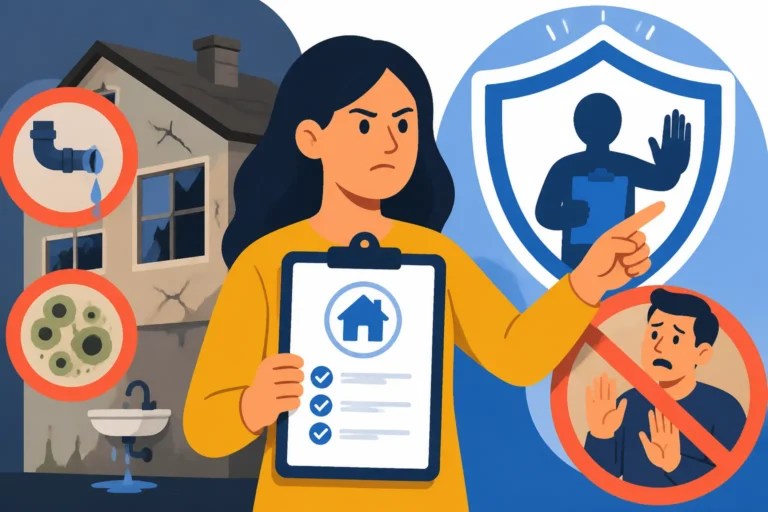
If your ceiling is caving in from a persistent roof leak, or if black mold is blooming on your walls due to unaddressed moisture issues, these conditions directly impact your health and safety. The law generally requires landlords to provide and maintain a safe and livable home. This includes ensuring the roof doesn't leak, the plumbing works, and there are no persistent moisture problems that could lead to dangerous mold growth. Should a major water issue arise from a structural defect or a failure of a critical system (like a hot water heater supplied by the landlord), it's typically the landlord's duty to rectify it. Understanding the Implied Warranty of Habitability Explained is crucial for both tenants and landlords.
In some severe cases, if a landlord fails to address a significant water damage issue that makes the property unlivable, tenants might have grounds for a "constructive eviction" or even the right to Breaking a Lease for Uninhabitable Conditions. However, these are serious steps with legal ramifications and should only be considered after consulting with legal counsel.
Maintenance and Repair Obligations
Landlords have an ongoing duty to maintain the property, ensuring that common areas and essential services remain functional and safe. This naturally extends to preventing and repairing water damage.
Think about a leaky faucet that the landlord was notified about but never fixed, eventually leading to water damage in the cabinet below. Or perhaps the main sewage line backs up, causing water to flood the basement. These are infrastructure issues that fall under the landlord's maintenance umbrella. Landlords are typically responsible for maintaining the roof, foundation, exterior walls, and all major plumbing and electrical systems. If a pipe bursts due to age, poor installation, or freezing (and the landlord failed to take reasonable preventative measures), the landlord is generally responsible for repairing both the pipe and the subsequent water damage to the property.
It's not just about fixing things when they break; it's also about preventative maintenance. For instance, ensuring gutters are clear or that the property has proper drainage away from the foundation can prevent significant water damage. Property management solutions, such as those offered by platforms like TurboTenant, can sometimes help landlords streamline maintenance requests and tracking, which can be beneficial for everyone involved.
Failure to Address Known Issues
Perhaps one of the most frustrating scenarios is when a landlord knew about a potential water problem but simply ignored it, allowing it to worsen. This can significantly increase their liability.
Let's say you've reported a recurring leak around a window every time it rains heavily, and you even have documented How to Request Repairs in Writing from months ago. If the landlord did nothing, and now that leak has caused severe water damage to the wall and floor, it moves beyond a simple repair issue to a clear case of negligence. In such instances, tenants have a much stronger argument for holding the landlord fully responsible for all repairs and even potential damages to personal property if those were foreseeable.
This also applies to problems like a constantly running toilet or a slow drain that, while minor initially, could indicate larger plumbing issues that should be addressed before they lead to an overflow or burst. Proving that the landlord was aware of the issue and failed to act is crucial. This is why keeping detailed records of all communication, including dates, times, and specific descriptions of the problem, is incredibly important for tenants.
Determining Tenant Responsibility for Water Damage
While landlords hold significant responsibility for the property's structure and systems, tenants also have duties to uphold. When water damage is a direct result of tenant actions or inactions, they are typically on the hook.
Negligence or Misuse of Property
Tenants are expected to use the rental property responsibly and reasonably. Actions that fall short of this standard and lead to water damage can result in tenant liability.
A classic example of tenant negligence is an overflowing bathtub or sink. If you turn on the water, get distracted, and let the tub run over, the resulting water damage to the bathroom floor or ceiling below would be your responsibility. Similarly, if you block a toilet with excessive paper products or inappropriate items and cause it to overflow, that's generally considered misuse. Failing to report a running toilet that eventually leads to a flood, or carelessly leaving a window open during a torrential downpour, are other common scenarios. These aren't defects of the property but rather incidents arising from a tenant's lack of reasonable care.
It's about the expectation of how a tenant will treat the property. You're not expected to perform major plumbing repairs, but you are expected to prevent avoidable damage through normal, conscientious living. Landlords often clearly outline tenant responsibilities in the lease agreement, including proper care of the property and prompt reporting of maintenance issues.
Damage Caused by Guests or Pets
Tenants are generally held responsible for the actions of anyone they allow onto the property, including guests and pets. If a visitor or a furry friend causes water damage, the tenant typically bears the cost.
Imagine your friend is staying over and accidentally leaves the shower running, causing a leak into the downstairs unit. Or perhaps your dog chews through a washing machine hose or knocks over a large vase of water onto a hardwood floor, causing damage. In these scenarios, the landlord will look to you, the tenant, to cover the repair costs. This is because, as the leaseholder, you are responsible for maintaining control over your unit and ensuring those within it also treat the property with care.
This is a critical area where renter's insurance comes into play. Policies from providers like Lemonade often cover damage to the landlord's property if it's caused by your negligence or the actions of your guests or pets. This can be a lifesaver, as repairing significant water damage can be incredibly expensive. It's important to differentiate pet damage from pet deposit rules; while a pet deposit might cover some pet-related damage, severe water damage caused by a pet's actions usually falls under the tenant's broader liability.
Failure to Maintain Tenant-Provided Appliances
While landlords are responsible for appliances they provide, if you bring your own appliances, their maintenance and any damage they cause typically fall on you.
If you bring your own washing machine into the rental, and a faulty hose on your machine bursts and floods the apartment, the responsibility for the damage would likely be yours. This includes both the damage to the property itself and potentially to any other units affected. The same applies to portable dishwashers or other water-using appliances you introduce to the space. Landlords are only responsible for the items they furnish as part of the rental agreement.
Before bringing in any major appliances, it's always a good idea to check your lease for specific rules and consider the potential liabilities. Ensuring proper installation and regular maintenance of your personal appliances can prevent costly accidents. In some cases, your renter's insurance policy might cover some of these damages, but it's essential to understand your policy's specifics.
Documenting Water Damage and Next Steps
Regardless of who is ultimately responsible, how you react to water damage can significantly impact the outcome. Proper documentation and timely action are key to protecting your interests.
Immediate Actions After Discovering Damage
Finding water damage is stressful, but a calm, systematic approach can prevent further problems and help with future claims.
First and foremost, ensure your safety. If there's a risk of electrical shock or a significant structural issue, evacuate the area. If safe to do so, try to stop the source of the water – whether it's turning off a leaky faucet, shutting off the water supply to an appliance, or even locating the main water shut-off valve for the entire unit. Once the immediate crisis is contained, notify your landlord or property manager immediately, ideally through a phone call followed by a written communication (email or text). This provides a timestamped record of your notification.
Next, start moving personal belongings away from the water to prevent further damage. If possible, use towels or buckets to contain the spread of water. Remember, your landlord is responsible for repairing the property, but your renter's insurance covers your personal items. So, while you're trying to save your sofa, your landlord will be focused on drying out the walls and floors.
Comprehensive Documentation for Claims
Paperwork and proof are your best friends when dealing with water damage. The more evidence you have, the smoother the process will be.
As soon as it's safe, take extensive photos and videos of the damage. Capture wide shots to show the extent, and close-ups to detail specific issues like water stains, warped flooring, or damaged furniture. Make sure your photos are date and time-stamped. Document the cause of the water if you can identify it (e.g., a burst pipe, an overflowing toilet). Keep copies of all communication with your landlord or property management company, including initial notifications, follow-up messages, and any repair timelines. This documentation is invaluable whether you're disputing a security deposit deduction later or making a claim with your insurance company. This is why a thorough Move-In / Move-Out Inspection Guide with accompanying photos at the start of your tenancy can be so helpful.
It's also a good practice to create a list of damaged personal belongings, including their approximate value. If your landlord is found liable for damages to your personal property (which is rare, but possible in cases of extreme negligence), or if you need to file a claim with your own renter's insurance, this inventory will be essential.
Understanding Insurance: Renter's vs. Landlord's
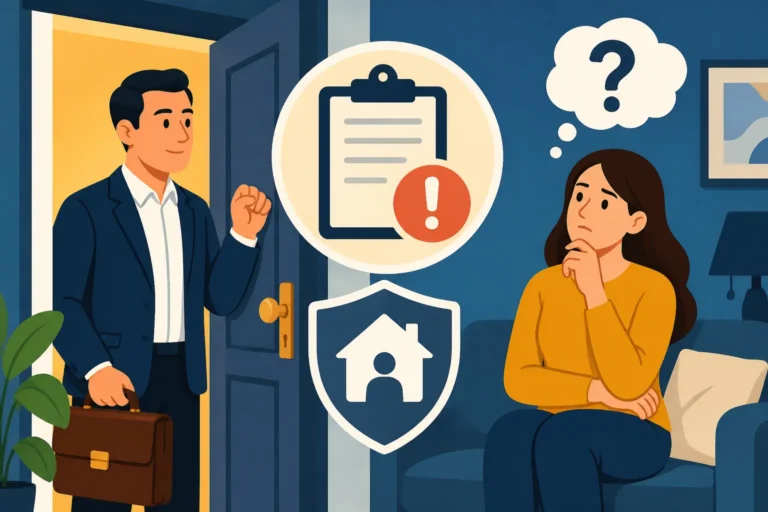
This is often the biggest point of confusion. Knowing what each type of insurance covers is crucial for both parties.
A landlord's insurance policy (often called dwelling fire or property insurance, and sometimes specifically landlord insurance, which can be found through providers like Steadily) covers the physical structure of the building itself, including the walls, roof, plumbing, and landlord-owned appliances. It protects the landlord's investment in the property. However, it does not cover the tenant's personal belongings. If a pipe bursts and ruins your couch, the landlord's insurance won't pay for your couch. It will only pay for the repairs to the burst pipe and the damage to the apartment's flooring and walls.
Renter's insurance, on the other hand, is designed specifically for tenants. Policies from companies like Lemonade cover your personal possessions (furniture, electronics, clothing) from covered perils, including water damage. It also typically provides liability coverage, which can be vital if your negligence causes damage to the rental property or to another tenant's unit. For instance, if your overflowing tub causes damage to the apartment below, your renter's insurance liability coverage could step in to cover those costs. It's a small investment that offers immense protection, and many landlords require tenants to have it.
Here's a quick overview of who typically covers what:
| Cause of Water Damage | Landlord's Responsibility (Property) | Tenant's Responsibility (Property) | Tenant's Responsibility (Personal Property) |
|---|---|---|---|
| Burst Pipe (age/structural) | Repair pipe, structural damage, mold if applicable | Not typically | Covered by renter's insurance |
| Roof Leak (maintenance issue) | Repair roof, structural damage, mold if applicable | Not typically | Covered by renter's insurance |
| Appliance Malfunction (LL-owned) | Repair appliance, structural damage | Not typically | Covered by renter's insurance |
| Overflowing Tub (tenant error) | Not typically | Repair structural damage | Covered by renter's insurance (liability may cover LL property) |
| Clogged Drain (tenant negligence) | Not typically | Repair structural damage | Covered by renter's insurance (liability may cover LL property) |
| Natural Disaster (e.g., flood) | Repair structural damage | Not typically | Covered by renter's insurance |
| Tenant's Own Appliance Leak | Not typically | Repair structural damage | Covered by renter's insurance (liability may cover LL property) |
Remember, this table is a general guide. Specific lease clauses, state laws (e.g., Security Deposit Laws by State (2026)), and the precise circumstances of the damage can always influence the outcome. If you believe your landlord is unfairly deducting from your security deposit for water damage, you may need to learn How to Dispute Security Deposit Deductions.
Disclaimer
The information provided in this guide is intended for general informational purposes only and does not constitute legal advice. Landlord-tenant laws vary significantly by state and locality. For specific legal guidance regarding your situation, always consult with a qualified attorney or housing authority in your area.