Who Pays for Appliance Repairs?
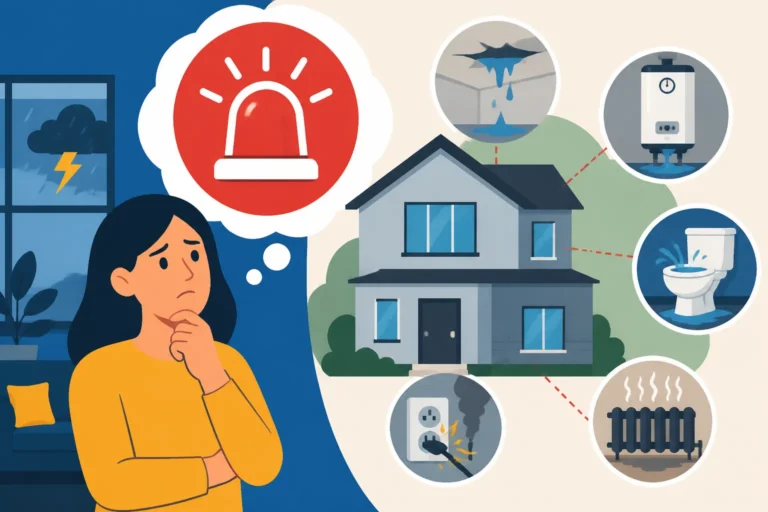
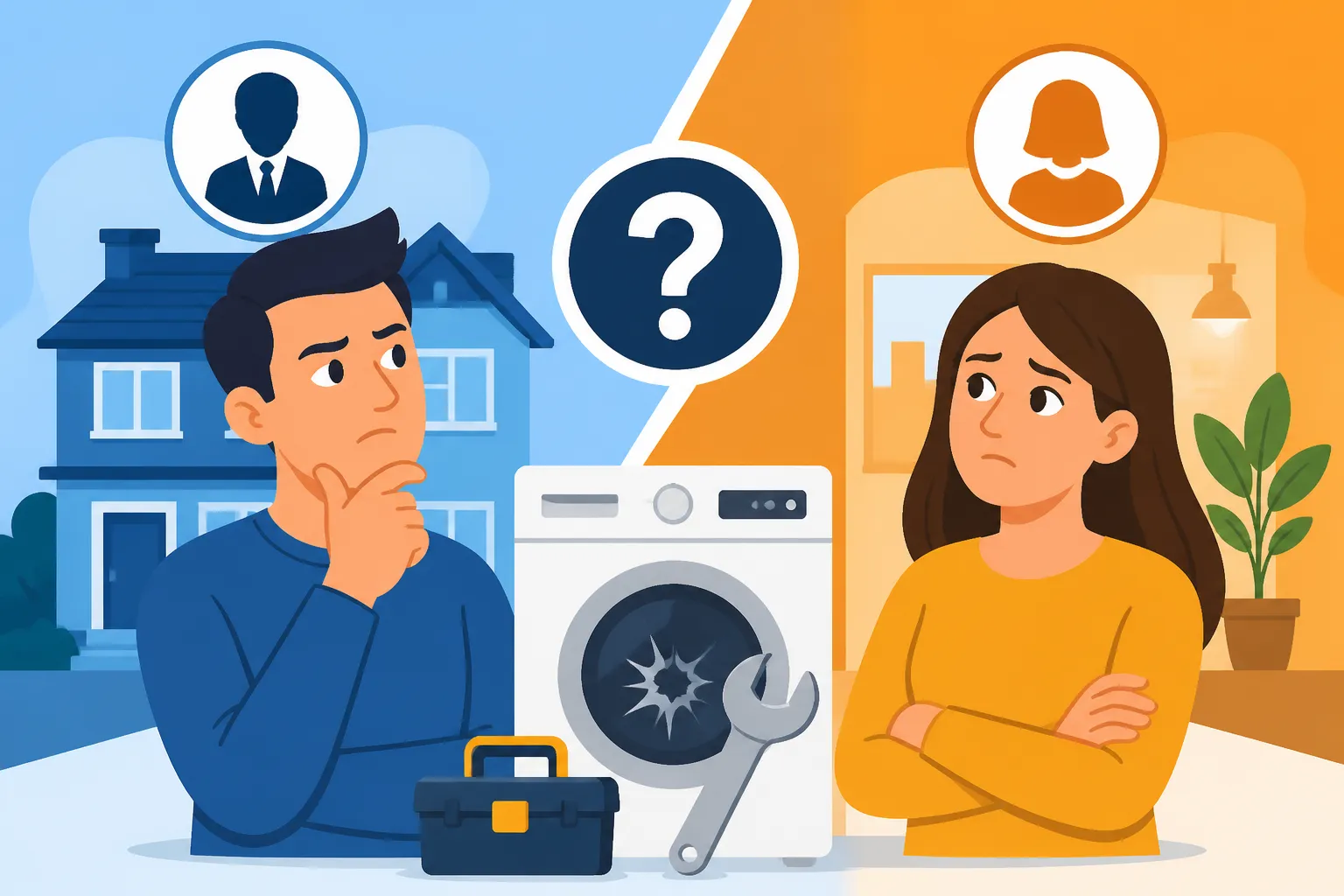
It's incredibly frustrating when an appliance breaks down in your rental home, leaving you wondering who's on the hook for the repair bill. This common dilemma often sparks anxiety and confusion, especially when you're trying to figure out if it's your responsibility or your landlord's to get things working again. This comprehensive guide is here to shed light on exactly who pays for appliance repairs in a rental property, outlining the crucial factors that determine responsibility and equipping you with the knowledge to navigate these situations with confidence.
Understanding the Baseline of Landlord Appliance Responsibility
When you move into a new rental, you usually assume that the appliances provided will function as they should. And for good reason! Most states have laws and precedents that establish a baseline for what a landlord must provide and maintain. It’s not always black and white, but there are some fundamental principles that guide these responsibilities.
The Implied Warranty of Habitability
This is a big one, and it's something every renter and landlord needs to understand. The "implied warranty of habitability" means that a landlord is legally obligated to provide a rental property that is safe and fit for living. It’s "implied" because it exists whether or not it’s explicitly written into your lease agreement. This warranty ensures that essential services and facilities, which often include major appliances if they were provided, are in good working order.
For example, if your landlord provided a refrigerator, it needs to keep food cold. If it stops working, preventing you from safely storing food, that could very well fall under a breach of the implied warranty of habitability. This doesn't mean every single luxury appliance is covered, but crucial ones for daily living generally are. The specific definition can vary slightly by state, but the core idea remains: you have a right to a safe and livable home. You can learn more about this by checking out our guide on the Implied Warranty of Habitability Explained.
When Appliances are Included in the Lease
The lease agreement is your primary source of truth. If an appliance—like a refrigerator, stove, dishwasher, or even a washer and dryer—is specifically listed in your lease as being provided by the landlord, then it's generally the landlord's responsibility to maintain and repair it. Think of it this way: if it’s part of the package you're renting, it’s part of what the landlord needs to keep operational.
Let's say your lease explicitly states that a "Whirlpool refrigerator and Maytag washing machine are included." If the refrigerator suddenly starts leaking or the washing machine won't spin, the expectation is that your landlord will arrange for the repairs. This clause in your lease acts as a clear agreement between you and your landlord, removing much of the ambiguity. Even if the lease doesn't explicitly state the responsibility for repairs, the mere inclusion of the appliance typically places the onus on the landlord to ensure its functionality.
State and Local Laws Governing Appliance Repairs
While the implied warranty of habitability and your lease are major factors, state and local landlord-tenant laws often provide additional specifics. Some states, like California, have quite robust tenant protection laws that clearly outline landlord responsibilities for maintaining certain amenities, including appliances crucial for a habitable living space. Other states might be less explicit, leaving more to the interpretation of the lease or common law.
It’s always a good idea to research your specific state’s laws or even city ordinances. For instance, in some areas, a broken stove or refrigerator might be considered an "emergency repair" that requires a rapid response from the landlord. Some states even have specific timelines for how long a landlord has to make repairs for various issues. Knowing these nuances can give you a lot of leverage if you find yourself in a dispute. Checking out resources on How Long Does a Landlord Have to Make Repairs By State can be incredibly helpful for understanding your local timelines.
Differentiating Landlord vs. Tenant Responsibility
One of the biggest areas of confusion for both renters and landlords revolves around who owns what appliance and, consequently, who is responsible when it breaks. It's not always as simple as "landlord owns, landlord fixes." The nuances of ownership, how the damage occurred, and even specific lease clauses all play a role.
Appliances Provided by the Landlord
If your landlord installed the appliance before you moved in, or if they purchased it specifically for the rental unit, then generally, they are responsible for its repair and maintenance. This includes everything from the refrigerator and stove to the dishwasher and built-in microwave. These items are considered part of the property and are factored into your rent.
Imagine you're renting an apartment in Seattle. Your lease includes a GE refrigerator and a Bosch dishwasher. One morning, you wake up to find the fridge isn't cooling. Because it's a landlord-provided appliance, it's typically their job to call a technician, pay for the repair, or replace the unit if it's beyond repair. This responsibility extends to normal wear and tear that naturally occurs over time. A good landlord, especially one using a service like TurboTenant to manage their properties, will have a clear system for tracking maintenance requests and ensuring these repairs are handled promptly to keep tenants happy and maintain the value of their investment.
Appliances Owned by the Tenant
On the flip side, if you bring your own appliances into the rental unit, you are almost always responsible for their upkeep and repair. This often happens with things like portable washing machines, microwaves you prefer over a landlord-provided one, or specialized kitchen gadgets.
Let’s say you moved into a charming bungalow in Portland, Oregon, that didn't come with a washer and dryer hookup, so you bought a compact, ventless all-in-one unit. If that unit breaks down, the cost and responsibility for repair or replacement fall entirely on you. The landlord has no obligation to fix something that isn't their property and wasn't part of the original rental agreement. The key here is clear documentation at move-in and ensuring anything you bring in won't cause damage to the property itself, which you would still be liable for.
Damage Caused by Tenant Misuse or Neglect
This is where things can get a little tricky, and it's often the source of disputes. While landlords are responsible for repairs due to normal wear and tear, tenants are responsible for damage caused by their own misuse, negligence, or accidental damage.
Consider a scenario: your landlord provided a new stainless steel refrigerator in your Austin apartment. If the compressor fails due to age, that's likely the landlord's responsibility. However, if you overload the freezer shelf and it collapses, breaking the internal components, or if you accidentally drop a heavy pot on the stovetop, cracking the glass, then the repair cost would likely fall to you. It’s not always malicious intent; sometimes it’s just an accident. For example, consistently trying to wash items that are too heavy for a standard washing machine, causing the motor to burn out, could be considered misuse. These situations often require a careful assessment of the damage, and clear communication is crucial to avoid misunderstandings.
Common Appliance Repair Scenarios and Who Pays
Let's dive into some common appliance breakdowns you might encounter and clarify who typically shoulders the financial burden for their repair. Understanding these specific examples can help you feel more prepared when something inevitably goes wrong.
Refrigerator or Stove Malfunctions
These are arguably two of the most critical appliances in any rental unit, directly impacting your ability to store food and cook meals. When a refrigerator stops cooling, or a stove burner refuses to ignite, it can feel like a major crisis.
If your landlord provided the refrigerator and it suddenly stops working due to a mechanical failure (e.g., the compressor gives out, or the thermostat breaks), the responsibility almost always rests with the landlord. This is because a functioning refrigerator is often considered essential for a habitable living space, preventing food spoilage. The same goes for a stove or oven; if it stops heating or an electrical component fails, it's typically the landlord's duty to repair or replace it. However, if the issue arises because you've, say, aggressively cleaned a ceramic stovetop with an abrasive scrubber and scratched it beyond repair, or if you've overloaded the fridge with too many items, blocking vents, then the landlord might argue the damage was due to misuse and pass the cost onto you. Documentation of the appliance's condition at move-in, perhaps through a Move-In / Move-Out Inspection Guide, is vital here.
Washer and Dryer Issues
While not always considered "essential" for habitability in the same way a stove or refrigerator might be, if a washer and dryer are provided as part of your rental, their repair generally falls to the landlord. Many leases explicitly state the inclusion of these units, and therefore, the expectation of their functionality.
Imagine you're living in a townhome in Denver, Colorado, and the landlord-provided washing machine suddenly stops agitating or the dryer stops producing heat. These are common issues that arise from normal wear and tear. Your landlord would typically be responsible for hiring a technician to diagnose and fix the problem. However, if you've been washing cinder blocks (exaggeration, but you get the idea!) and that abuse leads to a broken drum, or if lint buildup from neglecting to clean the dryer filter causes a fire, the landlord could reasonably argue that the damage was due to your negligence and seek reimbursement for repairs. Regular maintenance, like cleaning lint traps, is often the tenant's responsibility and can prevent costly issues.
Dishwasher and Microwave Problems
Dishwashers and built-in microwaves are more often considered convenience appliances, but if they were included in your rental agreement, their functionality is still the landlord's responsibility. While you might not be able to withhold rent for a broken dishwasher in the same way you might for a lack of heat or hot water, your landlord is still obligated to maintain appliances they've provided.
If the dishwasher in your apartment in Atlanta, Georgia, starts leaking or won't drain, or the built-in microwave stops heating food, it's typically up to the landlord to address these issues. These problems usually stem from mechanical failure or age, which are part of the landlord's burden for maintaining their property. However, if you try to wash something clearly not meant for a dishwasher (like a cast-iron pan, causing rust) or put metal in the microwave, leading to sparks and damage, then the repair costs would likely fall to you. Again, documenting the appliance's condition upon move-in can protect you from false accusations later. For landlords, having landlord insurance from a provider like Steadily can offer peace of mind, as it often covers damage to appliances that are part of the property due to covered perils like fire or severe weather, though not typically breakdowns from normal wear and tear.
Navigating the Repair Process and Communication
When an appliance breaks, the key to a smooth resolution lies in clear, timely communication and proper documentation. As a tenant, it’s important to know your steps, and as a landlord, it’s crucial to respond effectively.
Documenting the Issue and Notifying Your Landlord
The moment you discover a broken appliance, your first step should always be to document it. Take photos or videos of the issue, noting the date and time. For instance, if your refrigerator isn't cooling, take a picture of the internal temperature reading or any spoiled food. If the dishwasher is leaking, photograph the puddle. This creates an undeniable record.
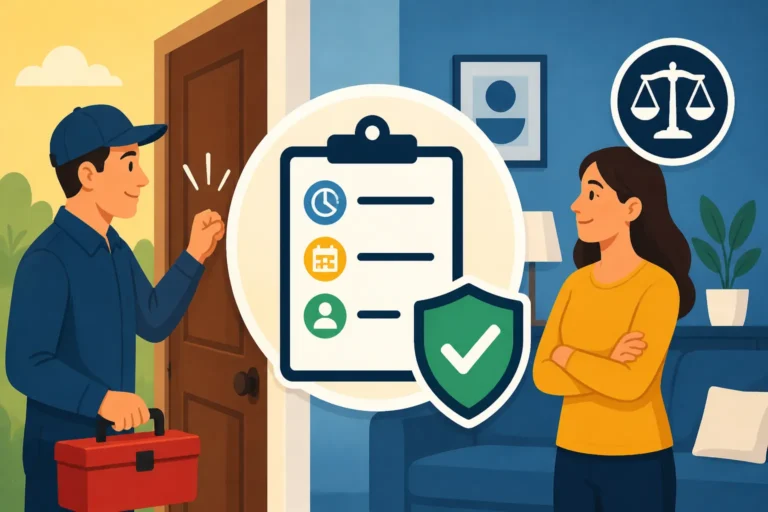
Next, you need to notify your landlord, and doing so in writing is paramount. While a quick phone call might be your first instinct, always follow up with an email, text message, or certified letter. This provides a paper trail. In your written notification, clearly state:
- What appliance is broken.
- The exact nature of the problem (e.g., "refrigerator not cooling," "washer not spinning").
- The date you discovered the issue.
- Any immediate impacts (e.g., "food is spoiling").
- A request for prompt repair.
This written request is not just a polite courtesy; it's often a legal requirement before you can take further action, such as performing a Repair and Deduct by State. This formal approach helps establish a timeline and demonstrates that you've fulfilled your part of the tenant responsibilities.
What to Do If Your Landlord is Unresponsive
Unfortunately, not all landlords are quick to respond to repair requests. If you've formally notified your landlord in writing and a reasonable amount of time has passed without a response or resolution, you have options, though these vary significantly by state. A "reasonable amount of time" often depends on the severity of the issue; a broken refrigerator might warrant a faster response than a leaky faucet.
Your next steps might include:
- Sending a follow-up letter: Reiterate your initial request, reference the previous communication, and state your intent to take further action if the issue isn't resolved.
- Reviewing your tenant rights: Many states allow tenants to take specific actions if a landlord fails to make necessary repairs to maintain habitability.
- Contacting local housing authorities: Some cities or counties have housing departments that can intervene and ensure landlords comply with local codes.
- Considering legal action: In some cases, tenants may be able to pursue legal avenues, such as suing for damages or seeking an order for repairs.
Before taking drastic measures, make sure you've documented everything thoroughly. For a comprehensive overview, our article on How to Get a Landlord to Make Repairs provides detailed steps and considerations.
Repair and Deduct Options
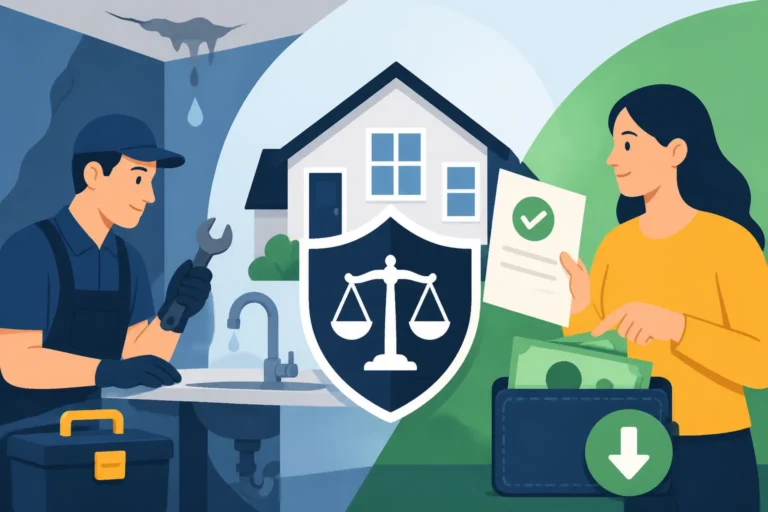
The "repair and deduct" option is a powerful tool for tenants, but it's also one that comes with strict legal requirements and should only be used as a last resort. This allows a tenant to arrange for a necessary repair themselves and then deduct the cost from their next month's rent. However, it’s rarely as simple as just calling a repair person.
Most states that permit repair and deduct have specific conditions, such as:
- The repair must be for a serious issue that affects habitability (e.g., no heat, no hot water, a broken essential appliance like a refrigerator).
- You must have given your landlord proper written notice of the issue.
- Your landlord must have failed to make the repair within a legally specified "reasonable time" or by a certain deadline after receiving notice.
- The cost of the repair must be "reasonable" and often has a cap (e.g., no more than one month's rent).
- You must keep detailed receipts and documentation of the repair.
Improperly using the repair and deduct remedy could lead to your landlord claiming you haven't paid rent, potentially resulting in an eviction notice. Always verify your state and local laws regarding repair and deduct before proceeding. Our guide on Can I Withhold Rent if My Landlord Won't Make Repairs? offers more insights into this complex topic.
Insurance Considerations for Appliance Breakdowns
Understanding how insurance plays a role in appliance repairs can save both landlords and tenants a lot of headache and unexpected costs. It's not just about who fixes it, but who ultimately covers the financial loss if things go south.
Landlord's Property Insurance
Your landlord almost certainly has property insurance, also known as landlord insurance. This policy is designed to protect the physical structure of the rental property and their personal property within it. This typically includes appliances like refrigerators, stoves, dishwashers, and washers/dryers that the landlord owns and provides to the tenants.
However, landlord insurance usually covers damage to these appliances only if it's caused by a covered peril, such as a fire, lightning strike, hail, vandalism, or certain types of water damage (like a burst pipe). It generally does not cover mechanical breakdowns due to age, wear and tear, or general maintenance issues. So, if the fridge stops working because its motor died after 10 years, that's a maintenance issue for the landlord to resolve out of pocket, not an insurance claim. But if a kitchen fire damages the stove, the landlord's insurance policy from a company like Steadily would likely cover the cost of replacing it, subject to their deductible. It's an important distinction that many people miss.
Renter's Insurance and Your Personal Property
This is where your personal protection comes in. Renter's insurance is often overlooked by tenants, but it's a critical safety net. While your landlord's insurance covers the building and their appliances, it does not cover your personal belongings. If a landlord-provided appliance malfunctions and causes damage to your property – say, a leaky refrigerator ruins your expensive rug or a burst washing machine hose floods your bedroom and destroys your laptop – your renter's insurance policy would typically cover the cost of replacing or repairing your damaged possessions, up to your policy limits and after your deductible.
Companies like Lemonade offer affordable renter's insurance policies that also usually include liability coverage, protecting you if you accidentally cause damage to the rental property itself (e.g., if you overflow the tub and it causes water damage to the unit below) or if someone is injured in your apartment. It's a small monthly investment that can prevent huge financial losses. Even if your landlord is responsible for fixing their broken appliance, your renter's insurance is what protects your stuff from the fallout.
Home Warranty Plans for Landlords
Some landlords opt for home warranty plans in addition to or sometimes instead of relying solely on their property insurance for appliance breakdowns. A home warranty is a service contract that covers the repair or replacement of major home systems and appliances that break down due to normal wear and tear. This is different from insurance, which covers perils.
For a landlord, a home warranty can be a cost-effective way to manage appliance repairs. Instead of paying the full cost of a technician visit and parts, they pay an annual fee and a service call fee (similar to a deductible) each time a covered appliance needs repair. If the landlord has a home warranty, and a provided appliance like the oven breaks due to normal use, they would contact the home warranty company, which then dispatches a contractor. This can streamline the repair process and help landlords budget for maintenance costs, providing a smoother experience for both them and their tenants.
Summary of Appliance Repair Responsibilities
To help you quickly determine who's generally responsible, here's a table outlining common scenarios:
| Appliance Provider | Type of Issue | Cause of Damage | Typical Responsibility | Notes |
|---|---|---|---|---|
| Landlord Provided | Mechanical Breakdown | Normal Wear & Tear | Landlord | This is the most common scenario. Landlord covers repair or replacement. |
| Landlord Provided | Malfunction/Damage | Tenant Misuse/Neglect | Tenant | If the tenant clearly caused the damage through abuse or negligence, they are usually responsible. Landlord may deduct from security deposit. |
| Landlord Provided | Damage by Covered Peril | Fire, Flood, Vandalism | Landlord (via insurance) | Landlord's property insurance would typically cover the appliance replacement/repair. Tenant's renter's insurance would cover their personal property damaged by the same event. |
| Tenant Provided | Any Breakdown | Any Cause | Tenant | If you brought your own appliance, it's your sole responsibility to maintain and repair it, regardless of the cause. |
| Tenant Provided | Damage to Property | Tenant Misuse/Neglect | Tenant (via liability) | If your tenant-owned appliance causes damage to the rental property itself (e.g., a leaky portable washer floods the floor), you're liable for the property damage, often covered by your renter's insurance. |
Remember, this table provides general guidelines. Always refer to your specific lease agreement and familiarize yourself with your state's landlord-tenant laws to understand your exact rights and responsibilities.
Proactive Steps for Both Landlords and Tenants
Preventative measures and clear understanding can help both parties avoid disputes and costly repairs. Taking a few proactive steps can make a world of difference when an appliance decides to call it quits.
Maintaining Appliances: Shared Understanding
While major repairs on landlord-provided appliances are usually the landlord's responsibility, tenants often have a role in routine maintenance. This includes tasks like regularly cleaning lint traps in dryers, keeping refrigerator coils free of dust, and using appliances as they are intended. Sometimes, minor issues can escalate into major repairs if basic maintenance is neglected.
For example, a dryer that isn't regularly cleaned can become a fire hazard, and that damage would very likely fall on the tenant. Conversely, landlords should provide tenants with any specific maintenance instructions for unique or high-end appliances. A clear agreement on what constitutes "tenant maintenance" versus "landlord repair" can be beneficial. This shared understanding can be crucial in preventing larger issues down the line and falls under the broader umbrella of What Repairs Is a Landlord NOT Responsible For?.
Lease Clarity and Documentation
The lease is your best friend. A good lease agreement will explicitly list all appliances provided by the landlord and often include clauses about who is responsible for their repair. If your lease is vague on this point, consider asking your landlord for clarification in writing.
For landlords, having a detailed lease prepared through a platform like TurboTenant can help specify these terms. For tenants, always read your lease carefully before signing. Furthermore, thorough documentation at move-in and move-out is crucial. A detailed move-in checklist, complete with photos or videos, should document the condition of all appliances. This protects both parties by providing concrete evidence if there’s a dispute about pre-existing damage versus tenant-caused damage. Our guide on How to Document Your Apartment at Move-In offers excellent advice on this.
Open Communication is Key
Finally, fostering open and respectful communication between landlords and tenants can resolve many potential conflicts before they escalate. If an appliance breaks, tenants should inform their landlord promptly and clearly, in writing. Landlords, in turn, should acknowledge the request and communicate their plan for repair, including timelines.
Many issues can be resolved with a simple conversation and a commitment to address problems fairly. Avoid making assumptions or letting frustrations simmer. A landlord who is responsive and transparent about repairs builds trust, which benefits the entire tenancy. Similarly, a tenant who is proactive in reporting issues and cooperative during the repair process contributes to a positive rental experience.
Disclaimer
The information provided here is for general guidance and informational purposes only, and does not constitute legal advice. Landlord-tenant laws vary significantly by state and even by city. Always consult with a qualified legal professional or your local housing authority for advice tailored to your specific situation and jurisdiction.