Can I Withhold Rent if My Landlord Won’t Make Repairs?
It's incredibly frustrating when you're paying hard-earned money for a place to live, and your landlord simply isn't holding up their end of the bargain when it comes to repairs. You're left wondering if you have any recourse, and often, the idea of withholding rent crosses your mind as a way to get their attention. This comprehensive guide will walk you through the complexities of landlord-tenant law regarding repairs, explaining your options, the risks involved with withholding rent, and safer, more effective strategies to ensure your home is safe and habitable.
Understanding Your Landlord's Repair Responsibilities
Before you even think about withholding rent, it's crucial to understand what your landlord is actually responsible for fixing. Many tenants feel like their landlord should fix everything, but the law draws clear lines, primarily centered around what makes a home livable.
The Implied Warranty of Habitability
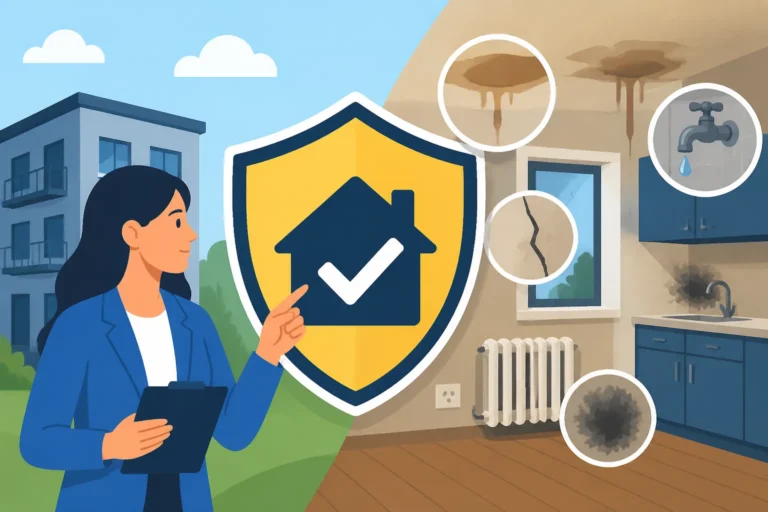
The cornerstone of tenant rights when it comes to repairs is often the "Implied Warranty of Habitability Explained". This isn't usually something explicitly written into your lease, but it's an unspoken promise that your landlord makes just by renting you a property. It means that your rental unit must be safe, clean, and fit for human habitation. It’s a pretty fundamental concept, but its application can sometimes feel murky.
What does "habitable" really mean? It generally covers essential services and conditions that are vital for health and safety. Think about the basics: a working roof that doesn't leak, hot water, heat in the winter, functioning plumbing, electrical systems that don't spark, and a reasonable absence of pests like rats or cockroaches. If any of these core necessities are compromised, your landlord is typically legally obligated to fix them. For instance, if your furnace conks out in January in upstate New York, making your apartment dangerously cold, that's a clear violation of the warranty of habitability. Conversely, a leaky faucet that drips constantly is annoying, but it probably doesn't make your apartment uninhabitable in the same way. The law is designed to protect tenants from truly egregious living conditions, not necessarily every minor inconvenience.
What Constitutes a Major vs. Minor Repair
This is where things can get tricky, and it’s often the source of many tenant-landlord disputes. Not every repair issue warrants the same level of urgency or legal action. Generally, major repairs are those that affect the habitability of your unit or pose a health and safety risk. These include a broken furnace during cold months, a non-functional toilet (especially if it's the only one), serious plumbing leaks that cause water damage or mold, unsafe electrical wiring, or infestations of rodents or certain insects. These are the kinds of issues where your landlord typically has a legal and immediate obligation to act.
On the other hand, minor repairs are nuisances or cosmetic issues that don't directly impact your health, safety, or the basic livability of the unit. A loose doorknob, a flickering lightbulb, a scuff mark on the wall, or a noisy refrigerator might be annoying, but they usually don't rise to the level of a habitability violation. While your landlord should fix these things as part of maintaining the property, their failure to do so typically doesn't give you the legal leverage to withhold rent or use more drastic measures. Understanding this distinction is crucial because misidentifying a minor issue as a major one can put you in a precarious legal position if you try to force the landlord's hand through extreme means.
Notice Requirements and Response Times
Even when dealing with a major issue, you can't just expect your landlord to read your mind. You have a responsibility to inform them of the problem properly. This means providing written notice. A casual text message might seem sufficient, but a formal letter or email that clearly outlines the issue, the date it was discovered, and requests a specific action is always best. This creates a paper trail, which is invaluable if you end up in a dispute. Many states have specific "How Long Does a Landlord Have to Make Repairs? (By State)" requirements, which dictate how quickly a landlord must respond to a repair request, especially for urgent issues affecting health and safety.
For emergency repairs, like a burst pipe or a complete lack of heat in winter, the response time is typically very short – often within 24 to 72 hours. Non-emergency but still significant repairs, such as a broken dishwasher or a minor roof leak, might allow a landlord more time, usually between seven and thirty days, depending on your state and local laws. It's essential to check your specific state statutes or local ordinances. For instance, in New York, landlords must make repairs within a "reasonable time," which for emergencies could be as little as 24 hours. In California, for habitability defects, a landlord typically has 30 days, but for emergencies, it's much shorter. Without proper, documented notice and a reasonable period for the landlord to address the issue, any attempt to withhold rent could be deemed illegal and put you at risk of eviction.
The Risky Business of Withholding Rent
The idea of "Withholding Rent for Repairs" might sound like the perfect way to get your landlord's attention when they're dragging their feet on repairs. After all, if they're not providing a habitable home, why should you pay them? While the sentiment is understandable, the reality is that directly withholding rent is one of the riskiest moves a tenant can make and is rarely advisable without explicit legal guidance.
Why Withholding Rent is Generally Discouraged
Let's be blunt: most states do not legally allow tenants to simply stop paying rent, even if the landlord isn't making repairs. Doing so can quickly lead to an eviction lawsuit. When you withhold rent, you are technically breaching your lease agreement. Your landlord can then serve you with an eviction notice, such as a "3-Day Notice to Pay or Quit," demanding the overdue rent or that you move out. If you don't comply, they can take you to court.
The burden of proof will then be on you to convince a judge that the conditions were so severe, and your landlord's inaction so prolonged, that withholding rent was justified. This is a very high bar to clear. If the judge doesn't agree with your assessment, you could be ordered to pay all back rent, court fees, and potentially even attorney fees for the landlord. Plus, an eviction filing, even if you win, can appear on your rental history and make it incredibly difficult to find future housing. It's a lose-lose situation for many tenants, which is why this path should almost always be avoided unless you have specific legal advice affirming your state's laws and the egregious nature of the violation.
State-Specific Laws and Nuances
Landlord-tenant laws are incredibly varied from state to state, and even city to city. What might be permissible in one jurisdiction could be a clear path to eviction in another. For example, states like Arizona and Massachusetts have specific statutes that outline situations where tenants can withhold rent for serious habitability issues, but these laws come with very strict conditions. You usually need to provide formal written notice, allow a specific amount of time for the landlord to respond, and the defect must genuinely impact your health and safety.
In many other states, direct rent withholding is either not permitted at all or is only allowed in extremely limited circumstances where the property is truly uninhabitable and the landlord has completely failed to act after repeated, documented requests. This means that if you're renting in, say, Georgia or Pennsylvania, and your landlord isn't fixing a broken appliance, simply not paying rent could be a huge misstep. It’s absolutely critical to research your local tenant rights or consult with a housing attorney before even contemplating this strategy. What you think is legal based on something you heard might actually be a fast track to eviction.
When Withholding Might Be Permissible Under Strict Conditions
In the rare instances where withholding rent is legally permissible, it’s almost exclusively tied to conditions that render the property uninhabitable and present a severe threat to your health or safety. This isn't for chipped paint or a slow drain. We're talking about things like a complete lack of heat in freezing temperatures, no running water, major structural damage, or severe pest infestations that the landlord has completely ignored after receiving proper notice.
Even in these dire circumstances, there are usually specific steps you must follow to protect yourself:
- Written Notice: You must provide your landlord with formal, written notice of the problem, sent via certified mail or a method that provides proof of delivery. The notice should detail the issue, state that it violates the warranty of habitability, and demand that repairs be made within a specific, legally defined timeframe (e.g., 72 hours for emergencies, 14 days for less urgent issues, depending on state law).
- Reasonable Time to Repair: You must give your landlord a reasonable amount of time to make the repairs after they receive notice. What's "reasonable" depends on the severity of the issue and state law.
- Deposit Rent in Escrow (Often Required): Crucially, in states where withholding is permitted, you're often required to place the full rent amount into an escrow account, usually with the court, rather than just keeping it. This demonstrates to a judge that you have the rent money and are not simply trying to avoid paying, but rather are withholding it because of the landlord's failure to maintain the property. The court then holds the funds until the dispute is resolved. Without following these precise steps, you leave yourself vulnerable to eviction.
The "Repair and Deduct" Remedy: A Potentially Safer Alternative
If the thought of outright withholding rent sends shivers down your spine (and it should, given the risks), the "repair and deduct" option might seem like a more appealing alternative in some states. This method allows you to have necessary repairs made yourself and then deduct the cost from your next rent payment. While still carrying some risk, it's generally considered less perilous than simply refusing to pay any rent.
How Repair and Deduct Works
The "Repair and Deduct by State" remedy is available in a limited number of states, and each state has its own specific rules and limitations. Generally, the process goes like this:
- Identify a Qualifying Repair: The issue must typically be a significant defect that affects the habitability of your unit or poses a health and safety risk. Minor issues almost never qualify. For instance, if your toilet breaks and your landlord ignores your repeated requests, this could be a candidate.
- Provide Written Notice: This is paramount. You must send your landlord a formal, written notice detailing the repair needed, stating that it affects habitability, and demanding that they fix it. Send it by certified mail with a return receipt requested, or another method that provides proof of delivery.
- Allow Reasonable Time: You must give your landlord a legally specified "reasonable time" to make the repairs after they receive your notice. This timeframe varies by state and the severity of the repair. For emergencies, it might be 24-72 hours. For non-emergencies, it could be 7-30 days.
- Get Estimates: If the landlord fails to act within the allotted time, you can then proceed to get estimates from qualified professionals for the repair work. It's wise to get at least two or three estimates to show you sought a reasonable price.
- Perform Repairs: Once you have estimates, you can arrange for the repairs to be completed. Keep all receipts and invoices meticulously.
- Deduct from Rent: You can then deduct the cost of the repair from your next rent payment. You must include a detailed, itemized statement of the repair costs, along with copies of all receipts, when you pay the reduced rent.
This seems straightforward, but missing even one step can invalidate your actions and put you at risk.
Limitations and Risks of Repair and Deduct
While "repair and deduct" offers a glimmer of hope, it's not a free pass. There are significant limitations and risks:
- Cost Limits: Most states that allow repair and deduct impose strict limits on how much you can deduct. For example, in California, you can generally only deduct up to one month's rent, and you can only use this remedy twice in any 12-month period. Other states, like Arizona, limit deductions to a specific dollar amount or a certain percentage of monthly rent.
- Type of Repairs: This remedy is almost exclusively for genuine habitability issues. If you decide to fix a leaky faucet and deduct it, your landlord could argue it wasn't a severe enough issue, leading to a dispute over underpayment of rent.
- Proper Notice is Key: As mentioned, if you don't follow the exact notice requirements and allow the landlord ample time, your actions could be deemed illegal. Landlords, especially those familiar with tenant laws, will be scrutinizing your process.
- Potential for Dispute: Even if you follow all the rules, your landlord might still disagree with the necessity of the repair, the cost, or your adherence to the procedure. They might refuse the reduced rent and send you a "pay or quit" notice, potentially leading to an eviction case. You'll then need to defend your actions in court, presenting all your documentation. This is where a service like TurboTenant, which often provides good lease tracking and communication tools, could be helpful for landlords, emphasizing why clear tenant communication and documentation is critical.
- DIY Repairs: Generally, you shouldn't perform the repairs yourself and then deduct the cost unless you are a licensed professional, and even then, it's risky. Landlords can argue the work wasn't professional or was overpriced. Always use qualified, third-party contractors and keep their invoices.
State Examples Where Repair and Deduct is Legal
Not every state offers the repair and deduct remedy. It's vital to know your local laws. Here are a few examples of states where it is permitted, albeit with varying regulations:
- California: Tenants can repair and deduct up to one month's rent, typically for issues that affect health and safety, after giving proper written notice and allowing a reasonable timeframe (usually 30 days, or less for emergencies). This can only be used twice in a 12-month period.
- Arizona: Allows repair and deduct for material noncompliance with the rental agreement or habitability laws. The tenant must provide 10 days' notice, and the cost can be up to $300 or one-half of the monthly rent, whichever is greater.
- Washington: Tenants can repair and deduct up to one month's rent. Strict notice requirements apply, typically 10 days for most repairs, or shorter for emergencies.
- Massachusetts: If a landlord fails to make repairs that affect the tenant's health or safety within five days of receiving written notice, the tenant can make the repairs and deduct up to four months' rent, provided the repair costs are reasonable and the tenant follows specific procedures, including obtaining board of health certification.
Conversely, states like Texas, New York (outside of some NYC specific rules), and Florida generally do not permit tenants to repair and deduct from rent. In these states, if your landlord isn't fixing things, you typically have to pursue other legal avenues like suing them, reporting them to housing authorities, or if the conditions are severe enough, breaking the lease. Always double-check your specific state and city ordinances.
Other Legal Avenues When Landlords Fail to Repair
If withholding rent or even repairing and deducting feels too risky or isn't allowed in your state, don't despair! There are other, often safer and more effective, ways to address a landlord's failure to make repairs. These methods keep you in good standing with your lease while still pressuring your landlord to fulfill their obligations.
Rent Escrow
One of the most robust and tenant-protective remedies in many states is "Rent Escrow Process by State". Instead of simply not paying rent, which as we discussed, puts you at risk of eviction, rent escrow allows you to pay your rent into a special account held by a neutral third party—often the court. This signals to your landlord (and any judge) that you have the money and want to pay it, but you're doing so because they've failed to provide a habitable living space.
The process typically involves:
- Providing Written Notice: Just like with other remedies, you must first give your landlord proper, written notice of the necessary repairs and a reasonable time to fix them.
- Filing a Petition: If the landlord still fails to act, you file a petition with the court (or sometimes a designated housing agency) to request permission to pay your rent into an escrow account. You'll need to provide evidence of the problems and your attempts to get them fixed.
- Paying Rent to Escrow: If the court approves, you will then make your regular rent payments directly to the court or an appointed escrow agent. The money sits there, proving you're meeting your financial obligations.
- Court Involvement: The court will often schedule a hearing where both you and your landlord can present your cases. The judge will determine if the landlord has breached the warranty of habitability and whether the repairs are genuinely needed.
- Release of Funds: Depending on the judge's decision, the funds might be released to the landlord once repairs are completed, or a portion might be released to you to cover the costs of repairs, or even awarded to you as damages if the living conditions were particularly bad.
States like Maryland, Pennsylvania, and Ohio have well-established rent escrow laws. This method is often preferred by tenant advocacy groups because it protects the tenant from eviction for non-payment while also incentivizing the landlord to make the repairs to access their funds.
Suing Your Landlord for Damages
Sometimes, a landlord's inaction goes beyond just failing to make a repair and causes you direct financial or emotional harm. In such cases, you might consider "Suing a Landlord for Your Deposit (Small Claims & Penalties)" for damages, especially if their neglect has caused a loss of property, health issues, or significant inconvenience. This is often done in small claims court, which is designed to be accessible to individuals without a lawyer.
You could sue for:
- Cost of Repairs: If you had to pay for urgent repairs yourself (and repair and deduct wasn't an option or didn't cover the full cost).
- Reduced Value of the Property: For the period you lived with a significant, unaddressed issue, you could argue that the fair market value of your rental was diminished.
- Property Damage: If, for example, a leaky roof that the landlord refused to fix destroyed some of your furniture, you could seek compensation for those losses. This is where renter's insurance, from a provider like Lemonade, becomes incredibly important, as it could cover your personal property damage regardless of whether the landlord is at fault. However, if landlord negligence caused the damage, you still have recourse against them.
- Emotional Distress: In very extreme cases, and depending on your state, you might be able to claim damages for severe emotional distress caused by uninhabitable conditions.
To successfully sue, you'll need a meticulous record of all communications, repair requests, proof of damages (photos, videos, receipts for damaged items, medical bills if health was affected), and possibly expert testimony (e.g., from a mold remediation specialist). The process can be time-consuming and stressful, but it provides a way to recover losses and hold landlords accountable.
Breaking the Lease Due to Uninhabitable Conditions
In the most severe cases, when a landlord consistently fails to maintain a habitable living environment and all other avenues have been exhausted, you might have grounds to "Breaking a Lease Due to Mold or Uninhabitable Conditions". This is known as "Constructive Eviction Explained". It means that the living conditions have become so intolerable due to the landlord's negligence that it effectively forces you to move out, even though your landlord hasn't physically evicted you.
For constructive eviction to be legally valid, the conditions must be truly severe and make the property "What Is Considered Uninhabitable?" For example, a persistent and severe mold infestation that makes you sick, a complete lack of essential utilities (heat, water, electricity) for an extended period, or dangerous structural issues could qualify. Simply being annoyed by a lack of minor repairs will not.
The steps typically include:
- Written Notice and Opportunity to Cure: You must provide your landlord with clear, written notice of the severe habitability issue and give them a reasonable opportunity to fix it. This notice should explicitly state that if the issue is not remedied, you will consider the lease terminated due to constructive eviction.
- Vacating the Premises: If the landlord still fails to make the necessary repairs within the reasonable timeframe, you must then vacate the premises. This is a crucial step; you cannot claim constructive eviction if you continue to live in the uninhabitable unit.
- Proof of Uninhabitability: You must be able to prove that the conditions were indeed so bad that they forced you to leave. This requires extensive documentation: photographs, videos, inspection reports (from health departments or contractors), copies of all communication with the landlord, and potentially witness statements.
Breaking a lease, even under these circumstances, is a serious step and can have financial repercussions if not handled correctly. Your landlord might still try to sue you for unpaid rent for the remainder of the lease term. Therefore, consulting with an attorney before taking this drastic measure is highly recommended. You'll want to ensure your evidence is strong and your actions are fully compliant with your state's laws to avoid being held liable for breaking the lease.
Documenting Everything: Your Best Defense
No matter which path you choose when dealing with a landlord who won't make repairs, one thing remains universally true: documentation is your absolute best friend. Without a clear, comprehensive record, your claims are simply "your word against theirs," and that's a tough position to be in, especially in court.
The Importance of Written Communication
Forget verbal agreements, casual chats in the hallway, or even voicemails. When it comes to requesting repairs or addressing landlord negligence, "How to Request Repairs in Writing" is non-negotiable. Every single communication about the repair issue should be in writing.
Here’s why written communication is critical:
- Proof of Notice: It proves you informed your landlord of the problem, when, and what you requested. This is crucial for establishing that you met your legal obligation to provide notice.
- Record of Landlord's Inaction: A series of unanswered emails or unaddressed certified letters clearly demonstrates that your landlord was aware of the issue but failed to act.
- Clear Details: Written communication allows you to describe the problem precisely, removing ambiguity. You can include dates, locations (e.g., "leak in the bathroom ceiling above the tub"), and the impact (e.g., "water dripping onto the floor, potential for electrical hazard").
- Legal Evidence: In a court setting, written documents are tangible evidence. They carry far more weight than a verbal claim.
Always send letters via certified mail with a return receipt requested. For emails, ensure you keep copies, including dates and times sent. If you use a tenant portal for repair requests, take screenshots of your submissions and any responses.
Evidence Collection: Photos, Videos, and Witness Statements
Beyond written communication, you need to "How to Document Repair Problems" visually and factually. This robust collection of evidence can make or break your case.
- Photographs: Take clear, timestamped photos of the repair issue. If it's a leak, photograph the leak, any resulting water damage, and put an object like a coin or ruler next to it for scale. If it's mold, photograph its extent. Document dates when photos were taken.
- Videos: Videos can capture things photos can't, like dripping water, flickering lights, or the sound of a noisy appliance. Walk through your unit, narrating the problems as you film. Ensure videos are dated.
- Inspection Reports: If a serious issue like mold or structural damage arises, consider contacting your local health department or housing authority for an inspection. Their official report can be invaluable. For very severe issues, getting an independent contractor's assessment can also provide expert, unbiased documentation.
- Witness Statements: If neighbors, friends, or family have observed the conditions in your unit, ask them for written statements. These should describe what they saw, when, and how it impacted you.
This extensive evidence proves the existence and severity of the problem, substantiating your claims of uninhabitable conditions or neglected repairs. For instance, if you're dealing with a persistent pest issue, photos of pests, droppings, or damage to food containers, alongside emails requesting pest control, create a strong narrative.
Maintaining a Detailed Log
Think of yourself as a meticulous record-keeper. Beyond specific communications and evidence, maintain a comprehensive log of every interaction and incident related to the repairs.
Your log should include:
- Dates and Times: For every event, communication, or observation.
- Description of the Problem: A brief note on what the issue was.
- Who You Contacted: Name of landlord, property manager, or staff member.
- Method of Contact: Email, certified letter, phone call, in-person conversation.
- Summary of Conversation/Outcome: What was discussed? What was promised? What was the actual result?
- Follow-Up Actions: What did you do next? Did you send another notice? Did you get an estimate?
- Expenses: Any money you spent related to the issue (e.g., calling a plumber, temporary housing, doctor's visits due to mold). Keep all receipts.
This log becomes your timeline, showcasing a pattern of issues and your landlord's response (or lack thereof). It's a living document that strengthens your position should you need to escalate the situation, whether to a housing authority, a lawyer, or a judge. Remember, the more organized and detailed your records are, the stronger your case will be.
Options for Dealing with Unrepaired Issues: A Comparison
Navigating landlord-tenant disputes can be complex. Here's a table comparing common strategies when a landlord fails to make repairs, highlighting their legality, risk, and typical processes.
| Option | Legality (Generally) | Risk Level | Process Highlights |
|---|---|---|---|
| Withholding Rent | Generally Illegal / Highly Restricted | High | Provide written notice of severe habitability issue, allow reasonable time. If permitted by state law, deposit rent into court-controlled escrow account. Rarely involves outright non-payment. If done improperly, leads to eviction. |
| Repair and Deduct | Legal in Some States | Medium | Provide written notice of a qualifying repair, allow reasonable time. Obtain multiple estimates. Have professional make repairs. Deduct reasonable cost (up to a state-specified limit) from next rent payment, providing itemized statement and receipts. Only for specific types of repairs (habitability issues), and often with frequency limits. Missteps can still lead to eviction. |
| Rent Escrow | Legal in Many States | Low-Medium | Provide written notice of severe habitability issue, allow reasonable time. File petition with court to pay rent into escrow account. Continue paying full rent to court. Court holds funds until dispute resolved, often after landlord makes repairs. Protects tenant from eviction for non-payment, but requires court involvement. |
| Suing for Damages | Generally Legal | Low | Document damages (property, health, lost value). Provide written notice of intent. File a small claims lawsuit. Present evidence of landlord negligence and resulting damages. Requires time and effort but can recover losses without risking tenancy, provided you continue to pay rent. |
| Reporting to Authorities | Generally Legal | Low | Document issues with photos, videos, written requests. Contact local housing authority, health department, or building code enforcement. They inspect the property and can issue orders for landlord to repair, potentially fining them. Doesn't directly solve your immediate rent issue but creates external pressure. |
| Breaking Lease (Constructive Eviction) | Legal under Severe Conditions | High | Provide comprehensive written notice of severe uninhabitable conditions and landlord's failure to remedy within reasonable time. Vacate the premises. Be prepared to defend against a landlord's lawsuit for unpaid rent by providing extensive proof that the property was legally uninhabitable and forced you to leave. Seek legal counsel before taking this step. |
When facing a landlord who won't make repairs, it's easy to feel helpless and angry. The impulse to withhold rent is understandable, but it's often a trap that can lead to more problems than it solves. As we've explored, landlord-tenant law is incredibly nuanced, varying significantly from state to state and even city to city. What might be a valid recourse in one area could be a quick path to eviction in another.
Your best strategy is always to understand your rights and responsibilities, communicate clearly and in writing, and meticulously document every single step. Pursuing options like rent escrow, utilizing "repair and deduct" (where permitted and carefully), or reporting violations to local housing authorities are generally much safer ways to achieve your goal of a safe and habitable home without jeopardizing your tenancy. Remember, this isn't just about getting a repair; it's about protecting your housing. When in doubt, always seek personalized legal advice from a qualified attorney who understands the specific landlord-tenant laws in your jurisdiction.
Disclaimer
Please remember that this article is intended for informational purposes only and does not constitute legal advice. Landlord-tenant laws vary significantly by state and local jurisdiction. You should consult with a qualified attorney or housing expert for advice specific to your situation. This information is not a substitute for professional legal advice.