Rent Escrow Process by State
It's an incredibly frustrating situation when you're diligently paying your rent, but your landlord isn't holding up their end of the bargain when it comes to maintaining a safe and livable home. From persistent plumbing issues to a lack of heat in winter, these problems can make daily life miserable and even unhealthy. This guide is here to walk you through one of the most powerful legal tools tenants have in such circumstances: the rent escrow process, explaining how it works state by state.
What Exactly is Rent Escrow?
When a landlord fails to provide habitable living conditions, it can feel like you're caught between a rock and a hard place. You need repairs, but withholding rent outright could lead to eviction. That's where rent escrow comes in. Rent escrow is a legal process that allows tenants to pay their rent into a special account, typically administered by a court, instead of directly to the landlord, when the landlord has failed to make necessary repairs after proper notice. It's a structured way to exert pressure on a landlord to fulfill their maintenance obligations without violating your lease by simply stopping payment.
The underlying principle here is that your lease agreement is a two-way street. You promise to pay rent, and your landlord promises to provide a safe and livhabitable dwelling. When they break their promise, rent escrow provides a mechanism for you to continue upholding your end of the bargain (paying rent) while ensuring the landlord doesn't receive those funds until they address the critical issues. It’s not about getting out of paying rent; it's about redirecting it until conditions improve. This process also shows the court that you are a responsible tenant, despite the property’s issues.
Beyond Simple Withholding: The Legal Framework
It’s absolutely crucial to understand that rent escrow is not the same as unilaterally deciding to withhold your rent. Simply stopping your rent payments can be grounds for eviction, regardless of how bad the living conditions are. Many states have specific laws that govern when and how a tenant can place rent into an escrow account. These laws detail everything from the types of defects that qualify, the notice you must give your landlord, and the court procedures involved. This legal framework protects both the tenant, by providing a legitimate avenue for recourse, and the landlord, by ensuring that tenants can't just stop paying rent for minor inconveniences.
The distinction is vital. If you simply withhold rent, your landlord could issue an eviction notice for non-payment, and you’d be on the defensive. With rent escrow, you're proactively engaging the legal system to enforce your rights, demonstrating your good faith by continuing to set aside the rent money. This puts the ball in the landlord's court to resolve the issues.
Why Rent Escrow Exists: Protecting Tenant Rights
Rent escrow laws were established to protect tenants from unscrupulous or negligent landlords who neglect their responsibilities to maintain safe and livable properties. Before such laws, tenants often had little recourse other than moving out or trying to sue, which could be costly and time-consuming. These laws provide a more immediate and accessible solution, giving tenants leverage to demand that landlords adhere to the implied warranty of habitability. This warranty, which exists in most residential leases whether written or not, essentially guarantees that a rental property is fit for human habitation.
Imagine living in a place with a persistent roof leak that’s causing mold, or a broken furnace in the dead of winter. These aren't just annoyances; they're serious health and safety hazards. Rent escrow is designed to address these urgent matters, ensuring that landlords are incentivized to make timely repairs rather than letting problems fester. It's a legal mechanism to restore the balance of power in situations where a landlord is failing to uphold their basic duties.
When Can You Consider Rent Escrow?
The ability to use rent escrow isn't a blanket right for every little problem in your rental. It's specifically reserved for significant issues that impact the habitability of your home. Minor inconveniences, like a leaky faucet or a chipped paint job, typically won't qualify. The issues must be substantial enough to violate your landlord's responsibility to provide a safe, healthy, and livable environment. Understanding this distinction is key to successfully navigating the process.
Most states will require that the defect be a breach of the "implied warranty of habitability." This means the property must be fit for basic human habitation, free from conditions that endanger the tenant's life, health, or safety. It’s about ensuring the rental meets fundamental standards, not just aesthetic preferences.
Habitability Breaches vs. Minor Annoyances
So, what exactly counts as a habitability breach? Generally, these are conditions that make your home unsafe, unsanitary, or otherwise unfit to live in. Think about situations like a lack of running water or hot water, no heat during cold months, severe pest infestations (cockroaches, rats, bedbugs), a non-functioning toilet, a leaking roof that causes significant water damage or mold, or structural problems that compromise safety. These are the kinds of serious issues that most rent escrow laws are designed to address. To learn more about what your landlord is legally obligated to fix, read our comprehensive guide on Landlord Repair Responsibilities What They Must Fix.
On the other hand, minor annoyances that don't directly threaten your health or safety typically won't justify rent escrow. A clogged drain (unless it's causing a major overflow), a loose cabinet door, or a small crack in a window might be frustrating, but they usually fall outside the scope of habitability violations. The key is whether the issue renders the property unlivable or poses a clear risk. If you're unsure if a problem rises to this level, it's always wise to consult with local tenant resources or legal aid.
Noteworthy Conditions That Justify Escrow
Certain conditions are almost universally recognized as serious enough to warrant rent escrow, provided the landlord has been properly notified and failed to act. For instance, a complete failure of the heating system in a climate where winter temperatures drop significantly is often considered a critical violation. Similarly, the absence of hot water for an extended period, or issues with sewage and plumbing that make bathrooms unusable, are usually clear habitability concerns. Severe electrical hazards, like exposed wiring, also fall into this category.
It's also important to remember that some states have specific health and safety codes that define what constitutes an uninhabitable condition. For example, in some jurisdictions, a lack of working smoke detectors or carbon monoxide detectors could be considered a habitability breach. It's always a good idea to research the specific tenant-landlord laws in your state or city. Our article on What Is Considered Uninhabitable? provides a more detailed breakdown of these critical conditions.
Navigating the Rent Escrow Process: A Step-by-Step Guide
Embarking on the rent escrow process can feel daunting, but breaking it down into manageable steps makes it much clearer. This isn't a casual decision; it's a serious legal action that requires careful adherence to specific procedures. Missing a step or failing to document adequately could jeopardize your case and potentially expose you to legal trouble, including possible eviction.
The general framework for rent escrow involves notifying your landlord, giving them a reasonable chance to fix the problem, and then, if they fail, formally requesting the court to establish an escrow account where you can deposit your rent. This process varies in detail from state to state, but the core principles remain consistent.
Notifying Your Landlord of the Problem
The very first and most critical step is providing your landlord with proper, written notice of the necessary repairs. You absolutely cannot skip this. The notice should detail the specific problems, how they affect habitability, and what repairs are needed. It’s also wise to include a reasonable deadline by which you expect the repairs to be completed. What constitutes "reasonable" can vary, but for emergency repairs (like no heat in winter), it might be as short as 24-72 hours. For less urgent but still critical issues, a week or two might be appropriate.
Send this notice via certified mail with a return receipt requested, or deliver it in person and get a dated signature from the landlord or property manager acknowledging receipt. Keep a copy of the notice and the proof of delivery for your records. This creates an indisputable paper trail that you attempted to resolve the issue directly and formally. For more guidance on this essential step, consult our article on How to Request Repairs in Writing.
Waiting for Action and Documenting the Inaction
After sending your written notice, you must give your landlord a "reasonable time" to make the repairs. This period is crucial. What’s considered reasonable often depends on the severity of the issue. A broken furnace in freezing temperatures demands a quicker response than a faulty oven. During this waiting period, if your landlord fails to make the repairs or doesn't even respond, it's essential to continue meticulously documenting everything.
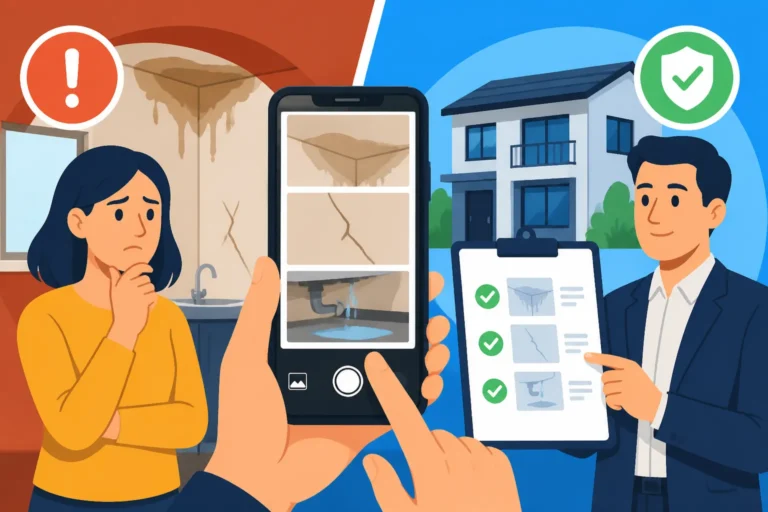
Take dated photos and videos of the unrepaired issues, keep a log of all communications (calls, emails, texts) with your landlord, noting dates, times, and summaries of conversations. If any repair attempts are made, document those as well, noting if they were insufficient or failed. Every piece of evidence strengthens your case in court. This diligent record-keeping is vital, as it will be your primary proof should you need to proceed with rent escrow. Our guide on How to Document Repair Problems offers excellent advice on what and how to record.
Initiating the Escrow Account
If your landlord fails to make the necessary repairs within the reasonable timeframe you provided, you can then proceed to initiate the rent escrow process. This typically involves filing a petition or complaint with your local housing court or district court. You'll need to fill out specific forms, which vary by jurisdiction, detailing the history of the problem, your attempts to notify the landlord, and their failure to act. There will usually be a filing fee, though sometimes it can be waived if you qualify for financial assistance.
Once your petition is filed and approved, the court will instruct you to pay your rent into a court-administered escrow account. This account acts as a neutral holding place for your rent payments. The court will also usually schedule a hearing where both you and your landlord can present your cases. It’s important to understand that from this point forward, you are engaging in a formal legal proceeding.
Continuing to Pay Rent to the Escrow Account
This cannot be stressed enough: even when you initiate rent escrow, you are still obligated to pay your rent. The only difference is where you pay it. Instead of sending it to your landlord, you will be depositing it with the court or a designated escrow agent. Failure to pay rent into the escrow account could result in the dismissal of your case and potentially an eviction filing against you.
Ensure you understand the court's specific instructions for making these payments – how often, by what method, and by what deadline. Keep meticulous records of all your escrow payments, including receipts and bank statements. The rent money sits in this account, and the landlord typically cannot access it until the repairs are made or a court order is issued. This sustained payment demonstrates your good faith as a tenant, reinforcing that your complaint is about the property's condition, not an attempt to avoid rent.
Court Hearings and Resolution
Once your case goes to court, a judge will hear evidence from both you and your landlord. This is where your diligent documentation – notices, photos, communication logs, proof of escrow payments – becomes invaluable. The landlord will have the opportunity to present their side, perhaps arguing that repairs were made, that the damage was tenant-caused, or that the issues don't constitute habitability breaches.
After reviewing all the evidence, the judge will make a ruling. The court has several options: they might order the landlord to make the repairs within a specified timeframe, release some or all of the escrowed funds to the landlord, release some or all of the funds to you (the tenant) for you to arrange repairs (though this is less common for full escrow), or even reduce your rent for the period the property was uninhabitable. In some cases, if the issues are severe and prolonged, the court might even allow you to terminate your lease without penalty.
State-Specific Rent Escrow Laws
One of the biggest challenges with rent escrow is that tenant-landlord laws vary significantly from state to state, and even between cities or counties within a state. While the core concept remains similar, the specific procedures, qualifying conditions, notice periods, and available remedies can differ quite a bit. It’s not a one-size-fits-all solution, and what works in Maryland might not be applicable in Texas.
Some states are very clear and robust in their rent escrow provisions, while others have more limited applications or don't explicitly allow for it, instead offering other remedies like "repair and deduct." It is absolutely essential to understand the laws governing your specific location before taking any action.
States Where Rent Escrow is a Valid Option
Many states have codified rent escrow as a legitimate tenant remedy. For example, states like Maryland, Massachusetts, Ohio, Pennsylvania, and Washington D.C. have well-established rent escrow statutes. In Maryland, tenants can petition the court if certain conditions affecting health and safety are not remedied after proper notice. Ohio law allows tenants to deposit rent with the clerk of courts if a landlord fails to fulfill their obligations under the rental agreement or state law, provided written notice has been given.
In Massachusetts, if a landlord fails to make repairs that affect the tenant's health, safety, or welfare, the tenant can seek to have a court order the rent to be paid into an escrow account. These state laws often provide detailed timelines for notice and repair, and clearly outline the court process. However, some states, like Texas or Arkansas, do not explicitly allow for rent escrow, requiring tenants to pursue other legal avenues like "repair and deduct" or suing for damages. For a comprehensive overview of how long landlords have to make repairs in various jurisdictions, see our article on How Long Does a Landlord Have to Make Repairs? By State.
Key Differences in State Statutes
The differences between state rent escrow laws can be subtle but impactful. For instance, some states might require that the condition be a "material noncompliance" with the lease or building codes, while others might specify a list of conditions that qualify. The amount of notice required before initiating escrow also varies, from a few days for emergencies to 30 days for less urgent repairs. The types of courts that handle these cases can also differ, from small claims courts to specialized housing courts.
Furthermore, some states might allow the judge to decide on the distribution of escrowed funds based on the extent of repairs made, while others might require all funds to be released upon proof of satisfactory repair. It's also worth noting that some states, especially those with strong tenant protections, may allow for additional remedies like rent abatement (a reduction in rent) or the ability to break the lease if the conditions persist. The table below offers a simplified comparison of some key aspects of rent escrow in a few states:
| State | Allows Rent Escrow? | Notice Requirement Example | Repair Deadline Example | Special Notes |
|---|---|---|---|---|
| Maryland | Yes | Written notice to landlord of defect. | "Reasonable time," often 30 days (or shorter for emergencies). | Specific health/safety conditions required. Court can order rent payment into escrow. |
| Massachusetts | Yes | Written notice of violation of health/safety code. | "Reasonable time," often 14 days (or less for emergencies). | Tenant can seek court order for escrow or repair & deduct. |
| Ohio | Yes | Written notice specifying defect, delivered certified mail. | 30 days (or "reasonable time" for emergencies). | Tenant must be current on rent. Court clerk administers escrow. |
| Pennsylvania | Yes | Written notice to landlord. | "Reasonable time" (e.g., 10-14 days for serious issues). | Tenant must be up-to-date on rent; escrow with specific municipal departments or court. |
| Washington D.C. | Yes | Written notice via certified mail. | 30 days (or 3-10 days for emergencies). | Rent paid to the court clerk. Landlord must show cause why funds shouldn't be released. |
| California | No explicit rent escrow | Written notice via certified mail. | 30 days (or shorter for emergencies). | "Repair and Deduct" is a common remedy, or abandoning the premises. |
| Texas | No explicit rent escrow | Written notice via certified mail. | 7 days (or sooner for emergencies). | "Repair and Deduct" is main remedy, cannot exceed one month's rent or $500. |
Note: This table provides general information and examples. Specific laws can be complex and vary by local ordinances. Always consult current state statutes or a local legal professional.
Potential Risks, Downsides, and Alternatives to Rent Escrow
While rent escrow is a powerful tool, it's not without its risks and potential downsides. It's a legal process that requires time, effort, and sometimes even legal fees. Before pursuing rent escrow, it's important to weigh these factors and consider if other alternatives might be more suitable for your specific situation. This isn't a decision to be taken lightly, as an improperly executed escrow attempt can backfire.
Remember, the goal is to resolve the issues and maintain a stable living situation, not to escalate disputes unnecessarily. Engaging in legal action can strain the landlord-tenant relationship, which may have implications if you plan to continue residing in the property.
Potential Pitfalls and Legal Ramifications
The biggest risk of rent escrow is doing it incorrectly. If you fail to follow the precise legal requirements of your state – for example, by not giving proper written notice, not waiting the specified timeframe, or paying rent to the wrong entity – your landlord could accuse you of illegal rent withholding. This could lead to an eviction lawsuit, even if your intentions were good. Being evicted can severely impact your credit score and make it incredibly difficult to find future housing. A landlord’s failure to maintain the property can have cascading effects, potentially impacting their own insurance coverage – reputable providers like Steadily often require properties to be well-maintained, which can make them more careful. This can indirectly affect a tenant's situation if a landlord is reluctant to make repairs due to lack of insurance or fear of a claim.
Additionally, while you might not need a lawyer for the initial filing, having legal representation can significantly increase your chances of success, but it comes with a cost. The process itself can also be time-consuming and stressful, involving court appearances and the gathering of extensive documentation. Even if you win, the landlord-tenant relationship might be irreparably damaged.
Exploring Other Options
Given the potential complexities and risks, it’s wise to explore other options before resorting to rent escrow. Depending on the severity of the issue and your state's laws, several alternatives might be available:
- Repair and Deduct: Many states allow tenants to make the necessary repairs themselves and deduct the cost from their rent. This is typically limited to a certain amount (e.g., one month's rent or a specific dollar amount) and requires strict adherence to notice rules and documentation. Our guide on Repair and Deduct by State offers detailed information on this alternative.
- Constructive Eviction / Breaking the Lease: If the conditions are so severe that the property is truly uninhabitable, and the landlord has failed to act, you might have grounds to break your lease without penalty. This is known as "constructive eviction." This is a high-risk strategy and should only be pursued with legal advice, as you could be liable for unpaid rent if a court disagrees. Our article Breaking a Lease for Uninhabitable Conditions provides insight into this serious option.
- Reporting to Housing Authorities: You can report code violations to your local housing authority, health department, or building inspector. These agencies can investigate, cite the landlord for violations, and order them to make repairs. While this doesn't directly involve your rent, it can put official pressure on the landlord. Learn more about this by reading How to Report a Landlord Code Violations & Retaliation.
- Suing in Small Claims Court: For certain damages or if you had to pay for repairs out-of-pocket, you might be able to sue your landlord in small claims court.
- Negotiation: Sometimes, a direct, calm negotiation with your landlord, perhaps with a clear plan of action and deadlines, can resolve issues without legal intervention. If your landlord knows you understand your rights, they might be more inclined to cooperate.
Remember, while rent escrow helps ensure your landlord fixes issues, it doesn't protect your personal belongings from damage caused by those issues. That’s where renters insurance, from providers like Lemonade, can offer a crucial safety net for your possessions regardless of the landlord’s actions.
The Critical Importance of Documentation
We've touched on it throughout this guide, but it bears repeating: documentation is not just helpful, it is absolutely critical to the success of any action you take against your landlord, especially when it comes to rent escrow. Without solid evidence, your claims become "he said, she said," and a judge will have little basis to rule in your favor. Think of every piece of paper, every photo, every email as a brick in the foundation of your case.
This isn't just about proving the problem exists; it's about proving you followed all necessary procedures, gave proper notice, and continued to fulfill your tenant obligations (like paying rent into escrow). A well-documented case makes it far easier for a court to understand your situation and rule fairly.
What to Document and How
When it comes to documentation, think broadly. Here’s a checklist of what you should be keeping records of:
- Initial Move-In Condition: Your move-in checklist, photos, and videos of the property before you even moved your belongings in. This establishes the baseline and proves problems weren't pre-existing.
- Written Notices to Landlord: Keep copies of every letter, email, or text message where you notified your landlord of issues. Include dates, specific descriptions of the problem, and requested repairs. Always send formal letters via certified mail with a return receipt.
- Proof of Delivery: The certified mail receipt, email read receipts, or landlord's signature on a hand-delivered notice.
- Correspondence: A log of all phone calls, including dates, times, who you spoke with, and a summary of the conversation. Keep all emails and text messages.
- Photos and Videos: Dated photos and videos of the unrepaired conditions. Show the scale of the problem. If a repair attempt was made and failed, document that failure.
- Repair Estimates / Receipts: If you obtained estimates for repairs (even if you didn't proceed with repair and deduct), or if you did make minor repairs, keep all receipts.
- Proof of Rent Payments: Bank statements, cancelled checks, money order receipts, or screenshots of online payment confirmations showing your rent payments (to the landlord before escrow, and then to the escrow account).
- Court Documents: Copies of your petition for escrow, court orders, and any other legal filings.
Maintain a dedicated file, either physical or digital, where all this information is stored chronologically. While landlords might use property management software like TurboTenant to track repairs and communications on their end, as a tenant, you need your own meticulous, organized records.
The Role of Evidence in Court
In a rent escrow hearing, the judge will be looking for clear, convincing evidence. Your well-organized documentation serves as that evidence. It demonstrates that you acted responsibly, tried to resolve the issue amicably, and exhausted other avenues before seeking legal intervention. Without this proof, a landlord can easily deny your claims, argue they were never notified, or even suggest you caused the damage.
For example, if you claim there was no heat, dated photos of a thermostat reading below minimum habitable temperatures, combined with certified mail notices of the issue and proof of your continued rent payments into escrow, paint a very strong picture for the judge. Conversely, if you only have verbal complaints and no proof of payments, your case is significantly weaker. Robust documentation is your best friend in court and greatly increases the likelihood of a favorable outcome, ensuring that your rights as a tenant are upheld.
Disclaimer
Please remember that this guide provides general information about the rent escrow process and is not a substitute for legal advice. Landlord-tenant laws are complex and vary significantly by state and local jurisdiction. It is always recommended to consult with a qualified attorney or tenant advocacy group in your area to understand your specific rights and obligations.