Breaking a Lease for Uninhabitable Conditions
It's an utterly frustrating and often terrifying situation: you've moved into a new place, paid your hard-earned money, and then you discover that your rental isn't just a little worn, it's actually unsafe or unhealthy to live in. Whether it's persistent mold, no working heat in the dead of winter, or an infestation that makes you question your sanity, no tenant should have to endure uninhabitable living conditions. This comprehensive guide will walk you through your rights and the precise steps you need to take to legally break your lease when your apartment truly becomes unlivable.
Understanding the Implied Warranty of Habitability
When you sign a lease, it might seem like a straightforward contract. But tucked into every residential lease agreement, even if it's not explicitly written, is something called the "implied warranty of habitability." This isn't just a nice idea; it's a fundamental legal principle that dictates certain standards a landlord must meet to ensure their rental properties are safe, healthy, and livable for tenants. Ignoring this critical warranty is a serious offense that can have significant consequences for a landlord and provide grounds for a tenant to move out.
What "Habitable" Actually Means
So, what does it truly mean for a place to be "habitable"? It goes beyond simply having four walls and a roof. At its core, habitability means the property must be fit for human occupation. This includes a range of basic necessities and safety standards that protect tenants from unreasonable risks to their health and well-being. Think of it as the bare minimum required to live comfortably and safely.
For example, a habitable dwelling typically must have access to essential utilities like reliable running water, hot water, and heat during colder months. It needs to be structurally sound, meaning no gaping holes in the roof or crumbling foundations. Electrical systems must be safe and functional. There should be adequate sanitation, including working plumbing and sewage systems, and reasonable measures taken to prevent severe pest infestations. If the building has multiple units, common areas must also be kept safe and clean. Living in a place where raw sewage backs up, the ceiling is about to collapse, or there's a rampant rat problem would undeniably violate this warranty.
Landlord Responsibilities for Maintaining Habitability
The onus for maintaining these habitable conditions falls squarely on the landlord. They are legally obligated to ensure the property meets all local and state housing codes, which often outline specific requirements for structural integrity, utility provision, and sanitation. This means promptly addressing major issues that arise, not just minor cosmetic flaws. For instance, if the furnace breaks in January in a cold climate, the landlord isn't just expected to fix it eventually—they need to address it with urgency because it directly impacts your ability to live safely and comfortably in the unit.
Beyond just the big-ticket items, landlords are typically responsible for maintaining the property's overall safety. This can include ensuring proper locks on doors and windows, maintaining common areas free of hazards, and ensuring fire safety equipment like smoke detectors are installed and functional. They also generally need to handle pest control for structural infestations that aren't caused by the tenant's negligence. However, it's important to differentiate between major habitability violations and minor inconveniences. A landlord is generally not required to fix a loose doorknob the same day it's reported, but they absolutely must address a raw sewage leak with extreme speed. Many proactive landlords even subscribe to services like Steadily for landlord insurance, helping them be prepared for property issues, though this doesn't change their fundamental responsibilities to you as a tenant.
Identifying Uninhabitable Conditions
It’s one thing to know that your landlord should provide a habitable living space, and another to definitively know when your specific situation crosses the line from annoying to truly uninhabitable. This distinction is crucial, as attempting to break a lease over minor issues could put you in a tough spot legally and financially.
Common Issues That Constitute Uninhabitable Conditions
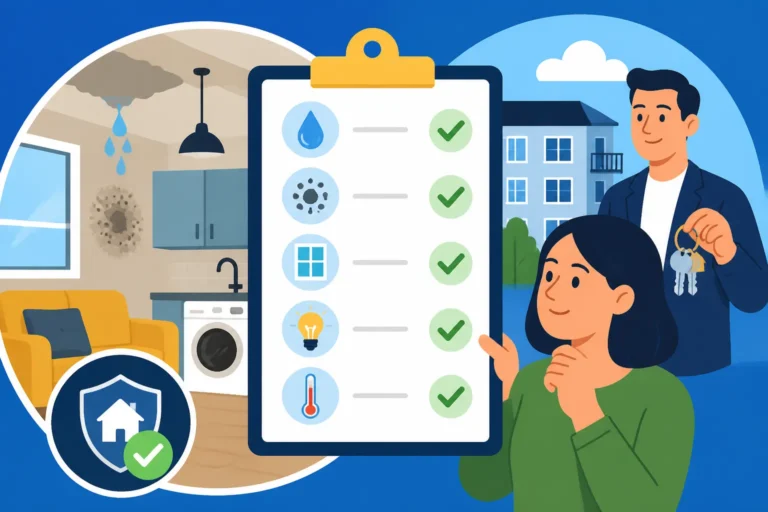
Let's get specific about the kinds of problems that are typically considered major violations of the implied warranty of habitability. These are the serious issues that fundamentally impair your ability to live safely and healthily in your rental unit:
- Lack of Essential Utilities: This is a big one. If you don't have reliable access to running water, hot water, or heat (especially in cold climates), your apartment is likely uninhabitable. Similarly, a lack of safe and functional electricity or gas could also qualify. Imagine living through a Chicago winter with no heat for a week, or trying to bathe without hot water—these are not just inconveniences, they are genuine threats to health and well-being.
- Severe Mold Infestations: Not just a patch of mildew in the shower, but widespread or toxic mold that poses a health risk. Mold issues can lead to respiratory problems, allergies, and other serious health concerns, especially for vulnerable populations. This often stems from unresolved water leaks or poor ventilation that the landlord failed to address. For more on this, you might want to read our guide on Mold: Landlord Responsibility & Tenant Rights.
- Structural Hazards: This includes things like a collapsing ceiling, a dangerously unstable floor, faulty stairs, or a roof that leaks heavily every time it rains, compromising the integrity of the structure. These issues pose a direct physical danger to anyone living in the unit.
- Lack of Sanitation or Working Plumbing: Non-functional toilets, sinks, or showers, or continuous sewage backups, make a property unfit for occupancy. This creates severe health risks due to the presence of waste and unsanitary conditions.
- Major Pest Infestations: While a single spider isn't a violation, widespread infestations of rodents (rats, mice), cockroaches, or bed bugs can quickly make a home uninhabitable. These pests can spread diseases, contaminate food, and make sleeping and living unbearable. If you're dealing with Bedbugs & Pest Control Responsibility, know that many states place this burden squarely on the landlord, especially in multi-unit buildings where the infestation might not originate with you.
- Lack of Security: Broken locks on exterior doors or windows, especially after repeated requests for repair, can render a unit unsafe and thus uninhabitable.
These conditions aren't just annoying; they directly impact your health, safety, and basic quality of life. They make the premises unsuitable for the primary purpose of housing.
Distinguishing Between Minor Annoyances and Major Violations
It’s critical to understand that not every problem in your rental qualifies as an uninhabitable condition. Landlords aren't expected to provide a perfect, pristine apartment, and general wear and tear is a normal part of living in any home. A dripping faucet, a loose cabinet door, or even a small crack in the wall are typically considered minor issues. While these should still be reported and fixed by your landlord, they generally do not provide grounds for you to legally break your lease without penalty.
The key distinction often comes down to the severity of the issue, its impact on your health and safety, and the duration for which it persists without proper action from the landlord. For example, a temporary lack of hot water due to a boiler repair might be an inconvenience, but if it drags on for weeks during the winter, it could become a habitability violation. Similarly, a single mouse sighting is different from a full-blown rodent infestation that the landlord consistently fails to address after proper notification. It's about whether the issue prevents you from using your rental property for its intended purpose – as a safe and healthy home.
Before you consider breaking your lease, honestly assess whether the problems truly make your home unlivable or if they are just frustrating inconveniences. If in doubt, consulting with a tenant's rights organization or an attorney can help clarify your specific situation.
The Step-by-Step Process to Break a Lease for Uninhabitable Conditions
Deciding to break a lease, even for legitimate reasons, is a serious step. You need to follow a very specific process to protect yourself legally and avoid potential penalties like being sued for unpaid rent or having an eviction on your record. This isn't a situation where you can just pack up and leave; careful documentation and adherence to legal protocol are absolutely essential.
Documenting the Problems Thoroughly
This is perhaps the single most important step in protecting yourself. Without solid proof of the uninhabitable conditions and your attempts to get them fixed, your claims might not hold up in court. Treat this process like building a case, because in essence, you are.
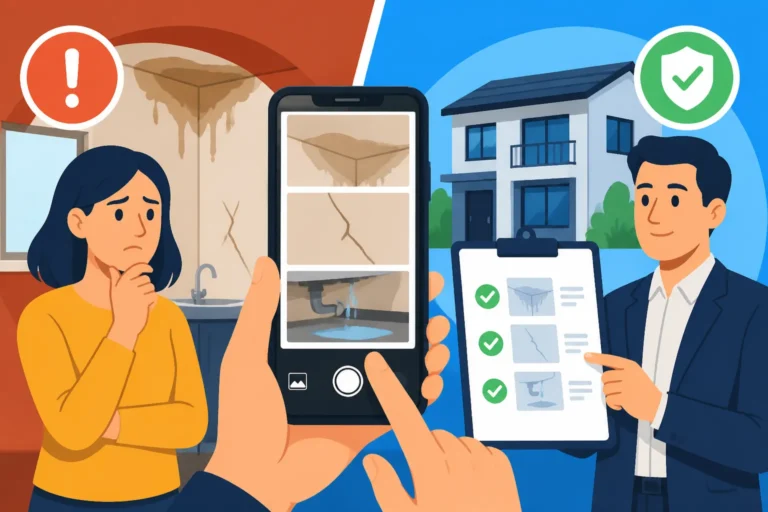
Start by taking photos and videos of every issue. Date and timestamp them if possible. Get wide shots to show context and close-ups for detail. For example, if there's mold, photograph the extent of it, where it's located, and any associated water damage. If there's a pest infestation, video the pests themselves, their droppings, and any signs of entry or damage. For a lack of heat, you might use a thermometer to show the indoor temperature.
Next, keep meticulous records of all communication with your landlord or property manager. This includes:
- Written Repair Requests: Always put your repair requests in writing. Emails are good, but certified mail with a return receipt is even better for critical issues, as it provides undeniable proof that your landlord received the notice. Clearly state the problem, the date it was discovered, and request a prompt repair. Our guide on How to Request Repairs in Writing can provide valuable templates and advice.
- Dates and Times: Keep a detailed log of every time you tried to contact your landlord (phone calls, voicemails, texts), what was discussed, and what promises were made. Note who you spoke to.
- Witness Statements: If friends, family, or even contractors have seen the conditions, ask them if they would be willing to provide a statement.
- Related Expenses: Keep receipts for any expenses you incurred because of the conditions, such as hotel stays if you had to move out temporarily, or even medical bills if the conditions affected your health.
The more evidence you have, the stronger your position will be. This detailed documentation will be your shield if your landlord tries to claim you broke the lease unlawfully.
Notifying Your Landlord and Allowing Time for Repairs
Once you've documented everything, the next crucial step is to formally notify your landlord of the uninhabitable conditions and give them a reasonable opportunity to fix the problems. You cannot simply declare the apartment unlivable and move out; the law typically requires you to give the landlord a chance to remedy the situation.
Your notice should be formal and in writing. Reiterate the problems you've documented, state that these conditions violate the implied warranty of habitability, and demand that repairs be made within a specific timeframe. The "reasonable timeframe" can vary significantly by state and by the nature of the repair. For emergency repairs like no heat in winter or a burst pipe, "reasonable" might mean 24-72 hours. For non-emergency but still serious issues, it could be anywhere from 7 to 30 days. It’s important to research the specific How Long Does a Landlord Have to Make Repairs? (By State) rules for your area. Sending this notice via certified mail with a return receipt is highly recommended, as it provides legal proof of delivery.
If your landlord fails to make the necessary repairs within the legally specified or "reasonable" timeframe after receiving proper notice, then you may have grounds to break your lease. It's important to remember that sending a polite email might not always be enough if the landlord denies receiving it. The paper trail is paramount here.
Legal Avenues and Considerations Before Moving Out
Even after formal notification and the landlord's failure to act, directly breaking your lease can still carry risks if not done correctly. There are a few legal avenues and considerations you should be aware of:
- Repair and Deduct: In some states, if a landlord fails to make necessary repairs, you might have the option to pay for the repairs yourself and then deduct the cost from your rent. This is a powerful tool, but it's highly regulated. There are often limits on how much you can deduct (e.g., one month's rent), and specific procedures you must follow, or you could face eviction for non-payment. Be sure to check your state's Repair and Deduct by State laws before considering this option.
- Rent Escrow: Another option in certain jurisdictions is to place your rent money into an escrow account held by a court or a third party, rather than paying it directly to your landlord. This shows you're willing to pay rent, but you're withholding it until repairs are made. This process also has strict legal requirements and should not be attempted without understanding the local rules. Our guide on Withholding Rent & Rent Escrow delves deeper into this complex process.
- Constructive Eviction: This is the legal concept you're aiming for when breaking a lease due to uninhabitable conditions. Constructive eviction occurs when a landlord's actions (or inactions, like failing to fix critical issues) make the property so uninhabitable that the tenant is effectively forced to move out. In such a case, the law treats it as if the landlord illegally evicted you, relieving you of further rent obligations. However, successfully claiming constructive eviction requires proving that the conditions were truly unbearable and that you followed all proper notification procedures. It’s a high bar, and you’ll need strong evidence.
- Warning Against Self-Help Eviction: Never attempt to resolve these issues by withholding rent or moving out without following the proper legal steps, unless you are prepared to face serious consequences. If you move out without justification, your landlord could sue you for the remaining rent on the lease, damage your credit, or even pursue an eviction, making it difficult to rent in the future. Providers like Lemonade offer renter's insurance that protects your belongings, but it won't protect you from the legal repercussions of an improperly executed lease break.
Always remember that seeking legal advice from a qualified attorney or a tenant's rights organization before you move out is highly advisable. They can review your specific situation and guide you through the process to ensure you are legally protected.
State-Specific Nuances and Tenant Protections
Landlord-tenant laws are not one-size-fits-all. What might be perfectly legal in one state could be a serious violation in another. This patchwork of regulations means that understanding your specific local laws is paramount when considering breaking a lease due to uninhabitable conditions.
Variation in State Laws on Habitability and Lease Breaking
Each state, and sometimes even individual cities or counties, can have unique requirements regarding the implied warranty of habitability, what constitutes an "uninhabitable" condition, and the procedures for breaking a lease without penalty. For instance, California is known for having some of the most robust tenant protections, including explicit timelines for landlords to make repairs (e.g., 20 days for general repairs, 24 hours for emergencies) before a tenant can invoke remedies like "repair and deduct" or even break the lease. New York City, with its strong tenant advocacy, also has specific rules, often outlined by its housing authorities, that define essential services and repair timelines.
Contrast this with a state like Arkansas, which historically has had fewer explicit tenant protection laws, making it potentially more challenging for tenants to exercise remedies like rent withholding or repair-and-deduct without significant legal risk. Some states might even require tenants to live in the uninhabitable conditions for a minimum period before they can claim constructive eviction. It's not enough to know the general principles; you need to dig into the specifics of your jurisdiction. A landlord may use a property management system like TurboTenant, which can help them stay compliant with varying state laws.
To help illustrate some of these differences, here's a general table outlining common repair timelines, though you must verify for your specific location as these can change:
| State (Example) | Emergency Repair Deadline | Non-Emergency Repair Deadline | Notes on Lease Breaking |
|---|---|---|---|
| California | 24-72 hours | 7-30 days | Strong "repair and deduct" & "abandonment" laws. |
| New York | "Immediately" (24 hours) | 14-30 days | Can withhold rent for habitability issues, but must be justified. |
| Texas | "Promptly" (3-7 days) | 7 days | Specific notice required; limited "repair and deduct" for health/safety. |
| Florida | 7 days (for essential services) | 7-14 days | Tenant must give written notice and intent to terminate. |
| Massachusetts | 24 hours (for utilities) | 14 days | Strong habitability protections; rent withholding allowed. |
Disclaimer: This table provides general examples and should not be considered legal advice. Always consult your state and local housing laws or a legal professional for precise information regarding your situation.
It's vital to remember that not knowing your state's laws isn't an excuse. Always verify the rules in your specific location before taking any action.
Understanding Retaliation and Your Rights
Unfortunately, requesting repairs or asserting your rights can sometimes provoke a negative reaction from a landlord. This is where the concept of "retaliatory eviction" comes into play. Retaliatory eviction is when a landlord attempts to evict, raise rent, or decrease services as a punishment for a tenant exercising their legal rights, such as complaining about uninhabitable conditions.
Most states have laws designed to protect tenants from such retaliation. These laws often establish a "presumption of retaliation" for a certain period (e.g., 60 to 180 days) after a tenant has made a legitimate complaint about habitability. This means if your landlord tries to evict you or raise your rent shortly after you've complained about a major repair, the law might presume it's retaliatory, and the burden of proof shifts to the landlord to demonstrate a legitimate, non-retaliatory reason for their action.
Tenant protections against retaliation are crucial because they empower tenants to speak up without fear of immediate repercussion. If you suspect your landlord is retaliating against you after a repair request or a notice about uninhabitable conditions, it's essential to document everything, just as you would with the habitability issues themselves. This includes copies of all communications, dates of any adverse actions taken by the landlord, and records of any official complaints you've filed. Our guide on Landlord Retaliation After a Repair Request offers more in-depth advice on identifying and fighting back against such actions. Knowing these rights helps ensure that your attempts to secure a safe living environment don't lead to an even worse outcome.
Protecting Yourself When Breaking a Lease
Even with legitimate grounds and diligent documentation, breaking a lease is a serious legal maneuver. Taking every precaution to protect yourself can mean the difference between a clean exit and a drawn-out legal battle that impacts your finances and rental history.
The Importance of Legal Counsel
Seriously, don't try to navigate this alone if you feel overwhelmed or if your landlord is being particularly uncooperative. Seeking legal advice from a qualified attorney or a local tenant's rights organization is one of the smartest investments you can make. They can:
- Assess Your Case: A legal professional can review your documentation, evaluate the specific uninhabitable conditions, and determine if you truly have grounds to break your lease under your state and local laws. They can tell you if your situation meets the high bar for "constructive eviction."
- Guide You Through the Process: They can advise you on the exact steps to take, the precise language for your notices, and the deadlines you must adhere to. This includes helping you write a strong Security Deposit Demand Letter (How-To + Template) if your landlord unfairly withholds your deposit after you move out.
- Represent You: If your landlord decides to sue you for unpaid rent or attempts to damage your rental history, an attorney can represent you in court and present your evidence effectively.
- Negotiate on Your Behalf: Sometimes, a landlord might be more willing to negotiate a mutual termination of the lease once they realize you have legal representation and a strong case.
While there might be a cost associated with legal counsel, it could save you thousands of dollars in potential damages, legal fees if you lose a lawsuit, and the lasting impact of a negative mark on your rental record. Many cities have pro bono or low-cost legal aid services specifically for tenants.
Mitigating Further Damages and Moving Out Responsibly
Once you've decided to break your lease due to uninhabitable conditions and have followed the proper legal steps, it's crucial to mitigate any further potential damages and move out responsibly. This includes actions that demonstrate you acted in good faith and didn't simply abandon the property.
First, upon moving out, thoroughly document the condition of the unit. Take photos and videos of everything as you leave. This helps prove that you didn't cause new damages and that you left the property in good condition, aside from the pre-existing habitability issues. Our Move-In / Move-Out Inspection Guide has some excellent tips for this.
Second, return the keys properly. Don't just leave them under a doormat. Return them to your landlord or property manager in person, get a receipt, or send them via certified mail if an in-person handover isn't feasible. This signals that you have officially relinquished possession of the property.
Third, understand that breaking a lease, even if legally justified, might still require some vigilance. Your landlord could still try to pursue you for rent, even if their claim is weak. Be prepared to defend yourself with your meticulous documentation. Some tenants wonder, "What Happens If You Break a Lease?" and while breaking it for uninhabitable conditions is a legal defense, you still need to be ready to prove it.
Finally, while you're focused on leaving, consider that a landlord has a "duty to mitigate damages." This means they are generally required to make reasonable efforts to re-rent the property after you leave, rather than just letting it sit vacant and charging you for the entire remaining lease term. Your early departure might prompt them to quickly find a new tenant, thereby limiting their potential financial losses and, by extension, any claims they could have against you.
By being thorough, responsible, and informed, you can navigate the challenging process of breaking a lease for uninhabitable conditions with confidence and minimize potential negative fallout.
Disclaimer
This article is for general informational purposes only and does not constitute professional advice. Laws and regulations vary by location and change over time. Consult a qualified professional for guidance on your specific situation.