Is My Landlord Responsible for a Broken Toilet?
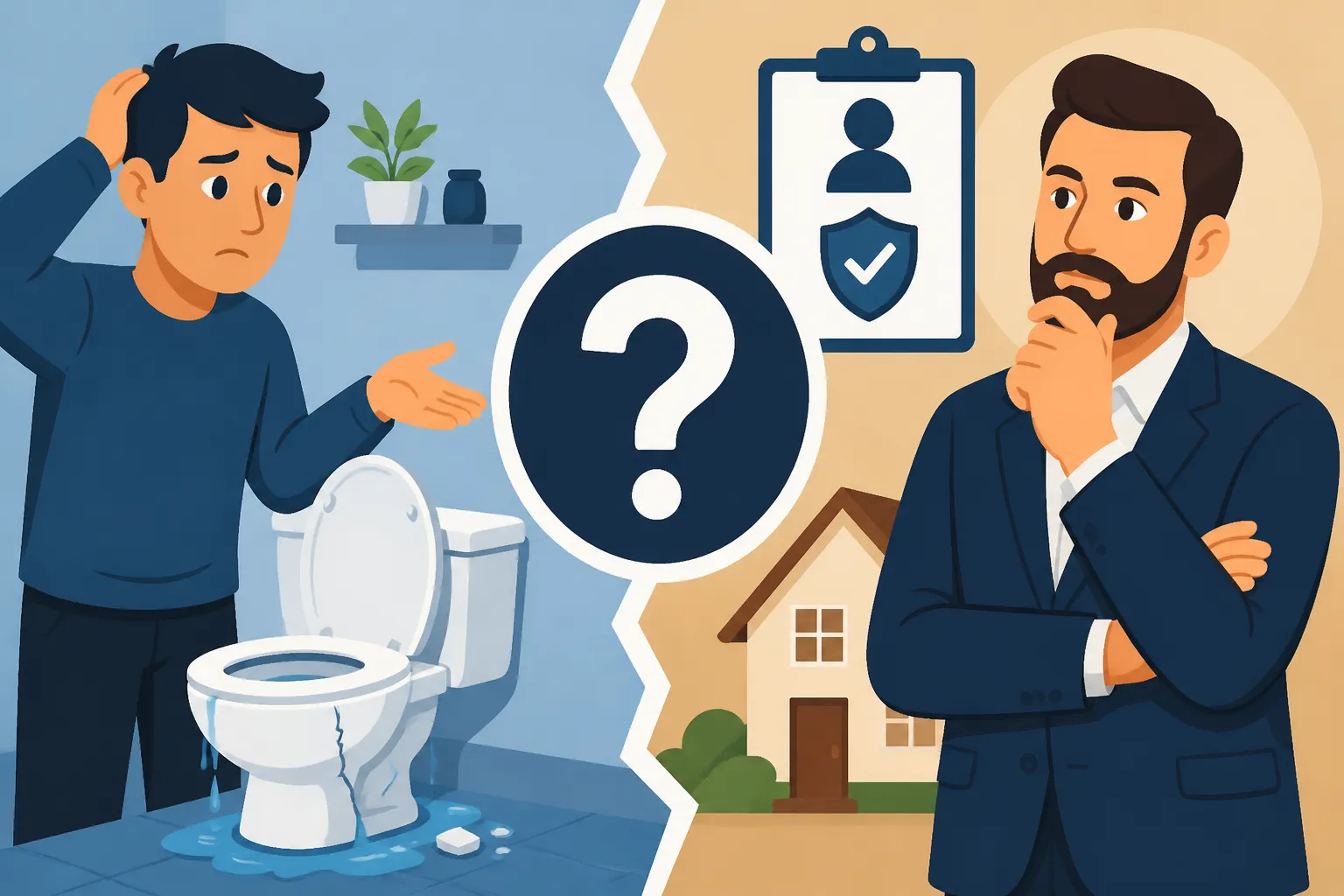
It’s a universally dreaded moment: you flush the toilet, and instead of the satisfying whoosh, you get a slow gurgle, an overflowing bowl, or worse, a silent drip that quickly turns into a growing puddle. Panic sets in, followed by the immediate, nagging question – "Is this my problem, or is my landlord responsible for a broken toilet?" Dealing with a malfunctioning toilet is not just an inconvenience; it can render a crucial part of your home unusable and cause serious stress. This guide is here to help you navigate those murky waters, clarify responsibilities, and empower you with the knowledge to get things flowing smoothly again.
Understanding Basic Landlord Responsibilities for Plumbing
When you rent a home, apartment, or even a single room, there's an unspoken (and often legally binding) agreement that the property will be safe and livable. This foundational principle is called the "Implied Warranty of Habitability," and it's your best friend when it comes to essential repairs.
Implied Warranty of Habitability
At its core, the Implied Warranty of Habitability Explained means that landlords must provide and maintain a property that is fit for human habitation. This isn't just about a roof over your head; it extends to basic necessities like running water, heat, electricity, and yes, functioning plumbing, which absolutely includes a working toilet. Imagine living somewhere without a toilet – it's just not practical or sanitary, is it?
This warranty is implied in every residential lease, regardless of whether it's explicitly written into your contract. It means your landlord has an obligation to ensure the property has operable plumbing, including toilets, sinks, and showers. If a toilet breaks down through no fault of your own, it generally falls under the landlord's duty to repair it to keep the living space habitable. This legal safeguard is designed to prevent landlords from renting out substandard properties and to ensure tenants have a safe and healthy environment.
When a Toilet is Considered a "Repair" vs. "Minor Issue"
Distinguishing between a minor inconvenience and a repair that warrants landlord intervention can sometimes feel like splitting hairs, but it's important. A minor issue might be a slightly loose toilet seat, a handle that sticks momentarily, or a weak flush that still gets the job done most of the time. These are things you might reasonably be expected to jiggle or ignore, perhaps even take care of yourself with a screwdriver.
However, a repair comes into play when the toilet is no longer functioning as intended, significantly impacting its use or causing other problems. This includes issues like a toilet that constantly runs, one that won't flush at all, a tank that leaks, or a bowl that backs up regularly. If the toilet is completely clogged and no amount of plunging can clear it, or if it's leaking water onto the floor, that's definitely a repair. These problems can lead to higher water bills, water damage, or an unsanitary living situation, all of which fall squarely under the landlord's responsibility to address under the umbrella of maintaining a habitable property.
Common Scenarios and Who Pays for a Broken Toilet
The biggest question often revolves around who forks over the cash for the fix. The answer, frustratingly, often depends on why the toilet broke. Let's break down the common culprits.
Tenant-Caused Damage
This is where things can get tricky, and it's also where the responsibility most often shifts to the tenant. If the toilet stopped working because of something you, a guest, or even your beloved pet did, then you're usually on the hook for the repair costs. Think about it: flushing baby wipes, sanitary products, excessive toilet paper, or even small toys down the drain are common causes of clogs and damage. If the repair person pulls out a toy car or a wad of "flushable" wipes that absolutely aren't, the landlord has every right to bill you for the service.
Similarly, if you accidentally drop something heavy on the toilet and crack the porcelain, or if a fixture gets broken due to misuse or negligence, that's considered tenant damage. These aren't issues that arise from normal wear and tear or a landlord's neglect; they are direct consequences of actions within the tenant's control. Your lease agreement, especially if it's been carefully drafted using platforms like TurboTenant, should clearly outline responsibilities regarding tenant-caused damage versus landlord-caused issues. It's always a good idea to review your lease for specific clauses on property damage and repairs.
Normal Wear and Tear
On the flip side, many toilet problems arise simply from age and regular use – what we call Normal Wear and Tear vs Damage Complete Guide. Over time, internal components like flappers, fill valves, and wax rings can degrade, hoses can become brittle, and seals can weaken, leading to leaks or inefficient flushing. These issues are not the tenant's fault. They're just part of owning and maintaining a property.
For example, if your toilet starts running constantly because the flapper has become old and warped, or if a slow, invisible leak develops around the base of the toilet due to an aging wax ring, these are typically the landlord's responsibility to fix. They are expected maintenance items that come with providing a habitable living space. Your landlord can't reasonably expect a tenant to replace major plumbing components due to their age. If these issues cause water damage, that's also generally the landlord's responsibility.
Emergency vs. Non-Emergency Repairs
Knowing whether your broken toilet qualifies as an emergency can dictate how quickly your landlord needs to act. An What Counts as an Emergency Repair usually involves something that poses an immediate threat to health, safety, or the structural integrity of the property. When it comes to toilets, this typically means:
- The only toilet in the unit is broken: If you're in a one-bathroom apartment and that toilet is completely unusable, it's a health and safety issue. Nobody wants to be left without a working toilet for an extended period.
- Severe leaking or overflowing: If the toilet is actively leaking water onto the floor, especially if it's raw sewage, this is an urgent matter that can cause significant property damage (to your belongings and the building itself) and create unsanitary conditions.
A non-emergency repair, on the other hand, might be a toilet that runs constantly but still flushes, or one with a minor, slow drip that can be contained. While still annoying and potentially wasteful, these issues don't demand immediate, middle-of-the-night attention. Your landlord still has a duty to fix these, but they typically have a "reasonable time" to do so, which can vary by state, often between 24 hours for emergencies and up to 30 days for non-emergencies. Many states provide specific timelines for landlords to address essential repairs; you can look up resources on topics like How Long Does a Landlord Have to Make Repairs? By State for details.
Here's a quick table to help clarify common toilet issues and typical responsibility:
| Issue Type | Scenario | Typical Responsibility | Reasoning |
|---|---|---|---|
| Tenant-Caused Damage | Flushing non-flushable items (wipes, toys) causing a clog | Tenant | Direct misuse leading to damage. |
| Dropping something heavy, cracking the bowl or tank | Tenant | Accidental damage, not wear and tear. | |
| Normal Wear and Tear | Toilet runs constantly due to old flapper or fill valve | Landlord | Components wear out over time with regular use. |
| Slow leak around the base due to an aged wax ring | Landlord | Seals and rings degrade over years. | |
| Hairline cracks appearing on porcelain over time without impact | Landlord | Material fatigue, not tenant action. | |
| Major Malfunction | Toilet won't flush at all, even after plunging | Landlord | Indicates an internal mechanism failure or deeper clog not tenant-induced. |
| Sewage backup from main line (not tenant's specific drain) | Landlord | Structural plumbing issue beyond tenant's unit. |
Steps to Take When Your Toilet Breaks
Okay, so your toilet is on the fritz. What do you actually do? Panicking is normal, but taking structured steps will protect your rights and help get the problem solved quickly.
Immediate Action for Tenants
First things first, if water is flowing where it shouldn't be, locate the toilet's shut-off valve. This is usually a small knob or lever on the wall behind or to the side of the toilet, near the floor. Turn it clockwise until the water stops. This can prevent extensive Who Pays for Water Damage in a Rental? to your unit and those below you. If there’s a severe overflow or sewage backup, consider grabbing towels or a mop to minimize the immediate mess, but avoid direct contact with sewage if possible.
After securing the water, take photos or videos of the problem. Document everything: the overflow, the leak, the damaged components, and any resulting damage to your belongings or the apartment itself. This visual evidence will be crucial if there's a dispute over responsibility or costs down the line. It's always a good practice to document your apartment at move-in as well, so you have a baseline for comparison.
Documenting and Communicating with Your Landlord
Once the immediate crisis is contained, it's time to contact your landlord. Always, always, always put your repair requests in writing. While a quick phone call might be your first instinct, follow it up with an email, text message, or certified letter. This creates a paper trail, which is incredibly important for your protection. Your written request should include:
- Date and Time: When you sent the request.
- Your Contact Information: Name, apartment number, phone, email.
- Clear Description of the Problem: "The toilet in the master bathroom is overflowing every time I flush" or "The toilet in the hallway bathroom is constantly running and won't stop filling." Be specific about what is happening and where.
- Severity: Is it an emergency (e.g., the only toilet is unusable, active leak)?
- Attempts to Resolve: Mention any actions you've taken, like turning off the water valve.
- Photos/Videos: Attach them to your email or text.
- Desired Action: Request prompt repair.
For a thorough guide on drafting these requests, check out How to Request Repairs in Writing. Send this communication to the official contact method specified in your lease, or the one you regularly use with your landlord or property manager. Keep copies of everything you send and receive.
What Happens if Your Landlord Doesn't Respond
It's a frustrating situation when you've done everything right, but your landlord seems to be dragging their feet or ignoring you entirely. Your next steps depend heavily on your state and local tenant laws, as well as the severity of the issue. Generally, landlords are required to make repairs within a "reasonable timeframe," which for essential services like a toilet, could be anywhere from 24-72 hours for an emergency, to 7-14 days for less urgent repairs.
If your landlord fails to make necessary repairs within this timeframe, you might have several options, though these should always be approached with caution and knowledge of your local laws:
- Follow-Up: Send another written communication, referencing your initial request and politely reminding them of the outstanding issue and the potential impact on habitability.
- Contact Local Housing Authorities: Many cities and counties have housing departments or code enforcement offices that can intervene if a landlord is neglecting their responsibilities. They can inspect the property and issue citations to the landlord. How to Report a Landlord Code Violations & Retaliation provides more detailed information on this process.
- Repair and Deduct: In some states, if a landlord fails to make a necessary repair after proper notice, tenants can arrange for the repair themselves and deduct the cost from their next rent payment. This is a powerful remedy but comes with strict rules and conditions, including limits on the repair cost and the number of times it can be used. It's crucial to understand Repair and Deduct by State before attempting this.
- Withholding Rent: This is another significant step and carries serious risks, as improper Withholding Rent & Rent Escrow can lead to eviction. Typically, you can only withhold rent if the landlord has failed to provide a habitable living space and you have followed very specific legal procedures, which often involve placing the rent money into an escrow account. This is usually a last resort for very severe issues.
- Breaking the Lease: In extreme cases where a lack of a functioning toilet makes the unit genuinely uninhabitable, and the landlord has failed to act, you might have grounds for Breaking a Lease Due to Mold or Uninhabitable Conditions or constructive eviction. This means you move out because the living conditions are so bad, effectively terminating the lease. Again, this is a very high-risk strategy that requires strong legal justification and documentation.
Before taking any of these advanced steps, it's highly advisable to seek legal advice from a tenant rights organization or an attorney to ensure you don't inadvertently jeopardize your tenancy.
Preventative Measures and Tenant Responsibilities
While many toilet woes fall under the landlord's purview, there are definite things you can do to prevent issues and ensure you're not held responsible for avoidable problems.
Routine Maintenance Tenants Can Do
You're not expected to be a plumbing expert, but some basic preventative actions can go a long way. The golden rule for toilets is simple: only flush human waste and toilet paper. Seriously. Avoid flushing:
- Wet wipes (even "flushable" ones): These are notorious for clogging pipes.
- Paper towels or facial tissues: They don't break down like toilet paper.
- Feminine hygiene products: They absorb water and expand, creating blockages.
- Dental floss or hair: These can tangle and form stubborn clogs.
- Grease or food scraps: These solidify in pipes and cause blockages.
Beyond what you flush, pay attention to any unusual sounds or slow drains. A constantly running toilet wastes water and can signal an internal component that's about to fail. Reporting these minor annoyances to your landlord early can prevent them from escalating into major, messy emergencies. If you notice a small leak, place a bucket to catch the water and notify your landlord immediately. These small acts of vigilance are part of being a responsible tenant.
Understanding Your Lease Agreement
Your lease agreement is the contract that governs your tenancy, and it's your primary reference for responsibilities. Many leases will have specific clauses about tenant maintenance duties, especially regarding plumbing and how to report issues. For instance, some leases might state that the tenant is responsible for clearing minor clogs (e.g., with a plunger), while others explicitly require tenants to notify the landlord of any plumbing issue immediately.
It’s crucial to read your lease carefully when you first move in, paying close attention to sections on repairs, maintenance, and damage. Look for language that defines tenant versus landlord responsibilities for things like plumbing stoppages. Knowing what your lease says upfront can save you a lot of headache and potential disputes later on. If there's ambiguity, it's usually best to clarify with your landlord in writing. Some landlords utilize robust lease management systems, like those offered by TurboTenant, which often have these responsibilities clearly laid out.
Remember, while your landlord is responsible for maintaining a habitable living space, your personal property isn't always covered by their insurance if a toilet malfunction causes damage. This is where Tenant Rights If Landlord Won't Return Deposit or similar advice often touches on the importance of renter's insurance. Policies from providers like Lemonade can protect your belongings from water damage stemming from events like a burst pipe or an overflowing toilet, regardless of who is ultimately responsible for the repair itself. It’s an extra layer of peace of mind worth considering.
Disclaimer
Please remember, this guide provides general information and is not a substitute for legal advice. Landlord-tenant laws vary significantly by state and even by city. Always consult your specific lease agreement and local housing authorities or legal professionals for advice tailored to your situation.