How Long Does a Landlord Have to Fix AC in Oregon?
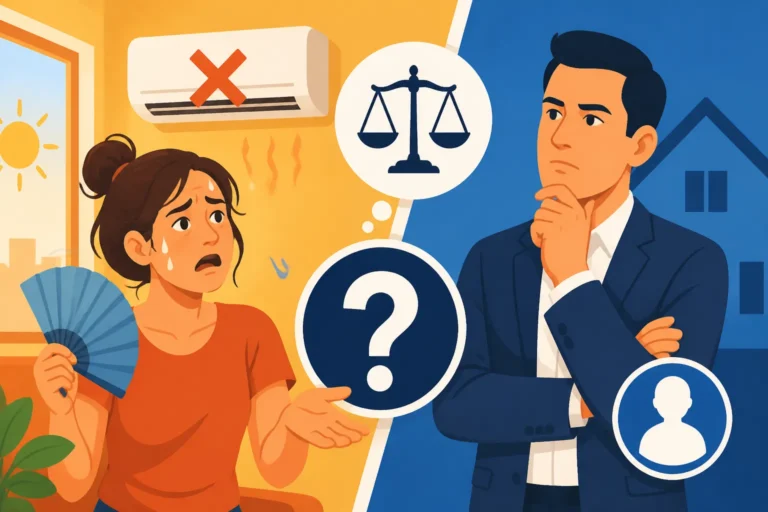
The moment your air conditioning unit decides to take a vacation during a scorching Oregon summer, a wave of panic and frustration often sets in. You’re left wondering, "How long do I have to suffer through this heat?" and more importantly, "What are my rights as a tenant when my landlord needs to fix the AC?" It's a common struggle, especially in areas like Portland or Medford where summer temperatures can really climb. This guide will walk you through everything you need to know about AC repair timelines in Oregon, what "reasonable time" truly means, and how to advocate for yourself effectively.
Understanding Oregon's Habitability Requirements and Air Conditioning
First things first, let's talk about what Oregon law actually considers a "habitable" living space. This is crucial because it dictates a landlord's primary repair responsibilities. Unlike essential utilities like heat, hot water, or electricity, air conditioning isn't typically included in the baseline definition of a habitable living condition under Oregon Revised Statutes (ORS 90.320), unless it was explicitly included in your lease agreement or advertised as an amenity. This can be a tough pill to swallow when you’re melting in your apartment.
When AC is a Landlord's Responsibility by Law
Oregon law, specifically ORS 90.320, outlines a landlord's general duty to maintain the rental unit in a "safe and habitable condition." This usually covers things like structural integrity, plumbing, electrical, heating, and protection from weather and pests. Air conditioning, however, isn't on that statutory list of mandatory amenities.
- Lease Agreement Specifies AC: If your lease agreement explicitly states that the landlord provides an air conditioning unit and promises to maintain it, then it becomes a contractual obligation. In this scenario, the AC is considered part of the "essential services" or agreed-upon amenities that the landlord must ensure are in working order. This is your strongest argument for repair. Always check your lease terms meticulously to see if AC is mentioned.
- Implied Agreement or Advertising: Even if not in the lease, sometimes AC can be an implied responsibility. For instance, if the apartment was heavily marketed with "central air" or "AC included," and the landlord knew you were renting specifically for that feature, it might create an expectation that they must maintain it. However, proving an "implied agreement" can be trickier than having it written clearly in the lease.
- Extreme Weather Conditions: While not directly making AC a habitability item, extreme heat warnings issued by local authorities (like those seen in parts of Oregon during heat domes) can sometimes influence the interpretation of "reasonable time" for repairs, especially if vulnerable tenants (elderly, very young, or those with health conditions) are affected. It might not force the landlord to install AC where none existed, but it could put pressure on repairing a broken one if it's part of the unit.
When AC is Not Legally Required
If your lease agreement doesn't mention air conditioning, and it wasn't a prominently advertised feature, your landlord generally isn't legally obligated to provide or repair an AC unit. This can be frustrating, especially if you moved into a unit that had a working AC which later broke, but wasn't part of the lease. In such cases, the landlord might still choose to fix it as a gesture of goodwill or to maintain tenant satisfaction, but they aren't compelled by law to do so. This is why carefully reviewing your lease and documenting everything at move-in is critical. You can learn more about what your landlord is generally responsible for by reading our guide on Landlord Repair Responsibilities What They Must Fix.
What Constitutes "Reasonable Time" for AC Repair in Oregon?
Ah, the ever-elusive "reasonable time." This phrase crops up in landlord-tenant law frequently, and it’s intentionally vague to allow for individual circumstances. In Oregon, for issues that do fall under the landlord's repair responsibilities, "reasonable time" depends heavily on the severity of the problem and local conditions. Since AC often isn't a habitability issue by default, the timeline might differ significantly.
Factors Influencing the Repair Timeline
Even when AC repair is the landlord's responsibility, there's no magic number of days. Here's what goes into defining "reasonable":
- Severity of the Problem: Is it a minor issue, like a clogged drain line causing a small leak, or a complete system failure in the middle of a heatwave? A total breakdown, especially if the AC is specified in the lease, will likely warrant a faster response than a minor annoyance.
- Nature of the Repair: Simple fixes, like recharging refrigerant, are often quicker than needing a specialized part or a complete system replacement. If a part needs to be ordered, or a specific technician needs to be scheduled, this naturally extends the timeline.
- Availability of Technicians and Parts: In peak summer months, HVAC technicians in cities like Eugene or Salem can be incredibly busy. Delays can occur if qualified professionals aren't immediately available or if parts are on backorder. This is a common reality that can unfortunately prolong your discomfort.
- Landlord's Diligence: A diligent landlord will act promptly once notified, making reasonable efforts to schedule repairs and communicate with the tenant. A landlord who drags their feet or ignores calls is not acting reasonably.
- External Conditions: A heat dome with temperatures soaring to 100+ degrees will make a broken AC a far more urgent issue than if it breaks in early spring when outdoor temperatures are mild. The impact on the tenant's health and safety, especially for vulnerable populations, can shift the definition of urgency.
- Lease Agreement Details: Some leases might actually specify repair timelines for certain amenities. While rare for AC, if yours does, those terms would override the general "reasonable time" standard, assuming they are legal and fair.
Typical Expectations for Non-Emergency Repairs
For repairs that are legally required and not considered emergencies (like no heat in winter), Oregon law often implies a reasonable timeframe. For a non-emergency repair, this might generally be considered to be anywhere from 7 to 30 days after the landlord receives proper written notice. However, this isn't a hard and fast rule for AC specifically if it's not a habitability issue.
If your AC is specified in your lease, a landlord should ideally aim to have it fixed within a week or two, depending on the factors listed above. If it's a critical component in extremely hot weather, a few days might be considered "reasonable." If it's early spring and mild outside, it might stretch a bit longer. It's truly a case-by-case basis.
Tenant Actions When Your AC Breaks Down
When the AC goes out, your first instinct might be to panic or get angry, but staying calm and taking the right steps is crucial to protect your rights and expedite the repair process.
Step-by-Step Guide for Tenants
-
Notify Your Landlord Immediately (and in writing!): This is the most critical step. As soon as you discover the AC isn't working, notify your landlord or property manager. While a phone call or text might be your immediate reaction, always follow up with a written notice. This creates a clear record that you informed them of the problem.
- What to include: Date, time, description of the problem (e.g., "The central air conditioning unit is blowing warm air," or "The AC unit is not turning on at all"), how long it's been happening, and a request for prompt repair.
- You can use platforms like TurboTenant, which often have built-in communication tools for tenants and landlords, to send documented repair requests. This ensures there's an undeniable timestamp and record of your communication.
- For a comprehensive guide on formalizing your request, check out our article on How to Request Repairs in Writing.
-
Document Everything: Photos and videos are your best friends.
- Take pictures of the thermostat reading the indoor temperature, especially if it's significantly higher than comfortable.
- Note the date and time of all communications (phone calls, emails, texts).
- Keep copies of all written notices you send and any responses you receive.
- If you buy fans or portable AC units because of the landlord's delay, keep receipts. While you can't guarantee reimbursement, it demonstrates the impact.
-
Review Your Lease Agreement: Double-check whether AC is explicitly mentioned as an amenity the landlord is responsible for maintaining. This is your primary legal leverage. If it's there, highlight it.
-
Allow Access for Repairs: Your landlord has a right to enter the property to make necessary repairs. Be cooperative and provide reasonable access. If you deny access, it can complicate or delay the repair and potentially harm your case.
-
Follow Up Regularly (in writing): If you don't hear back or see action within a few days (or whatever seems "reasonable" given the circumstances), send another polite written follow-up. Refer back to your initial notice.
What NOT to Do
- Don't withhold rent: In Oregon, withholding rent is a tricky business and generally only allowed for very serious habitability issues after following specific legal procedures (like the "repair and deduct" remedy, which is highly restricted). Since AC is usually not a habitability issue, withholding rent could lead to an eviction notice for non-payment.
- Don't attempt repairs yourself: Unless you have explicit permission from your landlord, attempting to fix the AC yourself could cause further damage, void warranties, and make you liable for the repair costs.
- Don't stop communicating: Even if you're frustrated, keep your communication lines open and professional.
Landlord Obligations and Best Practices
For landlords in Oregon, addressing AC issues, especially when the unit is part of the rental agreement, isn't just about legal compliance; it's about tenant retention and maintaining property value.
Legal Duties and Recommended Timelines
If the AC is part of the lease, the landlord's duty to fix it falls under their general responsibility to maintain the premises as agreed upon.
- Prompt Response to Notice: Once a tenant provides proper notice, a landlord should acknowledge receipt and outline next steps. This initial communication is vital for managing tenant expectations.
- Act with Diligence: Landlords must make a diligent effort to arrange for repairs within a reasonable timeframe. This means contacting qualified HVAC technicians, getting quotes, and scheduling the work. Ignoring the request or repeatedly delaying without valid reason is a breach of the lease.
- Consider Local Conditions: A good landlord will recognize that "reasonable time" can shrink during a heatwave in Portland compared to a mild fall day. They might prioritize an AC repair more urgently during extreme weather.
- Communicate Delays: If there are unavoidable delays (e.g., waiting for parts, technician availability), transparent communication with the tenant is key. Let them know what's happening and an estimated timeline.
- Preventative Maintenance: Proactive landlords often perform annual AC maintenance, cleaning coils and checking refrigerant levels. This can prevent breakdowns and extend the life of the unit, ultimately saving money and hassle.
Landlord Solutions and Resources
- Reliable Contractors: Having a list of trusted, licensed HVAC technicians readily available can significantly speed up repair times.
- Tenant Screening & Communication Tools: Tools like TurboTenant can streamline maintenance requests and ensure landlords have a documented trail of all communications, which is invaluable if disputes arise.
- Property Management Software: For landlords with multiple units, robust property management software can help track repair requests, assign tasks, and monitor progress.
- Landlord Insurance: It's a good idea for landlords to have adequate insurance, like policies offered by Steadily, which might cover sudden and accidental damage to systems like HVAC units, reducing the financial burden of unexpected repairs.
What If Your Landlord Fails to Act? Tenant Remedies
If your AC is part of your lease agreement and your landlord fails to make repairs within a reasonable time after proper written notice, Oregon law provides certain remedies for tenants, though these often require careful adherence to specific procedures.
Potential Tenant Remedies in Oregon
- Repair and Deduct: Oregon's "repair and deduct" statute (ORS 90.365) allows tenants to make minor repairs and deduct the cost from rent under very specific circumstances. However, this remedy is generally limited to issues affecting habitability and for repairs costing no more than $300 or half the monthly rent, whichever is less. Since AC is rarely a habitability issue, and major AC repairs often exceed this cost, this remedy is usually not applicable for a broken AC. Using it improperly could backfire, so always consult legal counsel before attempting this.
- Terminate the Lease: If the AC is a fundamental part of your lease agreement, and its failure renders the unit uninhabitable (unlikely for AC alone, but possible in extreme, specified circumstances) or substantially breaches the lease, you might have grounds to terminate the tenancy. However, this is a serious step and usually requires proper written notice to the landlord, giving them a final chance to fix the issue. Breaking a lease can have significant consequences if not done correctly, so it's wise to understand Breaking a Lease by State and consult legal advice.
- Sue in Small Claims Court: If you've incurred damages (e.g., medical expenses due to heat exposure if you have a condition, or the cost of a portable AC unit if you explicitly discussed it with your landlord and they agreed to reimburse) due to your landlord's failure to repair a contractually obligated AC, you might be able to sue them in small claims court. You would need strong documentation to prove your case.
- Constructive Eviction: This is a very high bar to meet. It occurs when a landlord's inaction makes the property so uninhabitable that you are forced to move out. While lack of AC in extreme heat can be incredibly uncomfortable and even dangerous, it typically does not rise to the level of "constructive eviction" in Oregon unless the lease specifically guaranteed it and the conditions were truly unbearable and unsafe, violating habitability in a broader sense. This is something to discuss with an attorney.
Importance of Legal Advice
Because landlord-tenant laws can be complex and specific, especially regarding the definition of "habitable," it's always a good idea to seek legal counsel from a tenant's rights attorney or local legal aid organization in Oregon if your landlord is unresponsive and your AC issue persists. They can provide advice tailored to your specific situation and review your lease to determine the best course of action.
Summary of AC Repair Timelines & Responsibilities in Oregon
| Factor | Landlord Responsibility (If in Lease) | Expected Timeline (General Guidance) | Tenant Action Needed |
|---|---|---|---|
| AC is Explicitly in Lease | Yes, must maintain in working order. | Reasonable time (often 7-14 days), faster if extreme heat. | Written notice, document all communication. |
| AC is Not in Lease | No, generally not required to provide or repair. | No legal timeline, at landlord's discretion. | Polite request, consider negotiating. |
| Emergency Condition (e.g., Extreme Heat Warning & Vulnerable Tenant) | Increased urgency, though still not legally mandated unless in lease. | As quickly as possible (1-3 days if parts/tech available). | Highlight urgency, provide medical documentation if applicable. |
| Availability of Parts/Technicians | Can extend timeline, but landlord must show diligent effort. | Varies, landlord should communicate delays. | Understandable, but hold landlord accountable for updates. |
Protecting Yourself Before and During Your Tenancy
The best defense is a good offense, as they say. Being proactive as a tenant can save you a lot of grief down the line.
Before Signing the Lease
- Read the Lease Carefully: This cannot be stressed enough. If AC is important to you, make sure it is explicitly mentioned in the lease agreement as an amenity provided and maintained by the landlord. If it's not, ask for it to be added.
- Ask Questions: Don't assume. Ask about the AC unit's age, last maintenance, and the landlord's typical response time for AC repairs.
- Document the Condition: Before moving in, conduct a thorough move-in inspection. Document the working condition of the AC (or lack thereof) with photos and videos. Have the landlord sign off on the move-in checklist. This creates a baseline for your tenancy and helps you document the condition of the unit and its amenities. For more details, see our Move-In / Move-Out Inspection Guide.
During Your Tenancy
- Communicate Clearly: Always use written communication for repair requests. Keep copies.
- Keep Records: Maintain a file of your lease, all communication, rent payments, and maintenance requests. This detailed record will be invaluable if a dispute arises.
- Consider Renter's Insurance: While renter's insurance from providers like Lemonade won't cover AC repairs, it can protect your personal belongings from damage if a related issue (like a burst pipe from a clogged AC drain) occurs. It's a wise investment for peace of mind.
Dealing with a broken AC can be incredibly frustrating, especially in Oregon's changing climate. By understanding your rights, your landlord's obligations, and the specific nuances of Oregon law, you can navigate these situations with confidence and ensure your living space remains comfortable.
Disclaimer
This article is for general informational purposes only and does not constitute professional advice. Laws and regulations vary by location and change over time. Consult a qualified professional for guidance on your specific situation.