Can I Break My Lease Because of Mold?
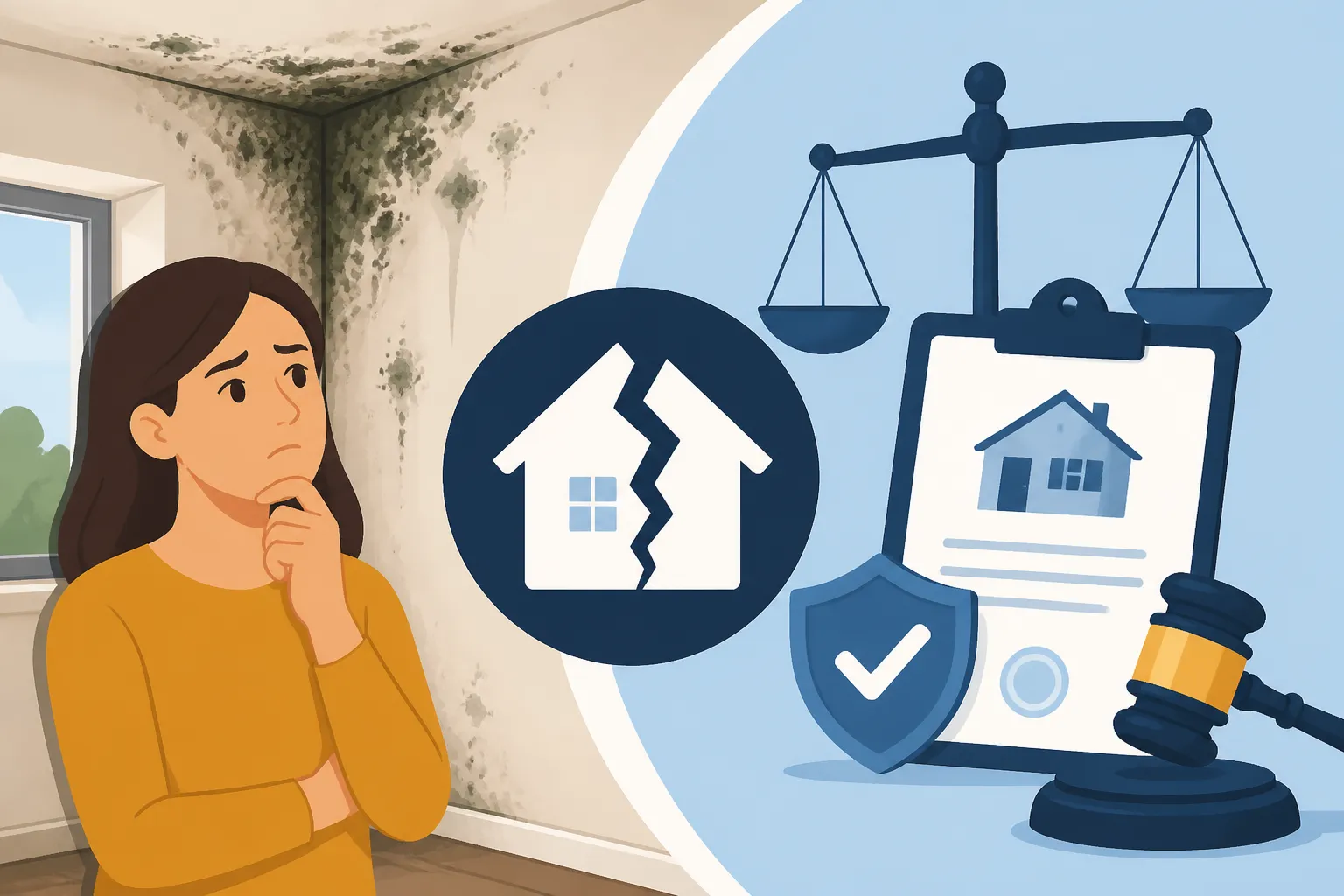
Discovering mold in your rental property isn't just an unsightly nuisance; it can be a genuine health hazard, causing allergies, respiratory issues, and a pervasive, musty smell that makes your home feel unbearable. When you're faced with this kind of unpleasant and potentially unhealthy living situation, it's completely natural to wonder if you're stuck or if there's a way out. This comprehensive guide will walk you through your rights as a tenant, the steps you should take, and whether mold in your apartment or house truly gives you the legal grounds to break your lease.
Understanding Mold in Your Rental Property
Mold isn't just "some fungus" that grows in damp places; it's a living organism that can quickly spread, especially in environments with moisture, warmth, and a food source like drywall or wood. Identifying it accurately and understanding its potential impact is the first step in addressing the problem effectively.
Types of Mold and Health Concerns
When people hear "mold," their minds often jump straight to "black mold," or Stachybotrys chartarum, which has a notorious reputation. While black mold can be toxic and cause serious health problems, it's important to understand that not all black mold is Stachybotrys, and many other types of mold, even seemingly harmless ones, can still pose health risks, particularly for sensitive individuals. Common indoor molds like Cladosporium, Penicillium, and Aspergillus can trigger allergies, asthma attacks, skin irritation, and upper respiratory symptoms such as coughing, sneezing, and a stuffy nose. For those with compromised immune systems, chronic lung illnesses, or severe allergies, mold exposure can lead to more severe conditions, including hypersensitivity pneumonitis.
It's crucial not to self-diagnose but to consult with a medical professional if you suspect mold exposure is affecting your health. Documenting any health symptoms with your doctor's input can be an important piece of evidence if your situation escalates. The key takeaway is that mold, regardless of its specific type, indicates an underlying moisture problem that needs to be addressed for the health and safety of the occupants.
Identifying Mold
Mold often has a distinctive musty, earthy smell, even before you see it. Visually, it can appear in various colors—black, green, white, gray, or even pink—and textures, from fuzzy to slimy. You might spot it as small spots or a large, spreading colony. Common places to find mold in a rental include:
- Bathrooms: Around shower tiles, behind toilets, under sinks due to humidity and potential leaks.
- Kitchens: Near dishwashers, refrigerators, and sinks, especially if there's a hidden leak.
- Basements/Crawl Spaces: These areas are prone to dampness and poor ventilation, making them prime breeding grounds.
- Around Windows and Doors: Condensation can build up, creating moisture.
- Walls and Ceilings: Especially if there's a leaky roof or plumbing issue upstairs.
- Behind Wallpaper or Under Carpets: Mold loves hidden, undisturbed moisture.
If you suspect mold but can't see it, follow your nose. That tell-tale musty odor is a strong indicator. Once you locate it, take clear photos and videos, noting the size, color, location, and any associated water damage. This documentation is vital, as we’ll discuss later, for proving the extent of the problem and your efforts to address it.
Landlord Responsibility for Mold Remediation
In most jurisdictions across the United States, landlords are generally responsible for maintaining a habitable living environment. This concept is often referred to as the "implied warranty of habitability." This means they must ensure the property is fit for human habitation, free from serious defects that endanger a tenant's life, health, or safety. Mold, particularly widespread or toxic mold, can certainly fall under this category.
However, the specific responsibility often hinges on the cause of the mold. If the mold is due to the landlord's failure to maintain the property—such as a leaky roof they never fixed, faulty plumbing, or poor ventilation in common areas—then the landlord is typically responsible for its removal and remediation. On the other hand, if the mold is caused by the tenant's actions or negligence, like failing to properly ventilate the bathroom after showering, leaving wet towels on the floor, or not reporting a minor leak promptly, then the tenant might bear some or all of the responsibility.
Many state laws, like those in California and New York, specifically address landlord responsibilities regarding habitability and necessary repairs, which implicitly includes addressing mold when it impacts health or safety. Landlords often use platforms like TurboTenant to manage their properties and track repair requests, so ensuring your requests are logged through official channels can be crucial.
Your Rights as a Tenant When Facing Mold Issues
Navigating a mold issue can feel overwhelming, but knowing your rights and following the correct procedures can empower you to protect your health and your tenancy.
Documenting the Problem Thoroughly
This cannot be stressed enough: document everything. Your word against your landlord's isn't enough in a legal dispute. You need solid evidence.
- Photographs and Videos: Take numerous clear, timestamped photos and videos of the mold, showing its location, size, and any water damage. Include wide shots to show the context of the room and close-ups to show the detail of the mold.
- Date the Discovery: Note the exact date you first noticed the mold and any changes you observe over time.
- Health Symptoms: Keep a detailed log of any health issues you or household members experience, noting symptoms, onset dates, and any doctor visits. If a doctor attributes your symptoms to mold exposure, get that in writing.
- Repair Attempts: Document any attempts you've made to mitigate the mold, such as cleaning with mold remover, improving ventilation, or running a dehumidifier. This shows you're not negligent.
- Communications: Keep copies of all correspondence with your landlord, property manager, or maintenance staff. This includes emails, text messages, certified letters, and detailed notes from phone calls (date, time, who you spoke to, what was discussed).
The more evidence you have, the stronger your position will be if you need to escalate the situation, perhaps even pursuing actions like those outlined in a guide on How to Document Repair Problems.
Notifying Your Landlord Formally
Verbal notifications are easily forgotten or denied. Always put your request for mold remediation in writing.
- Initial Written Notice: Send a formal letter via certified mail with a return receipt requested. This provides proof that the landlord received your notice and when. In the letter, clearly describe the mold issue, its location, the date you discovered it, and any health symptoms you're experiencing. Refer to your documentation (photos, videos, health logs). Request immediate remediation, citing their responsibility to maintain a habitable property. You can find excellent advice on How to Request Repairs in Writing.
- Follow-Up Notices: If your landlord doesn't respond or act within a "reasonable" timeframe (which can vary by state, often 24-72 hours for emergencies like major leaks, or 7-14 days for less urgent issues), send another certified letter. Reiterate your previous requests, attach copies of your initial notice, and mention their failure to address the problem.
- Code Enforcement: If your landlord remains unresponsive, you might consider contacting your local housing authority or health department to report the issue. They can inspect the property and potentially issue violations, which can put legal pressure on your landlord.
Landlord's Timeline for Action
What constitutes a "reasonable time" for a landlord to address mold and other repairs is often dictated by state or local laws. For instance, in states like Texas or Florida, landlords typically have a "reasonable" amount of time, often considered to be 7 days, to address significant habitability issues once formally notified. In California, depending on the severity, it could be as little as 24 hours for emergencies or up to 30 days for less urgent matters.
If the mold is extensive or immediately threatening your health, it might be considered an "emergency repair," demanding a much quicker response. For a deep dive into these timelines, check out resources like How Long Does a Landlord Have to Make Repairs By State. If your landlord fails to act within the legally mandated or reasonable timeframe, you may have further recourse, including the possibility of breaking your lease or pursuing alternative actions.
Legal Avenues for Breaking Your Lease Due to Mold
When a landlord fails to address a significant mold problem, it can render the property uninhabitable, opening up legal avenues for tenants to terminate their lease early. However, these steps must be taken carefully to avoid legal repercussions.
Constructive Eviction
Constructive eviction is a powerful legal doctrine that allows a tenant to break their lease and move out without penalty if the landlord's actions (or inactions) have made the property uninhabitable. Essentially, the landlord hasn't physically evicted you, but they've constructively evicted you by creating or allowing conditions so bad that you can no longer live there.
For mold to qualify for constructive eviction, it usually needs to meet certain criteria:
- Severity: The mold must be severe enough to render the property genuinely uninhabitable, posing a significant risk to health and safety. Minor surface mold in a bathroom that can be easily cleaned by the tenant typically wouldn't qualify. Extensive black mold or mold caused by a major, unaddressed structural issue is much more likely to.
- Landlord's Knowledge: The landlord must have been properly notified of the mold issue.
- Landlord's Failure to Act: The landlord must have failed to address the issue within a reasonable timeframe after receiving notice.
- Tenant Vacates: The tenant must actually vacate the premises within a reasonable time after the landlord's failure to remedy the situation. You can't claim constructive eviction if you continue to live in the uninhabitable unit for months.
Successfully arguing constructive eviction means you wouldn't be liable for future rent payments. This is a complex area, and it's highly recommended to consult legal counsel before invoking it. You can learn more about this concept in detail by exploring guides like Constructive Eviction Explained.
Repair and Deduct or Withholding Rent
In some states, if your landlord fails to make necessary repairs that affect habitability, you might have the right to either "repair and deduct" or "withhold rent." These options are typically used for issues like a lack of heat, hot water, or structural safety concerns, but could apply to severe mold depending on state laws.
- Repair and Deduct: This allows you to pay for the mold remediation yourself and then deduct the cost from your next month's rent. However, strict rules apply. You usually need to:
- Give proper written notice to your landlord.
- Allow a reasonable time for them to make repairs.
- Get estimates and choose the lowest reasonable bid.
- The repair cost must not exceed a certain amount (e.g., one month's rent in some states).
- Keep meticulous records of all expenses.
- Withholding Rent: This involves placing your rent money into an escrow account (or similar third-party holding) rather than paying it directly to the landlord until the repairs are made. This option is usually reserved for the most severe habitability issues and carries significant risk. If you improperly withhold rent, your landlord could pursue eviction for nonpayment.
Both repair and deduct and withholding rent are powerful tools, but they are also legally risky and complex. It's critical to understand the specific rules in your state, which can be found in resources like Repair and Deduct by State or Withholding Rent for Repairs. Missteps can lead to an eviction filing against you, impacting your rental history.
State-Specific Mold Laws and Lease Termination
While federal law doesn't explicitly regulate mold in residential rentals, many states and local municipalities have adopted their own specific guidelines or laws that impact a landlord's responsibility and a tenant's rights regarding mold.
- California: Has some of the most robust tenant protections. Mold is recognized as a legitimate habitability issue. If mold makes a unit substandard or affects health, tenants may have grounds for lease termination after proper notice and landlord inaction.
- New York: Landlords must keep units free from pests and other health hazards, which can include mold. In New York City, the Housing Maintenance Code requires landlords to keep properties free of mold.
- Arizona: While not as explicit as California, landlords are still required to maintain premises in a fit and habitable condition. If mold is widespread and severe, it can certainly violate this.
- Maryland: Law specifically includes "visible mold" as a condition that could lead to remedies if the landlord fails to address it.
It's absolutely essential to research your specific state and city laws. A quick web search for "tenant rights mold [Your State/City]" can provide detailed information, or consulting with a local tenant advocacy group. The ability to break a lease due to mold hinges heavily on whether the mold issue constitutes a breach of the implied warranty of habitability in your specific location.
Here's a simplified look at how some states approach mold and habitability, though specific laws can be quite nuanced:
| State | Specific Mold Law/Guidance | General Approach to Mold as Habitability Issue | Tenant Actions Available (after proper notice) |
|---|---|---|---|
| California | Yes, specific mold regulations (e.g., Health & Safety Code §26147) | High, considered a serious health hazard | Lease termination, repair & deduct, rent withholding |
| New York | Yes, Housing Maintenance Code in NYC, general habitability statewide | High, especially if severe or widespread | Lease termination, rent abatement, repair & deduct (limited) |
| Texas | No statewide specific mold law for rentals | Moderate, falls under general habitability | Lease termination (if severe), repair & deduct (limited) |
| Florida | No statewide specific mold law for rentals | Moderate, under general habitability | Lease termination (if severe), rent withholding (limited) |
| Maryland | Yes, "visible mold" can be a breach of lease | High, landlords must address | Lease termination, repair & deduct, rent escrow |
| Illinois | No statewide specific mold law for rentals | Moderate, under implied warranty of habitability | Lease termination (if severe), repair & deduct (limited) |
This table provides a general overview; specific ordinances in cities (e.g., Chicago, Los Angeles) can provide even stronger tenant protections. Always verify information with current state statutes or legal professionals.
Weighing Your Options and Next Steps
Breaking a lease, even for a legitimate reason like mold, is a serious decision with potential repercussions. It’s important to understand the full scope of your choices.
Potential Consequences of Breaking a Lease
If you break your lease without legal justification, or if you mishandle the process, you could face significant penalties. These can include:
- Financial Liability: You might be held responsible for all remaining rent payments until the landlord re-rents the property, or until your lease term ends. Many states have a "landlord's duty to mitigate damages," meaning they must make a reasonable effort to find a new tenant, but you could still be on the hook for lost rent during that vacancy period.
- Loss of Security Deposit: Your landlord could keep your entire Security Deposit Laws by State (2026) to cover lost rent or damages, even if it wasn't related to the mold itself.
- Damage to Rental History: An unauthorized lease break can appear on your rental history, making it difficult to find a new rental in the future.
- Lawsuit: In extreme cases, your landlord could sue you for unpaid rent and other damages, leading to a court judgment against you.
Therefore, it's vital to be absolutely certain of your legal standing and to follow all procedures meticulously before you decide to terminate your lease. If you're looking into How to Break a Lease Without Penalty Where Possible, understanding the legal nuances of your situation is paramount.
Seeking Legal Counsel
Given the complexities and potential consequences, consulting with a landlord-tenant attorney or a local legal aid society is highly recommended if you're considering breaking your lease due to mold. A legal professional can:
- Review Your Lease: Identify any specific clauses related to repairs, mold, or early termination.
- Assess Your Evidence: Determine if your documentation is strong enough to support a claim of uninhabitable conditions or constructive eviction.
- Advise on State-Specific Laws: Provide accurate guidance based on the tenant laws in your specific state and city.
- Negotiate with Your Landlord: An attorney can often negotiate a lease termination agreement with your landlord, potentially saving you from future legal battles and financial penalties.
- Represent You in Court: If the situation escalates to a lawsuit, an attorney can represent your interests.
Many tenant advocacy groups also offer free or low-cost advice and mediation services that can be incredibly helpful. Don't go it alone if you feel out of your depth.
Proactive Measures and Prevention
While your landlord is responsible for major mold issues stemming from structural or plumbing problems, tenants also have a role in preventing and managing minor mold growth. These proactive steps can also serve as proof that you haven't contributed to the problem, strengthening your position if disputes arise.
- Report Leaks Promptly: Even small drips can lead to big mold problems. Report any leaks or water intrusions to your landlord immediately in writing.
- Ensure Proper Ventilation: Use exhaust fans in bathrooms and kitchens, especially when showering, cooking, or using the dishwasher. Open windows to air out damp areas.
- Control Humidity: Use a dehumidifier in damp areas like basements or during humid seasons. Aim for indoor humidity levels between 30% and 50%.
- Clean Regularly: Promptly clean and dry any spills or condensation. Regularly clean bathroom surfaces with mold-inhibiting cleaners. If you encounter minor surface mold, address it quickly with appropriate cleaning solutions.
- Avoid Storing Items in Damp Areas: Don't store boxes or furniture directly against basement walls where moisture might collect.
Taking these steps demonstrates responsible tenancy and can help prevent mold from becoming a major issue. Many renters also opt for renters' insurance from companies like Lemonade or Steadily, which can cover your personal belongings in case of water damage or other perils that might lead to mold on your possessions, though it typically won't cover remediation of the property structure itself. Knowing your tenant rights if the landlord won't return your deposit or dealing with Security Deposit Deductions: Full List of Allowed Charges after move-out can be a real headache, so preventing issues from the start is always best.
Disclaimer
The information provided in this guide is intended for general informational purposes only and does not constitute legal advice. Landlord-tenant laws vary significantly by jurisdiction, and the specifics of your situation may require consultation with a qualified legal professional in your state or locality.