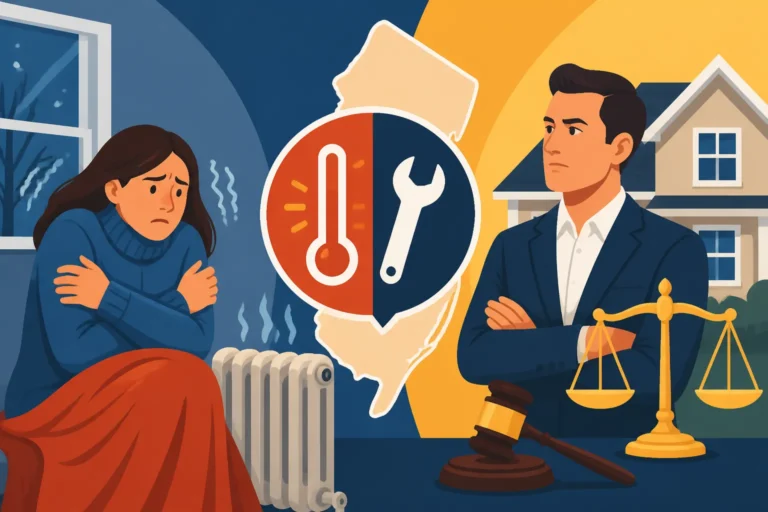
Landlord Repair Duties & Timelines in Colorado
It’s a truly frustrating experience when something breaks in your Colorado rental property. You’ve got a leaky faucet that won't quit, a furnace on the fritz in the dead of winter, or maybe a broken appliance that's making daily life a hassle. You keep waiting for your landlord to act, but what are their actual legal obligations, and how long do they really have to fix things? This guide is here to clarify your rights and your landlord's repair duties and timelines under Colorado law, empowering you with the knowledge to navigate these situations effectively.
Understanding the Implied Warranty of Habitability in Colorado
The cornerstone of tenant rights when it comes to repairs in Colorado is the "Implied Warranty of Habitability." This isn't just a nicety; it's a fundamental legal principle baked into every residential lease agreement in the state, whether it's explicitly written in your contract or not. What it means, in plain language, is that your landlord is legally required to provide and maintain a rental property that is safe, sanitary, and fit for human living throughout your tenancy. This isn't about luxury amenities, but about the absolute basics that make a home livable.
This warranty places a continuous responsibility on landlords to ensure the property meets certain minimum standards. It means they can't just rent you a place and then ignore major issues that arise, expecting you to live in substandard conditions. From the bustling streets of Denver to the quiet mountain towns, all residential landlords in Colorado must adhere to this standard, making it a powerful protection for tenants when things inevitably go wrong with a property.
What Constitutes a Habitable Living Space?
So, what exactly does "habitable" entail under Colorado law? It goes beyond just having four walls and a roof. A rental property is considered uninhabitable if it lacks essential facilities or services, or if its condition poses a significant threat to a tenant's health or safety. Common examples include a complete lack of heat during cold months, no running water, a significant structural defect like a collapsing ceiling, or severe electrical hazards. These aren't minor inconveniences; they directly impact your ability to live safely and comfortably.
Beyond the major system failures, habitability also extends to other crucial aspects. This could involve ensuring that the premises are reasonably protected against foreseeable criminal intrusion, such as having secure locks on doors and windows. It also covers maintaining common areas, making sure they are safe and clean, and addressing environmental hazards like pervasive mold or serious pest infestations that threaten health. If your apartment in Aurora has a persistent rodent problem that your landlord refuses to address, that absolutely falls under the umbrella of an uninhabitable condition.
Essentially, if a condition in your rental property is severe enough to genuinely affect your health, safety, or ability to use the property for its intended purpose (as a home), it likely violates the warranty of habitability. This broad definition is designed to protect tenants from living in hazardous or unhygienic environments. To dive deeper into what specific issues landlords must typically address, explore our guide on Landlord Repair Responsibilities What They Must Fix.
Essential Services and Utilities
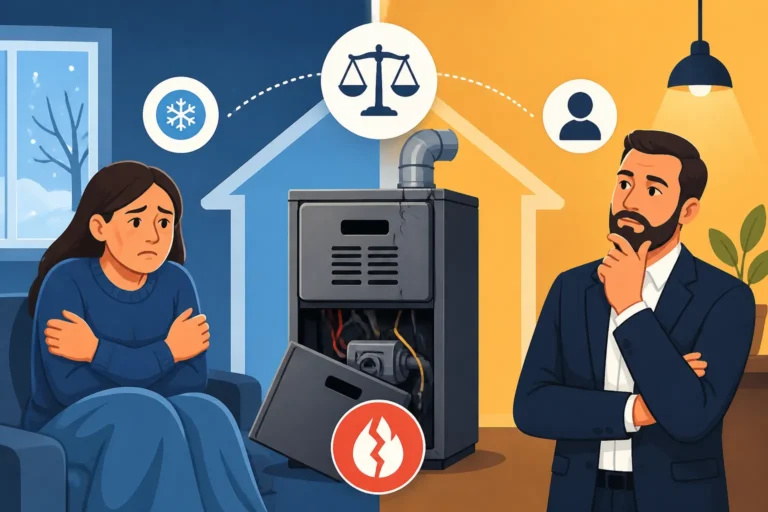
Colorado law specifically outlines several critical services and utilities that landlords must provide and maintain to ensure a property remains habitable. These include a working heating system, access to both hot and cold running water, functional electricity, and sanitary facilities like toilets, sinks, and showers that are in good repair. Imagine trying to endure a harsh Colorado winter in Colorado Springs without any heat – that's a prime example of a habitability violation that directly endangers your well-being.
In addition to these core utilities, landlords are generally responsible for maintaining any appliances they provided as part of the rental agreement. If the refrigerator or stove that came with your unit stops working through no fault of your own, your landlord is typically obligated to repair or replace it. This also encompasses ensuring the structural components of the building are sound and free from hazards, and that the property is free of conditions that could lead to serious health issues, such as dangerous levels of lead or asbestos if applicable to the building's age.
It's not just about the presence of these utilities; it's about their functionality. A water heater that constantly provides only lukewarm water, or an electrical system that frequently trips breakers, might also constitute a breach if it significantly impairs your use of the property. When these essential services falter, it's not just an annoyance; it can make daily life incredibly difficult and even dangerous, necessitating a swift response from your landlord.
Landlord Repair Timelines in Colorado: What's Reasonable?
This is often the million-dollar question for tenants: once you've reported an issue, how long does your landlord actually have to fix it? Unfortunately, Colorado law doesn't always provide a concrete number of days for every single type of repair. Instead, it often relies on the concept of a "reasonable time." This can feel frustratingly vague, but it's generally interpreted based on the severity of the issue, the impact on your habitability, and the complexity of the repair.
The clock on this "reasonable time" typically begins ticking once your landlord receives proper written notice of the defect. This detail is absolutely critical. A casual mention during a phone call or a quick chat in the hallway won't always suffice if you later need to prove that you informed them. Always follow up any verbal communication with a clear, written notice to establish a verifiable record of when and what you reported.
Emergency Repairs: When Time is Critical
For urgent issues that render your home immediately unsafe or completely uninhabitable, Colorado law demands a much swifter response. These are the "drop everything" kind of repairs. Think about situations like a complete loss of heat when outdoor temperatures are below freezing, a significant and uncontained water leak causing immediate property damage, a gas leak, or a broken main entrance lock that compromises your security. In these extreme cases, "reasonable time" is usually measured in hours, not days, often requiring action within 24 to 72 hours.
The immediate nature of these emergencies means that delays can have serious consequences for your health, safety, or the integrity of the property itself. For example, if you live in a Boulder apartment and your pipes burst, causing extensive flooding, your landlord is expected to take prompt action to mitigate the damage and restore essential services. Their failure to do so quickly could be seen as a severe breach of their duties, potentially allowing you further recourse.
It's crucial for tenants to attempt to contact their landlord or property manager through all available and documented channels during an emergency. While you might feel the urge to call a repair person immediately, it's best to give your landlord the opportunity to address it first, while still ensuring your own safety. Property management platforms that utilize features for quick communication, like those often employed by landlords using services like TurboTenant, can be beneficial in these critical moments for both parties.
Non-Emergency Repairs: The "Reasonable Time" Standard
For less immediate but still important repairs, Colorado law requires landlords to address the problem within a "reasonable time" after receiving your proper written notice. Unlike emergencies, there isn't a strict 24-hour deadline here. What constitutes "reasonable" will vary depending on the nature and complexity of the repair. A broken oven, for instance, might warrant a fix within a few days to a week, whereas a minor issue like a loose cabinet door handle might reasonably take a bit longer.
Generally, for typical non-emergency issues that impact your comfort but not your immediate safety, a few days to a couple of weeks is often considered reasonable. If a landlord needs to order a specific part, coordinate with multiple contractors, or address a more extensive problem like roof damage from a storm, the timeline might naturally extend. The key isn't necessarily immediate resolution, but that the landlord is actively working towards a solution, communicating with you, and not simply delaying or ignoring the issue.
If you've provided written notice, and a significant amount of time passes without any action, communication, or a clear plan from your landlord, then the "reasonable time" window may have closed. At that point, you'll need to consider your next steps, which could include exploring your options outlined in resources like How Long Does a Landlord Have to Make Repairs? By State.
How to Properly Notify Your Landlord
Proper notification is the linchpin of asserting your tenant rights in Colorado. If you don't officially notify your landlord, they can't be held responsible for an issue, regardless of its severity. The most crucial rule here is to always put your repair requests in writing. Verbal conversations, while convenient, offer no verifiable proof and can quickly become a "he said, she said" situation if a dispute arises.
Your written notice should be clear, concise, and comprehensive. Include the date, your full name and address, a detailed description of the problem, when you first noticed it, and how it impacts your living conditions. It’s also wise to include photographs or videos of the issue as supporting evidence. State that you expect the repair to be made within a reasonable timeframe, clearly referencing Colorado's habitability laws where applicable. For a comprehensive guide on drafting these notices, refer to How to Request Repairs in Writing.
Send your written notice through a method that provides proof of delivery. An email with a read receipt, a text message (if your lease specifies this as an acceptable form of communication), or, best yet, a certified letter with a return receipt requested are all excellent options. Always keep a copy of your notice and proof of delivery for your records. This documentation is your strongest asset if you need to escalate the issue or pursue further legal action.
What Happens if Your Landlord Doesn't Make Repairs?
Despite your best efforts to notify them, there are times when landlords in Colorado still fail to make necessary repairs within a reasonable timeframe. When this happens, it's incredibly disheartening and can leave you feeling stuck. Fortunately, Colorado law provides tenants with specific remedies to address such landlord negligence, but these options must be exercised carefully and often come with strict legal procedures. Understanding these avenues is key to protecting yourself and your home.
Before jumping to legal actions, it's always a good practice to thoroughly review your lease agreement. While specific clauses in your lease cannot override your fundamental rights under the Implied Warranty of Habitability, it may contain specific procedures for reporting issues that you should adhere to initially. However, if the lease tries to waive your habitability rights, state law will always take precedence.
Options for Tenants: Repair and Deduct, Withholding Rent, and Lease Termination
When a landlord in Colorado fails to make a necessary repair after receiving proper notice, tenants have several potential avenues, each with its own requirements and risks. One common option, sometimes allowed, is "repair and deduct." This means you might be able to arrange for the repair yourself and deduct the documented cost from your next month's rent. However, this is typically reserved for more significant issues, often capped at a certain amount (like one month's rent or a specific dollar value), and requires you to follow a precise legal process, including giving your landlord a second notice of your intent to repair and deduct if they still fail to act. Our guide on Repair and Deduct by State offers state-specific details.
Another, more aggressive option, is withholding rent. In Colorado, simply stopping rent payments is risky and can lead to eviction. Instead, the law typically requires you to place the rent money into a separate escrow account, demonstrating that you have the funds but are withholding them due to the landlord's failure to maintain habitable conditions. This requires careful legal counsel, as improperly withholding rent can result in an unlawful detainer lawsuit against you. For an in-depth look at this complex topic, read about Withholding Rent & Rent Escrow.
Finally, if the conditions are so severe and persistent that they make the unit genuinely uninhabitable, you might have grounds for "constructive eviction." This legal concept means the landlord's inaction has effectively forced you to move out, allowing you to terminate your lease without penalty. This is a very high bar to meet and requires substantial documentation of uninhabitable conditions and your landlord's failure to address them. Taking this step without legal guidance is highly risky. For situations where conditions are truly dire, such as severe mold, consider our post on Breaking a Lease Due to Mold or Uninhabitable Conditions.
Seeking Legal Recourse and Damages
If your landlord continues to neglect their repair duties, and you've exhausted other options, you might have grounds to sue them. This typically involves filing a lawsuit in small claims court to seek compensation for damages. These damages could include the diminished value of your rental property due to the uninhabitable conditions, the cost of temporary housing if you were forced to relocate, or reimbursement for medical expenses if the conditions negatively impacted your health.
This is precisely where all your meticulous documentation becomes invaluable. Your written repair requests, proof of delivery, photographs, videos, and any communication with your landlord or contractors will serve as crucial evidence in court. Without a clear paper trail, proving your case can be incredibly difficult. A judge will want to see that you followed proper procedures and gave your landlord ample opportunity to correct the issues.
In some egregious cases, especially if a landlord's actions are found to be willful or retaliatory, a court might even award additional penalties or damages beyond your direct losses. Consulting with a tenant rights attorney in Colorado is highly recommended before pursuing legal action. They can assess the strength of your case, guide you through the process, and help ensure you don't inadvertently harm your position. Services that offer renter's insurance, such as Lemonade, sometimes provide resources or legal advice lines that can be helpful in understanding your options, although their primary role is property protection.
Tenant Responsibilities and Avoiding Disputes
While Colorado law places significant repair duties on landlords, it's a two-way street. Tenants also have clear responsibilities for maintaining their rental units and promptly reporting any issues that arise. Understanding your role in this dynamic is crucial, not only to be a good tenant but also to strengthen your position and avoid disputes should you ever need to demand repairs from your landlord. Taking reasonable care of your home isn't just about common courtesy; it's often a legal obligation outlined in your lease and state law.
A frequent source of disagreement between landlords and tenants revolves around determining who is responsible for a particular repair. Generally, tenants are expected to keep the premises clean and sanitary and to make minor repairs that arise from their own negligence or misuse. For example, if you accidentally break a window pane, that repair cost typically falls to you. However, if the window frame itself is rotten from long-term wear and tear, that would be the landlord's responsibility as part of their general maintenance duties.
Maintaining Your Rental Property
As a tenant in Colorado, you are expected to keep your rental unit clean and free from excessive garbage or unsanitary conditions that could attract pests or cause damage. This also includes using all facilities, utilities, and appliances in a reasonable and intended manner. For instance, if you cause a plumbing blockage by flushing non-flushable items down the toilet, the cost of clearing that blockage would likely be your responsibility, not your landlord's.
You are also typically responsible for minor maintenance tasks that don't require professional expertise. This can include things like replacing light bulbs, changing batteries in smoke detectors, tightening loose screws on cabinet doors, or dealing with minor clogs in your sink or shower drain. These are generally considered part of routine household upkeep that any occupant would perform. This distinction between a tenant's minor upkeep and a landlord's major repair obligation is thoroughly explained in our guide on Landlord vs Tenant Repair Responsibilities.
Adhering to these responsibilities is not just good practice; it protects your security deposit. Property management companies, and landlords who use platforms like Steadily for property insurance and management, often conduct thorough move-in and move-out inspections. By properly maintaining your unit, you reduce the chances of your landlord making legitimate deductions for cleaning or damage that was your fault. Understanding Normal Wear and Tear vs Damage Complete Guide can also help clarify what you're responsible for.
Documenting Everything
Just as it is vital to document every repair request you send to your landlord, it is equally important to meticulously document the condition of your rental unit at both the beginning and end of your tenancy. Before you even unpack your first box, take detailed photos and videos of every room, every appliance, and any existing damage, no matter how minor. This creates a powerful record of the property's condition before you moved in, acting as your safeguard against wrongful deductions from your security deposit later on.
It’s highly advisable to complete a detailed move-in checklist with your landlord or property manager. On this checklist, note every scratch, dent, stain, or imperfection you observe. Both you and your landlord should sign and date this document, and you must keep a copy for your records. This signed checklist provides undeniable proof of the property's condition at the start of your lease. Our article on How to Document Your Apartment at Move-In offers a step-by-step approach to this crucial process.
Throughout your tenancy, if any new issues arise that are clearly not due to your negligence or misuse, document them immediately. Take photos and send written notice to your landlord, even for seemingly minor problems. This consistent documentation creates a comprehensive timeline that can prove invaluable if a dispute escalates, showing that you were proactive in communicating and maintaining records.
| Repair Urgency Level | Example Issues in Colorado | Typical "Reasonable" Timeline | Tenant Action Required |
|---|---|---|---|
| Emergency | Loss of heat (winter), major gas leak, burst pipes, fire damage, broken main security lock | 24-72 hours (immediate action) | Immediate written notice, follow-up if no contact. Prioritize safety. |
| Urgent Non-Emergency | Broken refrigerator, significant water heater malfunction, major appliance failure (stove, oven), significant electrical issues | 3-7 days (active pursuit of repair) | Written notice. Follow up if no communication or action. |
| Non-Emergency | Minor leaks, leaky faucet, clogged drain (not tenant-caused), worn carpet, minor structural issues | 7-21 days (dependent on complexity and parts) | Written notice. Keep documentation of communication and lack of action. |
| Minor / Cosmetic | Loose cabinet door, peeling paint (not lead-based), small wall cracks, non-essential amenity issues | 21+ days or at landlord's discretion (unless it escalates) | Written notice (if desired). Document for move-out assessment. |
Disclaimer
Please remember that this article provides general information about landlord repair duties and timelines in Colorado and is not intended as legal advice. Landlord-tenant laws can be complex and specific to individual situations, and they are subject to change. If you have a specific legal question or a serious dispute with your landlord, it is always recommended to consult with a qualified attorney specializing in landlord-tenant law in Colorado.