How Long Does a Landlord Have to Fix AC in Washington?
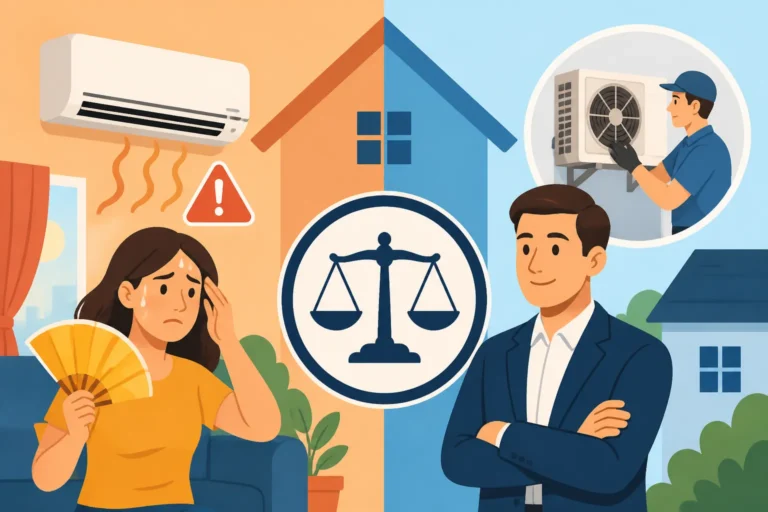
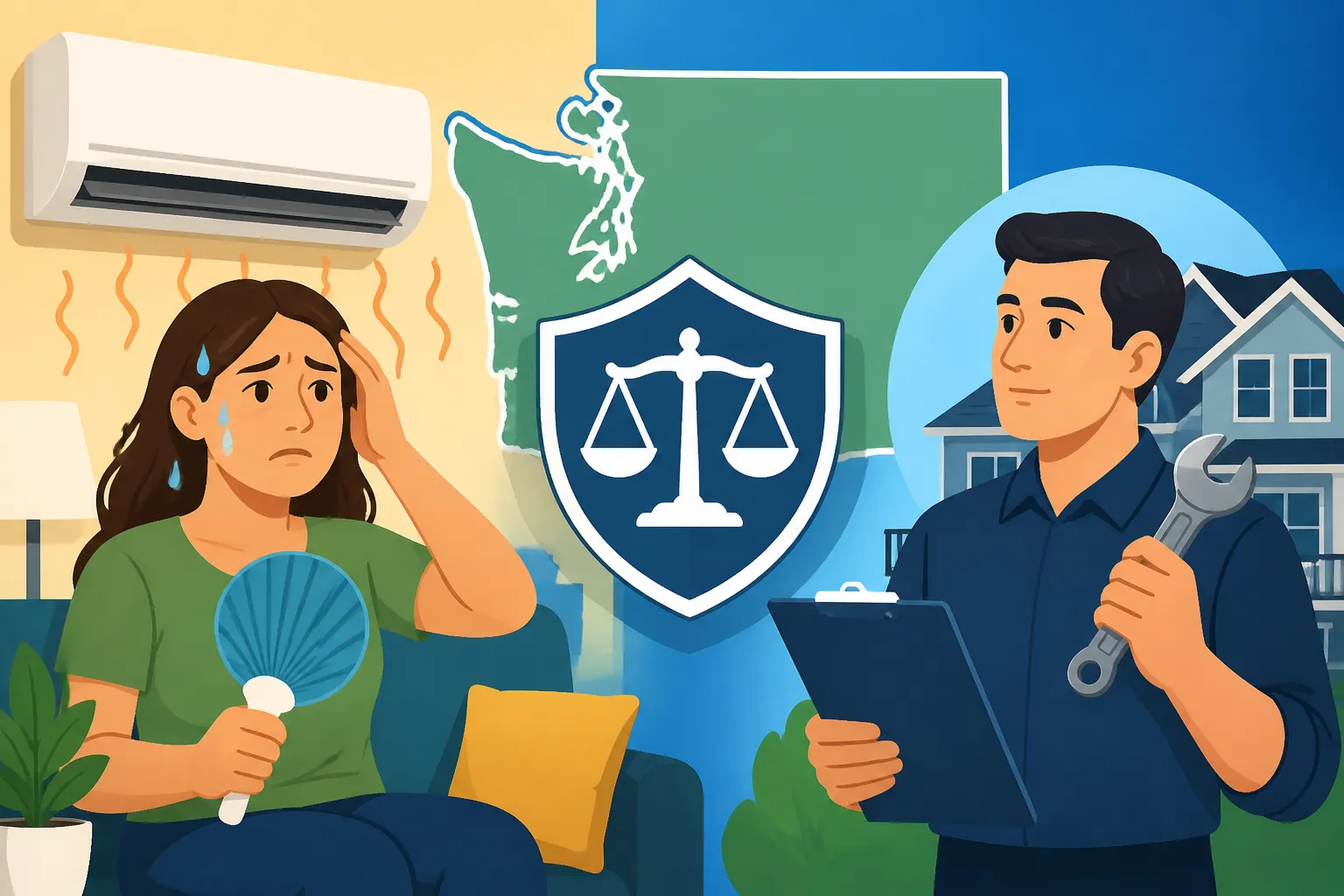
There are few things more frustrating than returning home, expecting a cool blast of air, only to be met with stale, hot air because your air conditioning unit decided to give up the ghost. It's a real bummer, especially when summer heats up in places like Seattle or Spokane, and you're left wondering, "How long do I have to sweat it out before my landlord has to fix this?" This guide is here to break down exactly what your rights are and how long your landlord has to fix that broken AC unit in Washington State.
Understanding Your Landlord's Responsibility for AC in Washington State
Let's face it, when something breaks in your rental, the first question is always, "Whose job is it to fix it?" When it comes to air conditioning in Washington, the answer isn't always as straightforward as you might hope. It largely depends on whether AC is considered a basic necessity and what your lease agreement specifically says.
Is Air Conditioning a "Habitable" Condition?
In Washington State, landlords are legally obligated to provide a safe and habitable living environment. This concept is often referred to as the "implied warranty of habitability." This means your landlord must ensure your rental meets basic health and safety standards. Think things like structurally sound walls, functioning plumbing, safe electrical wiring, and adequate heating in the colder months.
However, here’s the kicker: Washington state law generally does not explicitly list air conditioning as a requirement for a rental unit to be considered habitable. Unlike a lack of heat in winter, which would almost certainly be a habitability violation, a broken AC unit usually doesn't fall into the same category by default. So, if your lease doesn't mention AC, your landlord might not be legally obligated to provide it or repair it if it breaks, simply based on habitability laws alone.
There can be exceptions, though. Imagine you or a family member have a documented medical condition that is severely exacerbated by heat, and a doctor certifies that AC is necessary for health. Or perhaps the property is located in an area that regularly experiences extreme heat waves, posing a significant health risk. In these rare cases, a lack of functioning AC could potentially be argued as affecting habitability, but it's not a common interpretation under Washington law. For most situations, it’s not considered a core habitability issue.
What Your Lease Agreement Says About AC Repair
This is where your lease agreement becomes your absolute best friend (or worst enemy, depending on what it says!). While Washington state law might not generally consider AC a habitability item, if your lease explicitly states that air conditioning is provided as an amenity, then your landlord does have a contractual obligation to maintain and repair it.
Think of it this way: if your lease lists "central air conditioning" or "window AC unit included" as a feature of your rental, then you're paying for that amenity. If it breaks, your landlord is typically responsible for fixing it to fulfill their end of the lease agreement. Even if it's not considered a life-or-death habitability issue, it's still a service they promised to provide.
If your lease is completely silent on air conditioning, and it's not a built-in central system but perhaps a window unit you brought or that was left by a previous tenant without being explicitly included in your agreement, then your landlord likely has no obligation to fix it. This is why reviewing your lease terms carefully is so incredibly important before you sign, and again when issues arise. You can refer to our guide on What to Include in a Lease Agreement for more details on lease terms.
The "Reasonable Time" for AC Repair in Washington
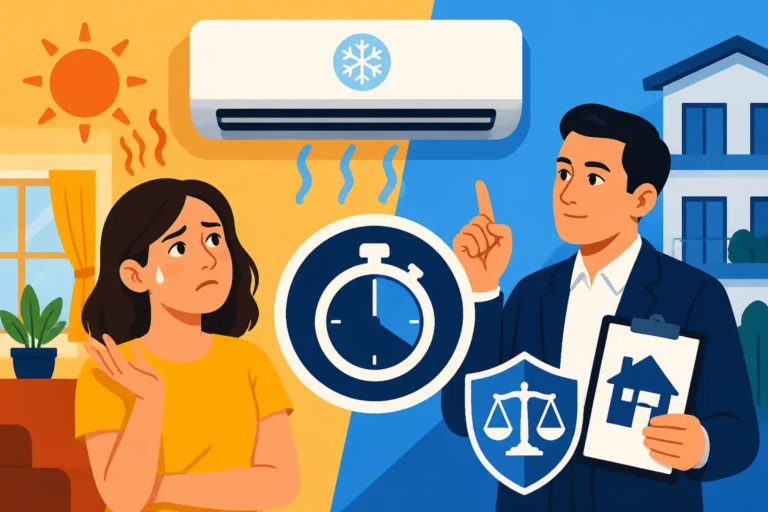
Once you've established that your landlord is responsible for fixing the AC, the next hurdle is understanding the timeframe. Washington State law uses the concept of "reasonable time" for repairs, which can feel a bit vague when you're sweltering.
General Repair Timelines for Non-Emergency Issues
For most non-emergency repairs in Washington, after you've provided proper written notice to your landlord, they generally have a specific window to begin repairs. According to the Residential Landlord-Tenant Act (RCW 59.18.070), for non-emergency conditions that affect habitability, the landlord usually has 10 days after receiving written notice to commence repairs. If the repair costs less than a certain amount (currently one month's rent), the tenant might even have a "repair and deduct" option if the landlord fails to act, though this is risky and has strict rules. You can learn more about this in our guide on Repair and Deduct by State.
However, as we discussed, AC is usually not considered a habitability issue. So, while the 10-day benchmark is a good general guideline for landlords, if your AC isn't explicitly tied to a habitability concern (e.g., a medical exemption for extreme heat), the "reasonable time" for repair might be a bit more flexible. For a non-emergency amenity repair, "reasonable" can depend on several factors:
- Availability of technicians: During peak seasons (like a heatwave), HVAC technicians can be incredibly busy.
- Availability of parts: If a specialized part needs to be ordered, it could take longer to arrive.
- Complexity of the repair: A simple filter change is quick; replacing an entire compressor is not.
A diligent landlord or property manager, like those using platforms such as TurboTenant to manage their properties, would ideally prioritize all repairs to maintain tenant satisfaction and property value. They would aim to get a technician out quickly, even for non-habitability issues.
Emergency Repairs and AC Exceptions
When we talk about "emergency repairs" in Washington State, the law has a much stricter and shorter timeline. An emergency is generally defined as something that makes the premises immediately unsafe or uninhabitable, such as a lack of heat in winter, a burst pipe causing significant water damage, or a broken lock jeopardizing security. For these types of emergencies, landlords often have around 24 hours to begin the repair process after notification.
The crucial point for AC is that it very rarely falls into this emergency category. While uncomfortable, a broken AC in most situations in Washington is not considered an immediate threat to life, health, or safety, unlike, say, a fire hazard or no running water.
That said, if there's an extraordinary circumstance—for example, if a severe heat advisory is issued for your area (like during one of those intense heat domes we've seen in recent years across the Pacific Northwest), and you have a written doctor's note stating that the lack of AC poses an immediate health risk (e.g., for an elderly tenant, someone with severe respiratory issues, or infants), then it might be argued as an emergency. However, this is a high bar, and you would need robust documentation and clear communication with your landlord.
Steps to Take When Your AC Breaks in Washington
So, your AC is out. Don't just sit there and sweat! There are definite steps you should take to ensure your landlord is properly notified and that you have a clear record of your efforts.
Documenting the Problem and Notifying Your Landlord
The very first thing you need to do, before anything else, is to put your repair request in writing. This isn't just a suggestion; it's a critical step under Washington law and for your own protection.
- Written Notice is Key: Do not rely on a casual phone call or a hallway conversation. Send an email, a text message (if your lease specifies this as an acceptable form of notice), or even better, a certified letter with a return receipt requested. This creates a paper trail, proving when and how you notified your landlord.
- What to Include: Your written notice should be clear and concise.
- Date: When you sent the notice.
- Your Contact Information: Name, apartment number.
- Description of the Problem: "The air conditioning unit is not turning on," or "The AC is blowing warm air," or "There's a strange noise coming from the AC and it's not cooling."
- Date the Problem Started: Roughly when you first noticed the issue.
- Request for Repair: Clearly state that you are requesting the AC be repaired.
- Proposed Timeline (Optional but helpful): You can reference the "reasonable time" expectation, asking for it to be repaired within X days, but be realistic based on the non-emergency nature.
- Photos and Videos: If possible, take photos or videos of the non-functioning AC unit, especially if there's any visible damage or if it's making unusual noises. Attach these to your written notice. This provides concrete evidence of the issue.
- Keep Copies: Always keep a copy of your notice and any attachments for your records. This documentation is invaluable if there's a dispute later on.
For a detailed guide on how to craft an effective repair request, check out our article on How to Request Repairs in Writing.
Following Up and Maintaining Communication
After sending your initial written notice, it's not a "set it and forget it" situation. You need to follow up respectfully and consistently.
- Be Patient, Then Persistent: Give your landlord a reasonable amount of time to respond and initiate the repair. For a non-emergency like AC, a few days for a response is fair. If you don't hear back within a few days or don't see any action, send a polite follow-up email or text, referencing your original notice and asking for an update.
- Document All Communications: Every phone call, every email, every text message—make a record. Note the date, time, who you spoke with, and what was discussed. This log will be crucial if you need to escalate the issue.
- Stay Professional: It’s frustrating to be without AC, but maintaining a polite and professional tone in your communications is always in your best interest. Emotional or angry messages can sometimes hinder the process.
- Confirm Appointments: If your landlord schedules a repair technician, ask for confirmation of the appointment date and time. If you use a tenant portal or a system like TurboTenant for communication, ensure all these interactions are logged there.
What Happens If Your Landlord Doesn't Fix the AC
You've done everything right: you've checked your lease, sent written notice, and followed up politely. But weeks go by, and your AC is still blowing hot air. What are your options in Washington State?
Understanding Your Options and Recourse
If your landlord fails to address a broken AC unit that they are contractually obligated to fix, you do have potential avenues for recourse, though they can be complex and are best approached cautiously.
- Breach of Lease/Contract: If your lease explicitly states that AC is provided, and the landlord isn't fixing it, they could be in breach of your lease agreement. This might allow you to sue for damages, such as the reduced value of the rental due to the missing amenity.
- Repair and Deduct (Limited Applicability for AC): Washington's repair and deduct statute (RCW 59.18.100) allows tenants to make certain repairs themselves and deduct the cost from rent if the landlord fails to act. However, this option is primarily for habitability issues (like a leaking roof or no heat) and has strict limits on the cost and procedures. Because AC is usually not a habitability issue, using "repair and deduct" for a broken AC is often not legally advisable and carries significant risk, including potential eviction for non-payment of rent. Always consult legal counsel before attempting this.
- Withholding Rent (Extremely Risky for AC): Similar to repair and deduct, withholding rent in Washington is generally only permissible for serious habitability issues after following very specific legal steps, including depositing rent into an escrow account. Withholding rent over a broken AC, unless it rises to a rare habitability concern, is almost certainly grounds for eviction for nonpayment of rent. This is a powerful tool meant for dire circumstances, not typically for amenity breakdowns. You can learn more about the strict rules surrounding this in our article on Withholding Rent & Rent Escrow.
- Termination of Lease: In some extreme cases of chronic non-responsiveness and significant breach of lease (where the AC was a material part of the agreement), you might be able to terminate your lease. This is a severe step and should only be pursued after legal consultation.
It's important for tenants to be aware of their rights, but also the potential pitfalls. Property owners can protect themselves with good landlord insurance from providers like Steadily, but tenants should also consider renter's insurance from companies like Lemonade, which can cover personal property if, for instance, a faulty AC unit causes water damage to your belongings.
Here’s a quick overview of general repair timelines in Washington:
| Type of Repair Issue | Notification Requirement | Landlord Action Timeline (after written notice) | Typical AC Classification | Potential Tenant Recourse (if landlord fails) |
|---|---|---|---|---|
| Emergency (e.g., no heat, major plumbing leak, security threat) | Written or verbal immediately | 24-72 hours to begin repairs | Rarely (unless specific medical need + extreme heat advisory) | Repair & deduct (strict limits), withhold rent (strict limits), lease termination |
| Habitability Issue (e.g., structural defect, pests, unsafe wiring) | Written notice | 10 days to commence repairs | Almost never | Repair & deduct (strict limits), withhold rent (strict limits), lease termination, sue for damages |
| Non-Habitability Amenity (e.g., broken dishwasher, cosmetic damage, broken AC if in lease) | Written notice | "Reasonable time" (often interpreted as similar to 10-day general repairs, but more flexible) | Usually falls here if explicitly in lease | Sue for damages (breach of contract), lease termination (extreme cases) |
| Non-Habitability Amenity (e.g., broken AC not in lease) | N/A | No obligation | N/A | No legal recourse from landlord |
Seeking External Assistance and Legal Advice
Navigating landlord-tenant law can be tricky, especially when it comes to specific interpretations of "habitability" and "reasonable time." If you find yourself in a prolonged dispute over a broken AC in Washington, don't try to go it alone.
- Tenant Rights Organizations: Reach out to local tenant advocacy groups. Organizations like the Tenants Union of Washington State or Solid Ground in Seattle offer resources, advice, and sometimes even legal assistance for renters. They can help you understand the specific nuances of Washington's landlord-tenant laws and how they apply to your situation.
- Housing Authorities: Your local housing authority may be able to offer guidance or mediate disputes, especially if your rental is part of a subsidized housing program.
- Legal Aid: If your income qualifies, legal aid services can provide free or low-cost legal advice. This is crucial before taking any self-help measures like repair and deduct or rent withholding.
- Attorney Consultation: For complex cases, a landlord-tenant attorney can provide personalized legal counsel and represent you if necessary. They can help you understand the strengths and weaknesses of your case and the best course of action.
Remember, landlords also have rights, and understanding the law protects everyone. If you believe your landlord is retaliating against you for requesting repairs, there are laws in place to protect you. Our guide on How to Report a Landlord Code Violations & Retaliation can provide further insight.
Disclaimer
Please remember that this guide provides general information about landlord-tenant laws in Washington State and should not be considered legal advice. Landlord-tenant laws are subject to change, and local ordinances may vary. It is always recommended to consult with a qualified attorney or local tenant advocacy organization for advice specific to your situation.