Repair and Deduct Laws in Washington
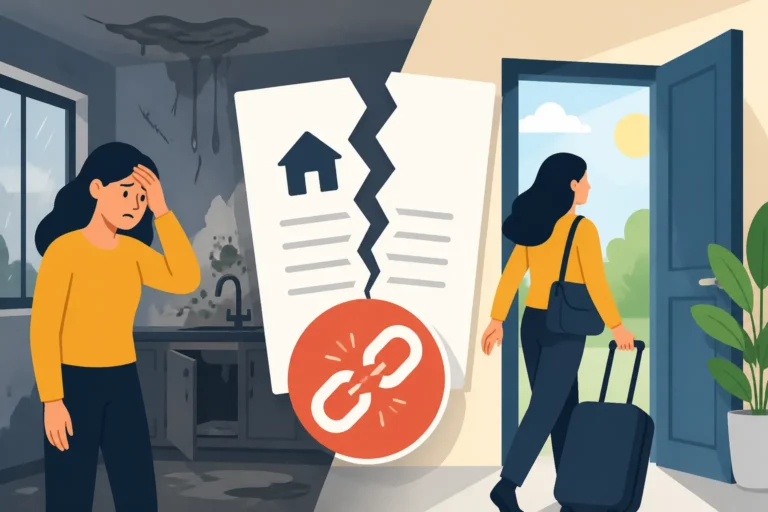
It’s a truly awful feeling when something breaks in your rental home – maybe the furnace goes out in the middle of winter, or a major plumbing leak develops, or even something less dramatic but equally frustrating, like a refrigerator that just won't keep food cold. You reach out to your landlord, expecting a swift solution, only to be met with delays, excuses, or even outright silence. You're left wondering if you're stuck living in uncomfortable or even unsafe conditions. This guide is here to walk you through your rights as a tenant in Washington State, specifically focusing on the "repair and deduct" remedy, empowering you to address urgent repair issues when your landlord doesn't.
Understanding Repair and Deduct in Washington State
Let’s be honest, no one wants to fix something that isn't theirs, especially when they're paying good money for rent. But sometimes, as a tenant, you find yourself in a bind: your landlord is dragging their feet on crucial repairs, and you can't just live with a leaky roof or a broken heater indefinitely. That's where the "repair and deduct" law in Washington State can come into play. It's a specific legal remedy that allows tenants to fix certain problems themselves and then subtract the cost from their rent. However, it’s not a free-for-all, and there are strict rules you absolutely need to follow to avoid getting into hot water with your landlord.
The Legal Foundation: Implied Warranty of Habitability
The cornerstone of tenant repair rights in Washington, and many other states, is the "implied warranty of habitability." This isn't usually something explicitly written into your lease; it's a fundamental understanding that your rental unit will be fit for human habitation. It's a legal promise that your landlord makes, whether they realize it or not, ensuring that the property meets basic health and safety standards.
What does this "implied warranty" really mean for you? It means your landlord is legally obligated to maintain the structural integrity of the building, keep essential utilities like heat, water, and electricity in working order, and ensure the premises are free from serious hazards like lead paint or active pest infestations. When a landlord fails to uphold this warranty, and a condition arises that makes your home unsafe or unhealthy, it opens the door for remedies like repair and deduct. Imagine your furnace failing in January in Spokane. That's a clear violation of habitability because it jeopardizes your safety and health, making your unit practically unlivable. On the other hand, a dripping faucet, while annoying, might not always rise to this level of severity. Understanding this distinction is crucial before taking any action.
When Can a Tenant Use Repair and Deduct?
Not every ding or scratch in your apartment warrants a repair and deduct action. Washington state law is very specific about the types of repairs that qualify. Generally, the issue must affect the tenant's health and safety. These are often referred to as "defective conditions" or "conditions that endanger or impair the health or safety of the tenant."
Think about things like:
- Structural issues: A collapsed ceiling or a dangerously damaged porch.
- Essential utilities: No heat, no hot water, no electricity (unless it's due to a public utility shut-off beyond the landlord's control, like a widespread power outage).
- Plumbing problems: Major leaks, clogged pipes preventing proper use of facilities, or a non-functioning toilet.
- Serious infestations: Rats, cockroaches, or bed bugs that the landlord has failed to address.
- Security breaches: A broken lock on your main entry door that the landlord refuses to fix.
It's important to remember that this remedy is generally not for cosmetic issues or minor inconveniences. A squeaky door, a chipped tile, or a non-essential appliance (like a dishwasher if you also have a sink) that breaks down, while frustrating, typically won't qualify for repair and deduct. The law is designed for urgent, impactful problems that genuinely threaten your ability to live safely and comfortably in your home. Before you even consider this route, you need to be absolutely sure the problem fits the legal definition of a defective condition in Washington. If you're unsure, it’s always best to seek legal advice or consult local tenant resources.
The Step-by-Step Process for Repair and Deduct in Washington
Taking matters into your own hands and deducting repair costs from your rent might sound appealing, but it's a serious legal maneuver. Skipping even one step can put you in breach of your lease and potentially lead to eviction. In Washington State, the process is very specific and must be followed to the letter to protect your tenant rights. This isn't just a suggestion; it's your legal roadmap.
Providing Proper Notice to Your Landlord
The first and arguably most critical step is giving your landlord proper written notice. You can't just fix something and send them the bill. They need to know about the problem and be given a fair chance to fix it themselves. This notice should clearly describe the defective condition, state your intention to perform the repair and deduct the cost from your rent if they don't fix it within the specified timeframe, and include your current contact information.
This isn't the time for a quick text message or a casual conversation. A formal, written notice is paramount. Consider sending it via certified mail with a return receipt requested, or hand-deliver it and have your landlord sign a copy acknowledging receipt. This creates an undeniable paper trail, which can be invaluable if a dispute arises later. You'd be surprised how often a landlord claims they "never received" a notice, so make sure you have proof. Many tenants use resources like TurboTenant to manage their leases and communication, which can help ensure clear, documented correspondence.
Waiting Periods and Repair Timelines
Once your landlord receives your written notice, Washington law dictates specific waiting periods before you can proceed with the repair and deduct option. These periods vary depending on the severity of the issue:
- Emergency Repairs (24-hour notice): For truly dire circumstances that render the unit uninhabitable or immediately threaten health/safety (like no heat in freezing temperatures, no hot water, or a dangerous electrical issue), your landlord has 24 hours to begin to remedy the condition. If they don't, you can proceed.
- Major Defects (72-hour notice): For conditions that substantially deprive you of essential services or significantly impair health/safety, but aren't immediate life-threatening emergencies (e.g., a broken refrigerator, a significant roof leak), your landlord has 72 hours to begin to remedy the condition.
- Other Essential Defects (10-day notice): For other conditions that affect health or safety, but are less urgent, the landlord has 10 days to begin repairs. This could include things like a faulty window lock or an ongoing pest issue that isn't immediately critical but still impairs habitability.
It's absolutely vital to wait the full statutory period. Jumping the gun, even by a few hours, could invalidate your claim and put you at risk. This waiting period isn't just a formality; it gives your landlord a reasonable opportunity to fulfill their obligations. For a deeper dive into these timelines, you might find our guide on How Long Does a Landlord Have to Make Repairs? (By State) helpful, as it often outlines state-specific rules.
Documenting Everything
"If it wasn't documented, it didn't happen" – this mantra is your best friend when dealing with landlord-tenant disputes. From the moment you notice the issue until the repair is complete and deducted, you need to keep meticulous records.
Here's what you should document:
- The defective condition: Take clear, timestamped photos or videos of the problem. Show the date and time, and capture the severity. For a leaky pipe, show the leak itself and any damage it’s causing.
- Communication with your landlord: Keep copies of all written notices, emails, text messages, and even detailed notes of phone calls (including date, time, who you spoke to, and what was discussed).
- Repair attempts by landlord (or lack thereof): Document if and when your landlord or their contractor inspected the property, and what, if anything, they did.
- Repair quotes: Get at least two written estimates from qualified, licensed professionals for the necessary repair. This proves you sought reasonable costs.
- Receipts for repairs: Once you have the repair done, keep the original invoices and receipts. They must clearly show the work performed and the cost.
- Payment records: Keep records of how you paid the contractor.
This extensive documentation serves as your evidence if your landlord disputes the deduction or tries to evict you. It proves you followed the law and acted reasonably.
Performing the Repair and Deducting Costs
Once the waiting period has passed and your landlord hasn't addressed the issue, you can hire a licensed and competent professional to perform the repair. Remember, you generally cannot do the repairs yourself and deduct your own labor costs, only the cost of materials. The repair must be done by a qualified individual or company.
Here’s the kicker: Washington State law sets limits on how much you can deduct. You can only deduct up to one month's rent from your next rental payment. Furthermore, you are generally allowed to use the repair and deduct remedy only once per 12-month period. This is not a tool for ongoing maintenance issues but for significant, one-off failures of your landlord to maintain habitability.
When you pay your next month's rent, you'll subtract the documented repair cost (up to the one-month rent limit). You must then send your landlord an itemized statement of the repair costs, along with copies of all your receipts and proof of payment. This is your "accounting" to them for why your rent payment is less than usual.
| Type of Repair Issue (Example) | Notice Required | Landlord's Time to Begin Remedy | Deduction Limit | Frequency Limit |
|---|---|---|---|---|
| No Heat / Hot Water (Winter) | 24 hours | 24 hours | 1 Month's Rent | Once per 12 months |
| Major Plumbing Leak | 24 hours | 24 hours | 1 Month's Rent | Once per 12 months |
| Broken Refrigerator (Essential) | 72 hours | 72 hours | 1 Month's Rent | Once per 12 months |
| Faulty Door Lock (Security) | 72 hours | 72 hours | 1 Month's Rent | Once per 12 months |
| Significant Pest Infestation | 10 days | 10 days | 1 Month's Rent | Once per 12 months |
Note: This table provides general guidance. Always refer to RCW 59.18.070 and RCW 59.18.100 for precise legal requirements.
Important Limitations and Potential Pitfalls
While "repair and deduct" can be a powerful tool for tenants in Washington, it's not a silver bullet, and it comes with significant limitations and potential risks. Misusing this remedy can land you in serious legal trouble, including eviction or even being sued by your landlord.
Financial Limits and Frequency Restrictions
As mentioned, Washington State law caps the amount you can deduct at one month's rent. This means if you have a repair that costs more than your monthly rent, you can only deduct up to that limit, and you’ll be on the hook for the remainder. This is why it’s so important to get quotes and consider if the repair and deduct option is financially viable for particularly expensive issues.
Furthermore, this remedy is generally available only once in any 12-month period. It's not designed for recurring problems or for you to take over the landlord's general maintenance duties. If you have multiple habitability issues throughout the year, or if your landlord repeatedly fails to address repairs, you might need to explore other tenant rights, such as breaking a lease due to uninhabitable conditions, or even pursuing legal action. The key is to understand that it's a specific remedy for specific situations, not a general maintenance fund.
Avoiding Common Mistakes
Tenants often make mistakes that undermine their right to repair and deduct. Don't let this happen to you!
- Not providing proper written notice: This is the biggest pitfall. A verbal complaint is almost never enough. Ensure your notice is clear, specific, and sent in a way that provides proof of delivery.
- Not waiting the full legal period: Impatience can cost you. You must give your landlord the statutory time to respond and begin repairs.
- Repairing non-qualifying issues: Only health and safety issues, or those that render the unit uninhabitable, are covered. Fixing a leaky faucet might not be covered, whereas a burst pipe would be.
- Doing the repairs yourself (other than materials): Unless specifically stated otherwise in your lease or by mutual agreement, you need to hire a licensed professional. You can't deduct your own time and labor.
- Exceeding the deduction limit or frequency: Stick to the one-month's rent limit and the once-per-year frequency. Going over these limits can put you in default of your lease.
- Not documenting everything: As we discussed, a lack of clear photos, receipts, and communication logs can make it impossible to prove your case if challenged.
- Tenant-caused damage: If the defective condition was caused by your own negligence, misuse, or intentional act, you cannot use the repair and deduct remedy. For instance, if you clogged the toilet with non-flushable items, that's on you, not your landlord.
It's a lot to keep track of, but staying diligent will protect you. When in doubt, a quick call to a tenant's rights organization or legal aid in Washington can provide clarity.
What If Your Landlord Retaliates?
Even if you follow every step perfectly, some landlords might not react kindly to a tenant exercising their rights. This is where the concept of Landlord Retaliation After a Repair Request comes into play. Washington law protects tenants from retaliatory actions. A landlord cannot, for example, raise your rent, decrease services, or serve you with a 30/60/90-Day No-Fault Eviction Notice just because you lawfully exercised your repair and deduct rights.
Retaliation is generally presumed if a landlord takes adverse action against you within 90 days of you making a good-faith repair request or engaging in other protected tenant activities. If you believe your landlord is retaliating, it's crucial to document this as well. Keep records of any rent increases, notice to vacate, or sudden changes in your living situation. You might need to file a complaint with a local housing authority or consult with an attorney. Organizations like Solid Ground's Tenant Counselors in Seattle, or other local non-profits, can offer guidance and support if you face retaliation. It's a scary prospect, but knowing your rights is your best defense. Insurance providers like Steadily (for landlords) and Lemonade (for renters) often encourage clear communication and proper procedures, which helps mitigate such disputes.
Other Avenues for Resolution
While repair and deduct can be a viable option, it's not the only one. Depending on the severity of the issue, your relationship with your landlord, and your personal circumstances, other strategies might be more appropriate or even legally required before resorting to repair and deduct.
Making a Formal Repair Request
Before you even think about repair and deduct, you absolutely need to make a formal, written request for repairs. This is the starting point for any habitability issue. Be specific about the problem, the date it started, and how it's impacting your living situation. Requesting repairs in writing ensures a clear record of your communication and your landlord's awareness of the issue. A simple email or a certified letter detailing the problem and requesting a specific timeline for resolution is a strong first step. You can refer to our detailed guide on How to Request Repairs in Writing for templates and best practices.
Withholding Rent (Under Specific Circumstances)
In Washington, withholding rent entirely is generally not permitted as a first response, and it's a much riskier move than repair and deduct. The only time a tenant might legally withhold rent is if the landlord substantially breaches the Implied Warranty of Habitability Explained to the point where the property is truly uninhabitable, and the tenant has followed strict legal procedures, including providing proper notice and potentially placing rent into an escrow account. However, even then, this is often done under legal guidance or as part of a formal legal proceeding. Arbitrarily withholding rent can lead to an eviction notice for non-payment of rent. For more on this, you can check out Withholding Rent & Rent Escrow.
Terminating the Lease for Uninhabitable Conditions
If the repairs are so extensive, or the conditions so severe, that your home is genuinely uninhabitable, and your landlord has failed to fix them after proper notice, you might have the legal right to terminate your lease. This is often referred to as "constructive eviction." This is a drastic step, but it might be necessary if your living situation becomes untenable. You would typically need to give your landlord written notice of your intent to vacate due to their failure to maintain a habitable premises. Our guide on Breaking a Lease for Uninhabitable Conditions provides more in-depth information on this complex topic.
Suing Your Landlord
In situations where your landlord refuses to make necessary repairs, causes significant damage due to their negligence, or improperly charges you for repairs you've made, you might consider taking them to small claims court. While this can be intimidating, it's a way to recover costs for repairs, seek compensation for damages, or even recover penalties for certain landlord violations. This often comes after exhausting other options or if the financial stakes are higher than what repair and deduct allows. Always consider legal advice before pursuing this route.
Reporting to Code Enforcement
If your landlord is neglecting serious health and safety violations, especially those that violate local housing codes, you can report them to your city or county code enforcement division. For example, if you live in Seattle or Tacoma and your landlord won't address persistent mold or a dangerously faulty electrical system, code enforcement can step in. They can inspect the property, cite the landlord for violations, and order them to make repairs within a certain timeframe. This can be a very effective way to compel a landlord to act, as they face fines and legal repercussions if they don't comply. Our guide on How to Report a Landlord (Code Violations & Retaliation) walks you through the process.
Ultimately, understanding What Makes an Apartment Legally Uninhabitable? is key to knowing which remedy is appropriate. While repair and deduct offers a direct solution for many issues, having a full grasp of all your options means you're never truly stuck when your landlord fails to uphold their end of the bargain.
Disclaimer
Please remember that this information is intended for educational purposes only and is not a substitute for legal advice. Landlord-tenant laws, especially regarding repair and deduct, can be complex and are subject to change. Always consult with a qualified attorney or a tenant's rights organization in Washington State for advice tailored to your specific situation.