How Long Does a Landlord Have to Fix Heat in Florida?
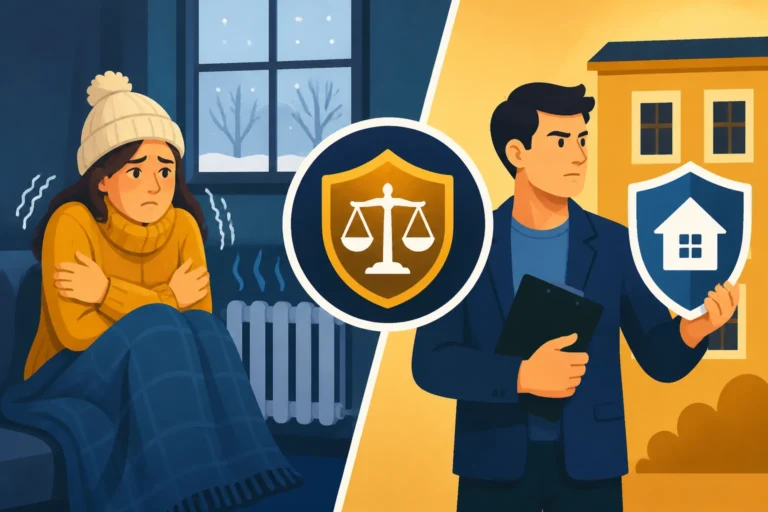
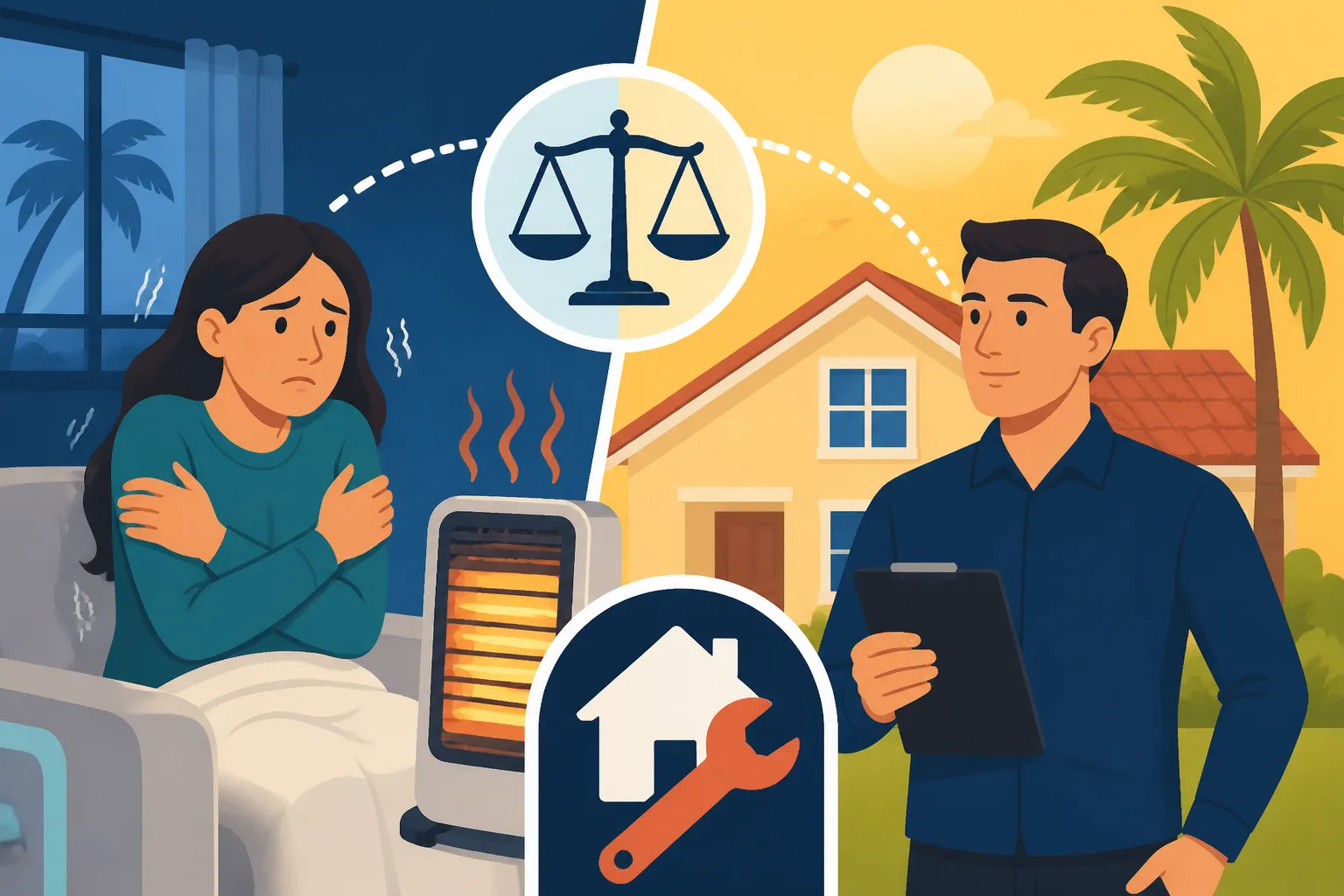
The chill creeping into your Florida home when the heater breaks can be incredibly frustrating, especially if you're left wondering how long you're supposed to shiver before your landlord takes action. It’s not just about comfort; it's about your well-being, and it often feels like you're caught in a confusing maze of rules and landlord delays. This comprehensive guide is here to untangle the complexities of Florida landlord-tenant law regarding heating repairs, helping you understand your rights, responsibilities, and the realistic timelines for getting that warmth back into your living space.
Florida's Stance on Heat: More Nuance Than You Think
While you might assume that working heat is a basic requirement everywhere, Florida's unique climate often means the legal landscape around heating repairs can be a bit different than what you'd find in, say, Minnesota or Vermont. Understanding these nuances is crucial to advocating for yourself.
The Implied Warranty of Habitability in Florida
In Florida, landlords are generally obligated to maintain the premises under the Implied Warranty of Habitability Explained, as outlined in Florida Statute § 83.51. This law primarily focuses on maintaining a safe and habitable living environment. It mandates compliance with applicable building, housing, and health codes, and in the absence of such codes, requires landlords to keep the structural components and plumbing in good repair.
Now, here's the kicker: unlike in many colder states where heat is unequivocally considered a vital necessity for habitability, Florida law doesn't explicitly list a functioning heating system as a standalone fundamental requirement for every rental unit. Given Florida's generally warm climate, AC is often prioritized as a habitability issue, while heating systems might be viewed more as an amenity. However, this doesn't mean your landlord can ignore a broken heater entirely. If a heating system is provided as part of your rental unit, even if it's rarely used, your landlord still has a responsibility to keep it in reasonable working condition. It becomes part of the overall "maintenance of the premises" and the Landlord Repair Responsibilities What They Must Fix that are implied or explicitly stated in your lease.
When a Heating System Becomes a Landlord's Responsibility
If your rental unit came with a heating system, whether it’s a central HVAC unit or a wall heater, it falls under the landlord's general duty to maintain the property. The expectation is that if an amenity is provided, it should work. This is especially true if your lease agreement specifically mentions the provision of heating.
Imagine it's an unusually cold January night in Orlando, and your heater conks out. While Florida might not experience week-long blizzards, temperatures can dip significantly, especially overnight. In such circumstances, a non-functional heating system could indeed render your living space uncomfortable, and arguably, even unhealthy for vulnerable populations like the elderly or young children. If your lease states the unit includes heating, your landlord is bound by that agreement to ensure it functions.
The "Reasonable Time" for Repairs in Florida
So, your heater is on the fritz. You've reported it. Now what? How long do you actually have to wait? Florida law, like many states, uses the term "reasonable time," but it also provides a general guideline for serious issues.
The 7-Day Rule and Its Application
Florida Statute § 83.56(1) is your go-to here. It states that if a landlord fails to comply with their maintenance obligations (a "material noncompliance"), the tenant must deliver a written notice to the landlord specifying the noncompliance and indicating that the lease will terminate if the issue is not fixed within 7 days. This "7-day notice" is a foundational element of tenant rights in Florida.
For a broken heater, especially during colder periods, this 7-day period often applies. If the lack of heat, combined with external temperatures, makes the unit substantially uninhabitable or is a material breach of your lease agreement, the 7-day clock starts ticking the moment your landlord receives proper written notice. You can dive deeper into specific state requirements by looking into How Long Does a Landlord Have to Make Repairs By State.
Defining "Reasonable": What That Means in Practice
While 7 days is the statutory guideline, "reasonable time" can still feel subjective. What if it's an emergency? What if the repair is complex?
- Severity of the Issue and Outside Temperatures: If it's 30 degrees Fahrenheit outside in Tallahassee, a broken heater is far more urgent than if it's 65 degrees. While Florida doesn't usually hit extreme lows, prolonged periods of unseasonable cold would certainly shorten what's considered "reasonable." The presence of vulnerable occupants (infants, elderly, or individuals with health conditions) can also factor into the urgency.
- Availability of Parts and Technicians: Sometimes, a repair takes longer than 7 days simply because a specialized part needs to be ordered, or a qualified technician isn't immediately available. While this can extend the actual repair time, it doesn't necessarily extend the landlord's obligation to act promptly. A landlord should be able to demonstrate they are making a good-faith effort to resolve the issue, such as providing temporary heating solutions or regular updates.
- Examples:
- Scenario A: It's a mild November in Jacksonville, and your heater isn't working, but temps are still in the 50s-60s at night. Your landlord might take the full 7 days, or even a few more if they're actively working on a complex repair, and it could still be deemed reasonable. You'd want to check out resources like No Heat / No Hot Water / No AC Your Rights to understand your specific protections in such situations.
- Scenario B: A rare cold snap hits Miami in January, with overnight lows plummeting into the 30s. Your heater has been out for three days. In this case, waiting the full 7 days might not be considered reasonable, and you'd expect a much faster response, perhaps even within 24-48 hours, especially if the landlord has a duty to maintain safe living conditions.
It’s about showing proactive steps. If your landlord is actively trying to fix the problem, ordering parts, and communicating with you, courts tend to be more lenient on slightly longer timelines than if they completely ignore your written notice for the entire 7 days.
Your First Steps: Proper Communication and Documentation
One of the biggest mistakes tenants make when facing repair issues is relying solely on verbal communication. In Florida, if you want to protect your rights, putting everything in writing is paramount.
Sending a Formal Written Notice
This is non-negotiable. To legally initiate the 7-day clock for your landlord to fix the heat (or any material repair), you must send a formal written notice. This isn't just a casual text or email, though those can also be useful to supplement. Best practice is to send it via certified mail with a return receipt requested, so you have undeniable proof that your landlord received it and when. You can also send it via email, but ensure you receive a read receipt or a confirmation reply.
Your notice should include:
- The date of the notice.
- Your name and address of the rental property.
- A clear statement that you are notifying the landlord of a material noncompliance with the rental agreement and/or Florida Statute § 83.51 (landlord's obligations).
- A detailed description of the problem (e.g., "The heating system in the living room is not producing any warm air, and the thermostat reads 55 degrees despite being set to 70 degrees.").
- A reference to Florida Statute § 83.56(1) and a statement that if the issue is not remedied within 7 days of their receipt of the notice, you intend to terminate the rental agreement.
- Your signature.
This type of specific notice helps establish a clear timeline and legal standing. You can find more information on How to Request Repairs in Writing.
Documenting the Problem and Communication
Beyond the formal notice, meticulous documentation is your best friend. Start a paper trail immediately.
- Photos and Videos: Take pictures and videos of the broken heater, the thermostat reading, and potentially even a thermometer showing the indoor temperature. Date and time-stamp these if possible. This visual evidence can be incredibly powerful.
- Temperature Readings: Keep a log of the indoor temperature, noting the date and time, especially during colder periods.
- Communication Log: Record every interaction with your landlord or property manager regarding the repair. Note the date, time, who you spoke with, what was discussed, and any promises made. Keep copies of all emails, text messages, and mail. If you use a landlord portal, take screenshots of your repair requests.
- Move-In Condition: If you documented the condition of the property when you moved in (which you absolutely should have done using a Move-In / Move-Out Inspection Guide), this can help show that the heater wasn't broken when you took possession. It's why a comprehensive How to Document Your Apartment at Move-In process is so important.
This comprehensive record will serve as powerful evidence should you need to take further action. Many modern property management platforms or services like TurboTenant allow landlords to streamline communication, and this can often create a clear digital record for both parties.
Tenant Remedies When Your Landlord Falls Short
What happens if you've done everything right—sent the notice, documented everything—and your landlord still doesn't fix the heat within the reasonable timeframe? This is where your options, though limited in Florida compared to some states, become crucial.
The Limited Scope of Rent Withholding and Repair-and-Deduct in Florida
Here's a critical point to understand for Florida tenants: Florida law generally does not allow tenants to withhold rent or use the "repair and deduct" method for landlord repair failures without significant risk. Unlike some states that explicitly permit these remedies, Florida's statutes are much more restrictive.
- Withholding Rent: If you unilaterally decide to stop paying rent because your heater is broken, you could face eviction for nonpayment of rent. Florida Statute § 83.60 allows rent withholding only as a defense in an eviction action, meaning you'd have to wait for your landlord to sue you for eviction, then argue that their failure to maintain the premises justifies your nonpayment. This is a highly risky strategy and not a proactive solution. It's crucial to understand the specifics of Withholding Rent for Repairs before considering it.
- Repair-and-Deduct: Similarly, Florida law does not provide for a "repair and deduct" remedy where you hire a technician, pay for the repair yourself, and then subtract the cost from your next rent payment. Doing so could also be seen as a breach of your lease and lead to an eviction notice. For more details, you can look into Repair and Deduct by State.
These limitations can be frustrating for tenants who feel powerless when their landlord neglects essential repairs. It's a key distinction that makes seeking legal advice even more important in Florida.
Terminating the Lease Agreement
If your landlord fails to remedy the "material noncompliance" (the broken heater, if it qualifies as such given the circumstances and your lease) within the 7-day written notice period, Florida Statute § 83.56(1) states that the tenant may terminate the rental agreement.
This means you could legally move out and be released from your lease obligations. However, this is a serious step and should not be taken lightly. You must ensure you've followed all the notice requirements precisely. If you haven't, your landlord could argue you illegally broke the lease and pursue you for damages, like unpaid rent. Understanding the nuances of Breaking a Lease for Uninhabitable Conditions is vital here.
Before you pack your bags, consult with a qualified attorney specializing in landlord-tenant law to confirm your position and understand the potential implications, including What Happens If You Break a Lease?.
Seeking Legal Counsel and Reporting Violations
If your landlord isn't responding or you're unsure about your rights, professional help is invaluable.
- Tenant Rights Attorneys: An attorney can review your lease, your documentation, and advise you on the best course of action. They can help you draft notices correctly, negotiate with your landlord, or represent you if legal action becomes necessary.
- Housing Authorities and Code Enforcement: For more severe or persistent issues, you might consider reporting your landlord to your local housing authority or code enforcement office. For instance, in cities like Tampa, Gainesville, or St. Petersburg, code enforcement can investigate complaints and cite landlords for violations of local building and health codes. This can sometimes put pressure on a landlord to make repairs. You can find guidance on How to Report a Landlord Code Violations & Retaliation.
It's important to remember that these actions can escalate the situation, so always be prepared and informed.
Being Proactive: Protecting Yourself Before Issues Arise
The best defense is a good offense, as they say. Being prepared and understanding your lease can prevent a lot of headaches down the line.
Thorough Lease Review
Before you even sign on the dotted line, carefully read your lease agreement. Don't skim it! Pay close attention to clauses related to:
- Maintenance and Repairs: What does it say about the landlord's responsibilities? Does it explicitly mention heating?
- Amenities: Are utilities and appliances, including the heating system, listed as provided amenities?
- Notice Requirements: Does the lease specify how you need to submit repair requests?
If anything seems unclear, ask for clarification in writing before signing. Some landlords use platforms like TurboTenant to generate their leases, which often include clear terms, but it's always your responsibility to read and understand what you're agreeing to. Knowing the details about Lease Violations & What Counts can save you a lot of trouble.
Renter's Insurance for Peace of Mind
While renter's insurance won't force your landlord to fix the heat, it can be a lifesaver if a broken heating system leads to other problems. For example, if a frozen pipe bursts (unlikely in most of Florida, but possible during extreme cold snaps), or if an alternative heating source (like a space heater) causes an electrical fire, your renter's insurance policy could cover your damaged personal belongings and potentially provide for temporary living expenses. Companies like Lemonade offer affordable renter's insurance policies that can give you much-needed peace of mind, protecting your possessions even if your landlord is ultimately responsible for structural repairs.
The Move-In Inspection Checklist
Always, always complete a thorough move-in inspection checklist. This is where you document the condition of the rental unit, including all appliances and systems, before you officially move in. Note if the heater is working, if vents are clean, or if there are any existing issues. Take photos and videos. This documentation can protect your security deposit later and serve as proof of the unit's condition at the start of your tenancy. Without this, it's your word against your landlord's if they claim the heater was fine when you moved in.
Repair Timelines and Tenant Actions in Florida
To give you a clear overview, here’s a summary of the typical steps and approximate timelines related to heating repairs in Florida.
| Step | Tenant Action | Landlord Response Expectation | Statutory Timeline (Florida) | Potential Outcome If Not Met |
|---|---|---|---|---|
| 1. Identify Problem | Notice broken heater. | N/A | Immediate | None, until landlord notified |
| 2. Initial Contact | Inform landlord immediately (verbally, text, email). | Acknowledge receipt, assess issue, dispatch technician. | ASAP (within 24-48 hrs for emergencies) | Delays landlord's legal repair clock |
| 3. Formal Written Notice | Send certified mail, return receipt, detailing noncompliance and intent to terminate. | Landlord must address the material noncompliance. | 7 days from receipt | Tenant may terminate lease agreement |
| 4. Landlord Fails to Remedy | Document lack of repair, seek legal advice. | N/A | After 7 days | Tenant can legally terminate lease; may pursue legal action for damages |
| 5. Vacating Premises (if opted) | Properly vacate, return keys, provide forwarding address. | Return security deposit (or itemized deductions) within 15/30 days. | Varies per lease, usually 7 days after termination effective date | Potential security deposit dispute |
This table simplifies the process, but remember that each situation has its unique complexities.
Disclaimer
This article is for general informational purposes only and does not constitute professional advice. Laws and regulations vary by location and change over time. Consult a qualified professional for guidance on your specific situation.