Tenant Rights With No Heat in Massachusetts
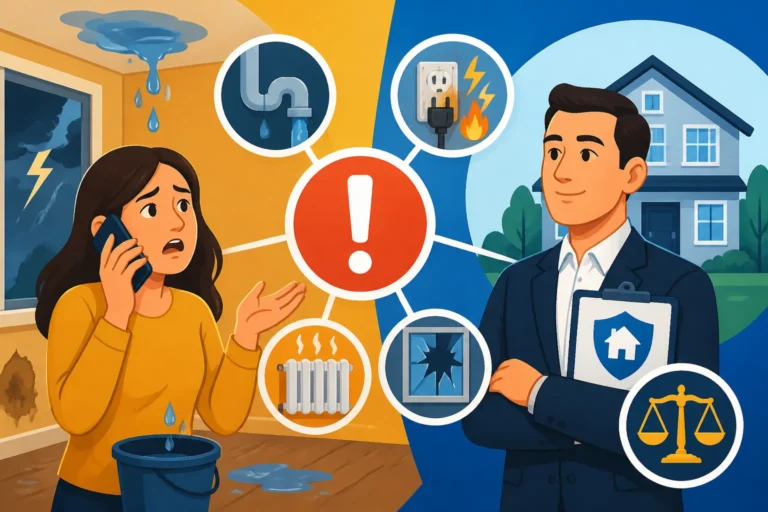
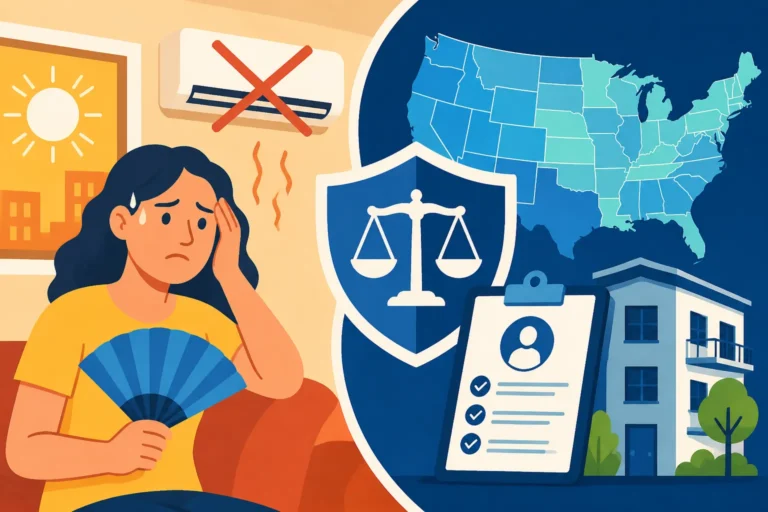
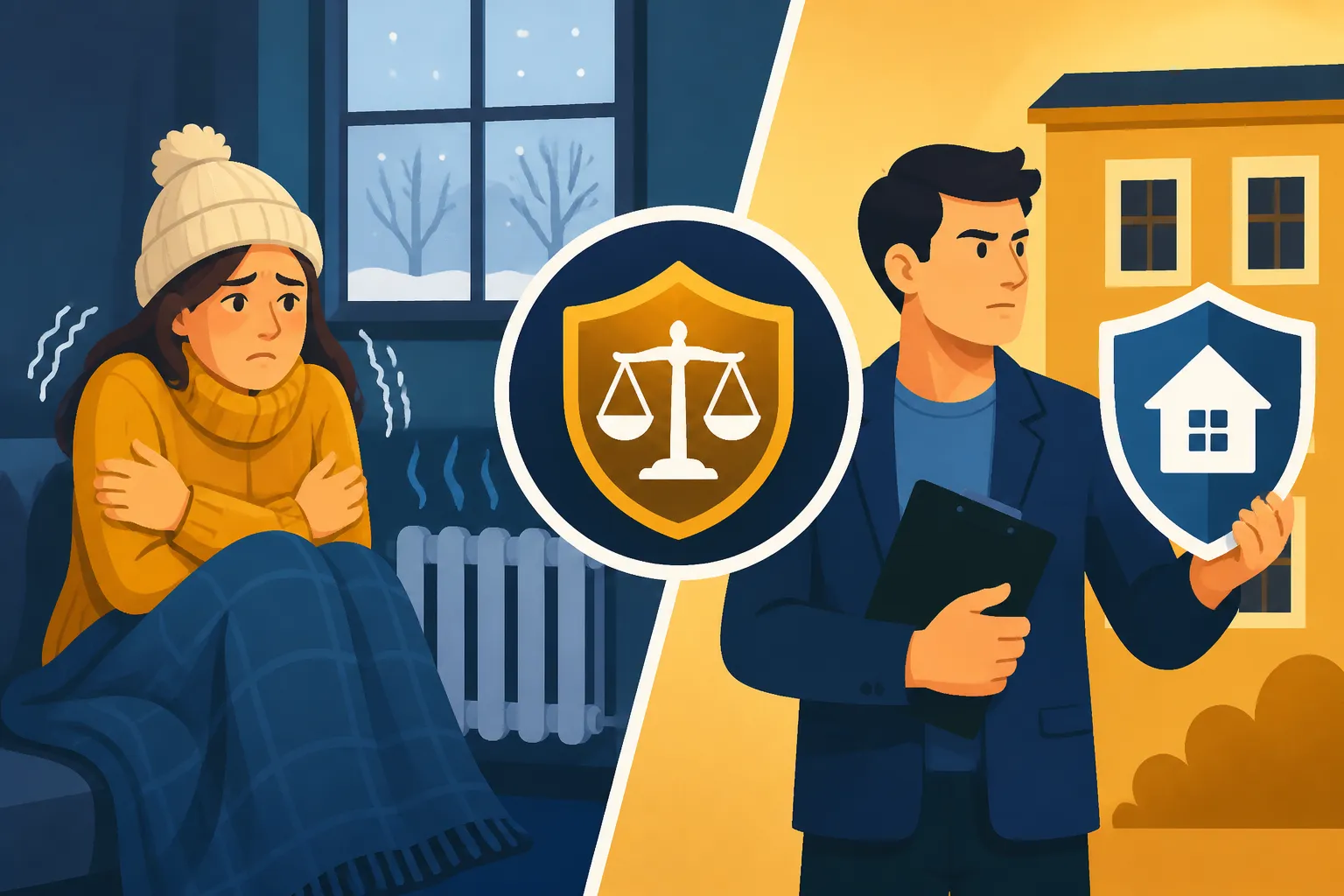
Waking up in a freezing apartment when the winter winds are howling outside is more than just uncomfortable; it’s a deeply frustrating and potentially dangerous situation, especially here in Massachusetts. When your heat goes out, it feels like your home has failed you, and often, it leaves you wondering what your rights are as a tenant and what steps you can actually take. This comprehensive guide is here to walk you through exactly what Massachusetts law says about your landlord's responsibility to provide heat and the actionable steps you can take to get your warmth back.
Understanding Your Landlord's Responsibility for Heat in Massachusetts
The chilly reality of New England winters means that reliable heating isn't just a luxury, it's a fundamental necessity. Fortunately, Massachusetts law provides specific protections for tenants when it comes to keeping your living space warm. It's not just a suggestion; it's a legal obligation for most landlords.
The Implied Warranty of Habitability and Heat
At the core of tenant protections in Massachusetts is something called the "Implied Warranty of Habitability." This isn't usually something explicitly written into your lease, but it's an unspoken promise that your landlord makes: that your rental unit will be safe, clean, and fit for human occupation. And let's be real, in Massachusetts, "fit for human occupation" absolutely includes adequate heat during the colder months.
This warranty means your landlord must maintain the property in a condition that meets essential health and safety standards. When it comes to heating, this means ensuring the heating system is in good working order and capable of providing the required temperatures. It's not your job to fix a broken furnace; it's theirs. If the heating system breaks down due to normal wear and tear or neglect, that's on the landlord to rectify. This fundamental principle underpins many tenant protections, including your right to a warm home. You can learn more about your general Landlord Repair Responsibilities What They Must Fix to get a broader understanding of what landlords are legally obligated to maintain.
Specific Heat Requirements in Massachusetts Law
Massachusetts doesn't just vaguely require "adequate" heat; it has specific regulations that landlords must follow, particularly concerning the heating season and minimum temperatures. These aren't just guidelines; they are enshrined in Massachusetts General Laws Chapter 186, Section 14, and the State Sanitary Code.
Here's the breakdown that every Massachusetts tenant needs to know:
- Heating Season: The law dictates a specific "heating season" in Massachusetts. This period runs annually from September 16th to June 14th. During this timeframe, your landlord is legally required to provide heat. If you're experiencing no heat outside of these dates, it might still be a habitability issue if the outdoor temperatures warrant it, but the strict legal obligation of this specific code applies within these dates.
- Minimum Temperatures: During the heating season, your apartment must maintain certain minimum temperatures:
- Daytime (7:00 AM to 11:00 PM): The temperature inside your unit must be maintained at a minimum of 68 degrees Fahrenheit.
- Nighttime (11:00 PM to 7:00 AM): The temperature inside your unit must be maintained at a minimum of 64 degrees Fahrenheit.
This means if you wake up at 6 AM and your thermostat reads 55 degrees, your landlord is likely in violation. It’s important to note these are minimums. Most people prefer their homes warmer, but legally, this is the floor. It's not enough for the heat to just work sometimes; it needs to consistently meet these thresholds. These specific rules are designed to prevent tenants from enduring dangerously cold conditions, which can lead to health issues and property damage.
| Time Period | Minimum Temperature (Fahrenheit) |
|---|---|
| 7:00 AM to 11:00 PM | 68°F |
| 11:00 PM to 7:00 AM | 64°F |
| Heating Season | September 16 – June 14 |
What to Do When Your Heat Goes Out: Step-by-Step Action Plan
Discovering your heat is out can be stressful, especially when it’s truly cold outside. Don't panic! There's a clear, step-by-step process you should follow to protect your rights and get the problem resolved as quickly as possible. Every action you take should aim to create a clear record of the issue and your attempts to resolve it.
Document the Problem Immediately and Thoroughly
The moment you realize you have no heat, start documenting everything. This isn't being overly cautious; it's building a bulletproof case if things escalate. Imagine trying to explain in court that you were freezing for days without any proof—it's tough.
Here’s what you should document:
- Take Photos and Videos: Use your phone to take pictures of your thermostat displaying the low temperature. Capture video showing that the heating system isn't running or that the vents are blowing cold air. Also, consider showing a thermometer in your unit to clearly demonstrate the indoor temperature.
- Record Dates and Times: Note the exact date and time you first noticed the heat issue. Keep a running log of how long it persists.
- External Conditions: Note the outdoor temperature at the time, especially if it’s extremely cold. This helps emphasize the urgency and severity of the situation.
- Witnesses: If you have roommates, family members, or even guests, they can serve as witnesses to the lack of heat.
Think of this as gathering evidence. The more detailed and objective your documentation, the stronger your position will be if you need to escalate the matter.
Notify Your Landlord in Writing
This is perhaps the most critical step. Verbal communication is easy to deny or misremember. Always, always, always put your repair requests in writing.
Here’s how to do it effectively:
- Initial Notification: As soon as you discover the issue, send a clear, concise written notice to your landlord or property manager. An email is often best because it creates an automatic timestamp and a digital trail. If you don't have email, a text message can work, but a certified letter (return receipt requested) is the gold standard for official communication.
- What to Include:
- Your full name and address of the rental unit.
- The date and time the notice is sent.
- A clear statement that the heating system is not working and the indoor temperature. Refer to the Massachusetts minimum temperature requirements if applicable.
- A request for immediate repair.
- State the date and time you first noticed the issue (referencing your documentation).
- Suggest a reasonable timeframe for them to address the issue. For a no-heat emergency, especially in cold weather, this might be 24 hours.
- Keep Records: Save copies of all correspondence. If you email, keep it in a dedicated folder. If you send a letter, keep a copy for yourself and the certified mail receipt. Tools like TurboTenant often have built-in messaging features that can help keep track of these communications, providing a clear log of when you sent notices and when your landlord responded.
- Follow Up: If you don't hear back or see action within a reasonable timeframe (which, for no heat, should be very short), send a follow-up notice, again in writing, referencing your previous communication.
It's tempting to call and vent, but remember, the paper trail is your best friend. A good starting point for ensuring your landlord makes necessary fixes is understanding How to Request Repairs in Writing.
Follow-Up and Understanding Reasonable Timeframes for Repairs
After you've sent your written notice, your landlord has a responsibility to act promptly. What counts as "promptly" for a no-heat situation in Massachusetts? It’s generally considered an emergency.
- Emergency Repairs: In Massachusetts, issues that make a unit uninhabitable, such as a lack of heat during the heating season, are considered emergencies. Your landlord is typically expected to make repairs within a 24-hour window for true emergencies. If it's a critical safety or health issue, like no heat in freezing temperatures, this timeline is paramount.
- Ongoing Communication: If you haven't heard back or seen a repair person within this critical 24-hour period, follow up again. Reiterate the urgency and remind them of the legal temperature requirements. Document these follow-ups just as meticulously.
- Preparing for Next Steps: While you hope your landlord will respond quickly, it's wise to be prepared for inaction. If the "reasonable timeframe" for repairs passes and you're still without heat, it's time to consider escalating your efforts. This is where understanding How Long Does a Landlord Have to Make Repairs By State becomes incredibly helpful, giving you context for what to expect.
Legal Avenues and Tenant Protections When Your Landlord Fails to Act
If your landlord drags their feet or completely ignores your pleas for heat, it's natural to feel helpless and angry. But you're not without recourse in Massachusetts. There are specific legal channels and protections designed for situations like this. It's crucial, however, to proceed carefully and understand the specific rules.
Withholding Rent and the "Repair and Deduct" Option
This is where things get tricky and where many tenants can inadvertently put themselves at risk. While some states allow "repair and deduct" or direct rent withholding for essential services, Massachusetts has very specific and restrictive laws around these actions.
- Withholding Rent in Massachusetts: Generally, Massachusetts law does not permit tenants to simply withhold rent because repairs, like a lack of heat, haven't been made, unless it's done through a very specific, court-supervised process. If you unilaterally stop paying rent without following proper legal procedures, your landlord could initiate an eviction process for nonpayment of rent, which could severely impact your rental history and credit score. It's a high-risk move that often backfires. If you're considering this, please seek legal advice first. Understanding the nuances of Withholding Rent & Rent Escrow is vital.
- The "Repair and Deduct" Option: Similarly, the "repair and deduct" remedy (where you pay for repairs yourself and deduct the cost from your rent) is extremely limited and rarely recommended in Massachusetts. It typically only applies in situations where your landlord is in breach of the lease and you've followed very strict notification requirements, and even then, it's often more prudent to pursue other legal remedies. Massachusetts courts are generally not fond of self-help measures by tenants that circumvent the judicial process. This is why getting legal counsel is so important if you even consider this route. To avoid pitfalls, familiarize yourself with Repair and Deduct by State to see how stringent MA laws are compared to other places.
Given these limitations, your safest and most effective strategy in Massachusetts is almost always to involve official housing authorities or the courts rather than attempting to fix the issue or withhold rent on your own.
Contacting Local Housing Authorities and Legal Aid
When your landlord isn't responding, turning to official channels is your best bet. These entities are designed to enforce housing standards and protect tenant rights.
- Local Board of Health: The first official stop for most Massachusetts tenants dealing with habitability issues like no heat is your local Board of Health. These boards are responsible for enforcing the State Sanitary Code, which includes the heating requirements.
- How it Works: You can file a complaint with your local Board of Health. They will send an inspector to your unit to verify the lack of heat and document the temperature. If they find a violation, they will issue an order to your landlord to make the repairs by a specific deadline.
- Benefits: This process creates an official, unbiased record of the problem and puts legal pressure on your landlord. Failure to comply with a Board of Health order can result in fines and further legal action against the landlord.
- Housing Court: Massachusetts has a dedicated Housing Court system, which is incredibly valuable for tenants.
- Filing a Complaint: You can directly file a complaint in Housing Court asking a judge to order your landlord to make repairs, or for financial damages related to the lack of heat (e.g., increased utility bills if you used space heaters, or the cost of temporary relocation).
- Injunctive Relief: The Housing Court can issue an injunction, which is a court order compelling your landlord to fix the heat immediately.
- Legal Aid Organizations: If you're unsure about the legal process or can't afford an attorney, seek help from legal aid services. Organizations like Greater Boston Legal Services, Community Legal Aid, or other local non-profits often provide free or low-cost legal assistance to tenants. They can offer advice, help you draft letters, or even represent you in court. They're invaluable resources for navigating complex landlord-tenant laws.
Reporting a landlord for a code violation is a serious step, and you can find more detailed guidance on How to Report a Landlord Code Violations & Retaliation.
Pursuing Legal Action for Damages
If you've suffered financial losses because of the lack of heat, you might be able to sue your landlord for damages in small claims court or Housing Court.
- Damages You Can Claim:
- Cost of Alternative Heating: If you had to purchase space heaters or incurred higher electricity bills.
- Relocation Costs: If the situation was so severe you had to temporarily stay in a hotel or with family.
- Damage to Property: While less common for just heat loss, extreme cold can cause pipes to burst or damage sensitive electronics.
- Rent Abatement: A judge might order a reduction in your rent for the period you were without heat, reflecting the diminished value of the apartment.
- Double or Treble Damages: In some cases, if a landlord willfully or negligently violates the State Sanitary Code and causes a tenant injury or loss of use of their dwelling, the court may award double or even triple damages. This provides a strong incentive for landlords to comply.
- Gathering Evidence: Your meticulous documentation (photos, temperature logs, written communication, receipts for expenses) will be crucial here. The more evidence you have, the stronger your case for damages.
- Consult an Attorney: Before pursuing legal action, it’s always a good idea to consult with a landlord-tenant attorney or a legal aid organization. They can assess the strength of your case and guide you through the complexities of court proceedings. They can also explain the potential for Double vs Treble Damages for Wrongful Withholding if the landlord's actions were particularly egregious.
Important Considerations and Preventing Future Issues
Dealing with a no-heat emergency is tough, but there are also steps you can take to prevent issues or strengthen your position for any future problems. Being proactive and informed is key.
Understanding Your Lease Agreement
Your lease is the binding contract between you and your landlord, and it's your first point of reference for many questions, including maintenance responsibilities.
- Read the Fine Print: Always read your lease thoroughly before signing. Pay close attention to clauses related to utilities, maintenance, and emergency repairs. While state law always supersedes a lease, a clear lease can sometimes outline the process for reporting issues and the landlord's expected response time.
- Utility Responsibilities: Confirm whether heat is included in your rent or if you are responsible for paying the heating bill. Even if you pay the bill, your landlord is still responsible for providing a functioning heating system capable of maintaining the legal minimum temperatures. A malfunctioning furnace isn't your responsibility to replace, even if you pay for the gas or electricity to run it.
- Contact Information: Ensure your lease clearly states the landlord's preferred method of contact for emergencies and general maintenance requests. This is crucial for sending those important written notices.
Knowing what's in your lease can help you articulate your rights clearly and identify any discrepancies with state law. Sometimes, landlords include clauses that are not legally enforceable; understanding your rights helps you spot these.
The Role of Renters Insurance
While renters insurance won't directly get your heat fixed, it's an incredibly important safety net that many tenants overlook. Think of it as protecting your personal investment in your home.
- Protecting Your Belongings: In a severe no-heat situation, especially in older buildings or during extreme cold snaps, there's a risk of pipes freezing and bursting. This can cause significant water damage to your personal belongings – furniture, electronics, clothing, books. Renters insurance, from providers like Lemonade or Steadily, typically covers your personal property against such perils. Without it, you could be left to replace everything out of pocket.
- Temporary Living Expenses: Some renters insurance policies also include coverage for "additional living expenses." If your apartment becomes uninhabitable due to a covered event (like extensive water damage from a burst pipe due to lack of heat), this coverage can help pay for temporary housing (like a hotel) and increased food costs while your unit is being repaired.
- Liability Coverage: Renters insurance also provides liability coverage. If, for instance, a guest slips and falls in your apartment, or if something originating in your unit causes damage to a neighbor's property, your policy can help cover the legal and medical costs.
It’s a relatively inexpensive way to get peace of mind and protect yourself from unforeseen disasters that can arise from a lack of proper maintenance.
Documenting Everything: A Final Word
I can't stress this enough: document, document, document! Every interaction, every date, every temperature reading, every expense. This isn't just about protecting yourself legally; it's about having a clear, irrefutable timeline of events if you need to escalate the situation.
- Communication Log: Maintain a running log of every communication with your landlord or property management company, including the date, time, method (email, text, phone call), who you spoke with, and a summary of the conversation. If you use a platform like TurboTenant for rent payment or communication, ensure you utilize its messaging features to keep records.
- Photos and Videos: Keep all photographic and video evidence in a safe, easily accessible place, like cloud storage.
- Receipts: Keep receipts for any expenses incurred due to the lack of heat, whether it's for space heaters, electric blankets, or temporary lodging.
- Board of Health Records: If you involve the Board of Health, keep copies of their inspection reports and any orders issued to your landlord.
A well-documented case is often the difference between a quick resolution and a prolonged battle. It gives you leverage and provides concrete proof should you need to pursue legal action in Massachusetts Housing Court. This attention to detail is also critical when dealing with more common issues, such as trying to prevent Security Deposit Deductions Full List of Allowed Charges at the end of your tenancy.
Disclaimer
Please remember, I’m a lifestyle blogger and not a legal professional. The information provided in this guide is intended for general informational purposes only and not as legal advice. Landlord-tenant laws can be complex and vary by specific circumstances and local ordinances. While I strive to provide accurate and up-to-date information, it is not a substitute for consulting with a qualified attorney or housing expert in Massachusetts. Always seek professional legal counsel for advice tailored to your specific situation.