No Hot Water for a Week: What Can I Do?
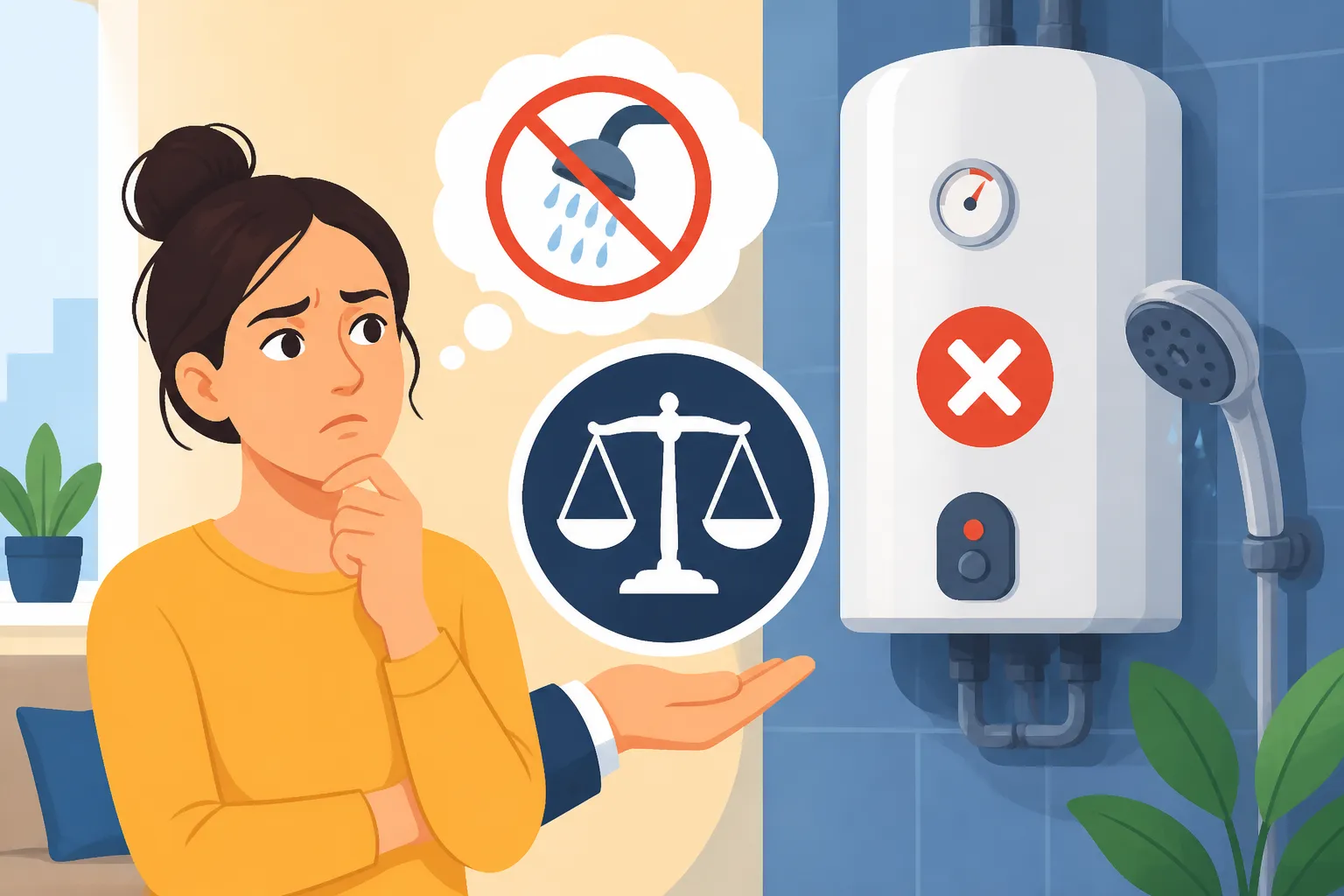
Picture this: You wake up, groggy, stumble to the shower, turn the knob, and… nothing. Ice-cold water blasts you awake, and suddenly your day is off to a terrible start. One day is annoying, but a week without hot water? That's not just an inconvenience; it's a serious breach of your comfort and, more importantly, your tenant rights. This guide is here to walk you through exactly what you can do when your landlord leaves you in the cold for far too long, outlining your rights, the steps to take, and potential remedies.
Is No Hot Water Considered an Emergency Repair?
When you’re facing a week-long cold shower ordeal, it’s natural to wonder if this counts as a dire situation. The answer, in almost all cases, is a resounding yes. Lack of hot water falls under the umbrella of uninhabitable conditions, which landlords are legally obligated to prevent.
Understanding the Implied Warranty of Habitability
Every rental agreement, whether written or verbal, carries an "implied warranty of habitability." This isn't something explicitly stated in your lease but is a fundamental principle of landlord-tenant law across the United States. It means your landlord must provide a property that is safe, sanitary, and fit for human occupation. This includes maintaining essential services like heat, electricity, running water, and yes, hot water.
Think about it: the ability to bathe hygienically, wash dishes effectively, and maintain a basic standard of cleanliness in your home is absolutely critical for your health and well-being. A lack of hot water compromises these fundamental aspects of daily living. It's not just about comfort; it's about health and sanitation. If your landlord fails to provide this basic utility, they are, in essence, failing to uphold their end of the implicit bargain. This isn't merely a small repair; it strikes at the core of what makes a dwelling livable.
State-Specific Emergency Repair Timelines
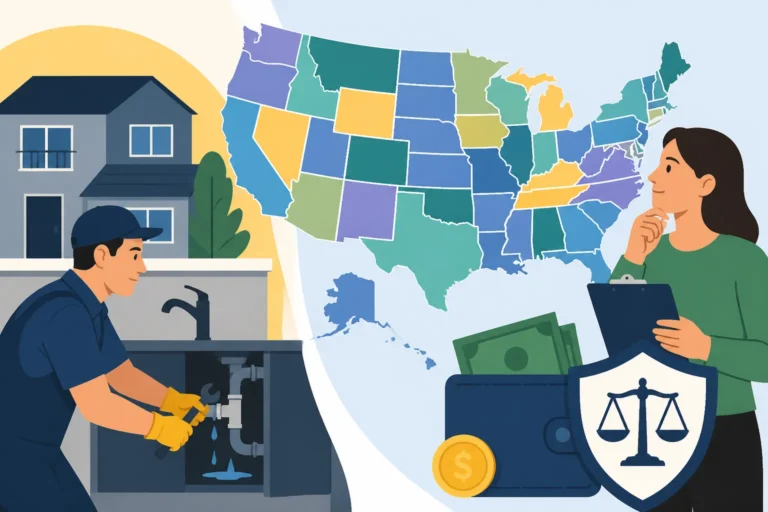
While the implied warranty of habitability is widely recognized, the specific timelines and procedures for emergency repairs can vary significantly from state to state, and even by city. What one state considers a "reasonable time" for a critical repair might be different elsewhere. However, for something as essential as hot water, most jurisdictions categorize it as an emergency or a critical health and safety issue, requiring prompt attention.
For instance, in California, landlords typically have 24-72 hours to address emergency repairs, though some local ordinances might be stricter. If your hot water is out, you'd expect a resolution well within that timeframe. In New York, the timeframe is often considered to be "immediate" for essential services, typically within 24 hours. Texas law also generally requires repairs that affect health or safety to be made "with reasonable diligence," which for hot water often means within a few days. Ignoring the issue for a week would almost certainly be considered a violation in most places. These swift timelines exist precisely because a lack of hot water poses a genuine health and safety risk, not just a minor inconvenience. It’s critical to understand your local statutes, as they will dictate your specific rights and the steps you can legally take.
Steps to Take When You Have No Hot Water
Facing a week without hot water can be incredibly frustrating, but taking the right steps can protect your rights and help expedite a resolution. It’s all about clear communication, documentation, and understanding your options.
Documenting the Issue Thoroughly
From the moment you realize you're without hot water, start documenting everything. This isn't about being overly dramatic; it's about creating an undeniable paper trail that proves when the issue started, your efforts to report it, and your landlord's response (or lack thereof).
- Date and Time: Note down the exact date and time you first noticed the problem.
- Photos and Videos: While a lack of hot water isn't visually exciting, you can document the effort to get hot water. Film yourself turning on the tap and showing only cold water coming out. You might also want to photograph the water heater if it's accessible and looks visibly damaged or leaking, or any error codes displayed.
- Communication Records: Keep copies of every email, text message, and letter you send to your landlord. If you call, make sure to follow up with a written message summarizing the conversation (e.g., "Following up on our call at 10:30 AM today, July 15th, regarding the lack of hot water…"). Platforms like TurboTenant often provide tools that can help landlords and tenants maintain clear, timestamped records of their communications, which can be incredibly useful in situations like this. This robust documentation is your strongest tool if you need to escalate the matter later on.
Notifying Your Landlord Formally
Reporting the issue informally might seem easier, but a formal, written notice is crucial, especially when an essential service like hot water is involved. This formal notification serves as undeniable proof that your landlord was made aware of the problem.
- Written Notice: Send an email, text message, or a certified letter (with a return receipt requested) detailing the problem. Include the date it started, a clear description of the issue (e.g., "no hot water from any tap in the apartment since July 15th"), and request prompt repair.
- Specify a Deadline: While you can't force a landlord to act by a certain time, you can remind them of their legal obligations. You might state, "As hot water is an essential service, I expect this to be remedied within [e.g., 24-48 hours] as per [your state's or city's] habitability laws."
- Keep Copies: Always keep a copy of the notice for your records. This creates a clear timeline and shows you’ve followed proper procedure. Without formal notice, it's harder to prove your landlord was aware and negligent. Remember that many states require landlords to receive written notice before a tenant can take further action.
Understanding Your Options If Repairs Aren't Made
When your landlord fails to act after formal notification, and you're still without hot water for an unreasonable amount of time (like a week), you start to have more serious recourse options. However, these steps come with significant risks and should not be taken lightly.
- Withholding Rent (Proceed with Extreme Caution): Some states allow tenants to withhold rent if a landlord fails to make essential repairs after proper notice. However, this is highly risky and often requires placing the rent into an escrow account. If you incorrectly withhold rent, you could face eviction for non-payment. For example, in states like Massachusetts, withholding rent for essential services like hot water is permissible if certain strict conditions are met, often requiring court approval or depositing rent with the court. Always consult with a tenant rights attorney or local housing authority before considering this option. You can learn more about the specifics of Withholding Rent and Rent Escrow.
- Repair and Deduct (State-Specific): This option allows you to pay for the repair yourself and then deduct the cost from your next rent payment. Again, this is only legal in some states and usually comes with strict limits on how much you can deduct (often up to one month's rent) and requires specific prior written notice to the landlord. California has provisions for "repair and deduct" after a reasonable notice period, usually 30 days for non-emergencies, but much shorter for essential services. Check your state's laws on Repair and Deduct by State before attempting this.
- Constructive Eviction: If your apartment becomes truly uninhabitable due to the lack of hot water, and your landlord has done nothing to fix it, you might be able to claim "constructive eviction." This means you move out, and the law treats it as if your landlord illegally evicted you, relieving you of future rent obligations. This is an extreme measure and legally very difficult to prove. It almost always requires strong legal counsel, as courts generally require a high standard to determine that a property is truly uninhabitable to this degree. It’s not something to jump into without exhausting all other options and getting expert advice.
Legal Protections and Potential Recourse
Dealing with a landlord who ignores a lack of hot water is more than just inconvenient; it’s often a violation of your rights. Understanding the legal protections available and how to pursue recourse can empower you to get the situation resolved.
Tenant Rights for No Hot Water by State
Your exact rights and the specific legal avenues open to you will largely depend on where you live. While the general principle of habitability holds true nationwide, the nuances of landlord-tenant law are highly localized.
In some states, like New Jersey, landlords are legally required to provide hot and cold running water at all times. If they fail to do so, tenants have clear rights, including potentially breaking the lease without penalty or taking legal action for damages. In Washington state, the Residential Landlord-Tenant Act specifies that landlords must maintain all structural components and essential facilities, including hot water. A week without hot water would certainly fall under a violation, potentially allowing tenants to pursue remedies through small claims court or apply the "repair and deduct" rule under specific conditions. Knowing your specific Tenant Rights if Landlord Won't Return Deposit or address other issues is crucial, as the processes and remedies can be quite different.
Some states also offer specific damages for wrongful withholding of essential services. For instance, a tenant might be able to sue for the difference in value between the apartment with hot water and without it, plus potential punitive damages in some egregious cases. It's not about making a quick buck, but ensuring you're compensated for the distress and financial impact of living without a basic necessity. Furthermore, if the lack of hot water forces you to seek temporary accommodation, or if the underlying issue causes other damage to your belongings, checking your renter's insurance policy, perhaps from a provider like Lemonade, might reveal coverage for temporary living expenses or personal property loss. This highlights the hidden costs of a landlord's inaction.
Escalating the Issue: Code Enforcement and Legal Aid
If your landlord remains unresponsive after formal notification, or if you're worried about taking legal action independently, there are other avenues to pursue. These can often be very effective in pressuring a negligent landlord to act.
- Local Housing Authority/Code Enforcement: Most cities and counties have a housing authority or building code enforcement department. These agencies are responsible for ensuring rental properties meet minimum health and safety standards. Filing a complaint with them can trigger an inspection. If violations are found, the city can issue citations and impose fines on your landlord, forcing them to make the repairs. This can be a powerful tool, as local governments often have the authority to compel compliance where individual tenants might struggle.
- Tenant Unions and Legal Aid: Many communities have tenant unions or non-profit legal aid organizations that offer free or low-cost advice and representation to renters. These groups are intimately familiar with local landlord-tenant laws and can provide invaluable guidance on your specific situation. They can help you draft letters, understand your rights, and even represent you in court if necessary. For example, a tenant union in San Francisco might have specific strategies for dealing with unresponsive landlords in a rent-controlled environment that differ from advice you'd get in a state with less tenant protection.
- Small Claims Court: If all else fails, and you've suffered financial damages (e.g., costs for alternative housing, laundromats, or even medical issues due to poor hygiene), you can consider filing a case in small claims court. You might be able to recover these costs, and in some states, even punitive damages for your landlord's negligence. Before pursuing this, ensure you have all your documentation in order, including your written notices, communication records, and receipts for any expenses incurred. Landlords have a significant responsibility to maintain safe and habitable housing. Providers like Steadily offer landlord insurance, but fundamental property maintenance, like ensuring hot water, is the first and most critical defense against tenant disputes and potential liabilities.
Here’s a quick overview of general repair timelines for critical issues in various states, though always verify with local laws:
| State | Emergency Repair Timeframe (General) | Notes |
|---|---|---|
| California | 24-72 hours | "Diligent effort" for serious issues impacting health/safety. Hot water typically falls under this. |
| New York | "Immediately" or 24-48 hours | For essential services. New York City has specific stricter rules under the Housing Maintenance Code. |
| Texas | "Reasonable diligence" (e.g., 3-7 days) | For repairs affecting physical health or safety. Requires written notice and opportunity for the landlord to act. |
| Florida | 7 days | For material noncompliance with the lease or law that affects health/safety, after written notice. For hot water, a quicker "reasonable" time may be expected. |
| Massachusetts | Varies, often 3-5 days | For conditions endangering health, safety, or well-being. Tenant may be able to withhold rent into escrow after strict notice. |
Remember, while this table gives general insights, landlord-tenant laws are complex and can have local variations. Always consult your specific state and local statutes or a legal professional.
Disclaimer
This article is for general informational purposes only and does not constitute professional advice. Laws and regulations vary by location and change over time. Consult a qualified professional for guidance on your specific situation.