Is My Landlord Responsible for Mold?
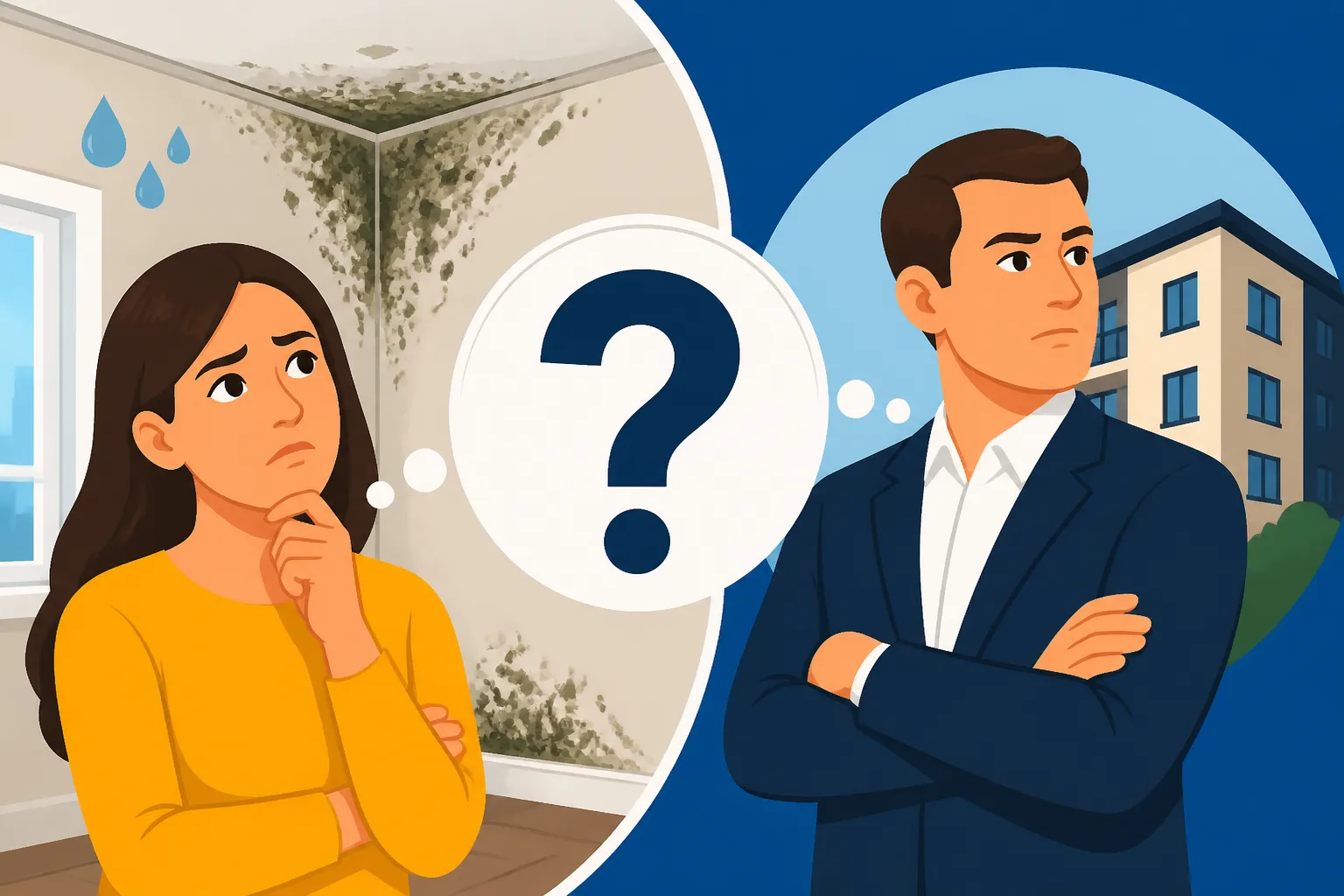
Finding mold in your rental property can be an absolute nightmare. It’s not just an unsightly nuisance; it can trigger allergies, respiratory issues, and even lead to more serious health problems, making your home feel anything but safe and comfortable. The frustration of dealing with a landlord who might drag their feet or try to shift blame can add an immense amount of stress to an already difficult situation. This comprehensive guide is here to walk you through exactly what constitutes mold, whose responsibility it typically is, and the concrete steps you can take to address the issue and protect your health and tenant rights.
Understanding Mold in Rental Properties
Let’s be honest, nobody wants to discover fuzzy green, black, or white patches creeping up their walls or tucked away in a damp corner. It’s gross, it smells musty, and it immediately raises alarm bells about your living environment. But before you panic, it’s important to understand what mold actually is and why it poses such a significant problem for renters.
What Exactly Is Mold and Why Is It a Problem?
Mold is a type of fungus that thrives in damp, humid environments, reproducing through tiny spores that float invisibly in the air. When these spores land on a wet surface with an organic food source (like drywall, wood, or fabric), they begin to grow, spreading rapidly. There are thousands of types of mold, and while not all of them are "toxic black mold" (Stachybotrys chartarum), many can still cause substantial issues. The common greenish-black mold you might find in a bathroom, for instance, is often Cladosporium or Aspergillus.
The real danger comes from these molds releasing microscopic particles and volatile organic compounds (VOCs) into the air. For sensitive individuals, this can lead to allergic reactions like sneezing, runny nose, red eyes, and skin rash. But it can also trigger asthma attacks, particularly in those with pre-existing respiratory conditions. Prolonged exposure, especially to certain types of mold, has been linked to more severe symptoms like chronic fatigue, headaches, and even neurological issues, although research in this area is ongoing. Beyond health concerns, mold can silently eat away at your rental property’s structure, causing irreversible damage to walls, ceilings, carpets, and personal belongings. It’s not something to just wipe away and forget; it often indicates a deeper, underlying moisture problem.
Common Causes of Mold Growth in Rentals
Mold doesn't just appear out of nowhere; it requires moisture. In a rental property, several factors can contribute to the damp conditions mold loves, often without the tenant even realizing it until it's too late. One of the most common culprits is water leaks. This could be anything from a slow drip under the kitchen sink, a leaky roof that allows water to seep into the attic and down interior walls, or a plumbing issue within the walls themselves. Often, these leaks are hidden and go unnoticed until a dark stain or a musty odor emerges.
High humidity is another major player. If your apartment has poor ventilation, especially in moisture-heavy areas like bathrooms and kitchens, or if you live in a climate with naturally high humidity, moisture can condense on cool surfaces, creating a perfect breeding ground for mold. Think about that condensation on your windows or the perpetually damp shower curtain. Furthermore, past water damage that wasn't properly dried and remediated, like a burst pipe or a flooded basement from years ago, can leave behind dormant mold spores just waiting for the next bit of moisture to reactivate. It’s also important to consider structural issues, such as cracks in the foundation or walls, which can allow groundwater to penetrate the building envelope, creating unseen moisture problems behind finished surfaces.
Landlord Responsibilities Regarding Mold
This is often where the rubber meets the road, and tenants get understandably frustrated. Who is actually on the hook for dealing with this slimy, smelly mess? Generally, landlord-tenant laws lean heavily towards landlords being responsible for ensuring a habitable living space, and that usually includes dealing with significant mold issues, especially when they stem from the property's structural integrity or maintenance failures.
The Implied Warranty of Habitability
The cornerstone of tenant rights regarding property condition is the "implied warranty of habitability." This legal principle means that landlords are legally obligated to provide and maintain a rental unit that is safe, healthy, and suitable for human habitation, regardless of what the lease agreement explicitly says. In simple terms, your landlord has to ensure the property is livable. A severe mold infestation, especially one that poses health risks or results from structural problems like a leaky roof or plumbing issues, can certainly render a property uninhabitable.
If mold has infiltrated your home due to something like a constantly leaking pipe behind a wall, a roof that needs repair, or inadequate ventilation systems that the landlord is responsible for maintaining, then the onus typically falls on them to fix it. This isn't just about removing the visible mold; it's about identifying and rectifying the underlying moisture source to prevent its return. Many state and local housing codes explicitly list adequate waterproofing and structural soundness as requirements under the implied warranty. For more depth on this, you might want to check out our article on the Implied Warranty of Habitability Explained.
State-Specific Laws and Regulations
While the implied warranty of habitability is a universal concept, the specifics of how mold is addressed in landlord-tenant law can vary wildly from state to state, and even city to city. Some states, like California and Maryland, have more explicit statutes regarding mold. California, for example, identifies visible mold exceeding certain thresholds as a condition that makes a rental unit "substandard" and therefore uninhabitable. In places with more progressive tenant protections, like New York City, landlords might have specific responsibilities for mold remediation that are outlined in local housing codes.
Other states might not have specific mold statutes but still expect landlords to address mold under general habitability clauses. For instance, Texas doesn't have a specific mold law for landlords, but an issue causing mold, like a broken water pipe, would fall under the landlord's general duty to repair conditions that materially affect the physical health or safety of an ordinary tenant. The key is often whether the mold makes the property unsafe or unhealthy. It’s always a good idea to research your specific state's landlord-tenant laws or consult with a local housing authority to understand your rights fully. Programs like TurboTenant can help landlords keep track of their legal obligations, but as a tenant, knowing these laws yourself is crucial.
When Is the Landlord Not Responsible?
Now, it's not always the landlord's fault, and it's important to be realistic about that. There are situations where the tenant's actions or inactions can lead to mold growth, in which case the responsibility (and the cost of remediation) might fall on you. A common example is tenant-caused negligence. Did you leave a window open during a heavy rainstorm, resulting in saturated carpets that weren't dried properly? Or perhaps you routinely take long, steamy showers without ever using the bathroom fan or opening a window, leading to excessive condensation and mold growth on the ceiling and walls.
Another scenario could be if you neglected to report a known water leak promptly. If a small, easily fixable leak under your sink turns into a massive mold problem because you waited months to tell your landlord about it, they might argue that your delay contributed significantly to the issue. The expectation is that tenants will maintain the cleanliness of their units, properly ventilate spaces, and report maintenance issues in a timely fashion. If the mold stems from these types of tenant behaviors or neglect, then the landlord may not be legally obligated to cover the remediation costs. This is why clear communication and prompt action are vital from both sides.
Steps to Take if You Find Mold in Your Rental
Discovering mold can feel overwhelming, but taking a systematic approach can help ensure you protect your health and your rights. Don't just stare at it in horror; take action!
Documenting the Problem
The moment you spot mold, your first step should be to thoroughly document everything. This is your evidence, and it could be crucial if you end up in a dispute with your landlord. Take clear, well-lit photographs and videos of the mold itself, making sure to capture its size, location, and severity. Don't just get close-ups; get wider shots that show the mold in context within the room. Note any accompanying damage, such as peeling paint, warped walls, or water stains. If there's a musty odor, make a note of that too.
It’s also wise to document the cause of the mold if you can identify it. For example, if it's coming from a leaky window, photograph the leak. If it's a persistent drip under the sink, capture that. Keep a written log of when you first noticed the mold, any symptoms you or other occupants are experiencing (e.g., coughing, headaches), and any steps you’ve already taken to address it (like trying to clean a small patch). This comprehensive record will provide a clear timeline and irrefutable proof of the problem. You can learn more about this by reading our guide on How to Document Repair Problems.
Notifying Your Landlord
Once you've documented the mold, you need to formally notify your landlord. This is not a conversation you want to have over a casual text message or a passing comment in the hallway. A formal, written notice is absolutely essential. Send a letter or email (if email is an accepted form of communication per your lease) that clearly states the problem, its location, and any observed causes (like a leak). Include the date you noticed it and reiterate any health concerns. Request that the landlord address the issue promptly and professionally.
It’s always best to send your written notice via certified mail with a return receipt requested, or through an email where you can confirm delivery and receipt. This creates a legal paper trail, proving that your landlord received the notification and on what date. If your lease requires a specific method of communication for repair requests, follow it precisely. Keep a copy of the notice for your records. This formal request for repairs is a critical step in establishing your landlord's responsibility and starting the clock on their legal obligation to fix the issue. You might find our article on How to Request Repairs in Writing incredibly helpful for drafting this notice.
What to Do if Your Landlord Doesn't Respond
This is where things can get incredibly frustrating, and unfortunately, it's a scenario many tenants face. If you've formally notified your landlord and they fail to take action within a reasonable timeframe (which can vary by state, often 7-30 days for non-emergencies), you have several potential avenues, though each comes with its own risks and legal implications.
One option in some states is to use the "repair and deduct" remedy. This allows you to arrange for the repairs yourself and then deduct the cost from your next rent payment. However, this is a highly regulated remedy, typically reserved for specific types of repairs and usually requires very strict adherence to state laws regarding notice and cost limits. Missteps can lead to an eviction for non-payment of rent. Another route is to consider placing your rent into an escrow account, rather than paying it directly to your landlord. This shows you're willing to pay rent, but are withholding it until the essential repairs are made. Again, this is a state-specific remedy with strict rules.
Before taking any of these drastic steps, it’s often wise to send a follow-up letter, reiterating your initial request, mentioning the lack of response, and perhaps subtly hinting at your knowledge of tenant rights. If still no action, you could contact your local housing authority or code enforcement office. They can investigate the issue and, if violations are found, order your landlord to make the repairs. In severe cases where the mold makes the property truly uninhabitable, you might even have grounds to Break a Lease Due to Mold or Uninhabitable Conditions or sue your landlord for damages, especially if your health has been significantly impacted. Companies like Steadily and Lemonade offer renters insurance, which might cover your personal belongings if damaged by covered perils, but generally won't cover the cost of mold remediation itself unless the mold resulted from a covered event, and usually only after the underlying cause is fixed by the landlord. Remember, consulting with a tenant rights attorney can provide invaluable guidance on the best course of action given your specific circumstances and local laws. Our guides like What to Do If a Landlord Misses the Deposit Deadline and How to Report a Landlord offer further details on dealing with unresponsive landlords.
Preventing Mold Growth as a Tenant
While your landlord is responsible for structural and systemic issues, tenants also play a crucial role in preventing mold. Being proactive can save you a lot of headaches, and it prevents situations where the landlord might try to blame you for the problem.
Managing Humidity and Ventilation
High humidity is a mold magnet, and as a tenant, you have a lot of control over this factor. Whenever you create steam or moisture, whether it's by taking a shower, cooking, or doing laundry, make sure to ventilate the area properly. Always use exhaust fans in bathrooms and kitchens. If you don't have fans, open windows during and after these activities to allow moisture to escape. Even if you have a fan, let it run for at least 15-20 minutes after a shower.
Consider investing in a dehumidifier if you live in a particularly humid climate or if certain rooms in your apartment consistently feel damp. Aim to keep indoor humidity levels between 30-50%. Avoid drying clothes indoors on racks, as this releases a lot of moisture into the air. If you notice condensation on windows, wipe it dry and consider adjusting your indoor temperature or improving ventilation. Keeping your apartment clean, especially in areas prone to dampness like showers and around sinks, also helps by removing potential food sources for mold.
Prompt Reporting of Leaks and Water Damage
This is perhaps the single most important preventative measure a tenant can take. If you notice any sign of a water leak, no matter how small, report it to your landlord immediately and in writing. A tiny drip under the sink, a subtle ceiling stain, or a perpetually damp spot near a window might seem insignificant, but it can quickly escalate into a full-blown mold infestation if left unaddressed. The faster your landlord is aware of the issue, the faster they can fix it, and the less likely mold will have a chance to take hold.
Remember that paper trail we talked about earlier? It applies here too. Documenting when you reported the leak and how you reported it will protect you from potential claims that you were negligent. By reporting issues promptly, you're not only safeguarding your own health and belongings but also fulfilling your tenant responsibilities and preventing costly repairs for the landlord down the line. This proactive communication is key to a healthy landlord-tenant relationship and a mold-free home.
Understanding Landlord and Tenant Mold Responsibilities
To make things a little clearer, here's a quick overview of who is typically responsible for what when it comes to mold in a rental property:
| Responsibility Area | Landlord (Typically) | Tenant (Typically) |
|---|---|---|
| Structural Leaks | Roof, plumbing, foundation, exterior walls | N/A |
| Appliance Leaks | Landlord-provided appliances (e.g., fridge, dishwasher) | Tenant-owned appliances; improper use/maintenance of landlord's appliances |
| HVAC System Issues | Maintenance and repair of heating/cooling/ventilation systems | Changing filters; keeping vents clear |
| Pre-existing Mold | Any mold present before tenant moved in | N/A |
| Poor Ventilation | Providing functional exhaust fans; adequate window sealing | Using fans; opening windows; reporting non-functional fans |
| Tenant Negligence | N/A | Leaving windows open in rain; failure to dry spills; excessive indoor humidity |
| Reporting Issues | Responding to repair requests promptly | Promptly reporting leaks, water intrusion, or visible mold |
| Mold Remediation | For landlord-caused issues (significant infestations) | For tenant-caused issues (minor, surface-level mold) |
Disclaimer
Please remember that this guide provides general information about landlord responsibilities regarding mold and tenant rights. Landlord-tenant laws vary significantly by state and local jurisdiction. This content is not a substitute for legal advice. If you are facing a mold issue in your rental, it is always recommended to consult with a qualified attorney or local housing authority to understand your specific rights and obligations.