What Is the Warranty of Habitability?
It's incredibly frustrating when you move into a new place, or even when you've been in your rental for a while, and suddenly you're dealing with issues that make your home feel less than… well, homey. We're talking about things like persistent leaks, broken appliances, or even pest infestations that seem to linger no matter what. These aren't just minor annoyances; they can seriously impact your quality of life and even your health. That's where the implied warranty of habitability comes in – it’s your fundamental right to a safe and livable space, and understanding it is key to protecting yourself as a tenant.
What Exactly Is the Implied Warranty of Habitability?
The implied warranty of habitability is a cornerstone of landlord-tenant law, a legal promise that often isn't even written down in your lease agreement, but it's there nonetheless. It essentially states that a landlord is obligated to provide a rental property that is safe, clean, and fit for human occupation, and to maintain it in that condition throughout the tenancy. It’s not just about having a roof over your head; it’s about having a habitable roof over your head.
A Fundamental Right, Not Just a Fancy Term
Think of it this way: when you rent an apartment or a house, you’re not just paying for four walls and a ceiling. You’re paying for a home that meets basic standards of health and safety. The word "implied" is super important here because it means this warranty exists by law, even if your lease agreement doesn’t explicitly mention it. Most states recognize this warranty, meaning your landlord can't simply contract out of their responsibility to provide a safe living environment. It’s a protection built into the very fabric of your tenancy.
This fundamental right ensures that properties must be structurally sound, have functioning utilities, be free from serious hazards, and offer reasonable security. It’s about ensuring that your living situation doesn't pose a risk to your well-being or prevent you from enjoying your home in a reasonable way. Landlords, whether they're seasoned professionals or new to the game, need to be aware of this core obligation. Property management platforms like TurboTenant can help landlords keep track of their maintenance requests and ensure they’re meeting their responsibilities effectively, which ultimately benefits tenants.
Where Does This Warranty Come From?
The concept of the implied warranty of habitability has evolved over time. Historically, landlord-tenant law operated under the principle of "caveat emptor" – buyer beware – meaning tenants were largely responsible for inspecting and accepting the property "as is." But as societies industrialized and housing conditions worsened, courts and legislatures began to recognize the power imbalance between landlords and tenants. It just wasn't fair for tenants to be stuck in unsafe or unsanitary conditions with no recourse.
Today, this warranty largely stems from either state common law (decisions made by judges over time) or specific state statutes (laws passed by legislatures). While the exact wording and specific requirements can vary from state to state, the underlying principle remains consistent: landlords have an ongoing duty to provide and maintain a habitable living space. It's a progressive legal development designed to protect tenants from truly unacceptable living conditions. This duty is distinct from merely fulfilling the terms of a written lease; it’s a standard of living that must be met regardless.
What Does "Habitable" Actually Mean? Examples of Breaches
So, what exactly counts as "habitable"? It's not about luxury, but about fundamental human needs for safety and health. When a landlord fails to provide these basic conditions, they are said to have breached the implied warranty of habitability. It's not always about grand structural failures; sometimes it's a cumulative effect of smaller, neglected issues.
Essential Services and Structural Integrity
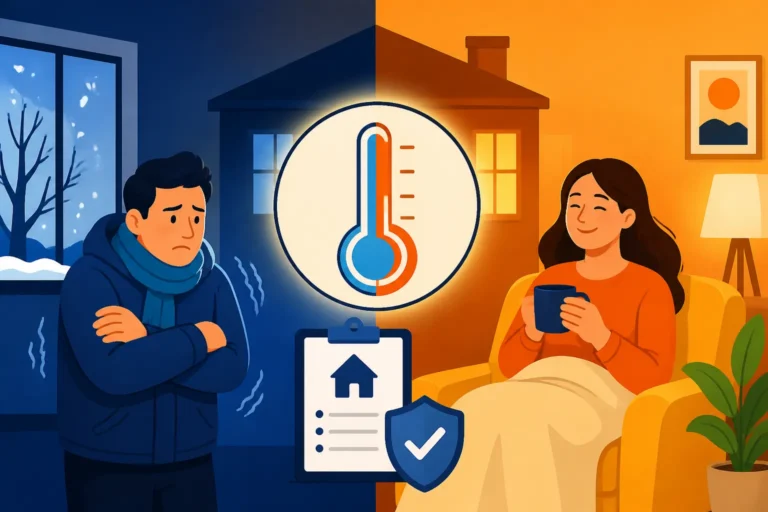
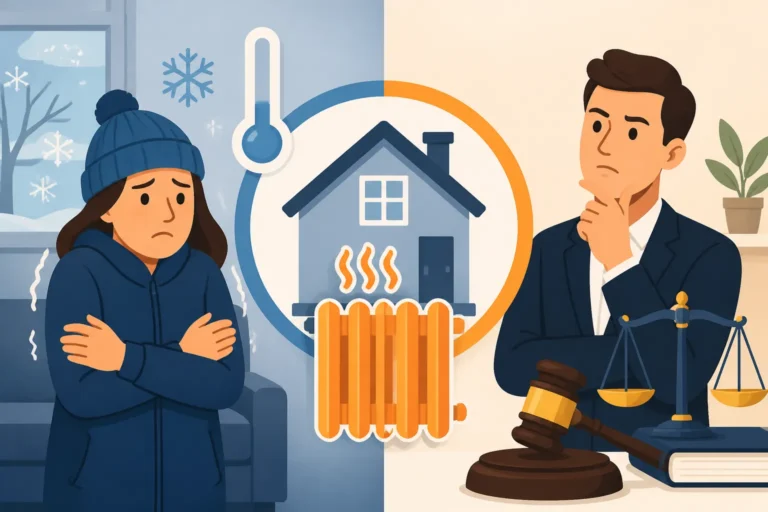
At its core, a habitable living space must have certain essential services and be structurally sound. If these are compromised, it’s a clear breach. For instance, if your apartment in Boston loses all heat in the middle of winter and your landlord doesn't fix it promptly, that's a serious problem. The same goes for a lack of hot water, especially for extended periods. Imagine trying to live without a reliable way to clean yourself or your dishes! This falls squarely under No Heat / No Hot Water / No AC: Your Rights.
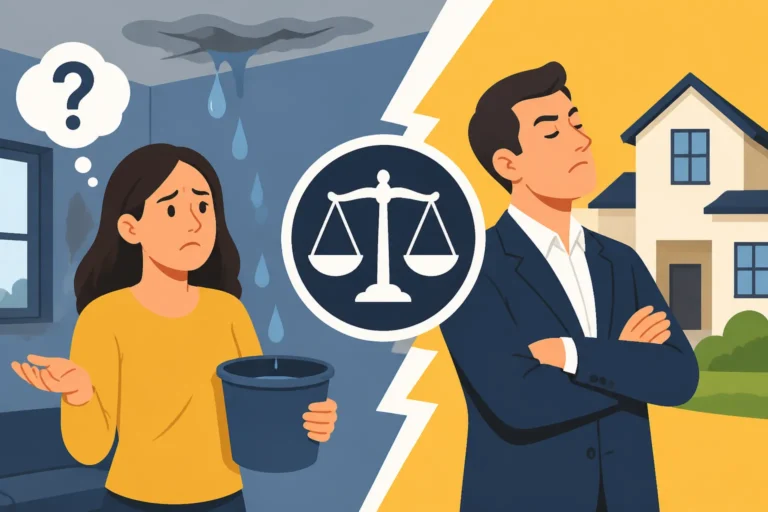
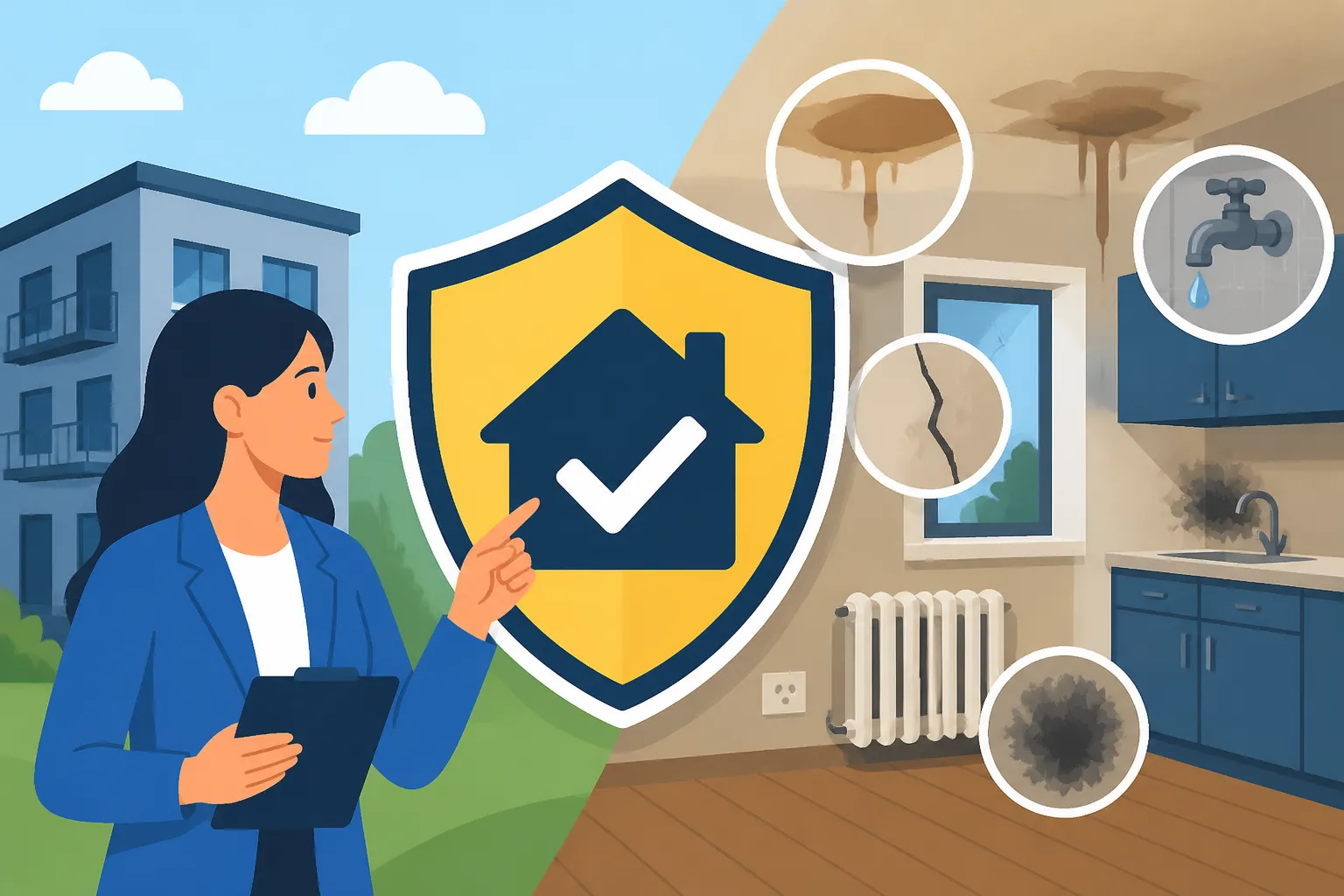
Beyond utilities, the physical structure of the property must be safe. We're talking about things like a severely leaking roof that causes water damage and potential ceiling collapse, electrical wiring that poses a fire hazard, or unstable floors. Major plumbing issues, such as backed-up sewage, are also unequivocal breaches. These issues don't just make living uncomfortable; they can create dangerous environments. For example, if a property has exposed electrical wires or crumbling foundations, it's not fit for anyone to live in.
Beyond the Obvious: Health and Safety Concerns
Habitability extends beyond just the basics. It also encompasses conditions that pose a threat to your health or safety, even if they aren't immediately visible. Take mold, for example. While a small patch of mildew in a bathroom might not be a habitability breach, extensive black mold growth due to a landlord’s neglect of a leaky pipe certainly is. This can lead to respiratory issues and other health problems, making the apartment unsafe. You can dive deeper into this with Mold: Landlord Responsibility & Tenant Rights.
Pest infestations can also constitute a breach. While every home gets a rogue spider or ant now and then, a rampant infestation of cockroaches, rats, or bedbugs that the landlord fails to address can make a unit uninhabitable. This isn't just about "ick" factor; these pests can carry diseases, contaminate food, and make sleeping impossible. Another crucial aspect is security. Broken locks on doors or windows that are not repaired can make tenants feel unsafe and vulnerable, directly violating the implied warranty to provide a reasonably secure living environment.
Normal Wear and Tear vs. Habitability Issues
It's really important to distinguish between minor issues that come with everyday living and actual habitability breaches. Landlords aren't expected to provide a brand-new, perfect home; "normal wear and tear" is expected. A faded paint job, scuff marks on the walls, or a slightly worn carpet are generally considered normal wear and tear. You can learn more about this distinction in our guide on Normal Wear and Tear vs Damage: Complete Guide.
However, if that worn carpet is now a tripping hazard due to fraying or gaping holes, it crosses the line into a safety issue. A leaky faucet might be an annoyance, but a constant drip that leads to significant water damage and potential mold growth could become a habitability issue. The key is whether the condition substantially affects your health, safety, or the reasonable use of the premises. A loose cabinet door probably isn't a breach, but a major sewage backup that isn't fixed is definitely one.
What Happens When a Landlord Breaches the Warranty? Tenant Options
When a landlord fails to uphold their end of the implied warranty of habitability, tenants aren't powerless. You have rights, but knowing how to exercise them properly is crucial to avoid unintended consequences. The exact remedies available can vary significantly by state and even by municipality, so it’s always best to research your local laws or consult with a legal aid organization.
The Importance of Communication and Documentation
This is perhaps the most critical step you can take. If you discover a habitability issue, your very first action should be to inform your landlord in writing. Don't just make a phone call or send a text; an email, certified letter, or even a message through a tenant portal leaves a paper trail. Clearly describe the problem, when you noticed it, and how it impacts your living situation. Our guide on How to Request Repairs in Writing provides excellent tips and templates for this.
It’s equally important to document everything. Take photos and videos of the issue, making sure to date them. Keep copies of all correspondence with your landlord, including dates and times of calls, and summaries of what was discussed. If the landlord sends a repair person, note when they came and what they did (or didn’t do). This meticulous record-keeping is your best defense if you ever need to take further action. For landlords, using tools like those offered by TurboTenant can help them organize maintenance requests and responses, demonstrating their efforts to maintain habitable conditions.
Repair and Deduct, Withholding Rent, and Breaking the Lease
Once you've notified your landlord and given them a reasonable amount of time to fix the issue (what's "reasonable" often depends on the severity and urgency of the problem, sometimes as little as 24-72 hours for emergencies, or 7-30 days for less urgent repairs, as detailed in How Long Does a Landlord Have to Make Repairs? (By State)), and they fail to act, you may have a few powerful, albeit risky, remedies:
- Repair and Deduct: In some states, if your landlord doesn't make necessary repairs after proper notice, you might be able to pay for the repairs yourself and then deduct the cost from your next rent payment. This is often only allowed for certain types of repairs, up to a certain dollar amount or a percentage of your rent, and may be limited to one or two times per year. This is a complex area, so you absolutely must understand your state’s specific Repair and Deduct by State laws before attempting this.
- Withholding Rent: Another option in certain jurisdictions is to withhold rent until the repairs are made. However, this is usually only allowed if you place the rent money into an escrow account (a separate bank account held by a third party or the court) to show you have the funds and are not just trying to avoid paying rent. If you simply stop paying rent, you could face eviction. Be very careful and understand the specific rules for Withholding Rent for Repairs in your area.
- Breaking the Lease: In extreme cases, where the property remains uninhabitable despite your best efforts and the landlord's neglect, you might have grounds to break your lease without penalty. This is a form of Constructive Eviction Explained, where the landlord's failure to maintain a habitable property is considered so severe that it effectively forces you to move out. This is generally a last resort and often requires clear documentation and a strong legal case.
Suing for Damages or Constructive Eviction
If all else fails, or if you've suffered financial losses due to the uninhabitable conditions, you might consider suing your landlord. This can be done in small claims court for lesser amounts or higher courts for more significant damages. You could seek compensation for things like the difference in value between the rent you paid and the actual value of the uninhabitable property, expenses incurred due to the lack of repairs (like hotel stays or medical bills), and in some cases, punitive damages if the landlord's conduct was particularly egregious.
Constructive eviction is a specific legal defense or claim where a tenant argues that the landlord’s actions or inactions (like failing to make repairs that breach the warranty of habitability) made the property unlivable, essentially forcing the tenant to move out. If successful, it releases the tenant from future rent obligations and may allow them to recover damages. It’s a serious step that usually requires you to vacate the premises, so seeking legal advice before pursuing this path is highly recommended. Our guide on How to Document Repair Problems can be invaluable if you're considering legal action.
State-Specific Nuances and Variations
While the implied warranty of habitability is a widely recognized concept, the way it's applied, the specific conditions it covers, and the remedies available to tenants can differ quite a bit depending on where you live. There's no single federal law dictating these terms for residential rentals; it's all handled at the state and sometimes even local level.
How State Laws Can Differ
The core principle that a landlord must provide a livable space is generally consistent, but the devil is in the details. For example, some states explicitly define what constitutes an "emergency repair" and mandate a very short timeframe (e.g., 24-72 hours) for landlords to address it, such as in situations involving no heat in freezing temperatures or a burst pipe. Other states might be vaguer, simply stating repairs must be made within a "reasonable" time. This means what's considered a breach in one state might be handled differently in another.
Moreover, the specific remedies like "repair and deduct" or "rent withholding" are not universally available. Some states allow them liberally, while others restrict them significantly or don't allow them at all, except under very specific circumstances. It's not uncommon for states to also have different requirements for how much notice you need to give your landlord before pursuing these remedies. This is why it's so crucial to look up the landlord-tenant laws specific to your state or city. You can often find this information through your state's housing authority or a reputable legal aid website.
Examples of Stronger Protections
Some states and cities are known for having particularly robust tenant protection laws, including strong interpretations of the warranty of habitability. For example, states like California, Massachusetts, and New York often have very detailed statutes outlining landlord responsibilities and tenant remedies.
In Massachusetts, for instance, the Sanitary Code outlines specific standards for housing, and violations can give tenants strong grounds to act. In New York City, tenants have significant protections against uninhabitable conditions. These stronger protections might include specific minimum temperature requirements for heat in winter, detailed rules on pest control, and even mechanisms for rent abatements (reductions) if conditions fall below standard. These states often also have strong anti-retaliation laws, preventing landlords from punishing tenants for asserting their rights.
Even beyond state laws, some cities have their own housing codes that go further. For example, a city ordinance might require landlords to provide working air conditioning in summer, which isn't always a statewide requirement. This patchwork of laws means that what works for a tenant in San Francisco might not apply to someone renting in Houston. Landlords also seek protection through insurance policies, and providers like Steadily offer landlord insurance that covers property damage, which can help ensure funds are available for major repairs, indirectly benefiting tenants. Tenants, too, should consider renter's insurance from companies like Lemonade to protect their personal belongings, especially in cases where a habitability issue (like a burst pipe) might damage their property, even if the landlord is responsible for the repair itself.
Navigating Common Habitability Issues and Landlord Response Times
Understanding what constitutes a habitability issue is one thing, but knowing how quickly a landlord should respond is another. This can often be a point of contention and confusion between tenants and landlords.
Here's a general overview, though specific timings can vary by state and the severity of the issue:
| Issue Category | Common Examples | Urgency Level | Typical Landlord Response Time (after proper notice) |
|---|---|---|---|
| Emergency Issues | No heat (in cold climate), no hot water, burst pipes, major sewage backup, no electricity, gas leak, active fire hazards, non-functional toilet (if only one) | High | 24-72 hours (often less for life-threatening issues) |
| Urgent Issues | Major appliance breakdown (fridge/stove), significant roof leak, security issues (broken locks), pest infestation (severe), minor plumbing leaks, mold growth | Medium | 3-7 days |
| Non-Urgent Issues | Minor appliance repair, dripping faucet, minor cosmetic damage, clogged drain (if not completely unusable), broken window screen, common area maintenance | Low | 7-30 days |
| Structural/Safety | Foundation problems, unsafe stairs, major structural cracks, lead paint hazards, rodent infestation (severe) | High | Immediate assessment, followed by prompt repair. May require temporary relocation. |
It’s important to remember that these are general guidelines. If an "urgent" issue escalates and becomes an "emergency" (e.g., a minor leak turns into a ceiling collapse), the response time expectation shifts dramatically. Also, for issues like a widespread pest infestation that requires multiple treatments, the "fix" might take longer, but the landlord must demonstrate active and continuous efforts to resolve it.
Disclaimer
Please remember that this article provides general information and is not a substitute for professional legal advice. Landlord-tenant laws vary significantly by jurisdiction, and the information presented here may not be applicable to your specific situation. Always consult with a qualified attorney or local housing authority for advice tailored to your circumstances.