Landlord Won’t Fix AC: What Are My Options?
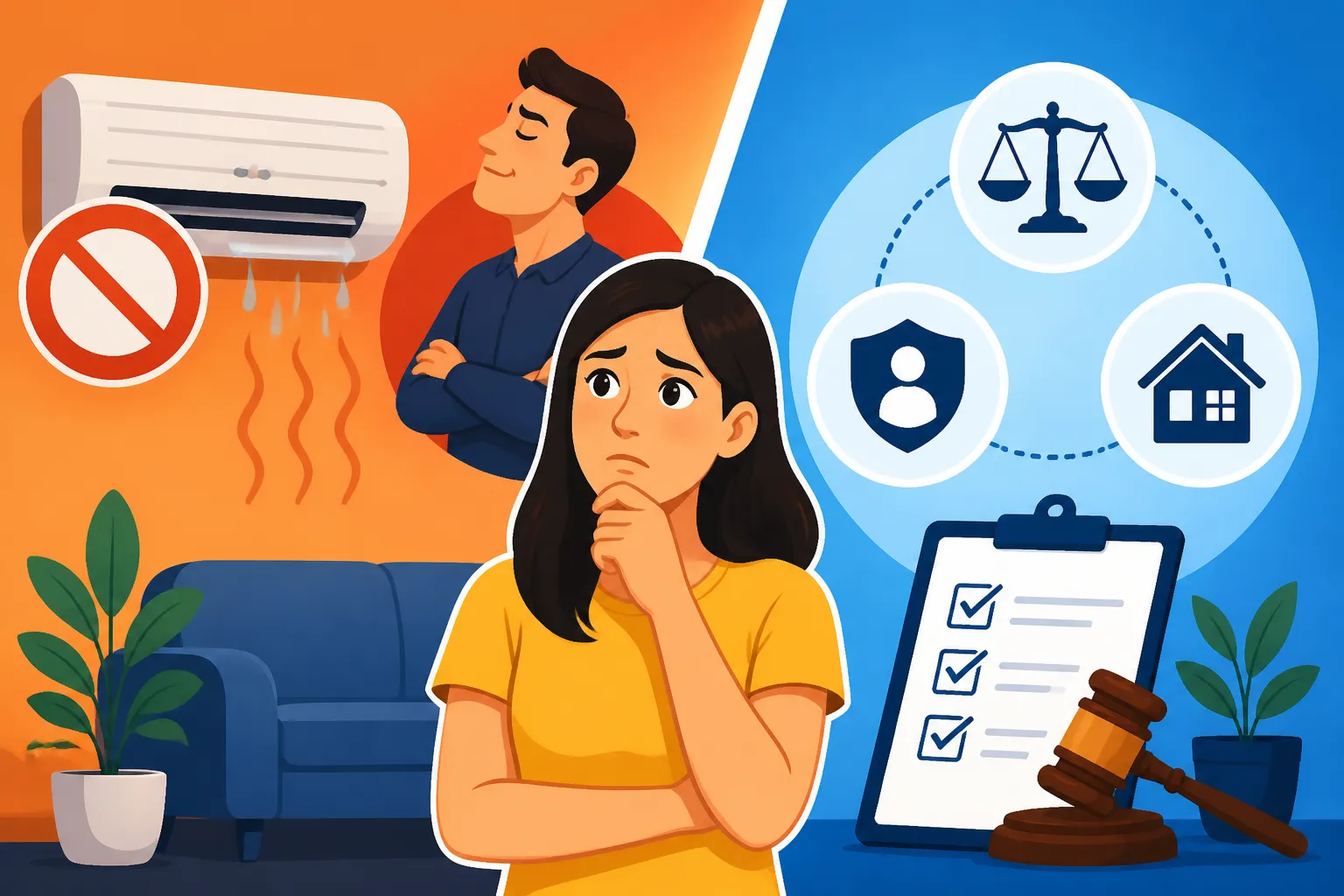
There are few things more miserable than sweltering in your own home when the air conditioner decides to give up the ghost, especially during those brutal summer months. You’ve notified your landlord, you’ve waited, and yet, nothing changes, leaving you feeling helpless and sticky. This comprehensive guide will walk you through your rights and practical steps you can take when your landlord refuses to fix your AC, empowering you to find a solution and get comfortable again.
Understanding Your Rights Regarding Air Conditioning Repairs
First things first, let's talk about what you're actually entitled to when it comes to a functioning air conditioner. This isn't always as straightforward as it seems, as laws can vary significantly.
Is AC Considered a Habitability Requirement?
The "implied warranty of habitability" is a cornerstone of landlord-tenant law, essentially guaranteeing that a rental property is safe and fit for human living. This typically covers essentials like heat in winter, hot water, plumbing, and a structurally sound dwelling. But here's the kicker: AC isn't always considered a "habitability" requirement by default in every state or city.
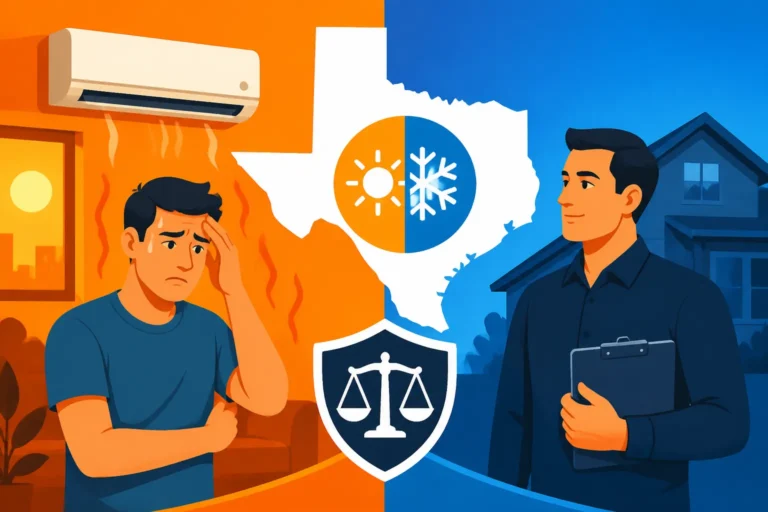
In many places, especially those with historically milder climates, AC might be seen as an amenity rather than a necessity. However, in regions where summer temperatures routinely soar to dangerous levels, like Phoenix, Arizona, or parts of Florida and Texas, some local ordinances or state laws do include functioning air conditioning as a vital component of a habitable living space. For instance, in Texas, if the AC system is part of the rental unit, the landlord generally has a duty to maintain it. If a landlord fails to provide a habitable living space, tenants often have specific rights, which are deeply explored in resources like this guide on the Implied Warranty of Habitability Explained. It's crucial to understand that even if your state doesn't explicitly list AC, extreme heat without it can sometimes create a condition that renders the property uninhabitable, especially if it poses a health risk to vulnerable individuals like the elderly or young children. This is a nuanced area, and local building codes or health department regulations might also weigh in, so what constitutes "uninhabitable" can sometimes hinge on specifics beyond just state statute.
Lease Agreement and AC Clauses
Beyond general habitability laws, your lease agreement is your most powerful document. What does it say about the air conditioning? Many leases explicitly state which appliances and systems the landlord is responsible for maintaining. If the lease specifies that the landlord provides and maintains the AC unit, then it's a clear contractual obligation, regardless of state habitability laws.
It's not uncommon for leases to include clauses detailing repair timelines or tenant responsibilities for minor maintenance. For example, a lease might state the landlord is responsible for major AC repairs, but the tenant must replace filters regularly. Make sure you read your lease thoroughly, specifically looking for sections on "Maintenance and Repairs," "Appliances," or "Landlord Responsibilities." If your lease guarantees a working AC, your landlord is legally bound to uphold that agreement. If it’s unclear, or if AC isn't mentioned, it can complicate matters, but it doesn't necessarily leave you without recourse. Some leases, especially in large apartment complexes, might also detail what happens if a major appliance breaks down, sometimes offering temporary units or rent reductions, so knowing what's in your agreement is paramount. For landlords, understanding how to draft clear agreements that protect both parties is key, and services like TurboTenant often provide lease agreement templates that cover these details.
Documenting the Problem and Notifying Your Landlord
One of the biggest mistakes tenants make is relying solely on verbal communication. When your AC is out, every step needs to be documented. This creates a paper trail that can be invaluable if legal action becomes necessary.
Initial Steps and Communication
As soon as you notice your AC isn't working, your first step should always be to notify your landlord in writing. This isn't just a suggestion; it's often a legal requirement before you can pursue other remedies. A phone call might seem quicker, but without a written record, it's your word against theirs. Send an email, a text message, or even a certified letter, clearly stating the date, the problem (e.g., "The air conditioning unit in my apartment at [Address] stopped cooling on [Date]"), and that you require prompt repair.
Keep copies of all communication. This includes the date and time you sent the message, the content of the message, and any responses you receive. Be polite but firm. Reference your lease agreement if it specifies AC maintenance. For example, you might say, "As per Section X of our lease agreement, the landlord is responsible for maintaining the air conditioning unit." Make sure your landlord knows that you are serious about this issue and expect timely action. A good resource for drafting these types of communications is our guide on How to Request Repairs in Writing. Remember, documentation is king in landlord-tenant disputes.
Gathering Evidence of the Issue
Proof is crucial. Don't just tell your landlord the AC is broken; show them. Start taking pictures and videos immediately.
- Photos/Videos: Capture images of the thermostat reading, especially if it shows an excessively high indoor temperature. Take a video showing the unit running but not blowing cold air, or showing any visible issues like ice on the coils (a common sign of a problem).
- Temperature Logs: Keep a daily log of the indoor temperature. Use a reliable thermometer to record readings multiple times a day. Note the outdoor temperature as well, to illustrate the severity of the heat inside your home.
- Impact on Health/Well-being: Document any adverse effects the lack of AC is having on you or your family. Are you experiencing heat-related illnesses, difficulty sleeping, or are children or elderly residents struggling? If you have a doctor's visit due to heat-related symptoms, keep those records.
- Failed Repair Attempts: If the landlord sends someone to "fix" it and it's still broken, document that too. Note the date, time, and what was supposedly done, and that the problem persists.
This evidence will be vital if you need to escalate the situation, demonstrating that the problem is real, ongoing, and impacting your living conditions. Imagine presenting this detailed log to a judge or housing authority – it makes a much stronger case than simply saying, "My AC doesn't work." For a comprehensive approach to documentation, consider reviewing our article on How to Document Repair Problems.
Legal Avenues When Your Landlord Fails to Act
After proper notice and sufficient time, if your landlord still hasn't fixed the AC, you have several legal options. These steps can be complex and are often state-specific, so it’s essential to understand the potential risks and requirements.
Withholding Rent or Repair and Deduct
Many states have laws that allow tenants to take action if a landlord fails to make necessary repairs after being given proper notice. Two common, but often risky, remedies are "repair and deduct" and "rent withholding."
- Repair and Deduct: This involves you paying for the repair yourself and then deducting the cost from your next rent payment. While appealing, it's usually only applicable for essential repairs (which may or may not include AC, depending on your state and local laws) and often comes with strict limitations on how much you can deduct (e.g., typically no more than one month's rent) and how often you can use this remedy. You must follow specific procedures: notify the landlord in writing, give them a reasonable time to fix it (often 14-30 days, or less for emergencies), and then obtain professional quotes before having the repair done. If you don't follow the rules precisely, your landlord could claim you withheld rent illegally, leading to potential eviction. States like California and Arizona have specific statutes governing "repair and deduct." You can dive deeper into the specifics by reading our guide on Repair and Deduct by State.
- Withholding Rent: This is generally considered a more aggressive and riskier move. In some states, you might be allowed to withhold rent (or deposit it into an escrow account) if the property is truly uninhabitable due to a landlord's failure to make essential repairs. Again, whether a broken AC qualifies depends heavily on your location and the severity of the heat. If you choose this path, you must typically place the rent money into a separate escrow account, showing the court you have the funds but are withholding them due to the landlord's breach of the lease or habitability laws. If a judge rules against you, you could be on the hook for back rent, late fees, and even face eviction. Always consult legal counsel before withholding rent. Our article on Withholding Rent for Repairs provides more detail on the legal nuances and potential pitfalls.
It’s impossible to overstate: do not attempt either of these remedies without first thoroughly researching your local laws and, ideally, seeking legal advice. The consequences of misstepping can be severe.
Suing in Small Claims Court
If your landlord won't fix the AC and you've incurred expenses (like having to stay in a hotel, buying fans, or even medical bills due to heat exposure), or if you believe they have breached the lease, you might consider suing them in small claims court. This court is designed for individuals to resolve disputes without needing expensive lawyers, making it more accessible.
To file a case, you'll need to demonstrate damages and provide a clear timeline of events and your attempts to resolve the issue. Your detailed documentation of communication, temperatures, and expenses will be crucial evidence. You can sue for the cost of repairs you had to undertake (if repair and deduct wasn't an option or didn't cover the full cost), compensation for temporary lodging, or even a reduction in rent for the period your AC was out. The process usually involves filing a complaint, serving the landlord, and attending a hearing. While small claims court can be empowering, it requires preparation and a clear understanding of what you're asking for. The caps for how much you can sue for vary by state, often ranging from a few thousand dollars up to $10,000 or $15,000 in some jurisdictions.
Reporting to Housing Authorities or Code Enforcement
Another powerful tool at your disposal is reporting your landlord to local housing authorities or municipal code enforcement. These government bodies are tasked with ensuring rental properties meet minimum health and safety standards. If your area considers a functioning AC a habitability requirement, or if the extreme heat without AC constitutes a health hazard, they can step in.
When you file a complaint, an inspector will typically visit your unit to verify the conditions. If they find violations, they can issue a notice to the landlord, demanding repairs be made within a certain timeframe. Failure to comply can result in fines for the landlord and, in severe cases, the property being deemed uninhabitable, forcing the landlord to address the issue or allow you to terminate your lease. This route can be particularly effective because it brings official pressure to bear on the landlord without you having to navigate the complexities of court proceedings alone. It's often less adversarial than a lawsuit, though it can still sour your relationship with the landlord. To learn more about how to effectively leverage this option, check out our guide on How to Report a Landlord Code Violations & Retaliation.
Alternative Solutions and Tenant Protections
Sometimes, a direct legal battle isn't the best or quickest path. There are other strategies to consider, focusing on resolution and protecting your immediate living situation.
Negotiating with Your Landlord
Before resorting to legal action, a direct negotiation with your landlord might yield a faster and less stressful outcome. Propose solutions that benefit both of you. Could they provide a temporary portable AC unit while the central system is being repaired? What about a rent reduction for the period you're without AC?
You could even suggest a "cash for keys" type of agreement, where you agree to move out early without penalty in exchange for a prorated rent refund and perhaps assistance with moving costs. This could be particularly appealing to a landlord who is either unwilling or unable to perform the necessary repairs quickly. Always get any agreements in writing, even if it's just an email exchange confirming the terms. For instance, if you're dealing with a property management company, a clear, concise email detailing your proposed solution might get a quicker response than a formal legal threat. Even if the relationship is strained, a pragmatic, solution-oriented approach can sometimes break through the impasse.
Breaking the Lease for Uninhabitable Conditions
If the lack of AC truly makes your apartment unlivable, and your landlord has failed to act after proper notice, you might have grounds to break your lease without penalty. This is a significant step and should not be taken lightly. As discussed earlier, whether a broken AC constitutes "uninhabitable conditions" depends heavily on your specific state and local laws, and the severity of the situation. For instance, in a city like Las Vegas where summer temperatures frequently exceed 100 degrees Fahrenheit, a non-functional AC is far more likely to be deemed a breach of habitability than in a place with cooler climates.
To legally break a lease under these circumstances, you generally must:
- Provide Written Notice: Inform your landlord in writing about the specific uninhabitable condition (the broken AC and excessive indoor temperatures) and your intent to vacate if it's not fixed by a certain date.
- Give Reasonable Time: Allow your landlord a "reasonable" amount of time to make the repairs. What's "reasonable" varies by state and the severity of the issue, but it could be anywhere from 24-72 hours for an "emergency" to 14-30 days for less urgent repairs.
- Vacate: Only move out after giving proper notice and if the condition remains unaddressed.
If you unilaterally break your lease without following the correct legal process, you could still be held liable for remaining rent and other penalties. It's wise to review resources like Breaking a Lease for Uninhabitable Conditions and What Is Considered Uninhabitable? before making this decision. Consulting with a landlord-tenant attorney or local housing authority is highly recommended to ensure you understand your rights and responsibilities.
Tenant Insurance and Preparedness
While tenant insurance can't magically fix a broken AC, it can offer a vital safety net if the situation becomes dire. Policies from providers like Lemonade or Steadily (though Steadily focuses on landlord insurance, which is beneficial for landlords to cover such repairs) often include "loss of use" or "additional living expenses" coverage.
This means if your apartment becomes uninhabitable due to a covered peril (which might include certain system failures or code violations that force you to vacate), your insurance could cover the cost of a hotel or other temporary housing while repairs are being made. This can be a huge relief, allowing you to escape the heat without the immediate financial burden. It’s a good idea to check your policy or consider purchasing one, as it provides peace of mind beyond just protecting your personal belongings. Being proactive with tenant insurance means you have options if your living situation becomes unbearable due to a landlord’s inaction, offering a practical solution even while you pursue legal recourse for the initial repair.
| Action Step | Description | Potential Risks | Required Documentation |
|---|---|---|---|
| Written Notice to Landlord | Formally inform your landlord in writing (email, certified mail) about the broken AC, date of malfunction, and request for repair. Keep a copy. | None, this is always the first and safest step. | Copies of all written communication (emails, texts, certified mail receipts). |
| Gather Evidence | Take photos/videos of the non-functioning unit, thermostat showing high temps, keep a temperature log, and document any health impacts. | None, this strengthens your case. | Photos, videos, temperature logs, medical records if applicable. |
| Repair and Deduct | Pay for the repair yourself after landlord inaction and deduct the cost from your next rent payment. | High risk. Must follow state-specific laws precisely (e.g., proper notice period, cost limits, essential repair qualification). Missteps can lead to eviction. | Written repair request, proof of landlord's failure to respond, itemized repair receipts, proof of payment. |
| Withhold Rent (Escrow) | Place rent money into an escrow account rather than paying the landlord, after landlord inaction on essential repairs. | Very high risk. Only legal in specific states for essential repairs and requires strict adherence to legal procedures. Can lead to eviction if not done correctly. | Written repair request, proof of landlord's failure to respond, proof of rent placed in escrow account. |
| Small Claims Court | Sue your landlord for damages (e.g., cost of temporary housing, medical bills, rent abatement) due to their failure to provide a habitable living space. | Time-consuming, no guarantee of winning, may sour landlord-tenant relationship. | All documented evidence (communication, photos, logs, receipts, medical bills). |
| Report to Authorities | File a complaint with local housing authorities or code enforcement. | Can be slow, may sour landlord-tenant relationship, only effective if AC is considered a code violation in your area. | Copies of all written communication with landlord, specific details of the non-functioning AC and its impact. |
| Negotiate Solutions | Propose alternatives like a temporary AC unit, rent reduction, or early lease termination with minimal penalty. | Landlord may refuse, no legal enforcement if not agreed upon. | Written record of proposals and any agreements. |
| Break Lease (Uninhabitable) | Terminate your lease early if the lack of AC truly makes the unit uninhabitable and landlord fails to remedy after proper notice. | High risk. Requires strict adherence to state-specific laws regarding "uninhabitable conditions" and notice. Can lead to financial penalties if not legally justified. | Written repair request, proof of landlord's failure to respond, evidence of uninhabitable conditions (temps, health impact), notice of intent to vacate. |
Preventing Future Air Conditioning Headaches
Taking proactive steps can significantly reduce your chances of facing a similar situation in the future. It’s all about doing your homework and protecting yourself from the outset.
Proactive Steps Before Signing a Lease
Before you even put pen to paper on a new lease, be diligent. The move-in process is your best opportunity to identify and address potential problems.
- Inspect the AC Unit: During your initial walkthrough, don't just glance at the AC. Turn it on. Make sure it blows cold air effectively. Ask about its age and last maintenance date. If it’s a window unit, ensure it’s properly installed and functioning. This is a critical part of your Move-In / Move-Out Inspection Guide.
- Clarify Lease Clauses: Directly ask the landlord or property manager about their responsibilities for AC maintenance and repairs. What is the typical response time for an emergency? Are there any conditions under which they won't repair it? Ask for these details to be included in the lease or an addendum. If you're using a platform like TurboTenant as a landlord, ensure these clauses are clear in your lease templates.
- Ask for Maintenance Records: Request to see records of recent AC maintenance. A well-maintained unit is less likely to break down. This shows a landlord who takes their responsibilities seriously.
- Summer Rental Consideration: If you're moving in during cooler months, remember that the AC won't be tested as rigorously. Ask specifically for it to be checked before you move in.
- "As-Is" Clauses: Be wary of "as-is" clauses that might try to waive the landlord's responsibility for major appliances. These may not always be legally enforceable, especially if they try to bypass the implied warranty of habitability, but they signal potential issues.
By being thorough upfront, you can potentially avoid a lot of stress down the line. It's much easier to clarify expectations and ensure a working AC before you sign a legally binding contract.
Understanding Landlord and Tenant Maintenance Responsibilities
A common point of contention is who is responsible for what. Generally, landlords are responsible for major repairs and maintaining the property in a habitable condition, which often includes major appliances and HVAC systems. Tenants, on the other hand, are typically responsible for minor maintenance, such as changing air filters, keeping vents unobstructed, and reporting issues promptly.
However, the line can sometimes blur. For example, if a tenant's negligence directly causes the AC to break (e.g., repeatedly failing to change filters despite explicit instructions, leading to system failure), some leases might make the tenant financially responsible for the repair. Always refer to your lease for specific details on these responsibilities. If you have any doubts, don't hesitate to ask your landlord for clarification in writing. Understanding who is responsible for what can prevent disputes and ensure that maintenance requests are handled efficiently. Landlords often use services like Steadily for insurance that covers property damage, which can help ensure they are financially prepared to handle major repairs, indirectly benefiting tenants by facilitating quicker fixes.
Disclaimer
This article is for general informational purposes only and does not constitute professional advice. Laws and regulations vary by location and change over time. Consult a qualified professional for guidance on your specific situation.