How Long Does a Landlord Have to Fix Heat in Massachusetts?
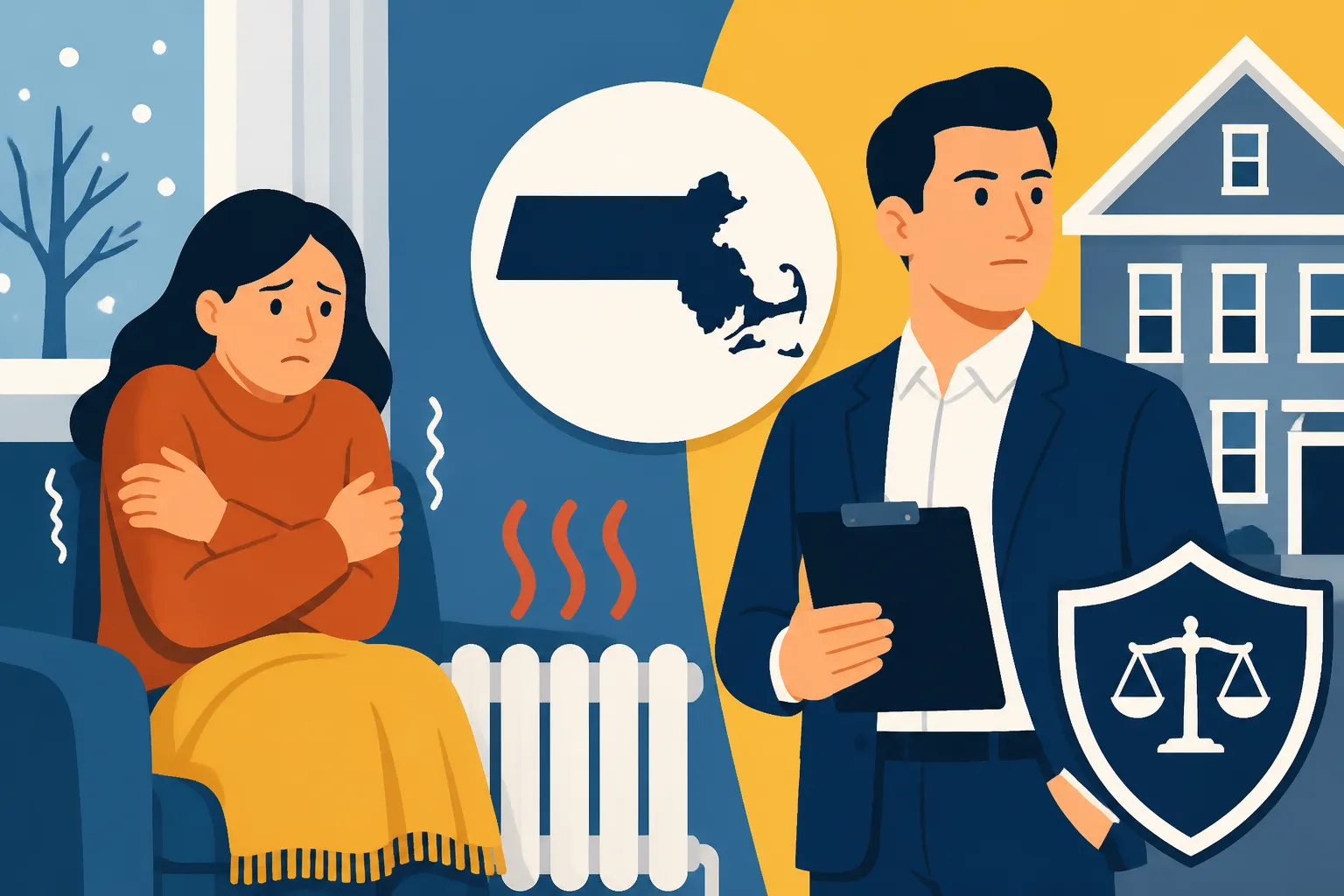
There’s almost nothing worse than bundling up inside your own home because the heat has decided to take an unexpected vacation, especially when those harsh Massachusetts winters hit. You're paying good money for a place to live, and "warmth" feels like a pretty basic expectation, right? It's frustrating, it's uncomfortable, and often, it leaves you wondering how long you're supposed to shiver before your landlord steps in. This guide is here to cut through the confusion and explain exactly how long your landlord has to fix the heat in Massachusetts and what steps you can take to get your cozy back.
The Absolute Must-Know: Implied Warranty of Habitability
Let's start with the big one, the cornerstone of tenant rights when it comes to essential services: the implied warranty of habitability. This isn't just a fancy legal term; it's the fundamental principle that every rental unit must be fit for human habitation, meaning it must be safe, clean, and in good repair. And in Massachusetts, especially during those colder months, having adequate heat is absolutely central to a unit being considered "habitable."
What the Law Says About Heat in Massachusetts
Massachusetts takes tenant heating rights very seriously, and it's all laid out in the Massachusetts Sanitary Code, specifically 105 CMR 410.200. This code isn't a suggestion; it's a strict set of regulations that landlords must adhere to. It mandates that from September 15th to June 15th—which, let's be honest, covers pretty much all of our "cold" season here in New England—every landlord has to provide heating facilities capable of maintaining certain temperatures.
So, what are those temperatures? Your rental unit must be able to reach at least 68°F (20°C) between 7:00 AM and 11:00 PM. During the overnight hours, from 11:00 PM to 7:00 AM, the temperature shouldn't drop below 64°F (17.8°C). This isn't about personal preference; it's a legal minimum. If your apartment dips below these thresholds during these dates, your landlord is failing to meet a fundamental requirement of their rental agreement, whether it's explicitly written in your lease or not. It’s part of the Implied Warranty of Habitability Explained that applies to every rental.
How Long is "Reasonable" for a Heating Repair?
Now, for the million-dollar question: how long does a landlord actually have to fix this vital service? While general repair timelines often talk about "reasonable time," for essential services like heat in Massachusetts, "reasonable" takes on a much stricter, shorter meaning. We're not talking about waiting weeks for a leaky faucet or a broken cabinet door here.
If your heat goes out completely during the heating season (September 15 to June 15), especially when outside temperatures are low or freezing, the expectation is that your landlord will act immediately. In many cases, this means within 24 hours. Think about it: going without heat when it's 20°F outside isn't just uncomfortable; it can be a health hazard, leading to frozen pipes, and making the unit uninhabitable. A landlord who delays beyond 24 hours for a complete heat outage, particularly in severe weather, is likely in violation of their duties.
There might be very specific, unavoidable situations where a repair takes slightly longer, perhaps due to a rare part needing to be ordered or a specialized contractor being difficult to schedule. However, even in these scenarios, the landlord still has a responsibility to mitigate the impact. This could mean providing you with safe, alternative heating sources like space heaters or even offering temporary alternative accommodation if the situation is severe and prolonged. A delay beyond 48 hours without any progress or communication, and especially without alternative solutions, is typically unacceptable and grounds for further action. It falls under the umbrella of What Counts as an Emergency Repair?, which demands prompt attention.
What to Do When the Heat Goes Out: Your Action Plan
So, the heat has officially abandoned you, and your landlord isn't moving as quickly as you'd like. It's time to put on your proactive hat and protect your rights. This isn't about being confrontational; it's about building a clear, undeniable record of the issue and your efforts to resolve it.
Document Everything, and I Mean Everything
The first and most crucial step is to document everything. When you’re dealing with a heating issue, especially in a state with specific temperature requirements like Massachusetts, a detailed paper trail is your best friend.
Start by taking the temperature inside your unit at various times, using a reliable thermometer. Snap photos or even short videos showing the thermometer reading alongside something that clearly identifies the date, like a newspaper or your phone's screen. Note the exact date and time you took these readings, and the outdoor temperature if you know it. Did you see your breath? Is there frost on the inside of a window? Capture that. Document any attempts you made to troubleshoot, like checking the thermostat or furnace switch.
Beyond temperature, keep a meticulous record of all communications with your landlord or property management. Who did you speak to? When? What was discussed? What was promised? Even if you initially called, follow up with an email or text message summarizing the conversation. This ensures you have a written record, which is invaluable if you need to escalate the situation later.
Notifying Your Landlord Formally
While a quick phone call might be your first instinct, it’s absolutely critical to follow up with formal, written notice. This isn't just a suggestion; it's a procedural step that strengthens your case should things go south.
Your written notice should clearly state the problem (no heat), the date it started, the internal temperatures you've recorded, and a specific but reasonable deadline for repair (e.g., "within 24 hours of receipt of this notice"). Include any relevant details, like the fact that the outside temperature is dropping rapidly. You should send this notice via certified mail with a return receipt requested. This provides irrefutable proof that your landlord received the notice and when. An email is also good, but certified mail adds a layer of legal weight that's hard to dispute.
If you're unsure how to phrase it, many resources can help you draft an effective communication. For a detailed walkthrough, check out our guide on How to Request Repairs in Writing. Remember, the goal here is not to be aggressive but to be clear, concise, and to establish a formal record. Some property managers, like those using platforms such as TurboTenant, might have a built-in communication system, but even then, follow up with an email to yourself as a backup.
Escalating the Issue: When Your Landlord Doesn't Respond
If you’ve given your landlord adequate written notice and a reasonable amount of time (typically 24-48 hours for heat in Massachusetts winter), and nothing has happened, it's time to escalate.
Your next move should be to contact your local Board of Health or housing authority. In Massachusetts, these agencies are empowered to enforce the Sanitary Code. They can send an inspector to your unit to verify the lack of heat and potentially issue a notice of violation or an order to repair to your landlord. This is a powerful tool because it involves a third-party governmental agency confirming the issue and putting official pressure on your landlord.
Depending on the severity and duration of the problem, and if your landlord still fails to act, Massachusetts law offers tenants several remedies. One option might be to consider Withholding Rent for Repairs, but this is a complex legal maneuver that requires specific steps and proper escrowing of rent. It's not something to undertake lightly, and it's highly advisable to seek legal counsel before doing so, as improper withholding can lead to eviction. Another avenue might be to explore Repair and Deduct by State, where you arrange for the repair yourself and deduct the cost from your rent. Again, this is generally reserved for clear-cut violations of the habitability warranty and should be approached with extreme caution and legal advice. You can also explore options to How to Report a Landlord (Code Violations & Retaliation).
Finally, if all else fails, you may have grounds to pursue legal action in small claims court to recover damages, such as the cost of alternative heating, hotel stays, or even rent abatement for the period you were without adequate heat.
Massachusetts-Specific Heating Requirements and Penalties
It's one thing to know your rights generally, but understanding the specifics of Massachusetts law empowers you further. The rules are quite clear, leaving little room for ambiguity from a landlord's perspective.
Specific Temperature Requirements and Timeframes
Let's circle back to those crucial dates and temperatures. From September 15th to June 15th, your landlord must ensure your apartment can maintain:
- At least 68°F (20°C) between 7:00 AM and 11:00 PM.
- At least 64°F (17.8°C) between 11:00 PM and 7:00 AM.
These aren't suggestions for a nice, cozy environment; they are legal minimums. If your unit consistently falls below these temperatures during these specified times and dates, your landlord is in direct violation of the Massachusetts Sanitary Code.
There are a few rare exceptions, of course. If your lease clearly states that you are responsible for controlling and paying for the heat, and the heating system itself is functional but you've simply chosen not to turn it on, then the responsibility shifts to you. Similarly, if you caused the damage to the heating system, your landlord generally isn't obligated to fix it at their expense. However, these situations are usually clear-cut and don't negate the landlord's overall duty to provide a working heating system in the first place. For landlords, making sure these systems are up to snuff means regular maintenance and being prepared for issues, perhaps by securing landlord insurance from providers like Steadily.
Penalties for Non-Compliance
A landlord who fails to provide adequate heat in Massachusetts can face significant consequences.
If the local Board of Health determines there's a violation of the Sanitary Code, they can issue orders to the landlord to make repairs. Failure to comply with these orders can result in fines for each day the violation continues. This isn't a slap on the wrist; these fines can add up quickly, providing a strong incentive for landlords to act.
Beyond fines from the Board of Health, tenants have the right to seek remedies in court. This could include:
- Rent Abatement: A reduction in your rent for the period you were without adequate heat. The amount of abatement would depend on the severity and duration of the issue.
- Damages: You could be awarded actual damages, such as the cost of electric heaters you had to buy, medical expenses if the cold exacerbated a health condition, or even hotel costs if you had to move out temporarily.
- Constructive Eviction: In severe, prolonged cases where the lack of heat makes the unit truly uninhabitable, a tenant might be able to claim Constructive Eviction Explained. This essentially means that the landlord's failure to maintain habitable conditions forced the tenant to move out, effectively ending the lease and potentially allowing the tenant to sue for damages related to the move.
The state of Massachusetts takes these matters seriously, aiming to ensure tenants have safe and warm living conditions, especially given our notorious winters.
Preventing Heating Issues and Protecting Yourself
While dealing with a heat outage is never fun, there are steps you can take both proactively and reactively to minimize the impact and protect your interests.
Proactive Steps for Tenants
Before you even move into a new place, or at least before the cold weather truly sets in, a little preparation can go a long way.
First, always conduct a thorough Move-In / Move-Out Inspection Guide. Document the condition of the heating system during your move-in. Is it working? Are there any obvious issues? Take photos. This creates a baseline, so if problems arise later, you have proof of the initial condition.
Second, familiarize yourself with your lease agreement. While the Massachusetts Sanitary Code sets the minimums, your lease might contain additional details about heating responsibilities, utility payments, or emergency contact information. Understanding these terms can help you know who to call and what to expect.
Third, consider renter's insurance. While it won't force your landlord to fix the heat, a good renter's insurance policy, like those offered by Lemonade, can protect your personal belongings from damage if, for example, pipes burst due to a prolonged lack of heat. It also often includes "loss of use" coverage, which could help cover the cost of temporary housing if your apartment becomes truly uninhabitable and you have to stay elsewhere. It's peace of mind for those unexpected, extreme situations.
Landlord Best Practices (for context)
For landlords reading this, proactive maintenance is truly your best defense against tenant complaints and potential legal headaches. Scheduling annual furnace or boiler inspections and cleanings before the heating season begins can prevent many common breakdowns. Having a trusted network of licensed HVAC technicians ready for emergency calls is also crucial.
Clear and consistent communication with tenants is paramount. If a repair will take longer than expected, inform your tenant immediately, explain why, and offer solutions. Providing a clear path for tenants to submit repair requests, perhaps through a tenant portal like those offered by TurboTenant, can streamline the process. Lastly, understanding the nuances of landlord-tenant law, especially around essential services, helps maintain a positive relationship and ensures compliance, potentially reducing the need for costly legal battles.
Massachusetts Heating Requirements and Tenant Rights Summary
Here’s a quick overview of the key takeaways for heating in Massachusetts rental units:
| Aspect | Requirement/Rule | Tenant Right/Action |
|---|---|---|
| Heating Season | September 15th to June 15th. Landlords must provide and maintain heating facilities. | Expect functional heating system during these months. |
| Minimum Temperatures | 7:00 AM – 11:00 PM: At least 68°F (20°C). 11:00 PM – 7:00 AM: At least 64°F (17.8°C). |
If temperatures fall below these thresholds, the landlord is in violation of the Sanitary Code. |
| Repair Timeline | For a complete heat outage, especially in cold weather, "reasonable time" means typically within 24 hours. Delays beyond 48 hours without progress or alternative solutions are generally unacceptable. | Document lack of heat (temps, photos). Notify landlord in writing (certified mail). If no action, contact Board of Health. |
| Landlord Obligation | To provide a safe and habitable living environment, which includes a functioning heating system capable of meeting minimum temperature requirements. This is part of the Tenant Rights With No Heat in Winter. | If landlord fails to provide heat, tenants may be entitled to rent abatement, damages, or in severe cases, could claim constructive eviction. Avoid self-help remedies like improperly Withholding Rent for Repairs without legal advice. |
| Tenant Responsibility | Generally, to operate the heating system properly and not cause damage. If responsible for utilities, to pay for fuel/electricity. | If you cause damage to the heating system, you may be responsible for repair costs. If you control the heat and choose not to turn it on, the landlord is not at fault. |
| Legal Action | Landlords failing to comply with Board of Health orders face fines. Tenants can sue for damages, rent abatement, or, in extreme cases, for constructive eviction if the unit becomes uninhabitable due to the lack of heat, following the guidance found in How Long Does a Landlord Have to Make Repairs? (By State) | Seek legal counsel before taking drastic steps like withholding rent or initiating a repair-and-deduct. Filing a complaint with the Board of Health is often a strong first step to get official intervention. |
Disclaimer
Please remember that this information is for educational purposes only and not legal advice. Landlord-tenant laws can be complex and are subject to change. Always consult with a qualified attorney or housing expert in Massachusetts for advice specific to your situation.