Can I Break My Lease if Repairs Aren’t Made?
There's nothing quite like the crushing disappointment of discovering serious issues with your rental property, especially when you've done everything right on your end. The frustration of living with a leaky roof, persistent mold, or a broken HVAC system that your landlord seems to ignore can make your living situation feel unbearable. When repeated requests for essential repairs go unanswered, it's natural to wonder if you can just pack up and leave. This guide will thoroughly explore your options and the legal complexities of breaking your lease when repairs aren't made.
The Frustration of Unmade Repairs and Your Lease Agreement
Living in a rental property comes with an expectation of safety, comfort, and basic functionality. You pay your rent on time, you adhere to the lease terms, and in return, you expect your landlord to uphold their end of the bargain, which primarily includes maintaining a habitable living space. When repairs aren't made, especially for critical issues, that trust erodes, and your home can quickly feel like a burden instead of a sanctuary.
The Silent Contract: Implied Warranty of Habitability
Beyond the written words on your lease, there's a fundamental understanding in landlord-tenant law known as the "implied warranty of habitability." This isn't usually something explicitly stated in your lease document; instead, it's a legal principle that applies to virtually all residential rental agreements, whether written or verbal. It essentially guarantees that your landlord will keep your rental unit safe, sanitary, and fit for human habitation throughout your tenancy.
Think of it this way: when you rent a home, you're not just renting four walls and a roof. You're renting a place where you can reasonably live without fear for your health or safety. This implied warranty means your landlord has an ongoing duty to maintain the property to a basic standard, addressing significant issues that impact its liveability. If the furnace breaks in winter, the roof leaks persistently, or there's a serious pest infestation, these are usually violations of this implied warranty. It's a foundational tenant right, and understanding it is the first step in asserting your position when repairs are neglected. To delve deeper into this crucial concept, consider reading about the Implied Warranty of Habitability Explained.
When Your Home Becomes a Burden
It's one thing to deal with a minor inconvenience, like a flickering lightbulb you could probably change yourself, or a slow drain that clears up with some DIY effort. It's an entirely different beast when you're facing persistent, significant problems that make your daily life difficult, unhealthy, or even dangerous. Imagine waking up to a ceiling stained by water every time it rains, or enduring a summer heatwave without a functioning air conditioner, or perhaps having your living space invaded by rodents despite your best efforts to keep things clean.
These aren't just annoyances; they're problems that chip away at your quality of life, affect your health, and can even compromise your personal property. When your calls and emails go unanswered, or when shoddy patch-up jobs fail to resolve the underlying issue, your home transforms from a place of refuge into a source of constant stress. This feeling of being trapped in an unlivable situation, yet still being obligated to pay rent, is incredibly frustrating and is precisely why many tenants start exploring drastic measures like breaking their lease.
Understanding Your Landlord's Repair Obligations
It's not enough to simply feel that your landlord isn't upholding their end of the bargain; you need to understand what they are legally obligated to fix and within what timeframe. Landlord repair responsibilities are not arbitrary; they are governed by state and local laws, and sometimes, even by the specific terms of your lease.
What Constitutes a Habitability Issue?
A "habitability issue" isn't just any old repair. It refers to a problem that makes the rental property unsafe or unhealthy to live in. While the specifics can vary slightly by state, generally, these issues fall into categories that threaten a tenant's health, safety, or ability to use essential functions of the home. This includes ensuring access to necessities like heat, hot water, and a functional plumbing system. For instance, a broken refrigerator might be a major inconvenience, but a complete lack of potable running water is a severe habitability issue.
Common habitability issues include, but are not limited to: structural defects like a collapsing ceiling, lack of essential utilities such as heat in winter or hot water, unsafe electrical wiring, significant pest infestations (e.g., rats, cockroaches, bedbugs), raw sewage backup, or a lack of functioning locks on doors and windows. Less critical cosmetic issues or minor wear and tear, like a chipped countertop or a faded paint job, typically do not qualify as breaches of the implied warranty of habitability. It's crucial to understand the distinction, as only significant issues are likely to provide legal grounds for more drastic action. A detailed overview of what landlords must address can be found in our guide on Landlord Repair Responsibilities What They Must Fix.
State-Specific Repair Timelines
One of the most common points of contention between landlords and tenants revolves around how long a landlord has to make repairs. This isn't a one-size-fits-all answer; it's highly dependent on the nature of the repair and the laws of the state and sometimes even the city where you reside. Most states differentiate between "emergency" repairs and "non-emergency" repairs, assigning different response times.
Emergency repairs, such as a burst pipe, a lack of heat in freezing temperatures, or a broken lock on an exterior door, typically require a much quicker response, often within 24 to 72 hours. For instance, in California, a landlord generally has 24 hours to address a lack of hot or cold running water or heat, while in New York, a reasonable time for emergency repairs might be 24-48 hours. Non-emergency but still critical repairs, like a leaky faucet or a broken oven, might allow for a longer "reasonable time," often cited as 7 to 30 days, again depending on the state. Some states don't even specify an exact number of days, only "reasonable time" which can be ambiguous. It's vital to research your specific state's laws on How Long Does a Landlord Have to Make Repairs? By State to understand your rights and the landlord's obligations. Knowing whether a repair counts as an What Counts as an Emergency Repair? is also key.
Here's a general overview of typical repair timelines, but always verify for your specific jurisdiction:
| Type of Repair | Urgency Level | Typical Timeframe (after notice) | Common State Examples |
|---|---|---|---|
| No Heat/Hot Water | Emergency | 24-72 hours | California (24 hrs), Texas (7 days), New York (24-48 hrs), Florida (7 days) |
| Major Plumbing Leak | Emergency | 24-72 hours | California (24 hrs), Maryland (7 days), Massachusetts (3-5 days for critical) |
| Security Issues | Emergency | 24-72 hours | Many states (e.g., Oregon, Washington) specify prompt action for broken locks |
| Major Appliance Failure | Non-Emergency/Urgent | 7-14 days | Arizona (5 days for A/C, 10 days for other), Virginia (14 days for certain appliances) |
| Pest Infestation | Non-Emergency/Urgent | 7-30 days | Ohio (30 days), Illinois (14 days for major defects), Colorado (24-96 hrs for emergencies) |
| Other Non-Emergency | Non-Emergency | 14-30 days | Many states default to a "reasonable time" clause or a 14-30 day window |
Note: These are general guidelines. State and local laws can vary significantly. Always consult your specific state's landlord-tenant statutes.
When Unmade Repairs Justify Breaking a Lease
Deciding to break a lease is a serious step with potentially significant financial and legal ramifications. It's not something to be taken lightly, and generally, you can only do it without penalty if your landlord has fundamentally failed to uphold their duties, making the property legally uninhabitable. This concept is often tied to what's known as "constructive eviction."
The Concept of Constructive Eviction
Constructive eviction occurs when a landlord, through their actions (or inaction), makes the rental property uninhabitable to the point where the tenant is forced to move out. It's not a literal eviction where the landlord formally removes you, but rather a situation where the conditions are so dire that a reasonable person could not be expected to continue living there. If you successfully argue constructive eviction, the law essentially views it as if your landlord did evict you, releasing you from your lease obligations.
For constructive eviction to be legally recognized, several conditions usually need to be met:
- The landlord must have caused or allowed the conditions to exist. This means the problem isn't due to your own negligence or actions.
- The conditions must be severe enough to make the property uninhabitable. This goes beyond minor annoyances and truly impacts health, safety, or essential use.
- You must have notified the landlord of the problem. They need to be aware of the issue and have a reasonable opportunity to fix it.
- The landlord must have failed to remedy the situation within a reasonable timeframe. As discussed, this timeframe varies by state and severity.
- You must vacate the premises within a reasonable time after the landlord's failure to repair. You can't claim constructive eviction if you stay for months or years after the issue became severe.
Successfully proving constructive eviction can be complex, and it's a high bar to meet. Simply being uncomfortable or inconvenienced won't cut it. The property must truly be unfit for habitation. For a comprehensive dive into this legal avenue, check out our article on Constructive Eviction Explained.
Legal Grounds for Lease Termination
Beyond constructive eviction, state laws often outline specific scenarios where a tenant can legally break a lease without penalty, and a landlord's failure to make necessary repairs often falls under this umbrella, especially when it breaches the implied warranty of habitability. It’s crucial to understand that simply feeling unsafe or uncomfortable isn't enough; you must have documented proof that the landlord failed to maintain the property to legal standards after being properly notified.
In many states, if a landlord fails to make critical repairs after receiving proper written notice and a reasonable amount of time has passed, the tenant may have several remedies, one of which is to terminate the lease. This isn't automatic, though. You can't just up and leave. The specific procedures vary widely. For example, in some jurisdictions, you might need to send a formal "Notice to Terminate Lease for Uninhabitable Conditions," detailing the landlord's failure and your intent to vacate if the repairs are not completed by a certain date. This process is often part of the broader discussion on Breaking a Lease for Uninhabitable Conditions. Without following these specific steps, even if the conditions are terrible, you risk being held liable for the remaining rent on your lease.
Steps to Take Before Breaking Your Lease
Before you even consider breaking your lease due to unmade repairs, there are critical steps you must take. Skipping these could weaken your case significantly and expose you to financial liability. This isn't a quick decision; it's a process that requires careful documentation, clear communication, and often, legal insight.
Document Everything: Your Paper Trail is Gold
When dealing with a landlord who isn't making repairs, documentation is your absolute best friend. Seriously, I can't stress this enough. Every single interaction, every issue, every attempt at communication needs to be recorded. This paper trail will serve as irrefutable evidence if you end up in court or needing to formally dispute your lease obligations.
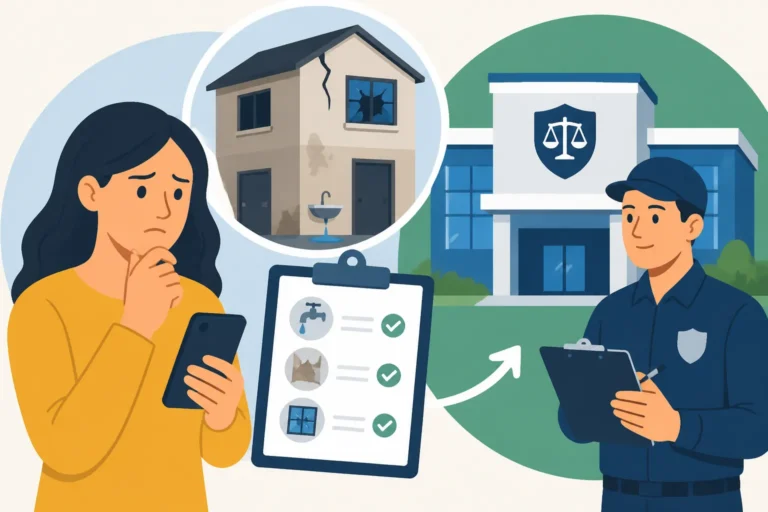
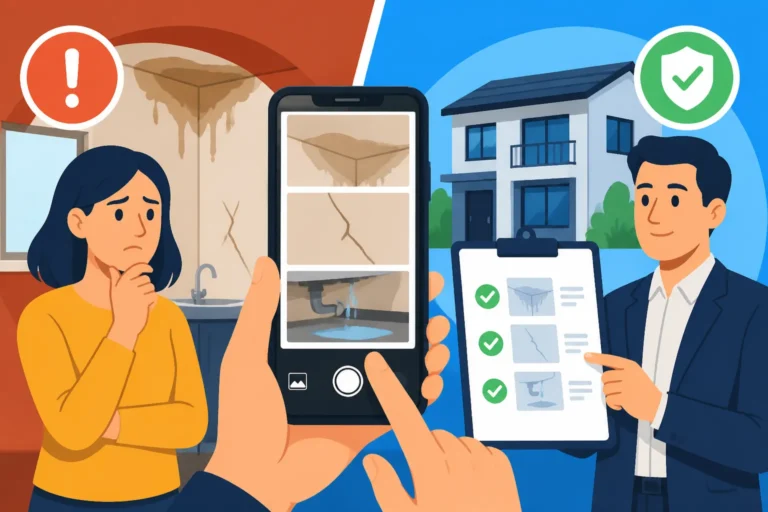
Start by documenting the problem itself. Take clear, timestamped photos and videos of the damage or unsafe conditions. If there's a leak, show the water. If there's mold, get close-ups. If an appliance isn't working, video yourself trying to use it. Note the date and time you first noticed the issue. Then, document every communication with your landlord. Send all repair requests in writing, preferably via certified mail with a return receipt requested, or email, so you have a digital record. Include dates, times, descriptions of the issues, and any previous attempts to contact them. Keep copies of all letters, emails, and even detailed notes of phone calls, including who you spoke with and what was said. If a repair person came out, get their contact information and what they did or didn't do. For help on how to meticulously record issues, refer to our guide on How to Document Repair Problems. Property management tools, like those offered by TurboTenant, often include features for tenants to submit and track repair requests, which can create a useful digital paper trail.
Formal Notice and Reasonable Time
Once you have your documentation in order, the next crucial step is to provide your landlord with formal, written notice of the issues and your intent to act if they are not resolved. This isn't just a courtesy; it's a legal requirement in most jurisdictions and a critical component of establishing constructive eviction or a justified lease termination.
Your written notice should clearly state:
- The specific problems you are experiencing.
- The dates and times you previously notified the landlord (referencing your documented evidence).
- The legal basis for your request (e.g., breach of the implied warranty of habitability).
- A clear demand for the repairs to be completed.
- A "reasonable" deadline for the repairs, based on your state's laws for emergency vs. non-emergency issues.
- A statement of your intent to pursue remedies, which might include breaking the lease, if the repairs are not made by the deadline.
Send this notice via certified mail with a return receipt. This proves that your landlord received the notice and when. Some states require very specific language or forms for such notices, so it's always wise to check your local housing authority's website or consult with a legal professional. Not sending proper notice, or not allowing your landlord a reasonable amount of time to respond and act, can invalidate any claim you might have to break your lease without penalty. Learn more about effective communication strategies in How to Request Repairs in Writing.
Considering Professional Legal Advice
I know, I know, legal fees can be daunting. But honestly, when you're considering breaking a lease, especially one with significant months remaining, investing in a consultation with a landlord-tenant attorney can save you a world of trouble and potentially thousands of dollars down the line. This isn't a DIY project that you want to get wrong.
A local attorney specializing in landlord-tenant law can review your lease agreement, assess your documentation, explain your specific state and local laws regarding repair obligations and lease termination, and advise you on the best course of action. They can help you draft legally sound notices, understand the risks, and represent you if the situation escalates. For example, if you live in a city like Los Angeles, California, where tenant protections are robust, an attorney can help you navigate the nuances of local ordinances alongside state law. Many legal aid societies or tenant advocacy groups also offer free or low-cost consultations. It’s an investment in peace of mind and legal protection, especially since a wrongful lease break can lead to significant financial penalties. While I can't offer legal advice, this is where a professional truly shines.
Potential Consequences and Risks of Breaking a Lease
Breaking a lease, even for seemingly legitimate reasons, is not without risks. If you don't follow the proper legal procedures, or if a court decides that your reasons weren't sufficient, you could face severe repercussions. It's crucial to understand these potential pitfalls before making a final decision.
Financial Liabilities and Damages
The most immediate and significant risk of improperly breaking a lease is financial liability. If a landlord successfully argues that you broke the lease without sufficient legal justification, they can sue you for various damages. This almost always includes the rent for the remainder of your lease term, or until a new tenant is found, whichever comes first. Most states require landlords to "mitigate damages" by making a reasonable effort to re-rent the property, but you could still be on the hook for rent during the vacancy period.
Beyond rent, landlords might also seek to recover costs associated with re-renting the unit, such as advertising fees, tenant screening fees, and any lost rent during the turnover period. They could also claim damages for any wear and tear beyond what's considered normal, which could impact your security deposit return. For example, if you break a lease early in Texas, you could be liable for the full remainder of the lease unless the landlord re-rents it. Understanding What Happens If You Break a Lease? is crucial for anticipating these financial hits. Property management companies, like those that might use platforms such as TurboTenant for screening, are generally adept at calculating these losses and pursuing them.
Impact on Your Rental History and Credit
Beyond direct financial costs, an improperly broken lease can leave a lasting mark on your rental history. Future landlords often conduct thorough background checks, and an eviction filing or a record of breaking a lease (even if settled out of court) can make it incredibly difficult to secure new housing. Many landlords view a broken lease as a major red flag, indicating an unreliable tenant.
In addition, if your landlord sues you for unpaid rent or damages and wins a judgment, or if they send unpaid debts to collections, it will negatively impact your credit score. This can affect your ability to get loans, credit cards, or even certain jobs in the future. The impact on your credit can linger for years, making future financial endeavors more challenging. It's not just about the immediate costs; it's about the long-term consequences on your housing prospects and financial standing.
Defending Against Landlord Claims
If you decide to break your lease due to unmade repairs and your landlord subsequently takes legal action against you (e.g., suing for unpaid rent), your meticulously gathered documentation becomes your defense. This is where your paper trail of communication, photos, videos, and repair requests will be invaluable. You'll need to present evidence that:
- The conditions made the property uninhabitable.
- You properly notified the landlord of the issues.
- The landlord failed to make repairs within a reasonable and legally mandated timeframe.
- You provided proper notice of your intent to vacate due to their breach.
Without strong evidence, your claims may not hold up in court. The burden of proof will largely be on you, the tenant, to demonstrate that the landlord's actions (or inactions) were severe enough to justify your departure. This is why getting legal advice from the outset is so important, as an attorney can help ensure your defense is robust and properly presented. Insurance providers like Lemonade offer renters insurance that typically covers your personal belongings, but they won't cover your liability for breaking a lease. However, some policies might offer legal assistance for landlord-tenant disputes, so it's worth reviewing your specific coverage.
Alternatives to Breaking Your Lease
Breaking a lease should always be a last resort. Before taking such a drastic step, it’s worth exploring other options that might resolve the repair issues or provide legal recourse without the high stakes of lease termination. These alternatives can often be less complicated, less financially risky, and might even be quicker in getting the repairs done.
Repair and Deduct, or Withholding Rent
In many states, if a landlord fails to make necessary repairs after proper written notice, tenants have remedies like "repair and deduct" or "withholding rent."
- Repair and Deduct: This involves the tenant paying for the repair themselves and then deducting the cost from their next rent payment. This option is typically reserved for more minor, yet still essential, repairs and usually has strict limits on the amount you can deduct (e.g., one month's rent, or a set percentage of it). You must provide proper notice to your landlord of your intent to do this, obtain receipts for the work, and the repair must be something the landlord was legally obligated to fix. Specific state laws on Repair and Deduct by State outline the exact procedures and limitations.
- Withholding Rent: In some states, tenants can legally withhold rent if their landlord fails to maintain a habitable property. However, this is one of the riskiest actions a tenant can take, as it can easily lead to eviction if not done precisely according to state law. Typically, you must place the withheld rent into an escrow account (a separate bank account) and notify your landlord that the funds are available once repairs are made. You cannot just stop paying rent and spend the money. The conditions must be severe enough to violate habitability standards. Our guide on Withholding Rent for Repairs offers a deeper look into this complex remedy.
Both options require strict adherence to legal procedures and specific notification requirements. Improperly attempting either can result in an eviction lawsuit against you, making it crucial to understand your state's laws and ideally, consult with an attorney before proceeding.
Reporting to Authorities and Mediation
If direct communication and formal notices aren't prompting your landlord to act, you might consider reporting them to relevant authorities or pursuing mediation.
- Reporting to Authorities: Local housing authorities, health departments, or code enforcement offices can investigate landlord violations related to health, safety, and building codes. If an inspector finds violations, they can issue citations to your landlord and order them to make repairs by a certain deadline. This can be a very effective way to compel a landlord to act, as non-compliance can lead to fines or even legal action against them by the city or county. Many jurisdictions have specific procedures for how to report a landlord for code violations, and you can learn more in our article on How to Report a Landlord Code Violations & Retaliation.
- Mediation: Mediation involves a neutral third party (a mediator) helping you and your landlord communicate and reach a mutually agreeable solution. This can be a less confrontational and often quicker way to resolve disputes than going to court. Many cities and counties offer free or low-cost mediation services for landlord-tenant issues. It can be a good option if communication has broken down but both parties are still willing to find a resolution.
These options can often achieve the desired outcome—getting the repairs done—without you having to move out or risk the consequences of breaking your lease.
Negotiating with Your Landlord
Sometimes, a direct, candid conversation, backed by your thorough documentation and knowledge of your rights, can be surprisingly effective. If your formal notices haven't worked, perhaps try to arrange a meeting (again, with everything documented) to discuss the issues and potential solutions. You could propose a temporary rent reduction until the repairs are completed, or suggest a specific timeline for the work.
While this might seem like a step backward after formal notices, a personal appeal, demonstrating that you understand your rights and are prepared to act, can sometimes change a landlord's perspective. It shows you're serious but also open to a fair resolution. Remember, landlords generally prefer to avoid vacancies and legal battles, so highlighting the potential costs and hassles for them might motivate them to come to the table. In some cases, if the issues are severe enough, you might even negotiate an early termination of your lease by mutual agreement, sometimes called a "cash for keys" arrangement, where you move out in exchange for a lease release or even a small payment. It's always worth exploring direct negotiation before resorting to the courts or abandoning your lease.
Disclaimer
This article is for general informational purposes only and does not constitute professional advice. Laws and regulations vary by location and change over time. Consult a qualified professional for guidance on your specific situation.