How to Evict a Tenant in Ohio
Evicting a tenant, for many landlords, feels like navigating a dense, thorny thicket blindfolded. It's a situation no one ever wants to be in, fraught with stress, potential financial loss, and a minefield of legal complexities that can leave even the most experienced property owner feeling overwhelmed. If you're facing the challenging prospect of removing a tenant in the great state of Ohio, rest assured, you're not alone in feeling this way. This comprehensive guide is here to help you cut through the confusion, providing a clear, step-by-step roadmap to legally evict a tenant in Ohio, ensuring you understand your obligations and protect your rights.
Understanding Ohio's Eviction Landscape
Before diving into the nuts and bolts of the process, it's crucial to grasp the fundamental principles that govern evictions in Ohio. This isn't a quick fix; it's a legal procedure designed to protect both landlords and tenants, and understanding the groundwork will save you headaches and potential legal battles down the road.
Key Laws and Statutes Governing Evictions
Ohio landlord-tenant law is primarily governed by the Ohio Revised Code (ORC) Chapter 5321, known as the Landlord and Tenant Law. This chapter outlines everything from lease agreements and maintenance responsibilities to, you guessed it, the eviction process. It’s not just a suggestion; these are the rules of engagement that every landlord must adhere to, and overlooking them can invalidate your entire eviction attempt.
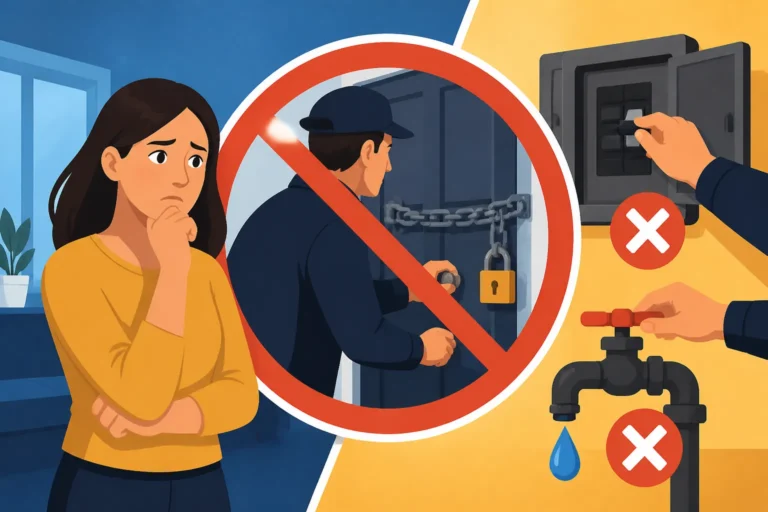
For instance, the ORC clearly defines what constitutes a "forcible entry and detainer" action – the legal term for an eviction lawsuit in Ohio. It specifies the types of notices required, the timelines involved, and the proper court procedures. Navigating these statutes can feel a bit like reading ancient hieroglyphs, but the gist is that you can't just tell a tenant to leave. There's a stringent legal path you must follow, starting with a valid reason for eviction and proper notification. Many landlords mistakenly believe they can simply change the locks or shut off utilities if a tenant isn't paying rent. This is a huge no-no and falls under the category of illegal self-help evictions, which can lead to severe penalties.
Just Cause Versus No-Fault Evictions
In Ohio, you generally need a "just cause" to evict a tenant, especially if they are on a fixed-term lease. This means you can't simply wake up one day and decide you don't like your tenant's choice of garden gnomes. There has to be a legitimate, legally recognized reason. The most common just causes for eviction include:
- Nonpayment of Rent: This is probably the most frequent reason landlords initiate eviction proceedings. If a tenant fails to pay rent on time, even if it's just a few days late, you typically have grounds.
- Lease Violations: This covers a wide array of tenant missteps, such as unauthorized pets, excessive noise complaints, property damage beyond normal wear and tear, or violating occupancy limits. Your lease agreement is paramount here, as it defines what constitutes a violation. For example, if your lease explicitly states no smoking inside the unit, and the tenant is consistently breaking this rule, you have a strong case.
- Illegal Activity: Engaging in criminal activity on the premises, such as drug dealing or violent behavior, is a serious breach and usually grounds for immediate termination of tenancy.
- Expiration of Lease Term: If a fixed-term lease has simply run its course and you choose not to renew it, this can also be grounds for eviction, though it requires specific notice periods.
For month-to-month tenancies, the rules are slightly different. While still needing to follow proper notice procedures, landlords generally have more flexibility to terminate the tenancy without needing a specific "fault" from the tenant, as long as appropriate notice is given. This is often referred to as a "no-fault" eviction when applied to month-to-month agreements, simply because the landlord isn't accusing the tenant of a specific breach, but rather exercising their right to end the tenancy. Always double-check your local ordinances, as some cities or counties in Ohio may have additional protections or requirements beyond state law.
Step-by-Step Ohio Eviction Process
The Ohio eviction process is a sequential journey, and missing even one step can set you back significantly. Think of it as a tightly choreographed dance; every move needs to be precise and in sync with the legal rhythm.
Providing Proper Notice to Quit
This is your very first, and arguably most critical, step. You cannot file an eviction lawsuit without first providing your tenant with a formal, written "Notice to Quit." This notice serves as a warning and an opportunity for the tenant to remedy the issue or vacate the property. The type of notice and the amount of time you must give depend entirely on the reason for eviction.
- 3-Day Notice to Pay Rent or Quit: This is the most common notice for nonpayment of rent. In Ohio, if a tenant fails to pay rent, you can serve them a 3-day notice. This means the tenant has three full days (excluding weekends and legal holidays) to either pay the overdue rent in full or move out. If they do neither, you can then proceed with filing an eviction lawsuit. You can find templates for these kinds of notices on legal document platforms like LawDepot, which can help ensure you're using the correct legal language.
- 30-Day Notice for Lease Violations (and Month-to-Month Tenancy Termination): For most other lease violations, or if you're simply terminating a month-to-month lease without cause, Ohio law generally requires a 30-day notice. This notice must clearly state the violation and give the tenant 30 days to either fix the issue (if it's a curable violation, like removing an unauthorized pet) or move out. If they fail to comply, you can then move to the next step. Some violations, like serious damage or illegal activity, might allow for a shorter, "unconditional" notice, but these are less common and often require specific legal advice. You can learn more about the different types of notices in our guide on Eviction Notice Types Cure or Quit Pay or Quit Unconditional.
It's absolutely paramount that you serve this notice correctly. Improper service is a common reason for eviction cases to be dismissed. Methods of service typically include:
- Personal delivery to the tenant.
- Leaving it with a person of suitable age and discretion at the property.
- Posting it on the main entrance of the property (often as a last resort).
Always keep a copy of the notice and document the date and method of service. Taking a photo of the posted notice or having a witness present during personal delivery can be helpful.
Filing the Eviction Lawsuit Forcible Entry and Detainer
If the tenant fails to comply with the Notice to Quit within the specified timeframe, your next step is to file an eviction lawsuit, known as a "Complaint for Forcible Entry and Detainer," in the appropriate municipal or county court. This is where the legal process truly begins, and it's essential to get it right. Our article, How to File for Eviction Landlord Step-by-Step, offers general advice, but remember to tailor it to Ohio's specifics.
You'll need to fill out court forms, which vary slightly by jurisdiction but generally require:
- The names and addresses of both landlord and tenant.
- A description of the rental property.
- The reason for eviction (e.g., nonpayment of rent, lease violation).
- A statement that the proper Notice to Quit was served.
- A copy of the Notice to Quit.
- A copy of the lease agreement.
Along with the complaint, you'll also file a "Summons," which formally notifies the tenant of the lawsuit and the date of the court hearing. The court will then arrange for the summons and complaint to be officially served on the tenant by a bailiff or process server. Again, proper service is critical here; if the tenant isn't legally notified, the case cannot proceed. Be prepared for filing fees, which can range from $100 to $200, depending on the court. You can also expect to pay for the cost of service. This initial financial outlay is part of the overall How Much Does It Cost to Evict a Tenant.
The Court Hearing and Judgment
Once the tenant has been properly served, a court hearing will be scheduled. In Ohio, this hearing is usually quite prompt, often within a few weeks of filing. Both you and your tenant will have the opportunity to present your case to the judge. This isn't the time for emotional pleas; it's about presenting facts, evidence, and legal arguments.
As the landlord, you'll need to provide:
- Copies of the lease agreement.
- The Notice to Quit and proof of service.
- Rent ledgers or payment records if nonpayment is the issue.
- Photos or videos of property damage (if applicable).
- Correspondence with the tenant (emails, texts, certified letters).
- Any witnesses who can corroborate your claims.
The tenant will also have the chance to present their defense. Common tenant defenses include claiming the notice was improper, that they did pay rent, or that the landlord failed to maintain the property (e.g., Tenant Rights If Landlord Won't Return Deposit if they counter-sue for a wrongfully withheld deposit). Understanding How to Stop or Fight an Eviction Tenant Guide can give you insight into what arguments a tenant might present.
After hearing both sides, the judge will issue a judgment. If the judge rules in your favor, they will grant an "Order of Restitution" or "Writ of Restitution," which orders the tenant to vacate the property. Sometimes, the judge might also rule on monetary damages, such as overdue rent or property damage, though this can sometimes be a separate action. If the tenant prevails, you may have to start the process over or address the issues raised by the court.
The Writ of Restitution and Tenant Removal
Receiving a judgment in your favor isn't the final step. Tenants don't always leave voluntarily, even after a court order. If the tenant still hasn't moved out after the court has granted the Order of Restitution, you will need to request a "Writ of Restitution" from the court. This is the legal document that authorizes law enforcement, typically the county sheriff or municipal bailiff, to physically remove the tenant and their belongings from the property. This process is detailed further in our guide on The Writ of Possession & Sheriff Removal.
Once the writ is issued, you will typically need to schedule a time with the sheriff's department to execute the writ. The sheriff will then post a notice on the tenant's door, informing them of the exact date and time of the lockout. This final notice period is often short, sometimes as little as 24-48 hours. On the scheduled day, you, as the landlord, or your representative, must be present to change the locks and take possession of the property. The sheriff is there to ensure peace and order, not to help you move items.
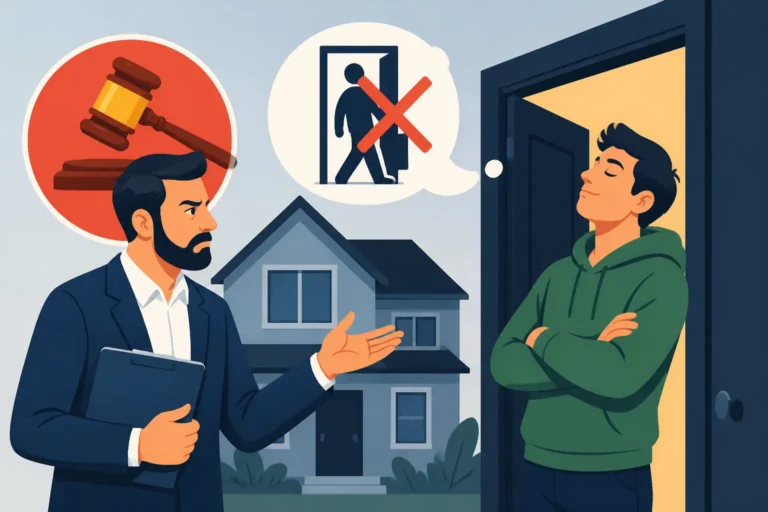
It's crucial to understand that only law enforcement can physically remove a tenant. Attempting to do so yourself is considered an Illegal Self-Help Eviction Lockouts & Utility Shutoffs and carries severe legal penalties in Ohio, including potential monetary damages to the tenant. Even after the tenant has been removed, Ohio law has specific rules regarding handling any personal property left behind. You generally can't just throw it away; you may need to store it for a certain period and notify the tenant of its location. Neglecting these steps can open you up to further legal issues.
Common Pitfalls and Tenant Defenses
The eviction process is a legal minefield, and awareness of common pitfalls can help you avoid costly mistakes. Even with the best intentions, landlords can sometimes stumble.
Illegal Self-Help Evictions
Let's be crystal clear: in Ohio, as in most states, you absolutely cannot engage in "self-help" evictions. This means you cannot:
- Change the locks on a tenant who is still residing in the property, even if they're behind on rent.
- Remove their belongings from the unit.
- Shut off utilities (water, electricity, gas) to force them out.
- Threaten or harass them.
These actions are illegal and can lead to significant penalties, including the tenant suing you for damages, attorney fees, and even punitive damages. Some jurisdictions even consider these criminal acts. For example, in Columbus, Ohio, a landlord found guilty of a self-help eviction could face charges and be ordered to pay the tenant three times their actual damages or three times the amount of their periodic rent, whichever is greater. Our article on Self-Help Eviction Penalties by State dives deeper into the severe consequences of such actions. Always, always go through the proper legal channels, no matter how frustrated you become.
Tenant Rights and Legal Aid
Tenants in Ohio have numerous rights, and many are well-aware of them, especially with the rise of tenant advocacy groups and legal aid services. A common defense in eviction court is that the landlord failed to maintain the property, making it uninhabitable. This falls under the "implied warranty of habitability." If a tenant can prove that you, as the landlord, neglected essential repairs (e.g., no heat in winter, severe plumbing issues, pest infestations) and they properly notified you of these issues, a judge might dismiss your eviction case or even order you to pay damages to the tenant.
Tenants can also argue that the notice was not properly served, that rent was, in fact, paid, or that the eviction is retaliatory (e.g., you're evicting them because they complained about a repair issue). Many legal aid organizations throughout Ohio, such as Legal Aid Society of Cleveland or Ohio State Legal Services Association, offer free or low-cost legal assistance to tenants, helping them understand and assert their rights. This means you should be prepared for a strong defense, especially if your tenant has legal counsel. It underscores the importance of proper documentation and adherence to all legal procedures on your part.
Potential Delays and Costs
Evictions are rarely swift or cheap. Even in a relatively efficient state like Ohio, the entire process, from serving the initial notice to getting the tenant physically removed by the sheriff, can easily take anywhere from 4 to 8 weeks, sometimes even longer if there are court backlogs, tenant defenses, or appeals. Our guide on How Long Does an Eviction Take provides a broader perspective on timelines, but Ohio is generally considered one of the faster states for eviction due to its relatively short notice periods.
During this time, you're likely not collecting rent, and you're incurring legal fees, court costs, and potentially the cost of storing the tenant's abandoned property. If the tenant causes damage beyond what the security deposit covers, pursuing those additional costs can be another separate legal battle. Being emotionally and financially prepared for these delays and expenses is part of being a responsible landlord.
| Stage of Eviction Process (Ohio) | Typical Timeframe (Approx.) | Key Landlord Action |
|---|---|---|
| Serve Notice to Quit (3-Day / 30-Day) | 3-30 days | Draft and serve notice |
| File Complaint & Summons | 3-7 days | Prepare court forms, pay fees |
| Service of Summons | 3-10 days | Court arranges service |
| Eviction Hearing | 1-3 weeks after filing | Present evidence, attend court |
| Obtain Writ of Restitution | 1-5 days after judgment | Request writ from court |
| Sheriff/Bailiff Lockout | 3-10 days after writ | Coordinate with law enforcement, change locks |
| Total Estimated Time | 4-12+ Weeks | Ongoing monitoring and action |
Note: These are approximations. Actual timelines can vary significantly based on court schedules, tenant actions, and specific circumstances.
Documentation is Your Best Friend
In the world of landlord-tenant law, documentation isn't just helpful; it's absolutely essential. It can be the difference between winning and losing your case, protecting your investment, and facing unnecessary legal battles.
Maintaining Thorough Records
From the moment a tenant applies, every interaction, every payment, every repair request, and every piece of communication should be meticulously documented. This includes:
- Lease Agreement: A clear, legally sound lease is your foundation. It should outline all terms, conditions, rent due dates, late fees, and rules. Make sure both parties have signed and dated copies.
- Move-In Checklist/Inspection Report: Document the condition of the property before the tenant moves in, with photos and tenant signatures. This is crucial for distinguishing between pre-existing issues and damage caused by the tenant, especially when it comes to security deposit deductions or claims for property damage. Our Move-In / Move-Out Inspection Guide provides excellent tips.
- Rent Payment Records: Keep detailed records of all rent payments received, including dates and amounts. If rent is paid electronically, retain transaction histories. For cash payments, always provide a receipt.
- Communication Log: Document all communications with the tenant, whether it's phone calls, emails, text messages, or written letters. Note the date, time, topic, and any agreed-upon actions. For important matters, like repair requests or lease violations, always use written communication (email or certified mail) to create an undeniable paper trail.
- Notices Served: Keep copies of all notices sent to the tenant (e.g., Notice to Quit, Notice of Lease Violation) and records of how and when they were served (e.g., certified mail receipts, photos of posted notices, witness statements).
- Repair Requests and Maintenance Records: Document all repair requests from the tenant and your actions to address them. This proves you upheld your end of the lease regarding habitability.
Consider using a secure digital system to organize these records. Many property management software solutions can help streamline this process, making it easy to access specific documents when needed.
Utilizing Digital Tools for Property Management
In today's digital age, relying solely on paper files is not just outdated; it's a liability. Modern property management tools offer robust solutions for landlords to keep track of every aspect of their rentals, which is invaluable during an eviction.
Software platforms like DoorLoop, for example, can centralize all your tenant information, lease documents, payment histories, and communication logs in one secure, accessible place. Imagine walking into court and being able to instantly pull up a timestamped record of every late payment, every email exchange about a lease violation, or every copy of a served notice. This level of organization speaks volumes to a judge and demonstrates your professionalism and adherence to legal requirements.
These tools also often provide features for sending automated rent reminders, tracking maintenance requests, and even generating lease agreements or notices, helping ensure consistency and legal compliance. While software can't replace legal advice, it can significantly reduce the administrative burden and bolster your case with impeccable record-keeping. Whether it's for tracking Eviction for Nonpayment of Rent or Eviction for a Lease Violation, having a clear, organized digital record can be your strongest ally.
Disclaimer
Please remember that this article provides general information and guidance regarding the eviction process in Ohio. Landlord-tenant laws are complex and can change, and local ordinances may vary. This content is not a substitute for professional legal advice. If you are a landlord facing an eviction, it is highly recommended that you consult with a qualified attorney in Ohio to ensure full compliance with all applicable laws and to address your specific situation.